Back
September 14, 2026 | Jamey Wagner
What Vitamins and Skin Care Habits Matter for Aging Skin?
Healthy aging skin depends on consistent sun protection, moisturization, balanced nutrition, and targeted ingredients such as vitamin C and topical retinoids. Supplements are most useful when a genuine nutritional need exists. For persistent concerns, personalized medical assessment can help determine whether advanced aesthetic treatments, wellness care, or both fit your goals.
Wrinkles may get the spotlight, but healthy aging skin is rarely about one miracle vitamin, cream, or treatment; it is about smart habits working together. If you are searching for the best
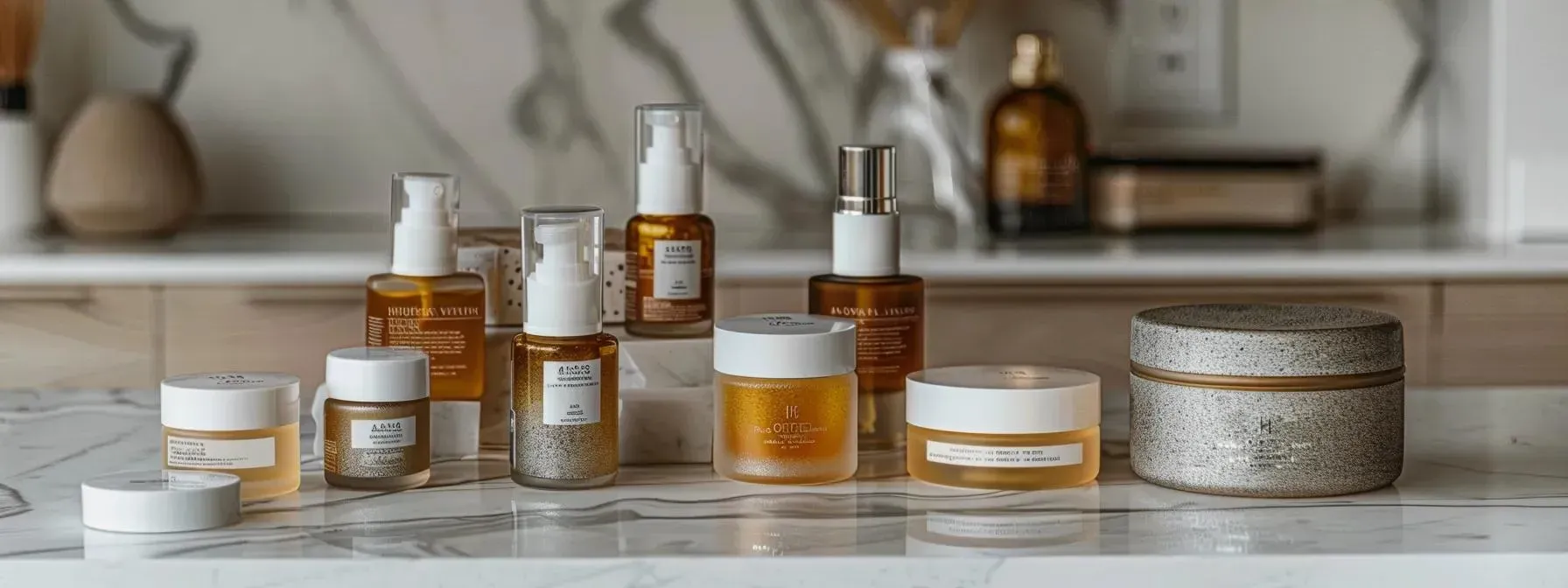
vitamins for dry aging skin in Hazel Green Al, start with nutrition, not a supplement aisle. Your skin needs enough nutrients to build collagen, protect cells, and maintain its barrier. Vitamin C supports collagen formation and antioxidant defenses, while vitamins A, D, and E support different parts of skin and overall health. Yet taking extra vitamins does not automatically make skin younger. If you eat well and have no deficiency, food is usually the better starting point.
Vitamin C: A Small Nutrient With a Big Skin Role
Vitamin C deserves attention because your body needs it to make collagen, the protein that helps skin stay firm and structured. Citrus fruits, berries, peppers, broccoli, and tomatoes can help
supply it. A topical vitamin C product may also help with photoaging and dark spots when used correctly.
Vitamin A Can Help With Fine Lines and Texture
Vitamin A works differently. Topical retinoids, including retinol, can improve fine lines, uneven tone, and texture by changing how skin cells renew and support collagen. Start slowly because irritation can backfire, especially if your skin is dry or sensitive. Retinoids should not be used during pregnancy.
Vitamin E Is Useful, But More Is Not Better
Vitamin E is an antioxidant found in foods such as nuts, seeds, and vegetable oils. It helps protect cells from oxidative stress, but high-dose supplements are not a shortcut to smoother skin. Your
clinician should review medications, health conditions, and actual nutritional needs before recommending supplementation.
What About Vitamin D?
Vitamin D matters for overall health, but taking extra vitamin D solely for wrinkles is not evidence-based. If deficiency is suspected, testing and medical guidance make more sense than guessing with high-dose supplements. A targeted approach is safer and more useful than treating every skin concern with another pill.
Often Happens: Dry Skin Leads to a Product Pileup
Often happens: you notice new dryness and fine lines, then buy three serums and a handful of beauty vitamins. Within weeks, your skin becomes irritated. More products can mean more problems, not better results. Dermatologists caution that using several active anti-aging products
too quickly can irritate skin.
Start With Sunscreen and Moisturizer
The fix is surprisingly simple. Build your routine around sunscreen and moisturizer first. Dermatologists consider broad-spectrum SPF 30 or higher and daily moisturizing two of the most effective anti-aging skin care habits. Reapply sunscreen when you stay outdoors.
Dry Skin Needs Barrier Support, Not Scrubbing
Dryness needs barrier support, not aggressive scrubbing. Use a gentle cleanser, lukewarm water, and a moisturizer suited to your skin type. If your skin feels tight after washing, that is useful feedback. Your cleanser may be too harsh.
Treat One Skin Concern at a Time
Then choose one main treatment goal. If dark spots bother you, target pigmentation. If fine lines bother you, consider a retinoid. If dryness is the problem, improve hydration first.
UV Protection Is Your Daily Anti-Aging Step
Sun protection deserves extra attention after 35 because years of ultraviolet exposure add up. UV radiation contributes to wrinkles, uneven pigmentation, loss of firmness, and other signs of photoaging. Sunscreen also helps reduce skin cancer risk, making it far more than a beauty product.
Your Lifestyle Shows Up on Your Skin
Sleep, food, movement, and smoking habits also show up on your skin. A balanced diet with fruits, vegetables, protein, and healthy fats supports overall health. Adequate sleep gives your body time for normal repair. Avoiding tobacco helps reduce premature skin aging.
Should You Take Collagen Supplements?
What about collagen supplements? The evidence is still developing, and results vary. Some studies suggest possible improvements in skin hydration or elasticity, but supplements should not replace a nutritious diet or proven skin care. Check quality and interactions with a clinician before adding them.
There Is No Single Best Anti-Aging Vitamin
That is also why the concept of the best anti wrinkle vitamins in Guntersville needs context. There is no single vitamin that works for every face. Your age, diet, medications, skin type, sun exposure, and medical history all affect what makes sense.
When Skin Care Needs More Support
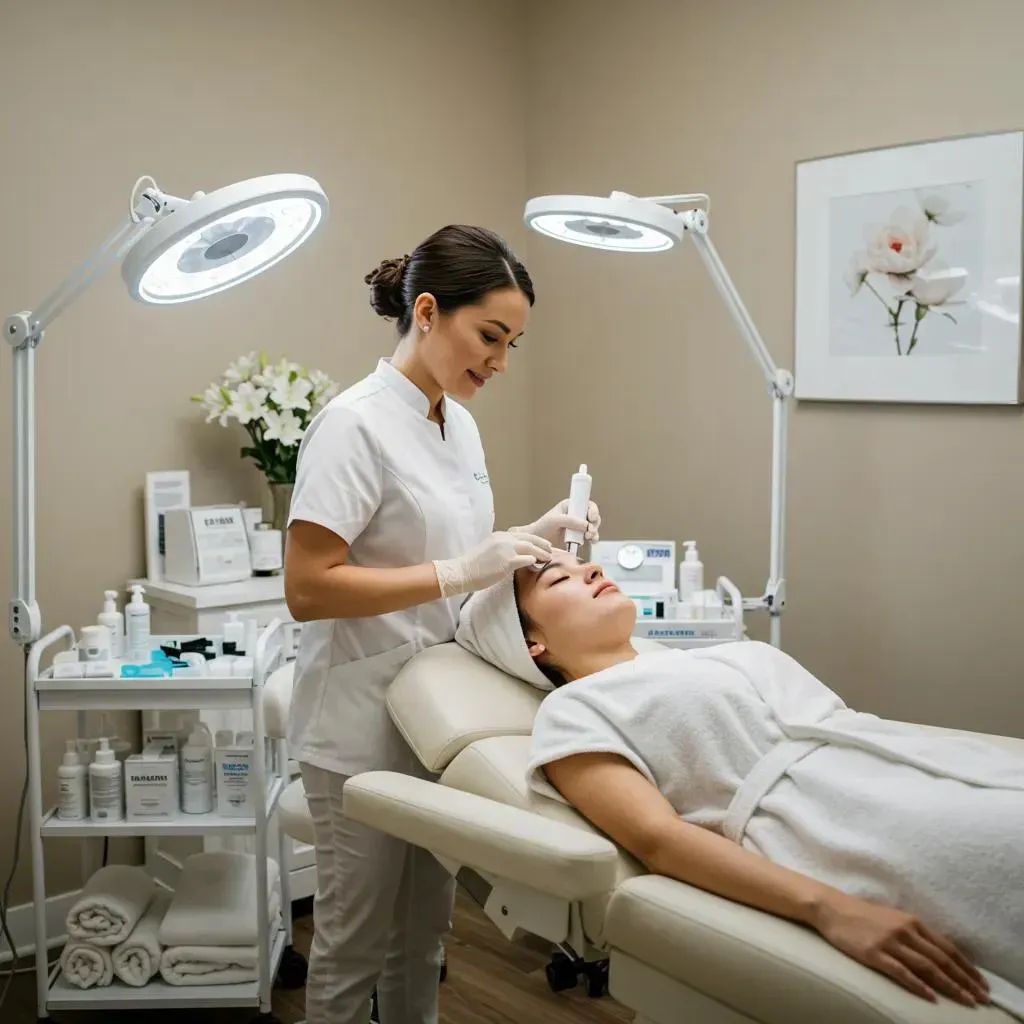
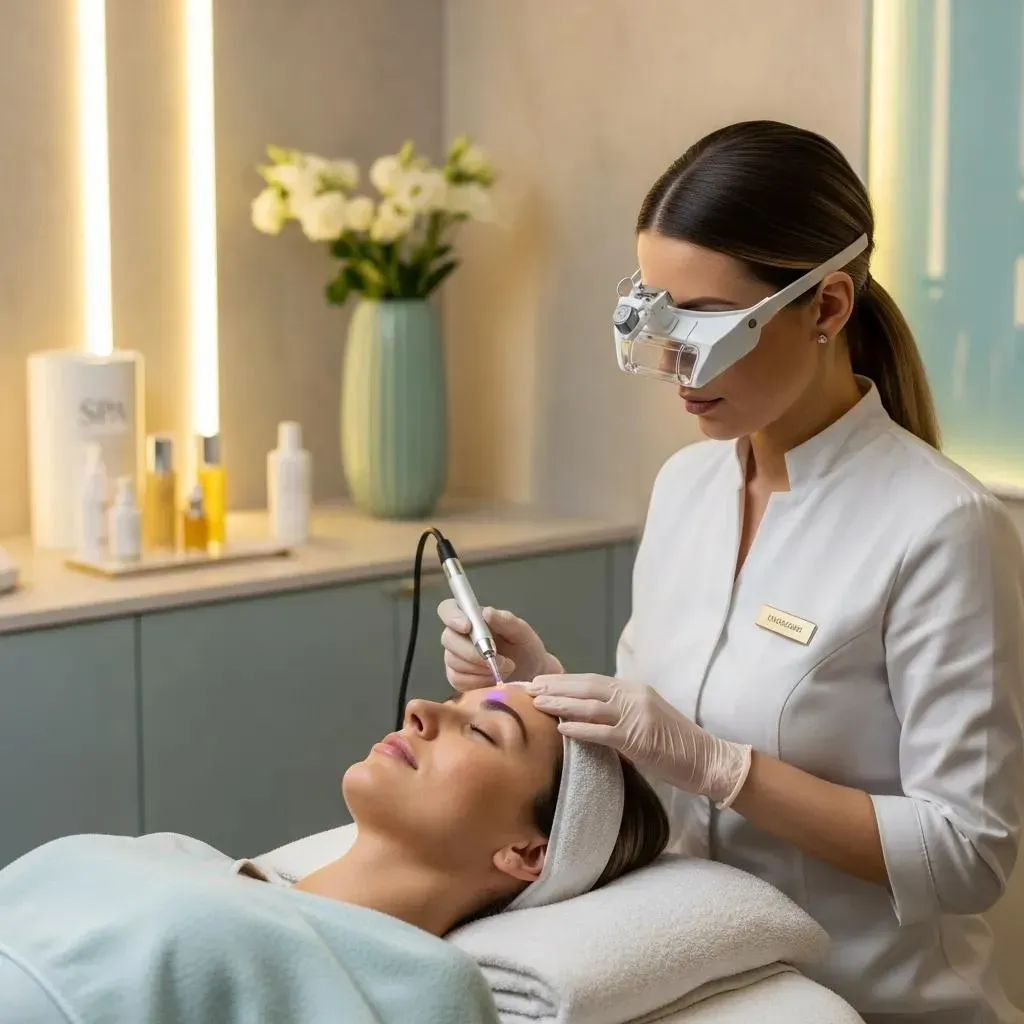
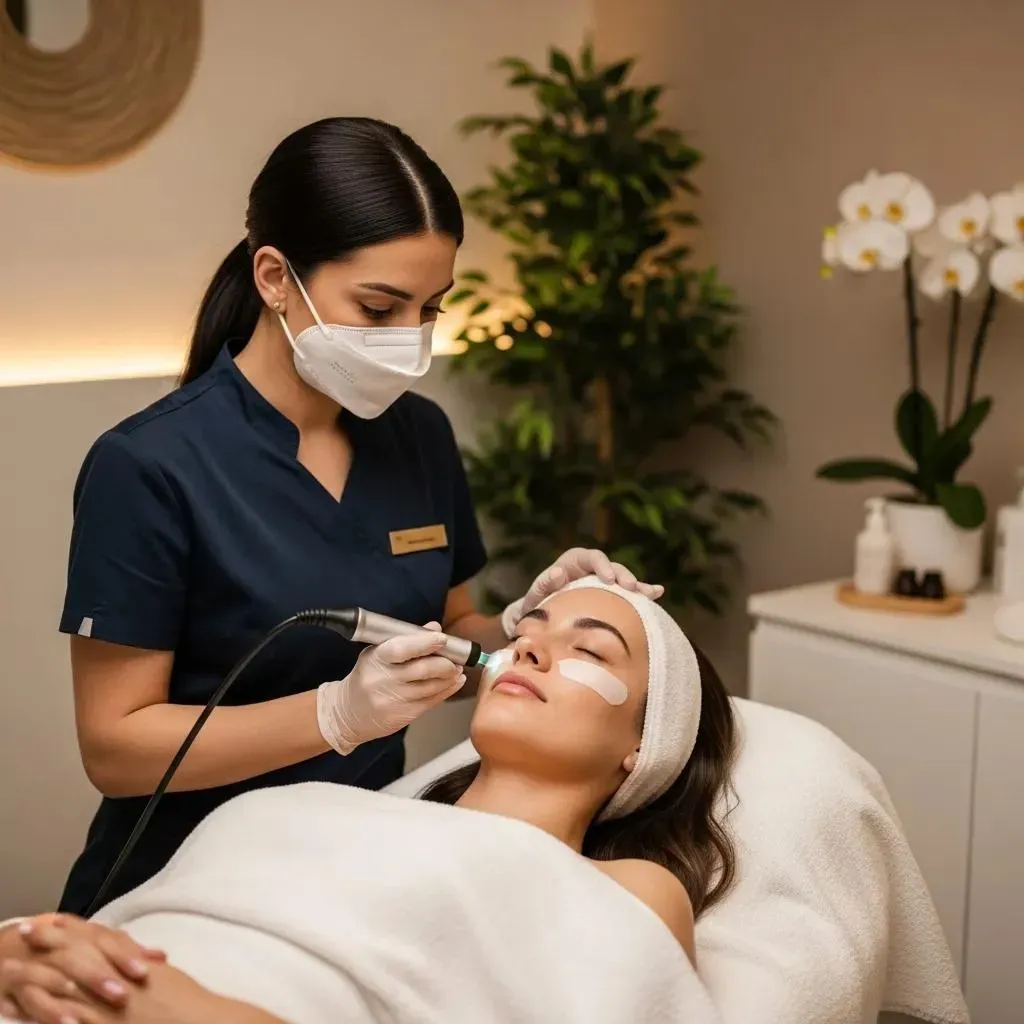
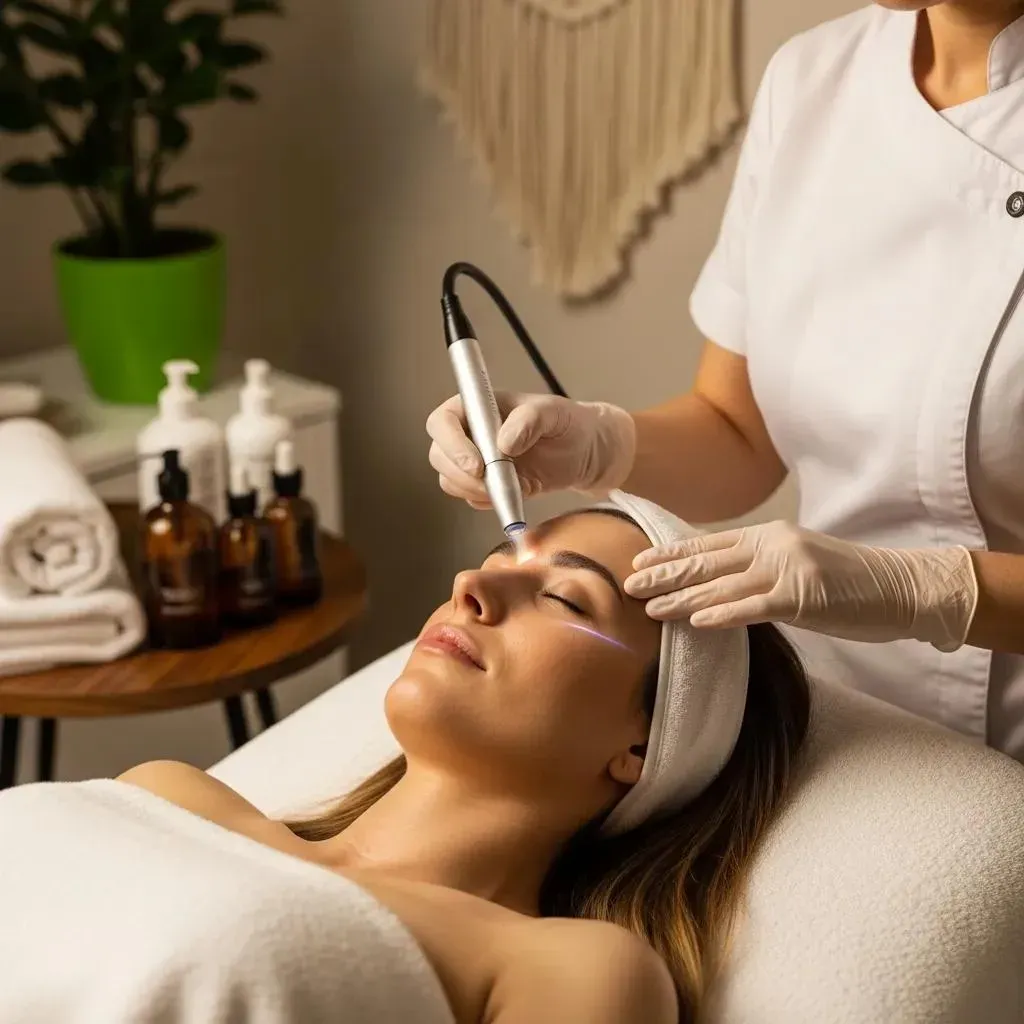
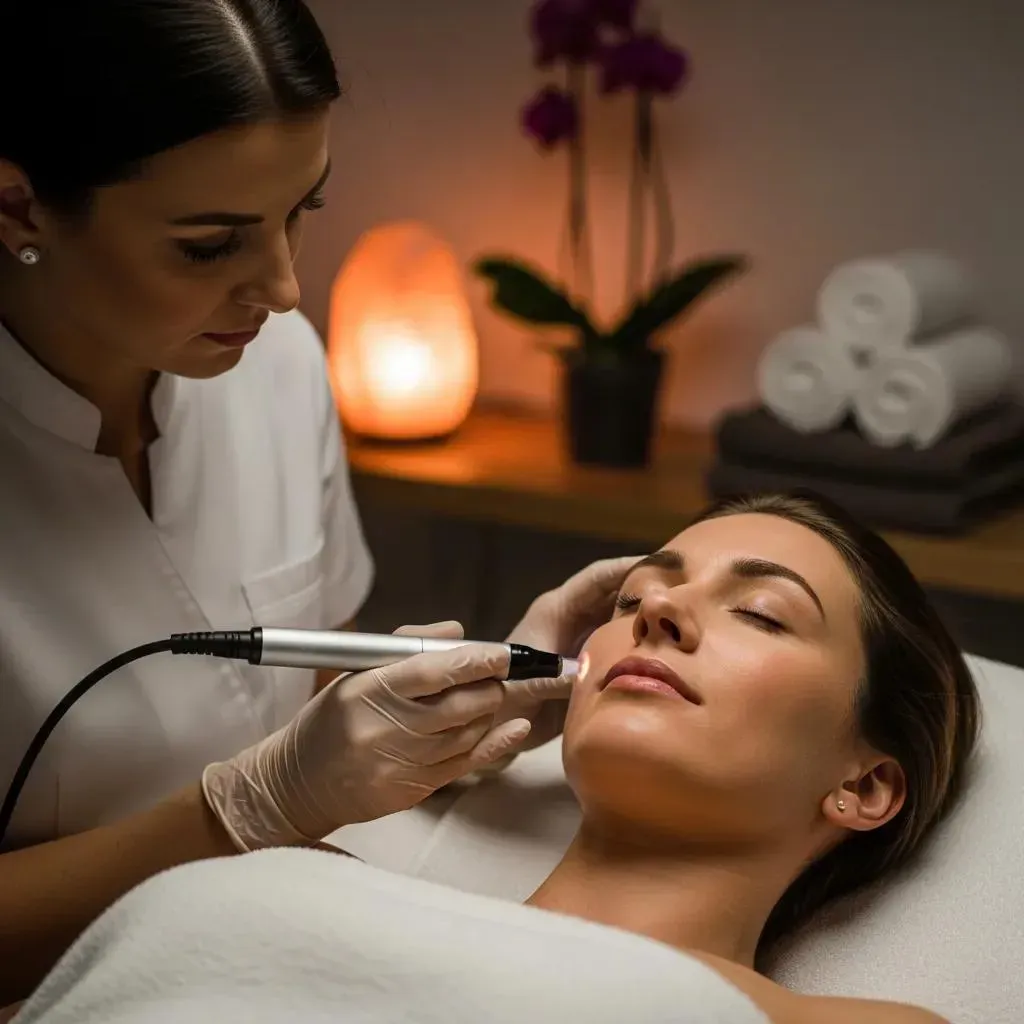
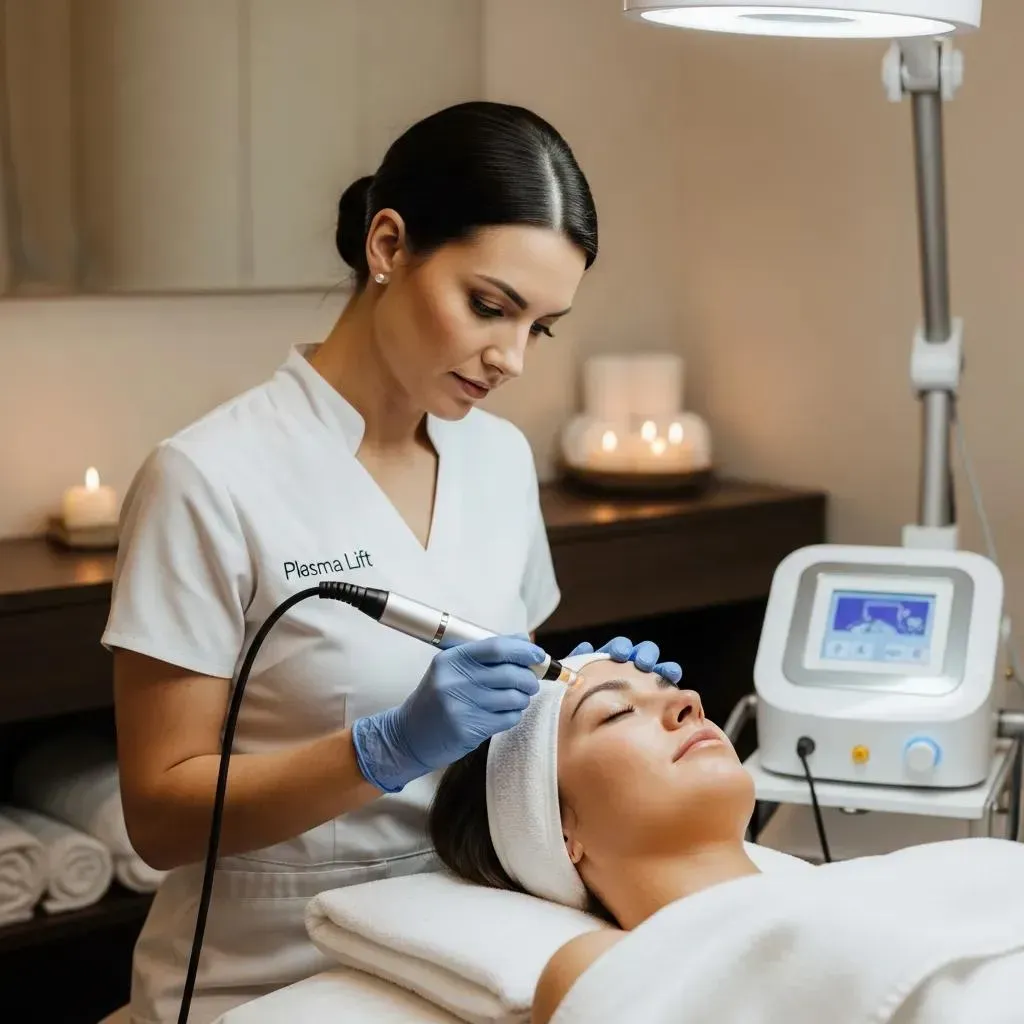
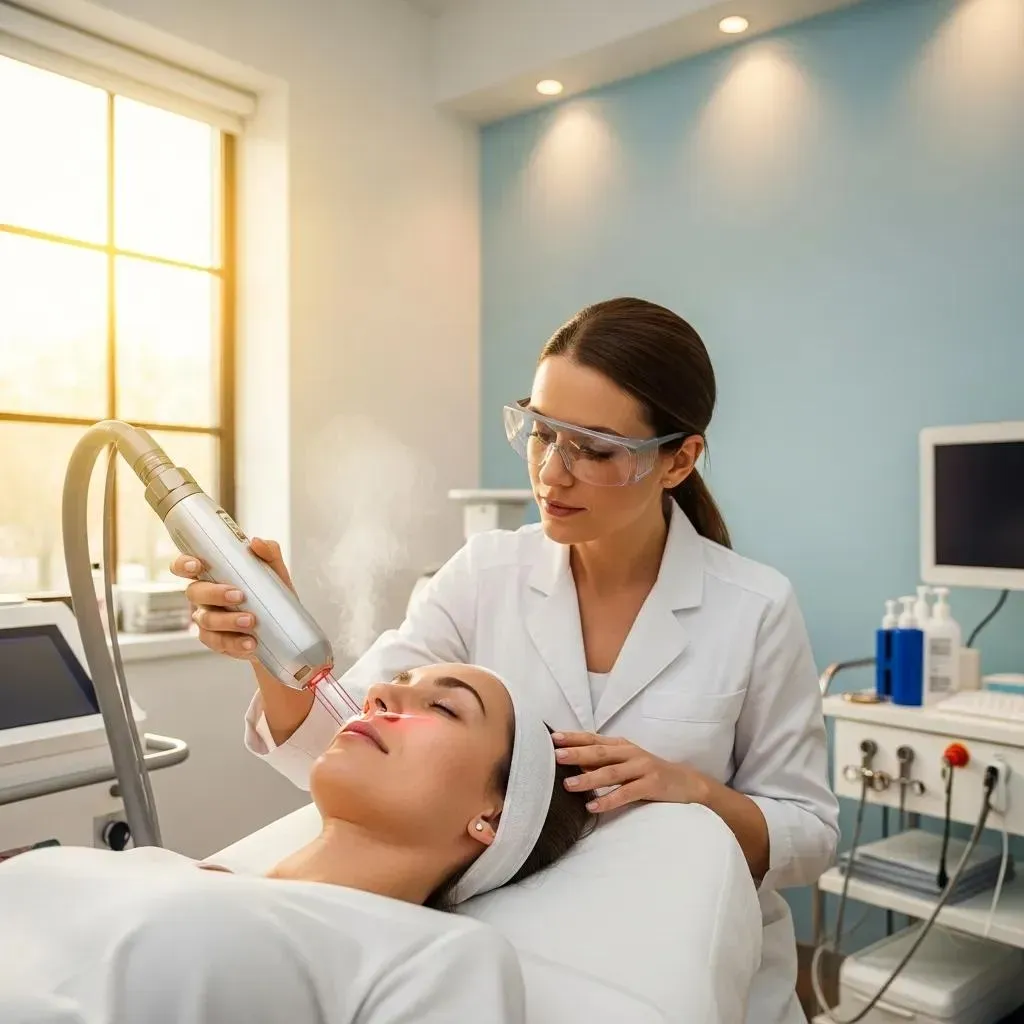
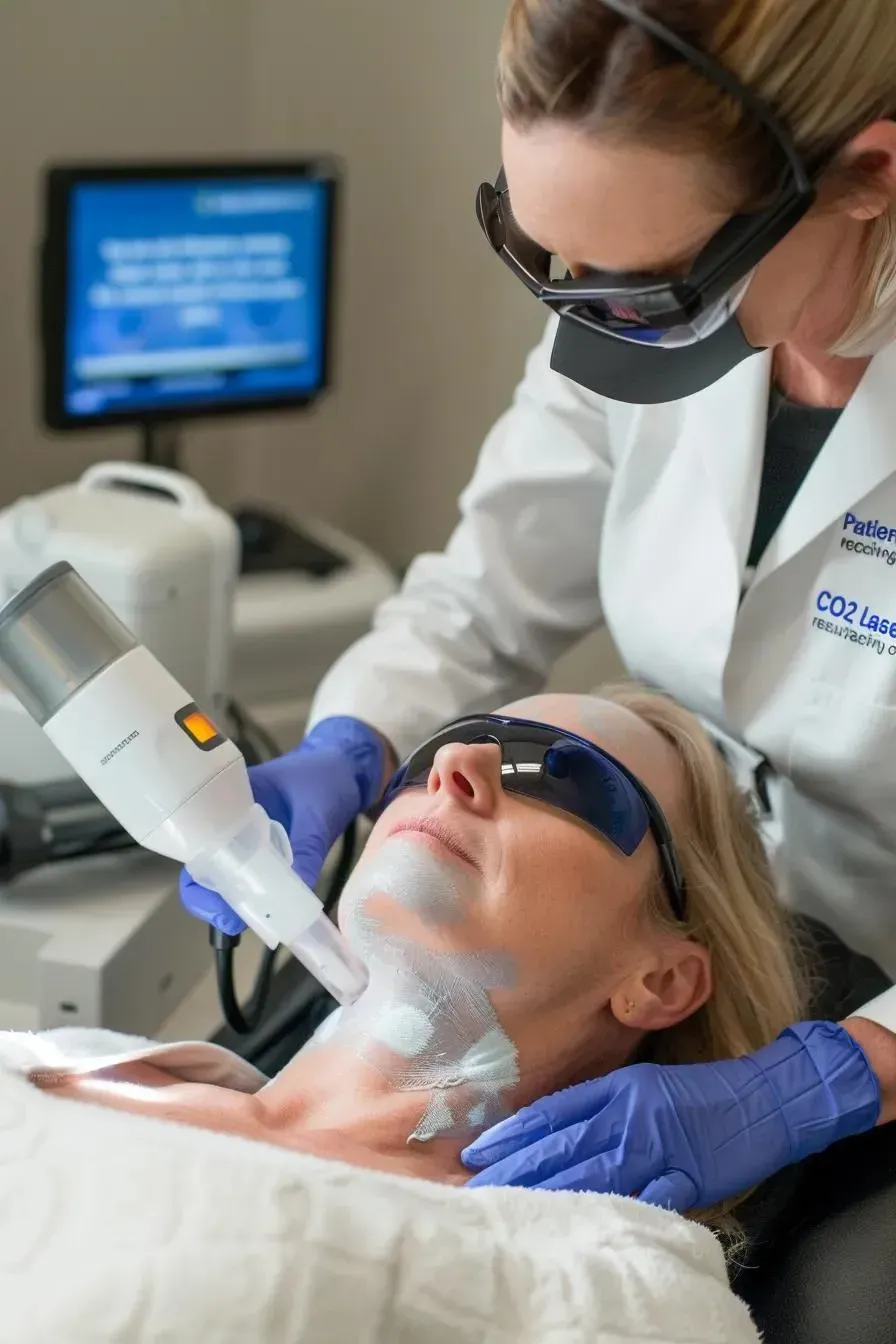
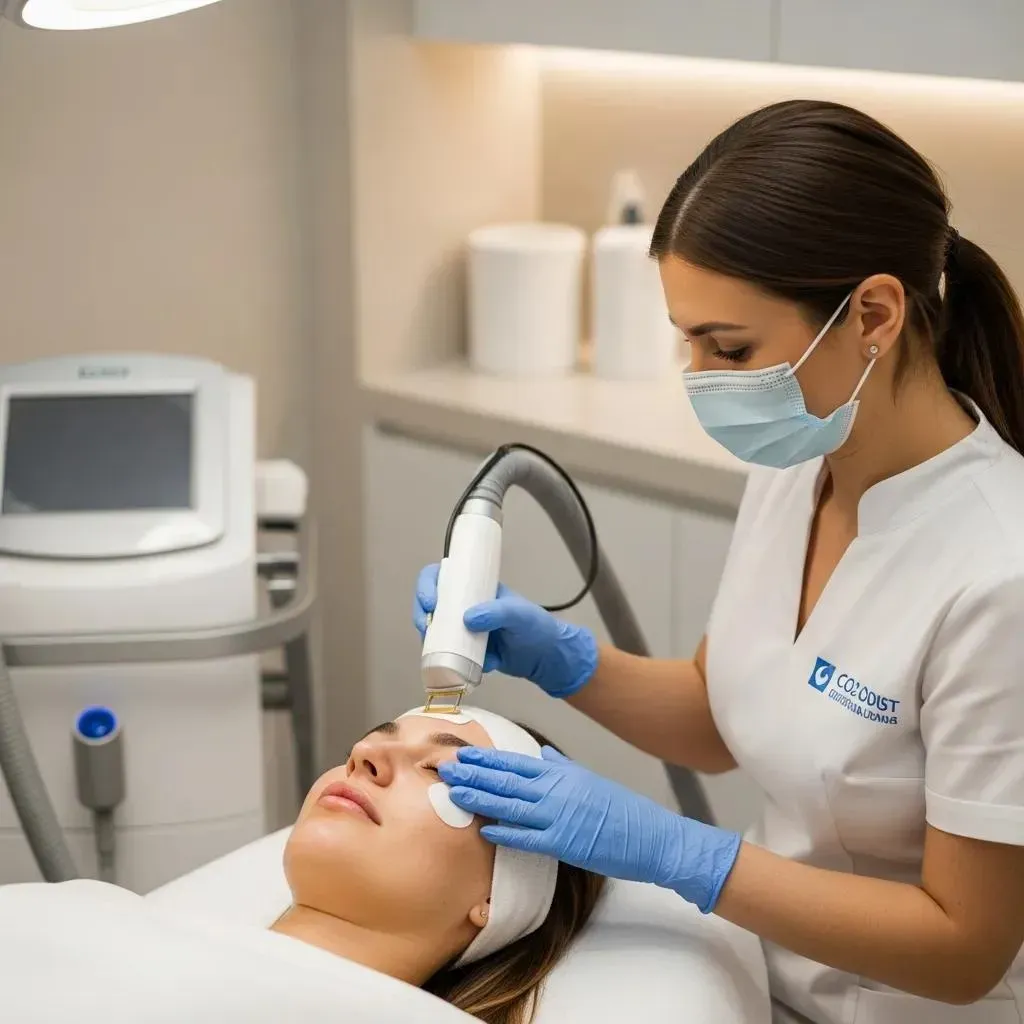
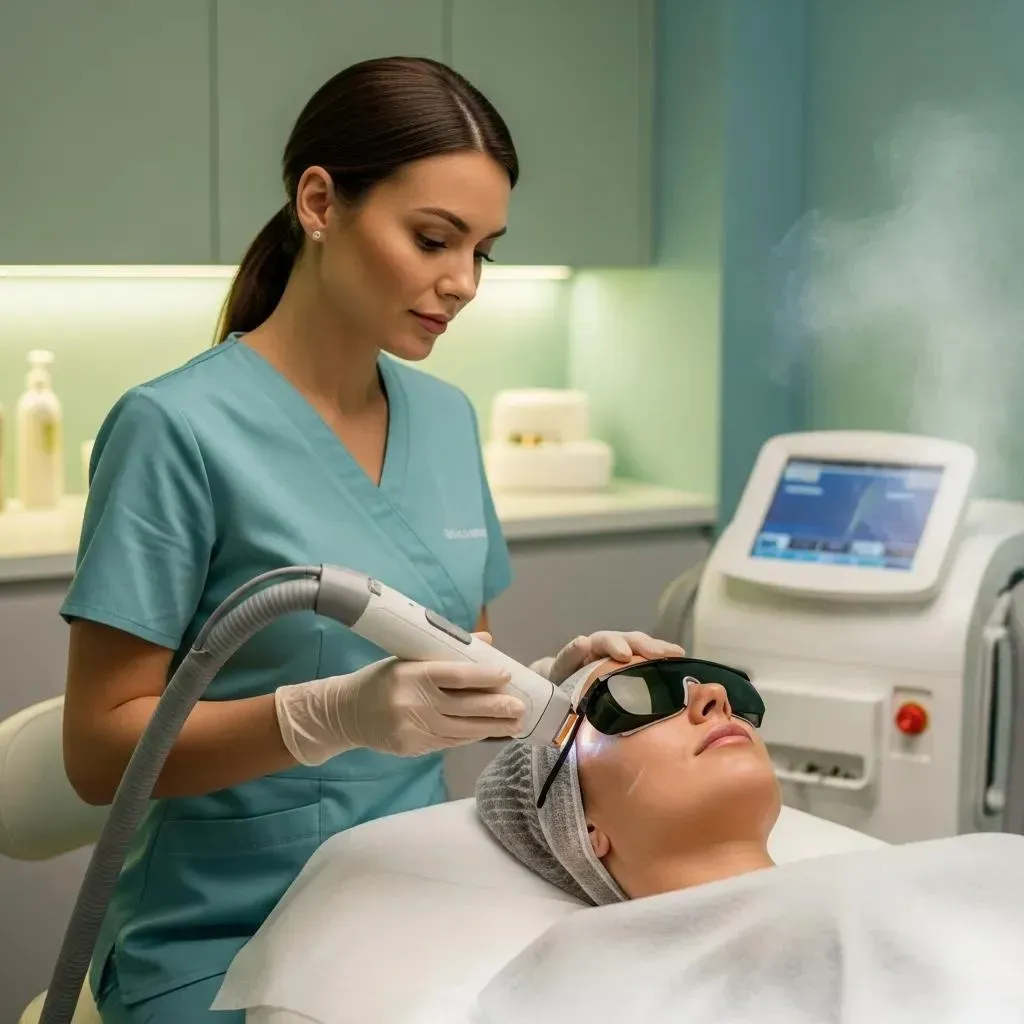
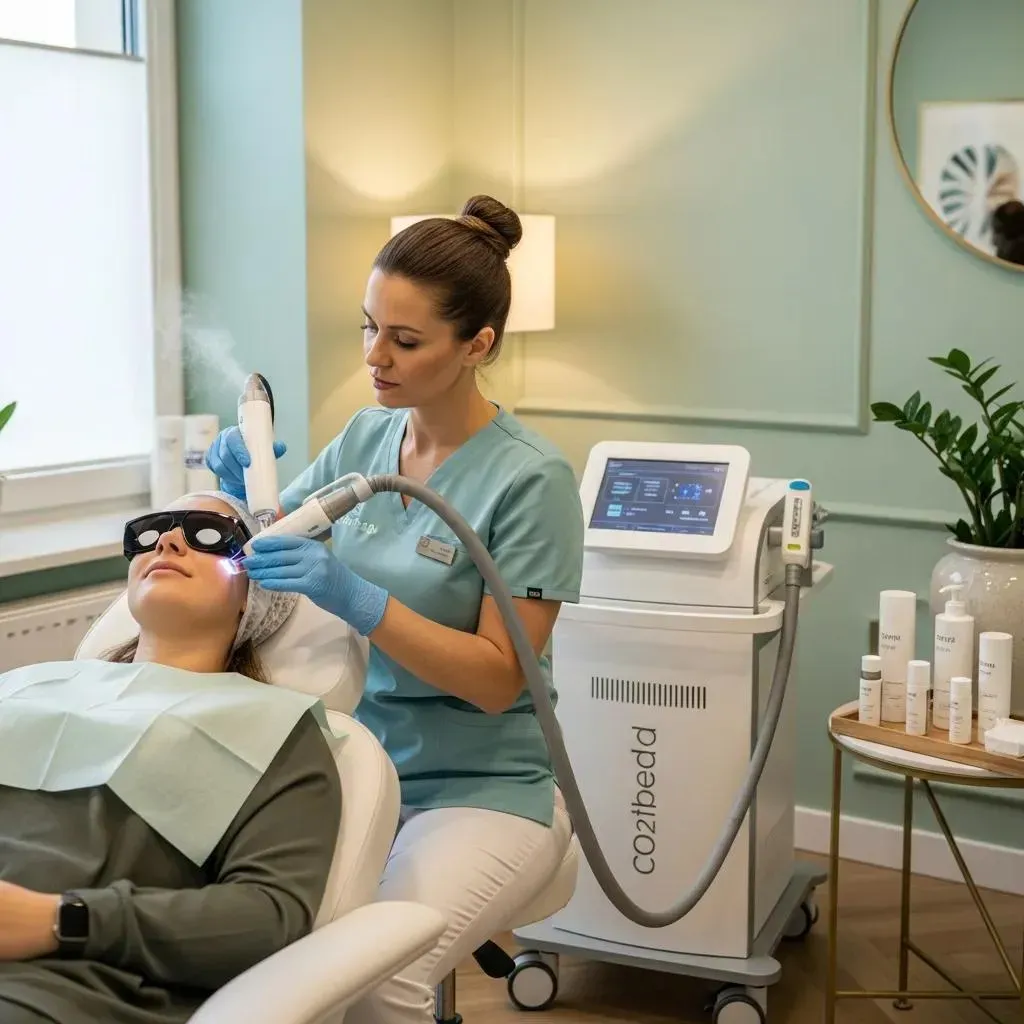
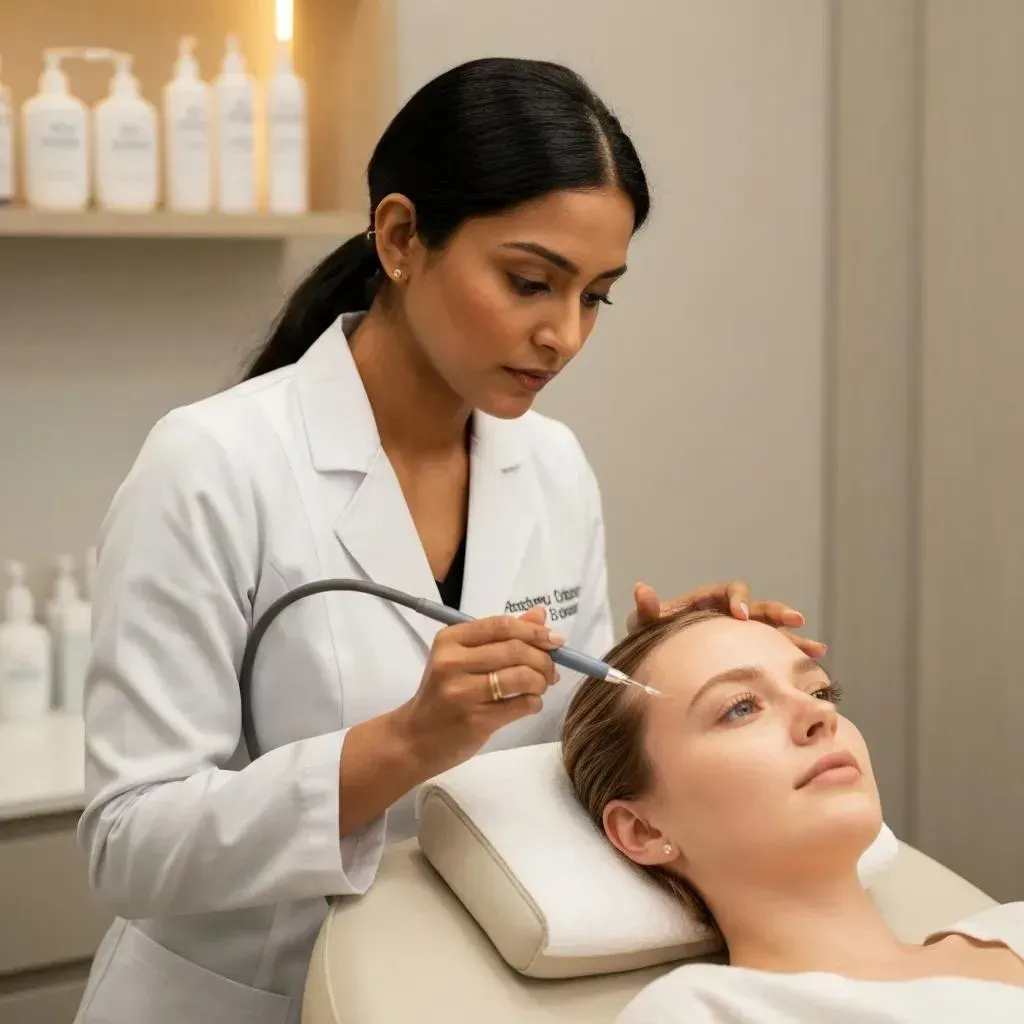
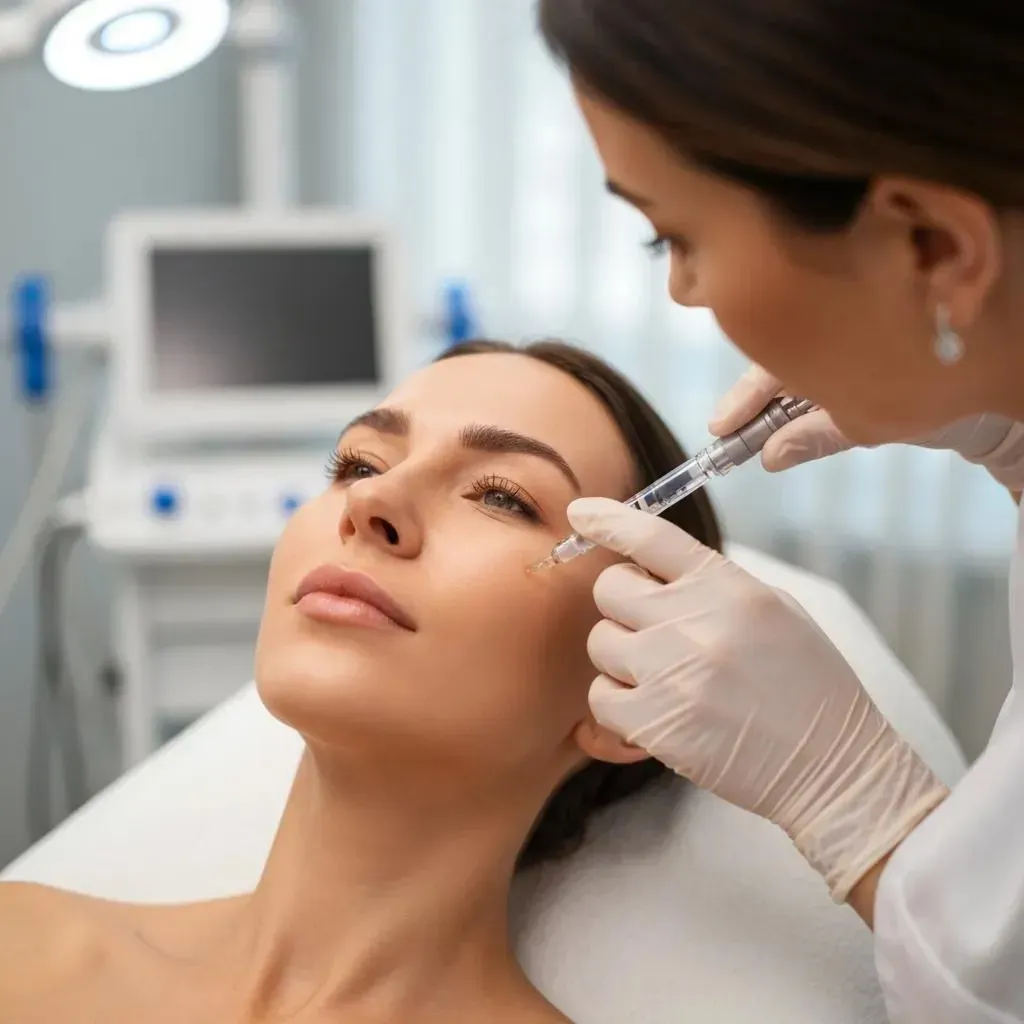
When skin concerns persist despite good habits, professional treatment can add another layer. Depending on your goals, a medically supervised clinic may discuss injectables, resurfacing,
microneedling, radiofrequency treatments, or other options designed for specific signs of aging.
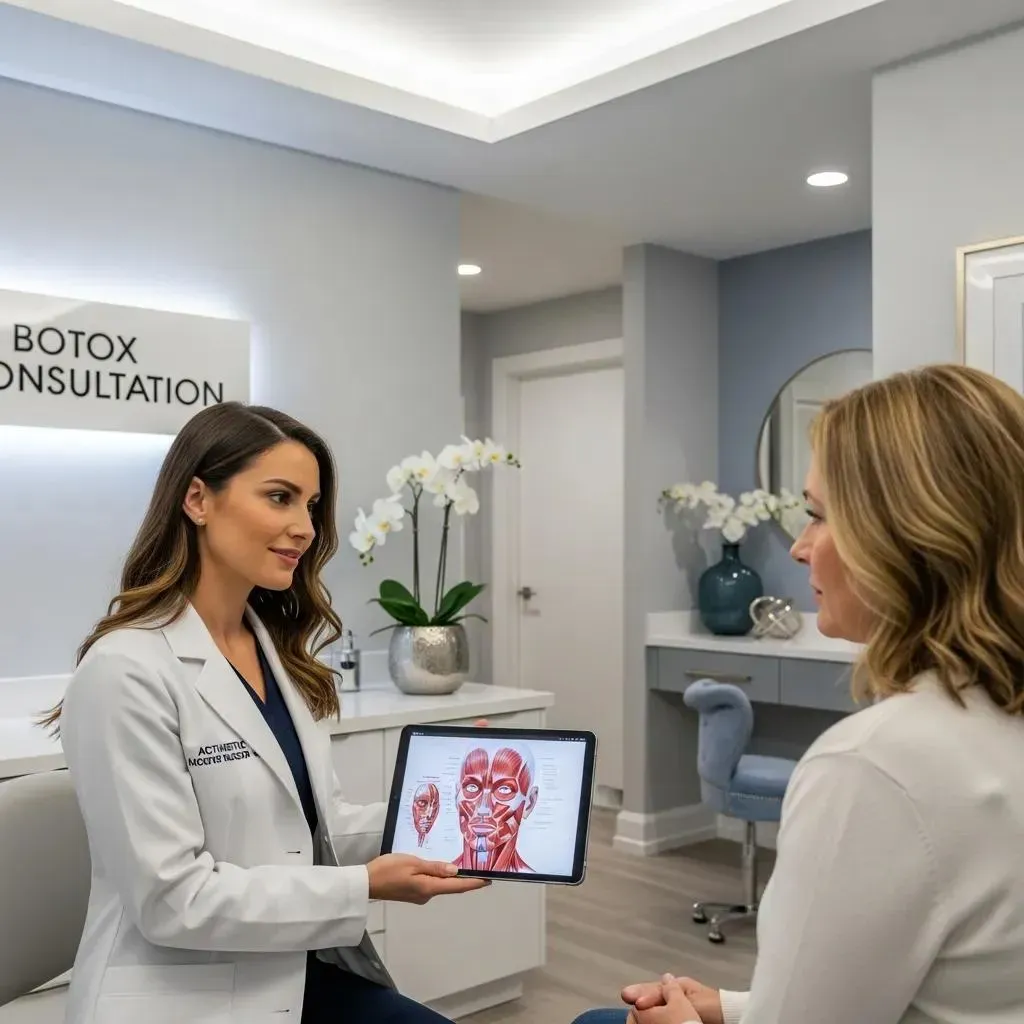
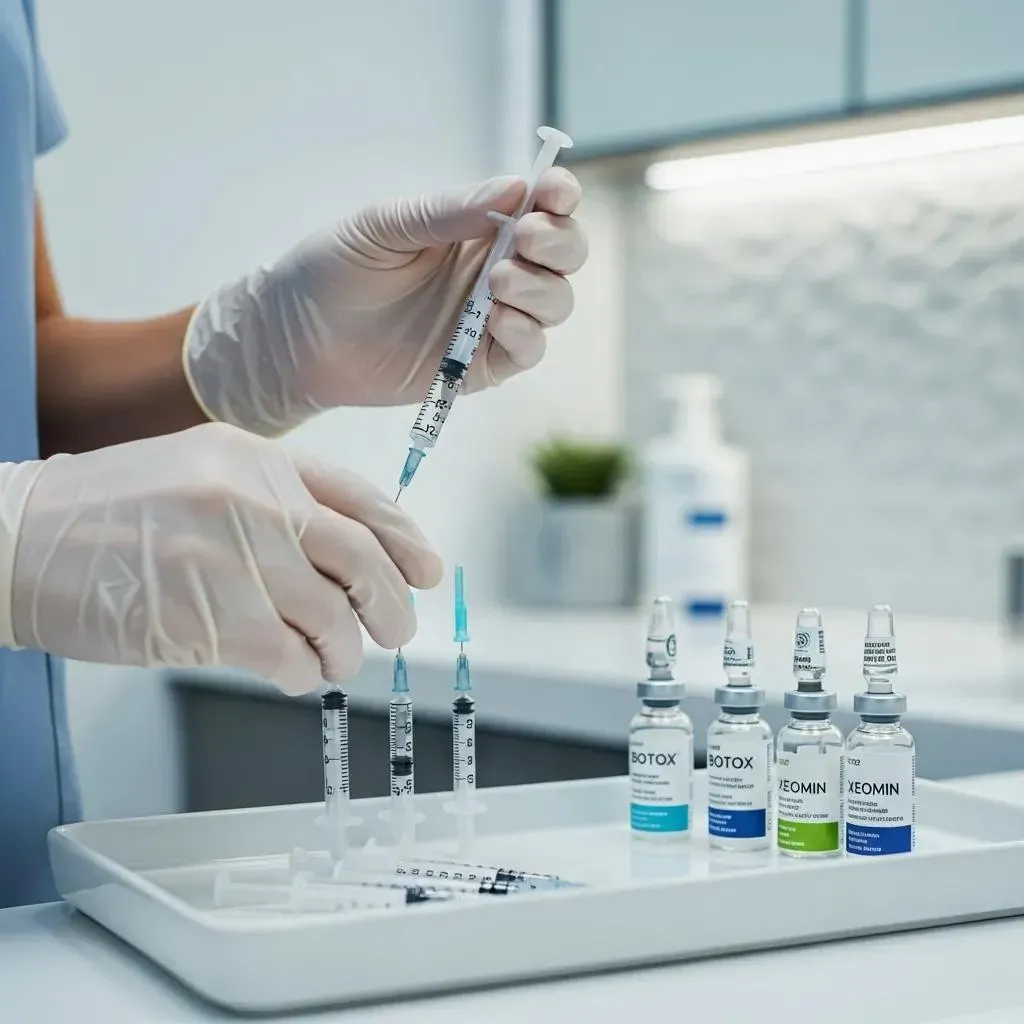
These treatments do different jobs. Botox and Xeomin can temporarily soften certain expression lines by reducing targeted muscle activity. Skin resurfacing and collagen-focused treatments address texture, tone, or laxity. The right choice depends on anatomy, skin condition, goals, and medical history. In fact, you can check out our special offering of - getting 40 units of Botox - at $10 per unit / or our Special 60 units offer at $9.50 per unit!
Why Personalization Matters
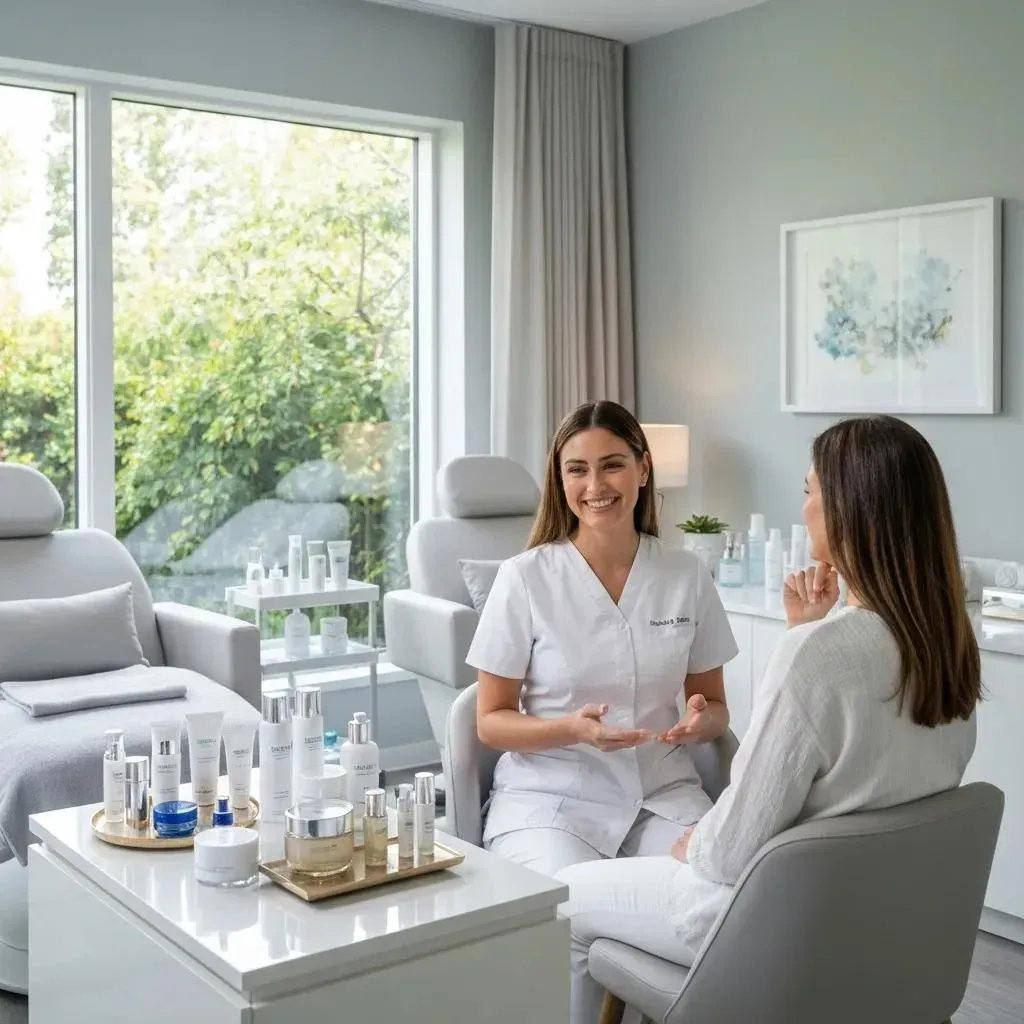
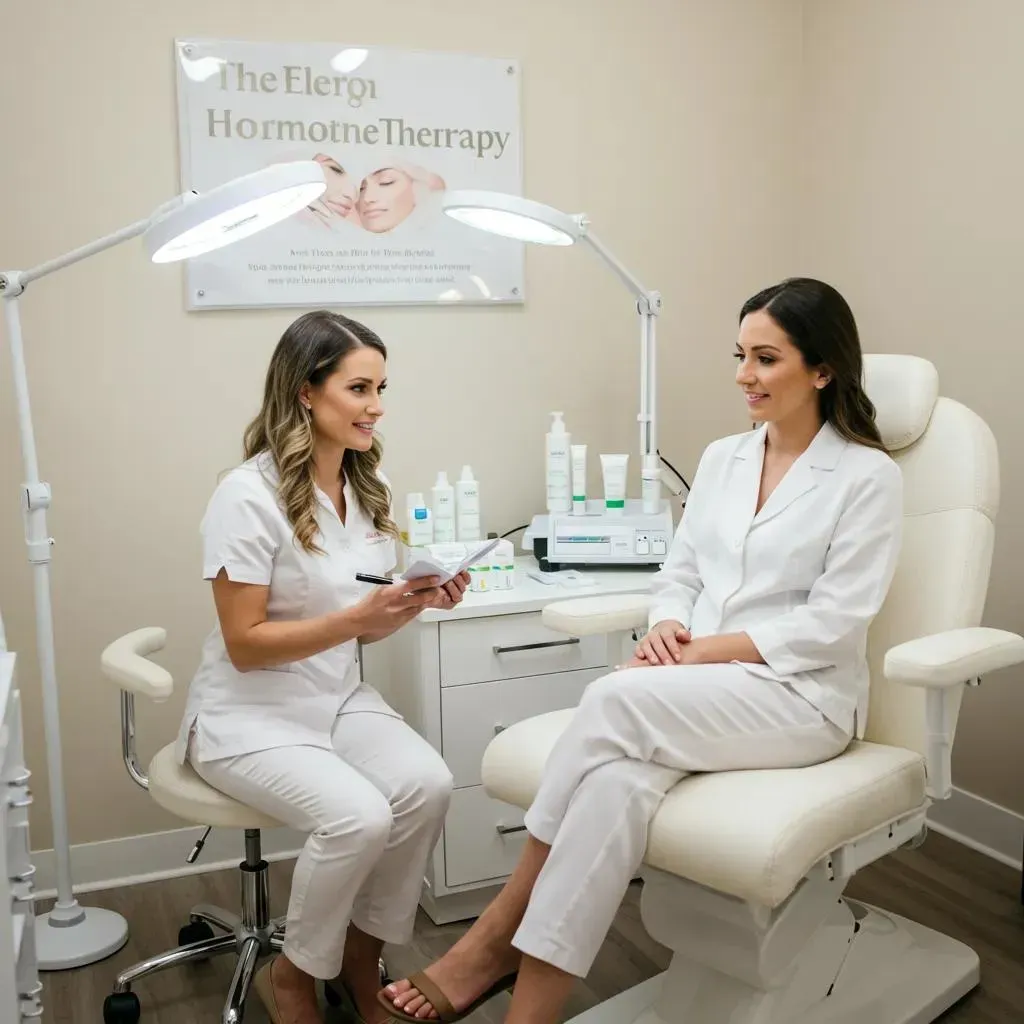
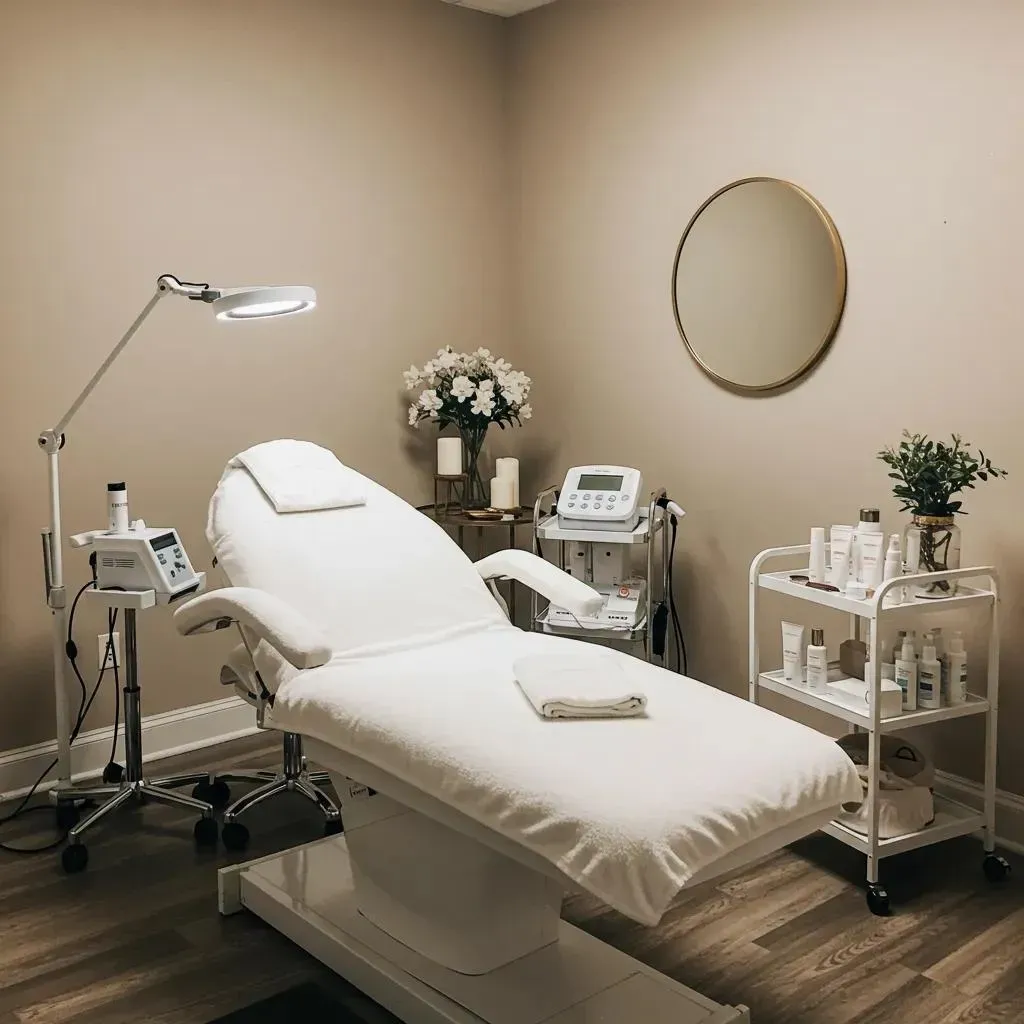
A personalized assessment can make the plan more useful. Growing Younger Clinic uses consultations, digital imaging, and medical assessments to understand individual goals. Its approach combines aesthetic care with physician-guided wellness services, including weight
management and hormone-focused care. The clinic also reports using FDA-cleared technology and maintaining an M.D. on-site for medical oversight. That matters because advanced aesthetic care should begin with appropriate assessment, not simply choosing the newest procedure.
Aging Skin Benefits From a Whole-Person Plan
For adults managing several concerns at once, this broader view can be helpful. Changes in weight, hormones, sleep, and overall health may affect how you feel and how your skin looks. Addressing those areas does not replace skin care; it can complement it.
What Should You Actually Do?
If you want the best vitamins for dry aging skin in Hazel Green Al, think beyond a bottle. Eat for nutrient coverage, protect your skin from UV exposure, moisturize consistently, and add targeted treatments only when they fit your needs. The goal is not to erase your age. It is to support healthy, strong skin and help you feel confident in it. Start with the basics, make changes gradually, and get medical guidance when supplements or procedures enter the picture. At Growing Younger Clinic, we personalize your plan; email info@growingyoungerclinic.com or call (256) 325-6398 to ask about eligible Botox/Xeomin points.
FAQs
What vitamins support aging skin?
Vitamin C supports collagen formation, while vitamins A, D, and E have important roles in skin or overall health. Supplements are best guided by need.
Is vitamin C good for dry aging skin?
Vitamin C supports collagen production and antioxidant protection. For dryness, moisturizer and barrier care remain more directly useful.
Should you take collagen supplements?
Collagen supplements may help some people, but evidence varies. They should complement, not replace, balanced nutrition, sun protection, and appropriate skin care.
What is the best daily habit for aging skin?
Daily broad-spectrum SPF 30 or higher is one of the strongest habits for reducing premature skin aging and protecting against UV-related skin damage.
Can medspa treatments replace vitamins and skin care?
No. Procedures can target specific concerns, but they work best alongside healthy habits, appropriate skin care, and medical assessment when needed.