
Back
February 23, 2026 | Nic Menezes
Understand CO2 Laser Skin Treatment: Side Effects to Know
CO2 laser skin treatment is a widely used medical aesthetic procedure that can noticeably improve skin texture and tone. This article walks you through the treatment’s benefits, common side effects, and the typical recovery process so you can decide if it’s right for you. We’ll explain how the laser works, what to expect day-by-day, practical aftercare steps, and why choosing a medically supervised approach at Growing Younger Clinic helps reduce risks and optimize results.
What Is CO2 Laser Skin Treatment and How Does It Work?
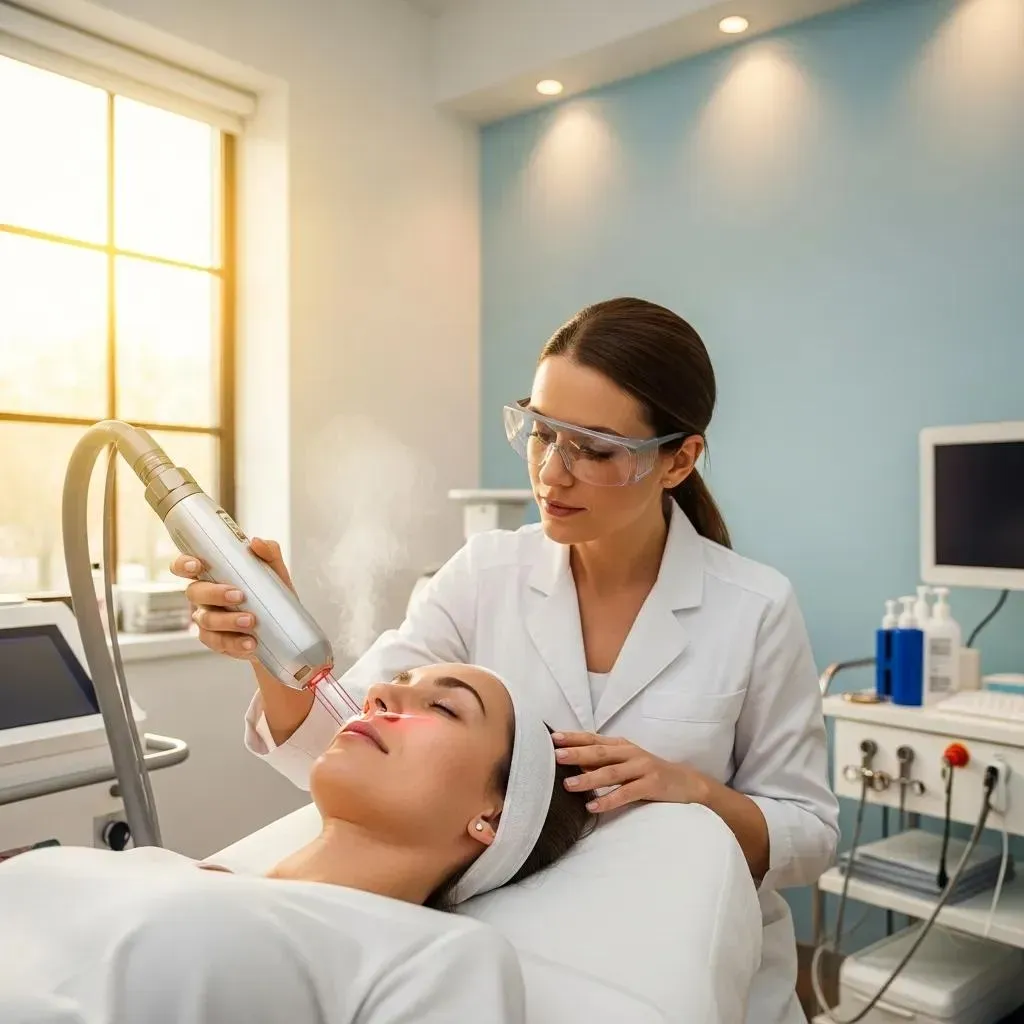
CO2 laser treatment is a fractional resurfacing procedure that uses carbon dioxide energy to remove damaged outer layers of skin and stimulate collagen deep beneath the surface. By precisely vaporizing targeted tissue, the laser encourages new, healthier skin to form and strengthens the skin’s structure over time. Advances in the technology have made treatments more effective while reducing discomfort and recovery time compared with older systems.
How Does CO2 Laser Resurfacing Improve Skin Texture and Appearance?
CO2 resurfacing targets concerns like fine lines, deeper wrinkles, sun damage, and uneven texture. The laser removes damaged cells and triggers a repair response that creates smoother surface skin and boosts collagen, which helps restore firmness and tone. Most patients notice visible improvement in overall skin quality as the healing process progresses.
What Advances in Fractional CO2 Laser Technology Reduce Side Effects?
Modern fractional CO2 systems use computer-guided delivery and smaller, targeted treatment patterns. That precision limits heat to treated zones, protecting surrounding tissue and lowering the chance of complications. These refinements also shorten recovery time and make the procedure more comfortable for patients.
What Are the Common Side Effects and Risks of CO2 Laser Skin Treatment?
CO2 laser treatment is safe when performed by experienced clinicians, but it does carry predictable side effects and some less common risks. Knowing these ahead of time helps you prepare and follow aftercare that supports healing.
Which Side Effects Should Patients Expect After Treatment?
After treatment, many patients experience the following:
- Redness and swelling: Expect moderate redness and swelling that typically lessen over 1–2 weeks.
- Peeling and flaking: As new skin forms, the treated area will slough and renew—this is normal.
- Itching or mild discomfort: Some itching or tenderness is common during the early healing phase.
These effects usually improve within 1–2 weeks when you follow aftercare instructions provided by your clinician.
How Severe and Long-Lasting Are Typical CO2 Laser Complications?
Most complications are uncommon but can be more persistent when they occur. These include:
- Infection: Rare, but possible if post-procedure care is inadequate.
- Scarring: Uncommon, more likely in people prone to keloids or with improper wound care.
- Changes in skin pigmentation: Hyperpigmentation or hypopigmentation can happen, particularly in darker skin types.
Recognizing and preventing post-inflammatory hyperpigmentation is an important part of planning and aftercare for CO2 treatments.
CO2 Laser PIH: Prevention, Risk Factors & Recovery
ABSTRACT: The CO2 laser is a versatile tool in dermatology, used for cosmetic resurfacing and treating a range of lesions. Its precision and relatively quick recovery make it popular, but post-inflammatory hyperpigmentation (PIH) remains a notable adverse effect in some patients. This review examines how often PIH occurs after CO2 laser therapy, what raises the risk, and which preventive strategies have the most evidence behind them.
Because these complications can persist beyond the typical healing window, it’s important to work with a qualified practitioner who can tailor treatment and aftercare to your skin type.
How Long Is the Recovery Time and What Does Aftercare Involve?
Recovery depends on the treatment depth and your individual skin. We’ll outline common timelines and practical steps to support healing and protect your results.
What Is the Typical CO2 Laser Skin Treatment Recovery Timeline?
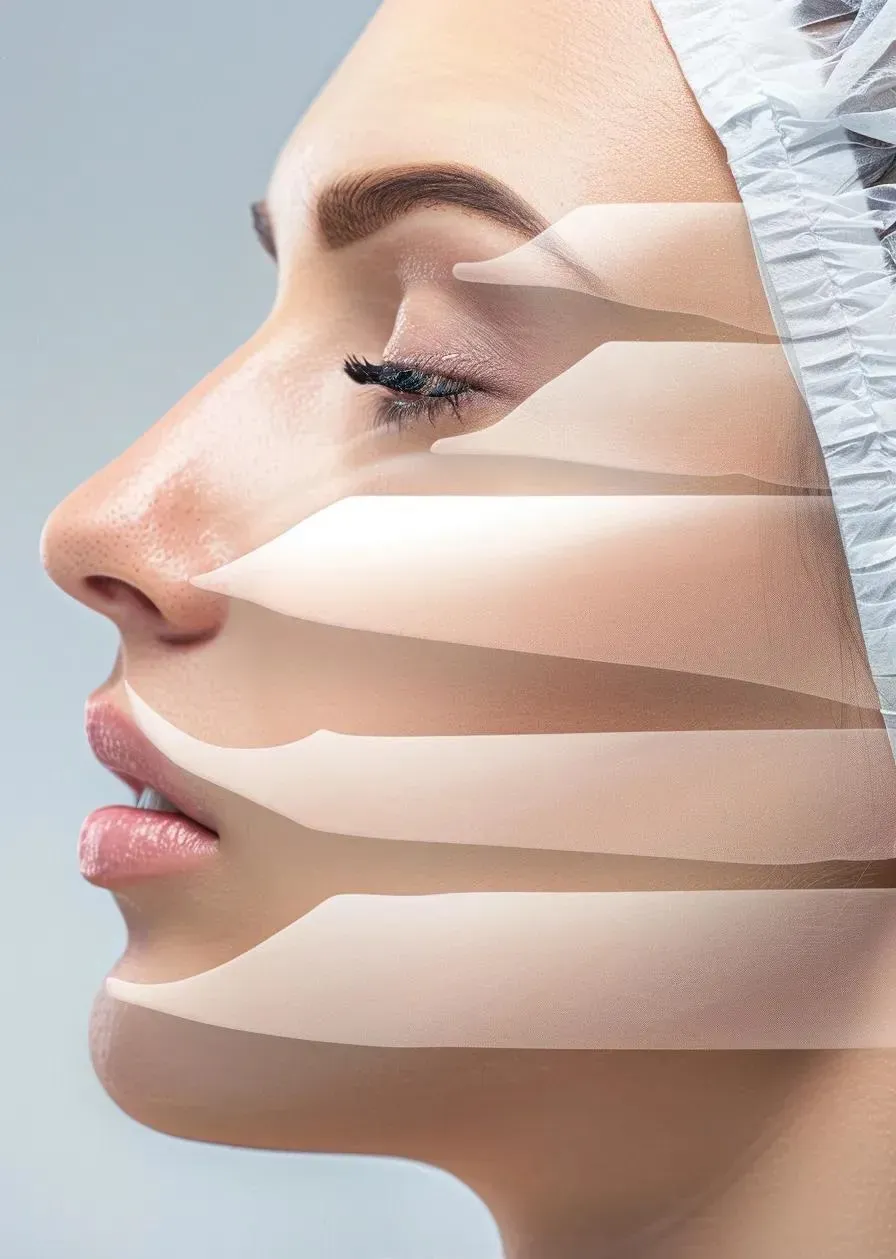
A typical recovery follows three broad stages:
| Stage | Duration | Description |
|---|---|---|
| Initial Healing | 7-14 days | Redness, swelling and peeling are most noticeable during this phase. |
| Skin Rejuvenation | 2-4 weeks | Surface healing progresses and redness fades; new skin texture becomes apparent. |
| Full Recovery | 3-6 months | Collagen remodeling continues and final improvements in tone and fine lines emerge. |
Individual recovery varies, but many patients resume most daily activities within 1–2 weeks with appropriate care.
What Are the Best Practices for Post-Treatment Skin Care and Side Effect Management?

Follow these simple steps to support healing and reduce complications:
- Keep the area clean: Use a gentle cleanser and avoid harsh scrubs while the skin renews.
- Moisturize regularly: Apply a soothing, fragrance-free moisturizer to maintain hydration and barrier repair.
- Avoid sun exposure: Use a broad-spectrum sunscreen and limit direct sun to prevent pigmentation changes.
Following these guidelines helps minimize risks and speeds recovery.
What Are the Benefits of CO2 Laser Skin Treatment Despite Potential Side Effects?
When performed safely, CO2 laser resurfacing delivers meaningful, long-lasting improvements that many patients find worth the temporary recovery.
How Does CO2 Laser Treatment Address Wrinkles and Skin Imperfections?
The laser removes damaged surface layers and triggers collagen production below. That combined effect smooths fine lines, evens skin texture, and improves overall radiance—results many patients report as transformational for their skin.
Why Choose Medically Supervised Treatments at Growing Younger Clinic?
At Growing Younger Clinic, treatments are overseen by experienced medical professionals who tailor settings and aftercare to your skin. This medical supervision helps reduce side effects, manage risk factors, and deliver better, more reliable results.
How Can Patients Prepare for Their CO2 Laser Consultation and Treatment?
Good preparation improves outcomes. Here’s what to expect and how to get ready.
What Should You Expect During Your Consultation at Growing Younger Clinic?
Your consultation includes a review of your medical history, a skin assessment, and a discussion of goals. We’ll explain the procedure, possible side effects, and the aftercare plan so you leave informed and comfortable with the recommended approach.
How Can Personalized Treatment Plans Minimize Side Effects?
Personalized plans consider your skin type, medical history, and aesthetic goals. That allows us to choose appropriate laser settings and supportive therapies to lower the chance of complications and improve healing.
Frequently Asked Questions
What Should I Avoid After CO2 Laser Skin Treatment?
Avoid strenuous exercise, hot baths, saunas, and activities that cause heavy sweating for at least a week, as these can increase swelling and irritation. Do not pick at scabs or peeling skin—this raises the risk of scarring and infection. Protect healing skin from sun exposure and use a broad-spectrum sunscreen daily.
How Can I Tell If I Am Experiencing Complications After Treatment?
Normal healing includes some redness and mild discomfort. Contact your provider if redness, swelling, or pain worsens after the first few days, if you develop a fever, or if you notice excessive bleeding or unexpected changes in pigmentation—these may signal infection or other complications requiring prompt care.
Can CO2 Laser Treatment Be Combined with Other Procedures?
Yes. In some cases, CO2 laser resurfacing is combined with treatments like chemical peels or fillers to enhance outcomes. Discuss combination plans during your consultation so timing and safety are addressed for your skin type and goals.
What Is the Cost of CO2 Laser Skin Treatment?
Costs vary by treatment area, practitioner experience, and clinic location. Typical ranges are approximately $1,000 to $3,000 per session. We recommend a consultation for an accurate quote and to discuss financing if needed.
How Long Do the Results of CO2 Laser Treatment Last?
Results commonly last several years—many patients enjoy benefits for 3–5 years depending on age, lifestyle, and sun protection. Periodic touch-ups and a consistent skincare routine help maintain results.
Are There Any Specific Skin Types That Should Avoid CO2 Laser Treatment?
Individuals with darker skin tones have a higher risk of post-inflammatory hyperpigmentation and should be evaluated carefully. Active skin infections, certain autoimmune disorders, or a history of keloid scarring may also make CO2 resurfacing less suitable. A thorough consultation will determine your candidacy.
Is CO2 Laser Treatment Painful and What Are the Risks?
Most people feel mild to moderate discomfort during the procedure—often compared to snaps from a rubber band. Topical anesthetics and other comfort measures are used to reduce pain. Risks include temporary redness and swelling; rare risks include scarring or infection when care guidelines aren’t followed.
How Can Side Effects Be Managed Effectively at Home?
Follow your clinician’s aftercare instructions: keep the area clean, apply recommended moisturizers, and protect from sun. If you experience severe pain, signs of infection, or unexpected changes, contact your practitioner promptly for guidance.
For a holistic approach to appearance and wellness, you may also be interested in our medical weight loss services, which can support broader health goals alongside aesthetic treatments.
Conclusion
CO2 laser resurfacing can deliver meaningful improvements in texture and wrinkles when planned and supervised by medical professionals. Understanding likely side effects, realistic recovery timelines, and solid aftercare helps you make an informed choice. At Growing Younger Clinic, we personalize treatment to your skin and goals—if you’re ready to explore whether CO2 resurfacing is right for you, schedule a consultation with our team.