Back
May 18, 2026 | Nic Nemeses
Unlocking the Benefits of Bioidentical Hormone Therapy
Discover insights and ideas that matter to you
Unlocking the Benefits of Bioidentical Hormone Therapy: Expert Insights on Hormone Replacement Therapy Benefits and Consultation

Bioidentical hormone therapy (BHT) is a clinical approach to restore hormonal balance and improve well‑being using hormones structurally identical to those the body produces. This article highlights key benefits for adults aged 30–65 — including effects on energy, mood, and vitality — and summarizes treatment options, delivery methods, and personalized planning at Growing Younger Clinic.
Understanding BHT helps patients make informed care decisions. Below we summarize benefits, supporting evidence, and candidate criteria. For more information about our services, please contact us.
What Are the Key Benefits of Bioidentical Hormone Therapy for Adults Aged 30-65?

BHT can restore hormonal balance and improve quality of life in adults 30–65. Patients often report increased energy, more stable mood, and clearer cognition. Addressing age‑related hormonal changes such as fatigue, mood variability, and cognitive slowing can support daily function and vitality.
- Increased Energy and Vitality : Hormonal restoration can boost energy levels and help individuals participate more fully in daily life.
- Improved Mood and Cognitive Clarity : Many patients report better mood stability and cognitive function with balanced estrogen, progesterone, and testosterone.
- Better Sleep Quality : Restoring hormonal balance often improves sleep patterns and nightly rest.
How Does Hormone Optimization Improve Energy, Mood, and Vitality?
Optimizing hormone levels supports metabolic function, nutrient use, and neurotransmitter balance. These physiological effects can increase energy, stabilize mood, and sharpen mental clarity.
What Scientific Evidence Supports the Safety and Efficacy of Bioidentical Hormones?
Clinical studies show bioidentical hormones can reduce menopausal and andropause symptoms (for example, hot flashes and night sweats) and improve patient‑reported quality of life. Adverse effects can mirror those of conventional hormone therapies, so clinical judgment and monitoring remain important.
What Are the Differences Between Hormone Pellets, Creams, and Other Delivery Methods?
Delivery choice depends on goals and lifestyle. Pellets offer steady release and less frequent dosing; creams allow flexible topical dosing; injections act quickly and permit precise dosing but are given more often. Discuss options with your provider to choose the best fit.
How Are Personalized Hormone Therapy Plans Developed for Individual Needs?

Personalized plans start with a comprehensive assessment: hormone testing, medical history, symptoms, and health goals. Laboratory results guide selection and dosing so clinicians can tailor therapy and monitor response.
Who Is an Ideal Candidate for Bioidentical Hormone Therapy and How Is Eligibility Assessed?
Ideal candidates are adults with symptoms suggestive of hormonal imbalance (for example, fatigue, mood swings, or reduced libido). Eligibility is based on symptom review, medical history, and laboratory hormone testing to identify those most likely to benefit.
What Hormone Imbalance Symptoms Indicate the Need for Therapy?
Common symptoms that may indicate hormonal imbalance include:
- Fatigue : Persistent tiredness not relieved by rest.
- Mood Swings : Unexplained mood changes, including irritability or anxiety.
- Weight Changes : Unexplained weight gain or loss unrelated to diet or exercise.
Recognizing these signs helps guide targeted hormone assessment and therapy.
How Does the Consultation Process Ensure Personalized and Safe Treatment?
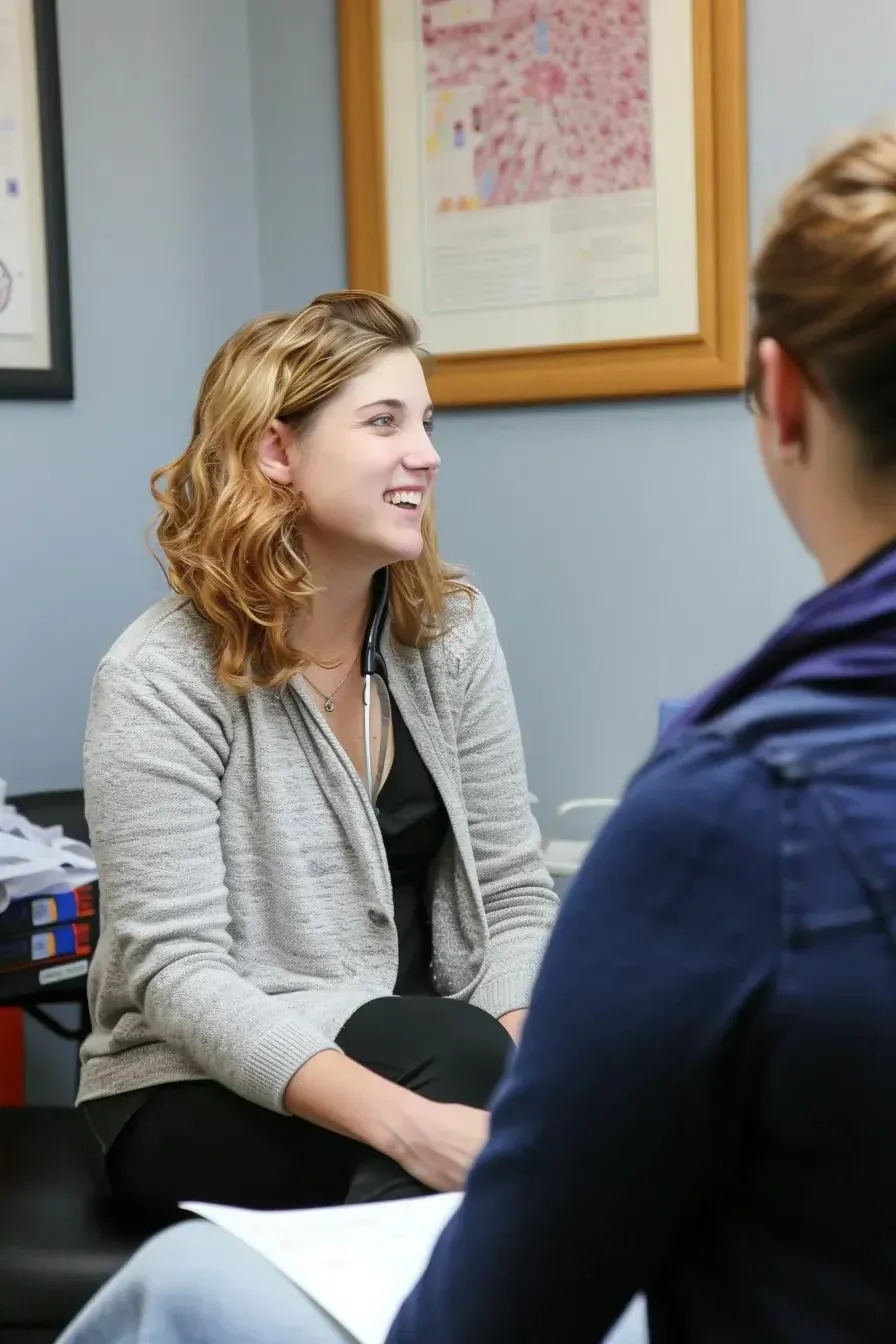
Growing Younger Clinic's consultation includes detailed history, symptom review, and laboratory testing. Results inform a tailored treatment plan and a follow‑up schedule to monitor safety and effectiveness.
What Are the Common Side Effects and Safety Considerations of Bioidentical Hormone Therapy?
BHT is generally well tolerated but can cause mild headaches, local skin irritation, or mood changes. Report adverse effects so doses can be adjusted. Regular hormone monitoring is a key safety practice.
How Does Growing Younger Clinic Monitor and Manage Potential Risks?
We follow a proactive risk‑management protocol with scheduled follow‑ups to assess hormone levels and clinical response. Clinicians adjust therapy as needed and educate patients to recognize and report side effects.
What Are the Differences Between Bioidentical and Traditional Hormone Replacement Therapies?
Bioidentical hormones are derived from plant precursors and are structurally identical to endogenous hormones, while some conventional therapies use synthetic compounds. Bioidentical approaches are often individualized, which may affect perceived side‑effect profiles and patient preference.
Research indicates patients are attracted to bioidentical hormone therapy for perceived effectiveness, safety, and personalized care.
Patient Motivations for Bioidentical Hormone Therapy: Effectiveness & Personalized Care
Participants reported choosing compounded bioidentical hormone therapy (CBHT) because they perceived it to be (1) effective in managing menopausal symptoms, (2) safer than conventional hormone therapy, (3) tailored to their individual bodies and needs, and (4) accompanied by enhanced clinical care and attention.
Why women choose compounded bioidentical hormone therapy: lessons from a qualitative study of menopausal decision-making, JJ Thompson, 2017
To learn more about anti-aging solutions, visit our website.
Frequently Asked Questions
What is the typical duration of bioidentical hormone therapy treatment?
Duration varies by individual. Many patients continue therapy for months to years depending on goals and response. Regular follow‑ups guide dose adjustments and decisions about ongoing maintenance.
Are there any lifestyle changes recommended alongside bioidentical hormone therapy?
Yes. Diet rich in nutrients, regular exercise, stress management, and good sleep support hormonal balance. Limiting alcohol and avoiding tobacco also improves outcomes.
How often should patients have follow-up appointments during therapy?
Follow‑ups are typically every 3 to 6 months, personalized to response. Visits allow blood testing, assessment of side effects, and dose changes.
Can bioidentical hormone therapy be used for both men and women?
Yes. BHT treats hormonal imbalances in both sexes — for example, menopausal symptoms in women and low testosterone in men. Treatment is individualized to each patient's needs.
What should patients expect during their initial consultation for bioidentical hormone therapy?
Expect a thorough evaluation of medical history, symptoms, and goals, plus laboratory tests to assess hormone levels. The assessment informs a personalized, safety‑focused treatment plan.
Are there any contraindications for bioidentical hormone therapy?
Contraindications include a history of hormone‑sensitive cancers (such as breast or prostate cancer) and certain uncontrolled medical conditions. A full evaluation identifies individual risks and suitability.
Conclusion
BHT offers a natural, individualized approach to restoring hormonal balance, with potential benefits for energy, mood, sleep, and vitality. Understanding options and safety measures supports informed decisions. If you are ready to explore BHT, we invite you to contact us to schedule a consultation and discuss a tailored plan.