Back
August 15, 2026 | Jamey Wagner
Best Supplements for Aging Skin and Professional Treatments That Work Together!
Aging skin responds best to a complete plan, not a single pill or procedure. Collagen may support hydration and elasticity, while vitamin C supports collagen formation. Professional treatments can target texture, hydration, light wrinkles, or volume loss. Medical assessment helps match supplements and aesthetics to your health, goals, medications, skin needs, and safety.
Most people notice aging skin before they notice anything else: a little dryness, softer facial contours, uneven tone, or lines that seem deeper. That does not mean your skin is failing. Aging changes skin structure. Collagen and elastin decline, skin becomes thinner, and hormonal shifts can increase dryness. Sun exposure adds damage. Your goal is not to stop aging, but support healthier skin.
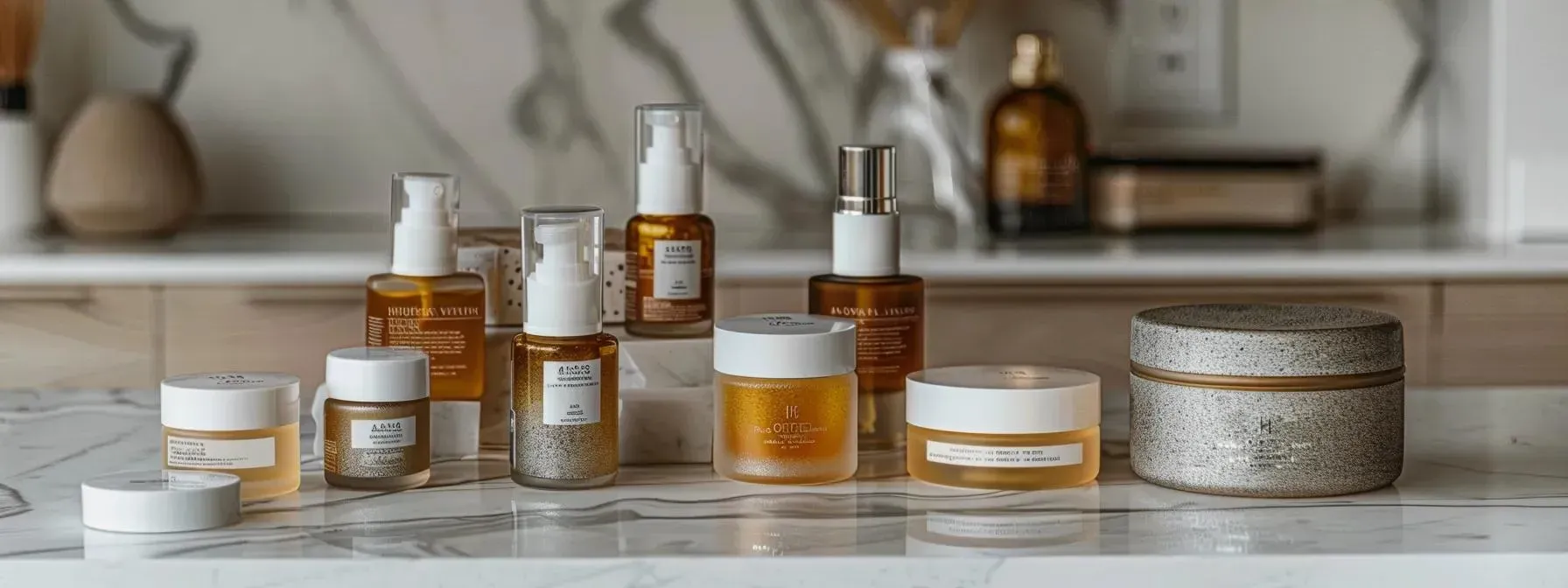
The best supplements for aging skin are not one-size-fits-all. Collagen peptides have promising research, while vitamin C supports collagen production. Other nutrients matter mainly when your diet or lab results show a need.
What are the best supplements for aging skin?
Collagen peptides are among the most studied supplements for visible skin aging. Some trials report better hydration and elasticity, but newer reviews question the strength of this evidence. Results are not guaranteed. Vitamin C has a clear biological role. Your
body needs it to make collagen and support normal wound healing. Food should
come first, with supplements used when intake is inadequate or recommended.
If you search for the best skin care supplements for aging skin, remember that supplements cannot replace a balanced diet. Vitamin D, zinc, vitamin E, and biotin may help when intake is low or deficiency is confirmed. Vitamin D deserves a careful approach. It supports many body functions, but taking extra vitamin D does not automatically make aging skin look younger. Testing can help identify deficiency before
supplementation. Zinc, vitamin E, biotin, and other nutrients support normal body functions when you lack them. More is not better. High doses can cause side effects or interfere with medicines.
Why supplements cannot replace professional skin treatments
Supplements work through your body. Professional treatments work directly on the skin or underlying tissue. That difference matters when you want to improve hydration, texture, pigmentation, wrinkles, or lost facial volume with targeted care. A practical plan can pair nutrition with treatments that match your concern. Think of supplements as supporting the foundation, while aesthetic procedures address specific visible changes. Neither should promise to stop aging.
Which professional treatments can complement your routine?
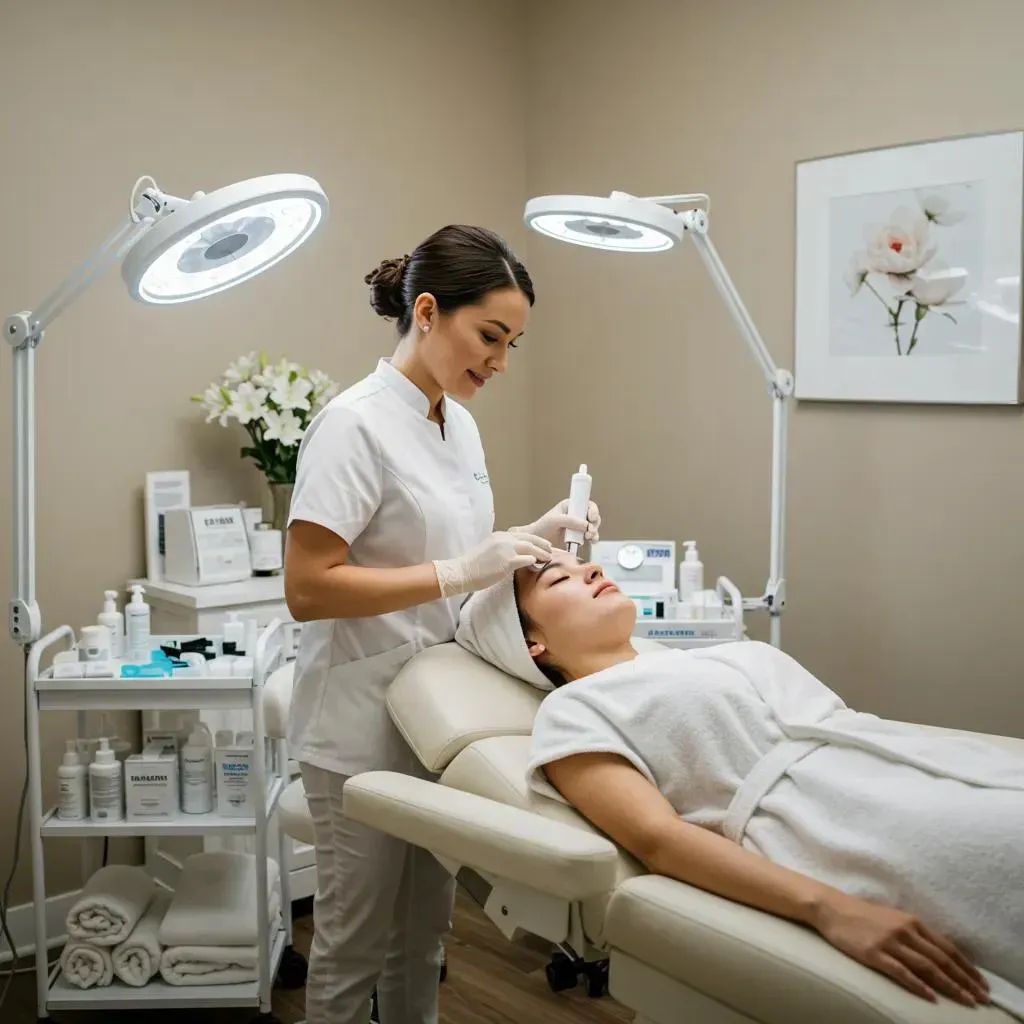
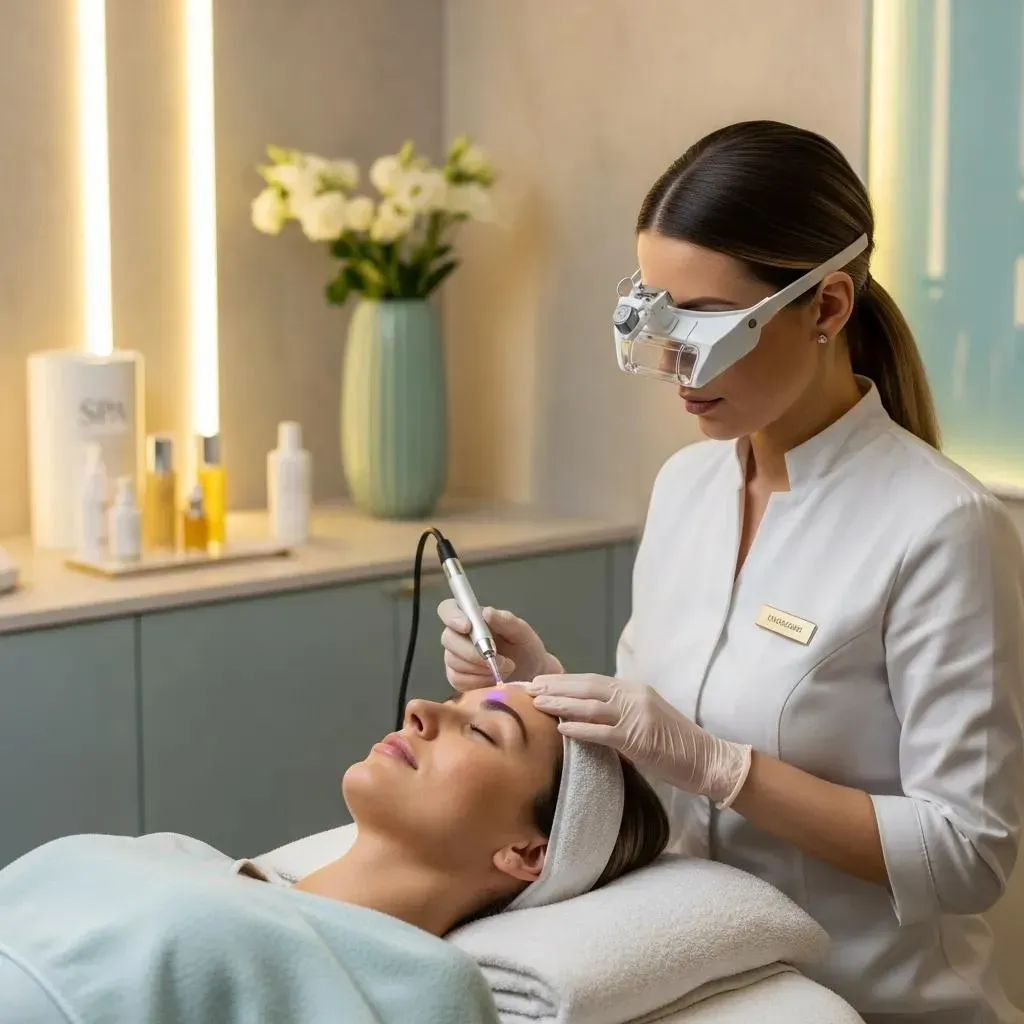
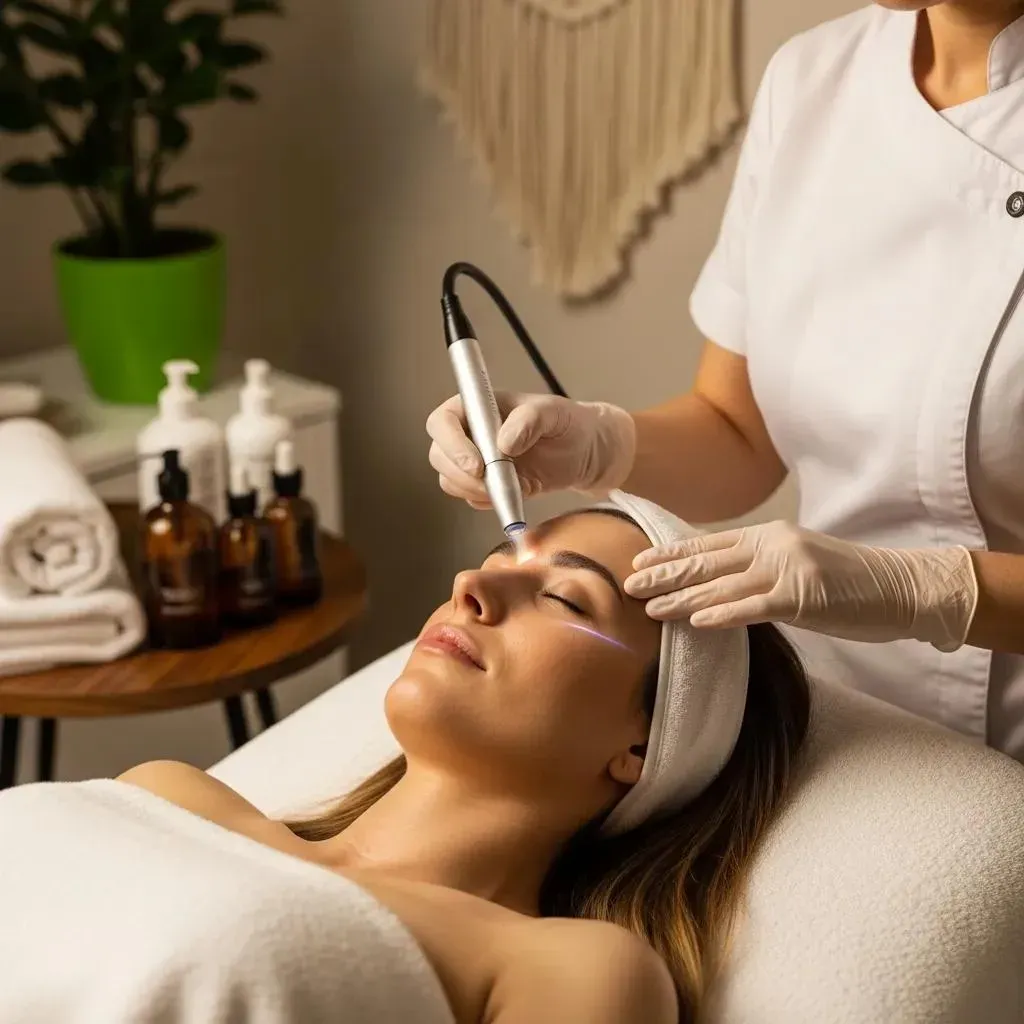
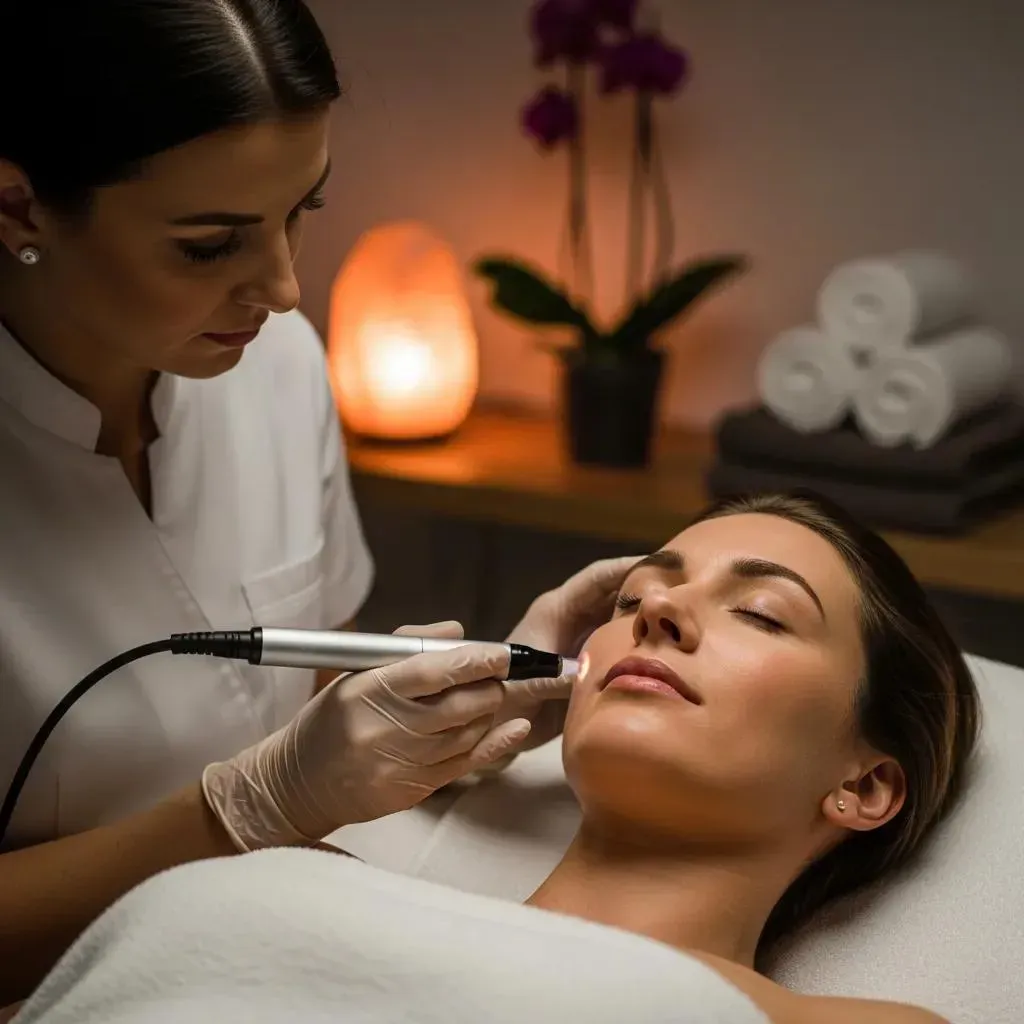
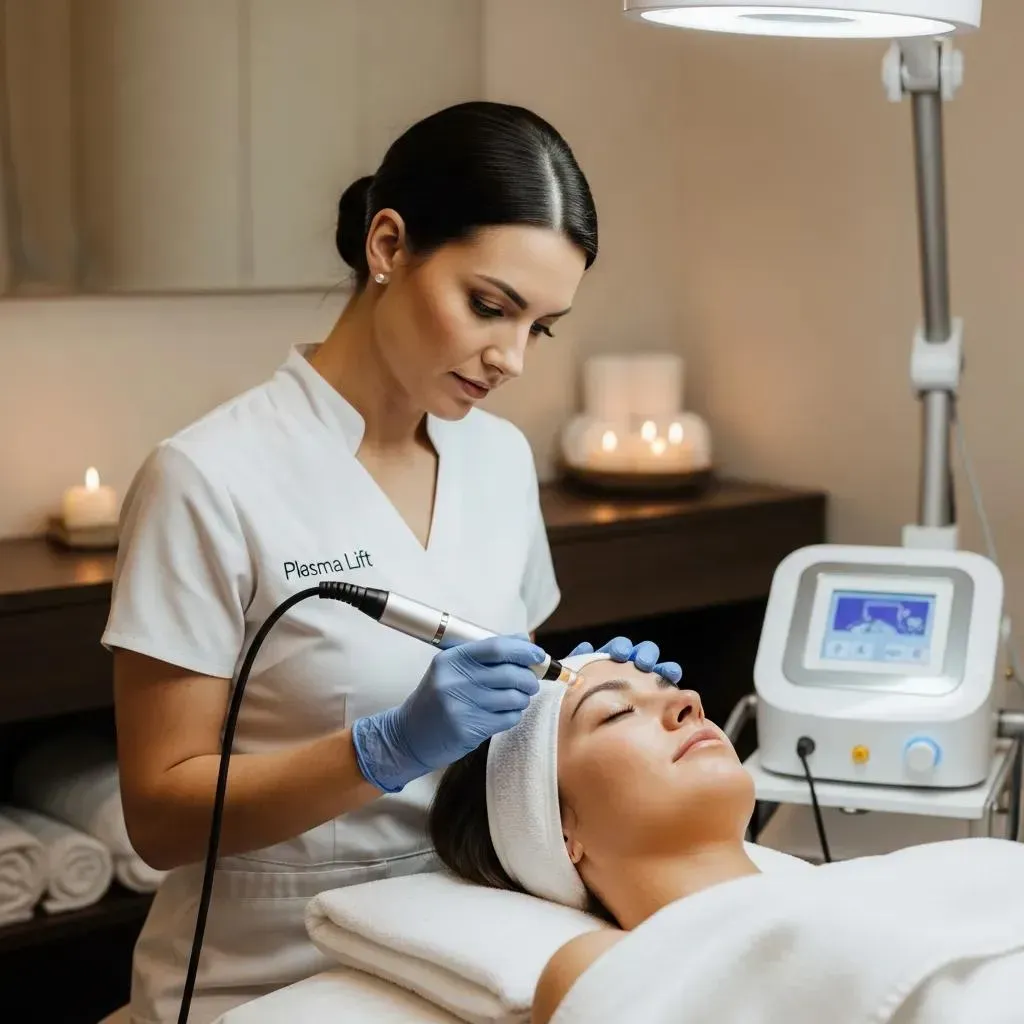
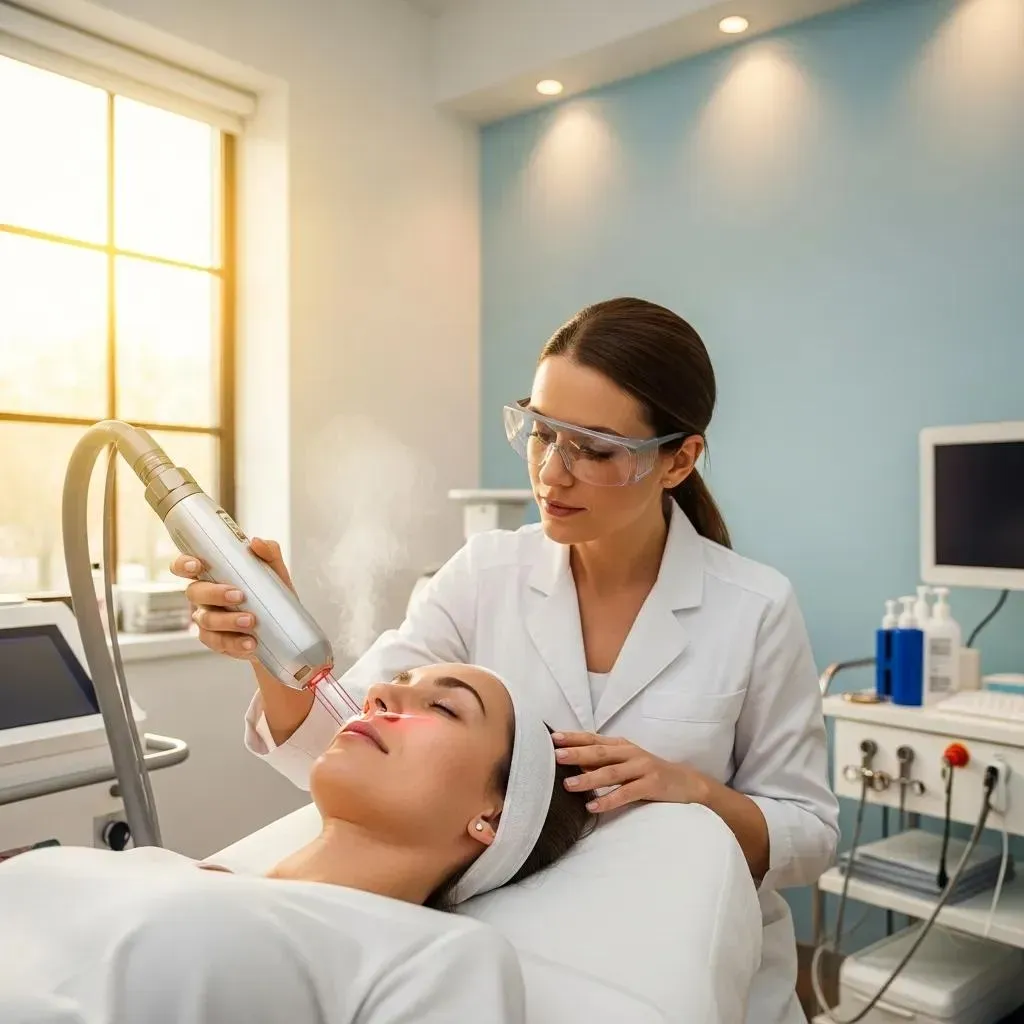
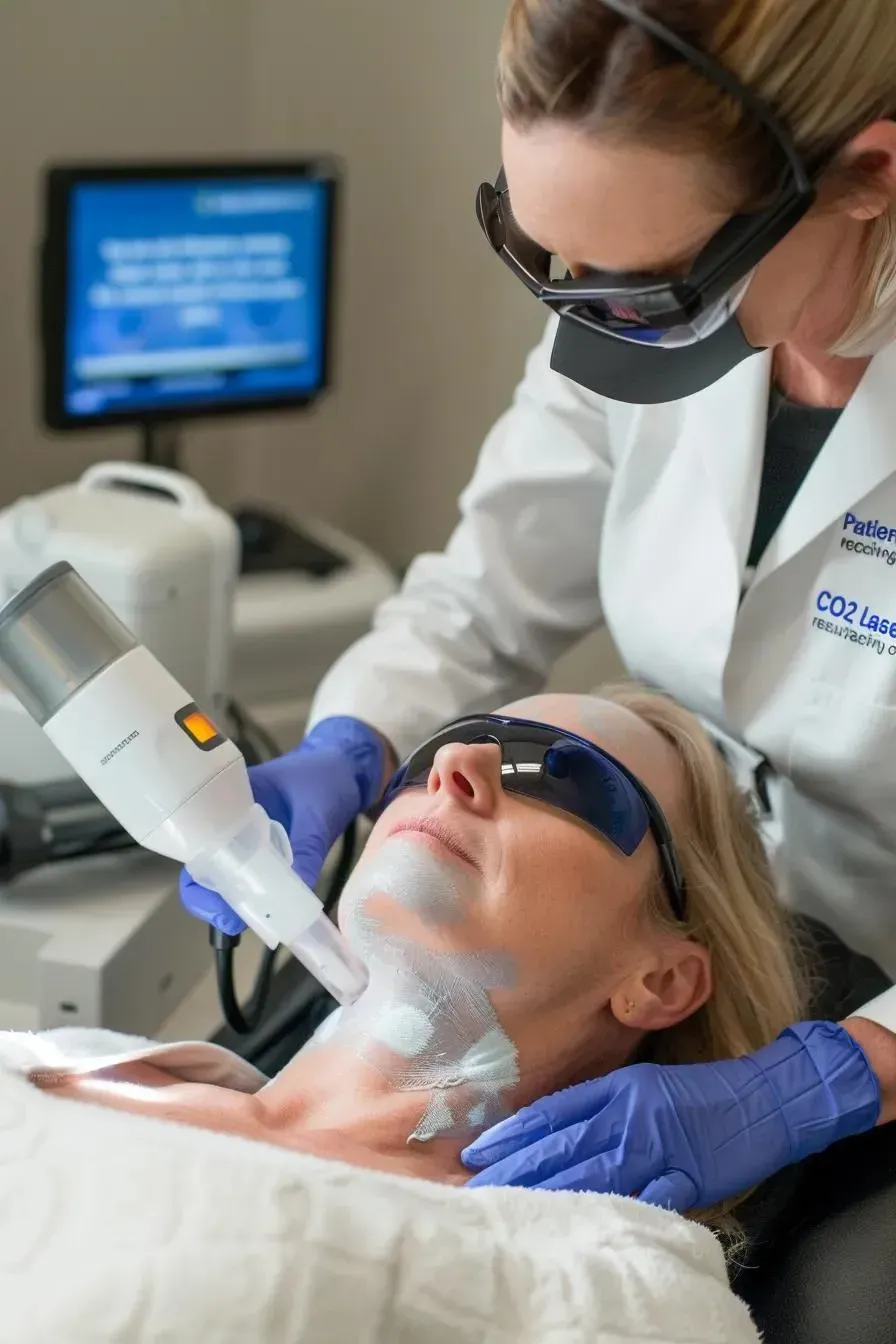
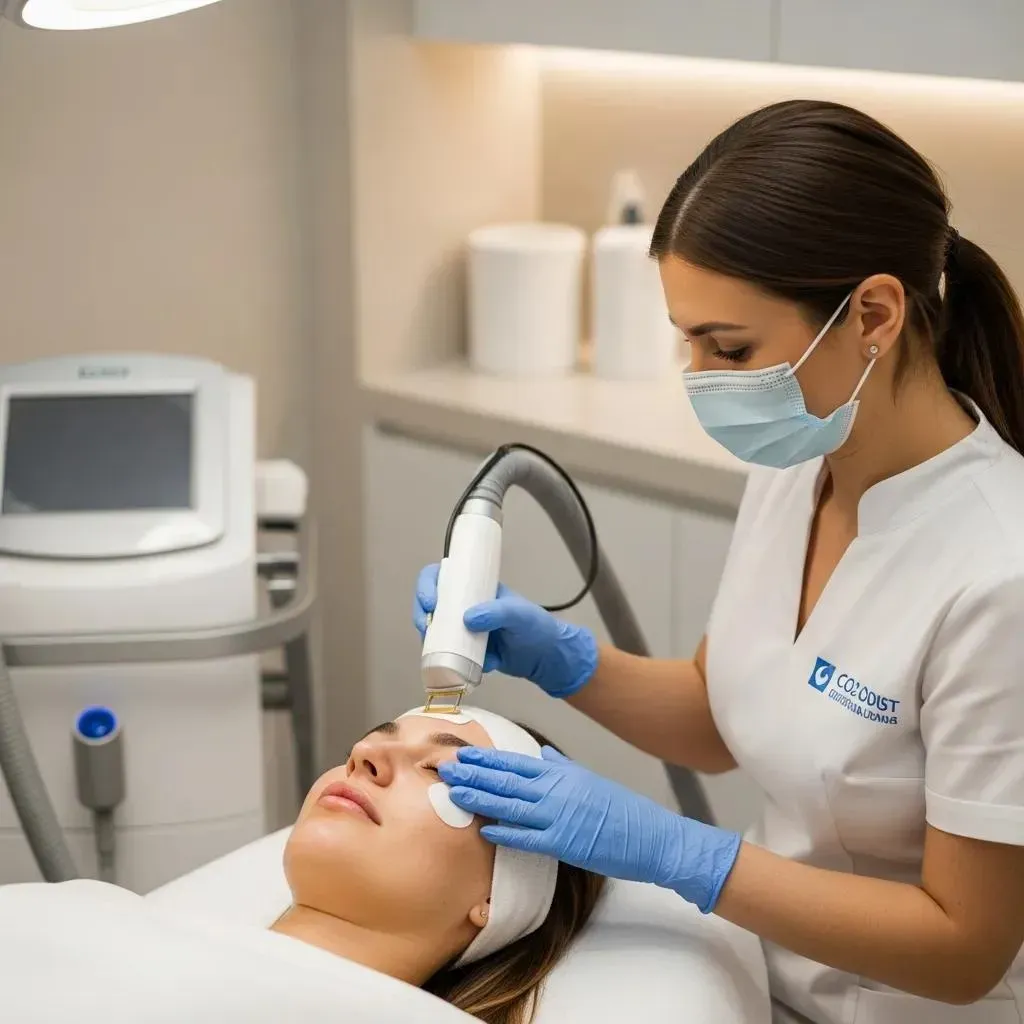
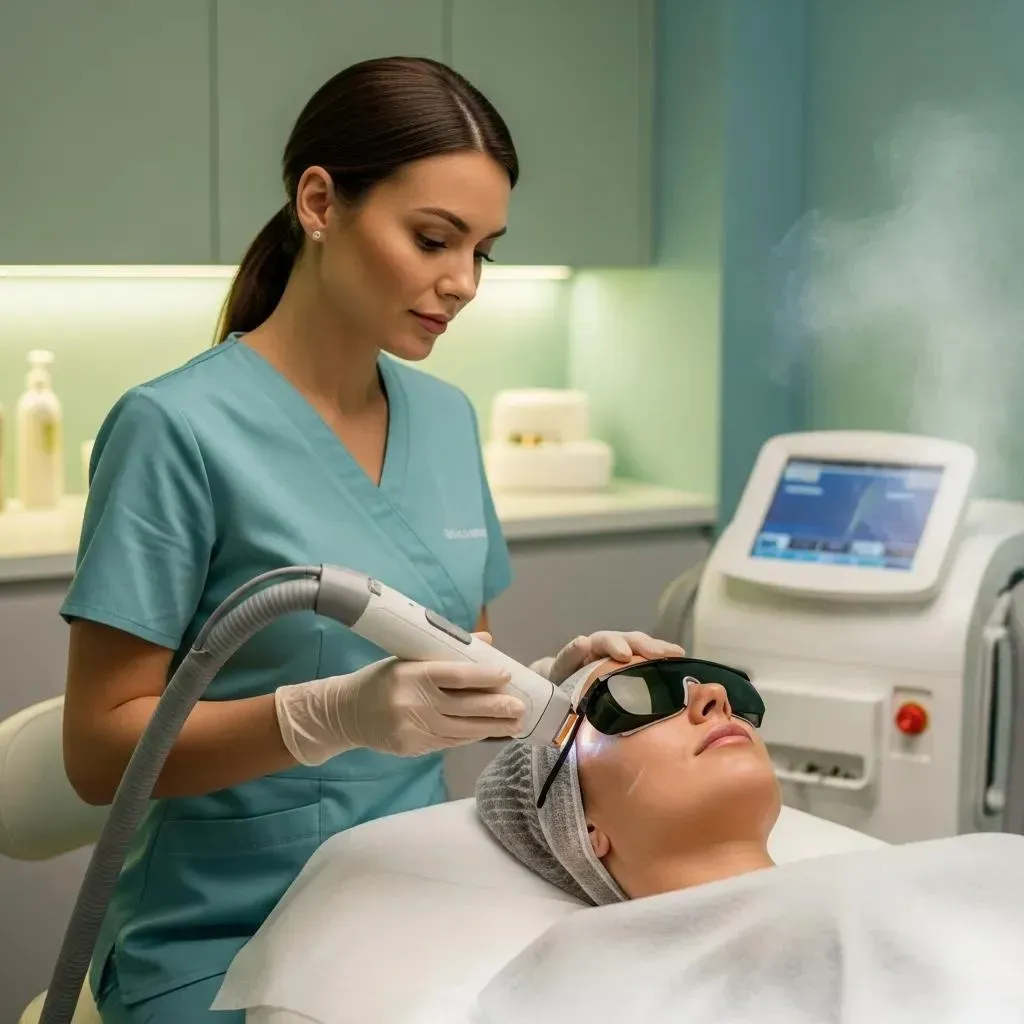
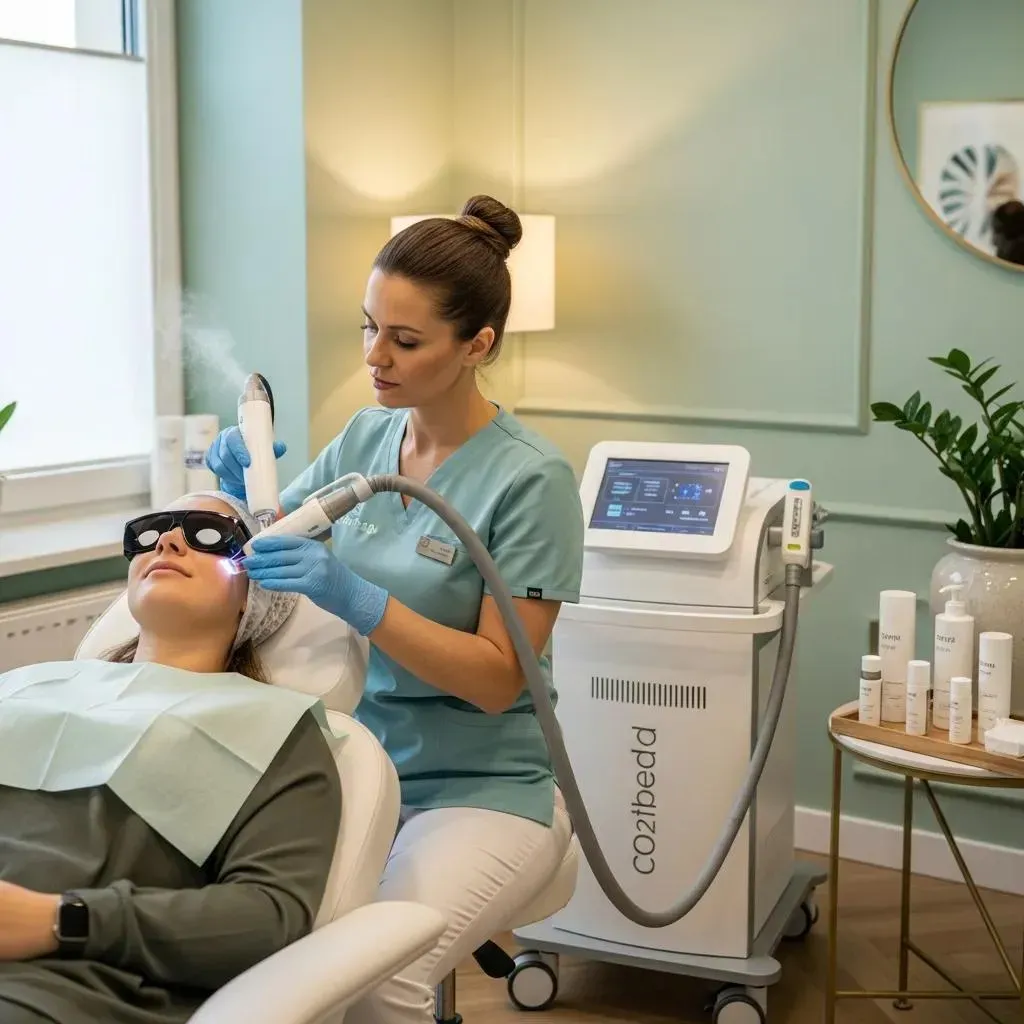
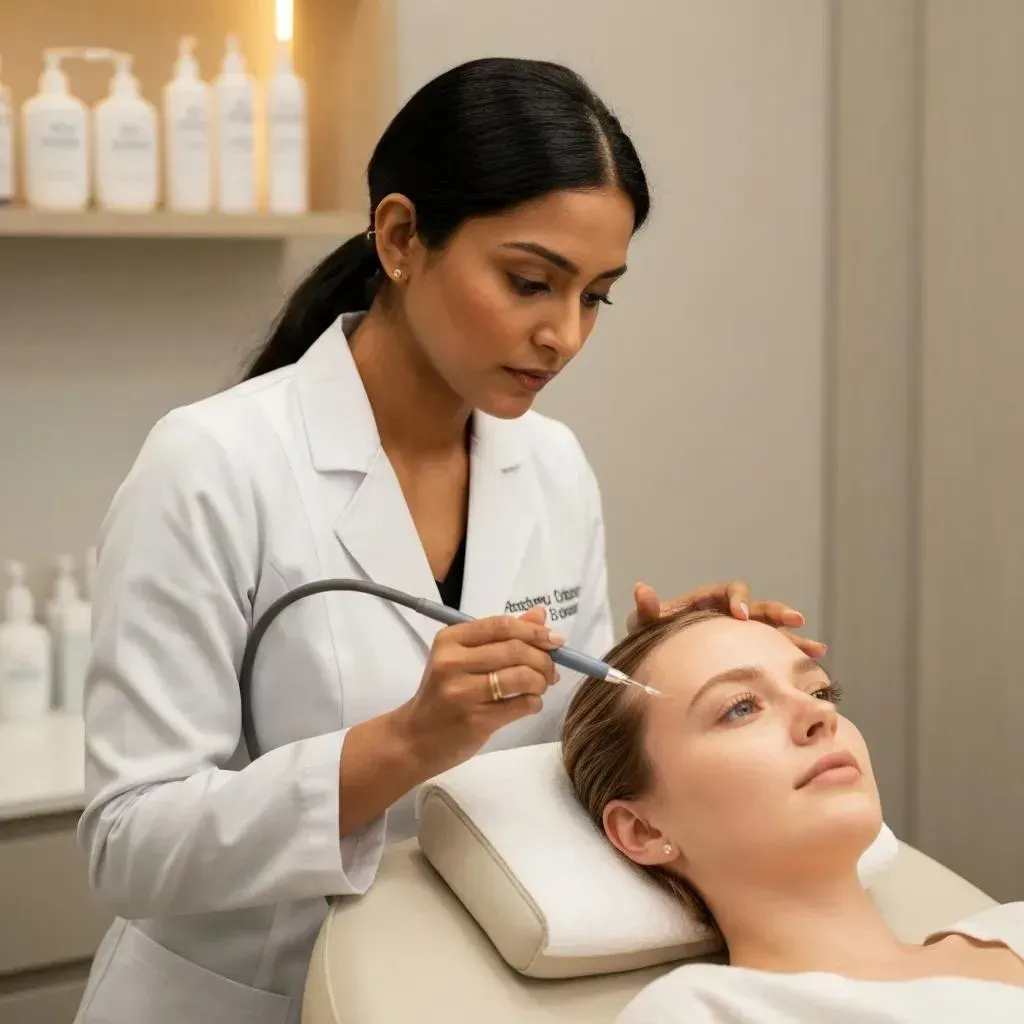
A professional hydrafacial can cleanse, exfoliate, extract impurities, and hydrate the skin in one non-invasive session. It can be useful when dullness, dryness, congestion, or uneven texture is your main concern. Red light therapy uses low-level light, and certain devices are FDA-cleared for wrinkle reduction. Device specifications and treatment goals matter. Proper eye protection and screening remain essential.
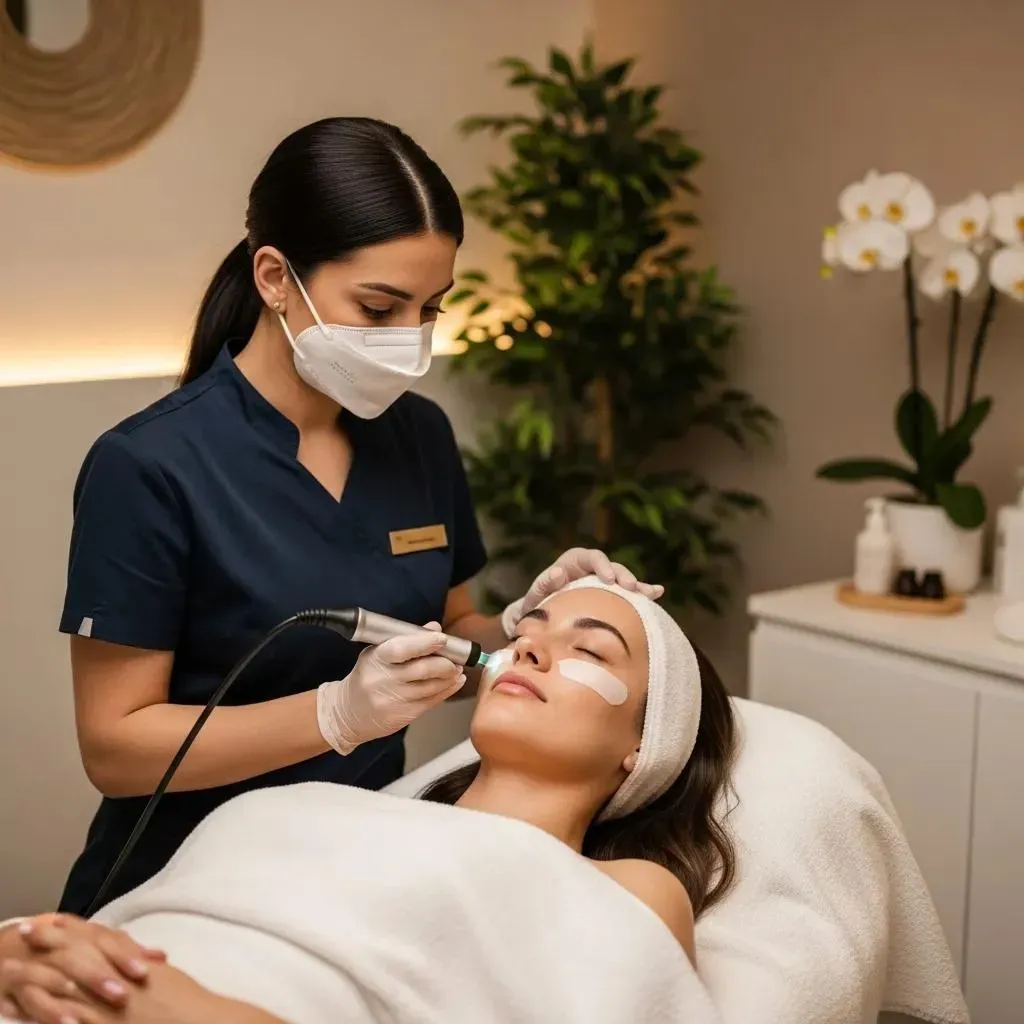
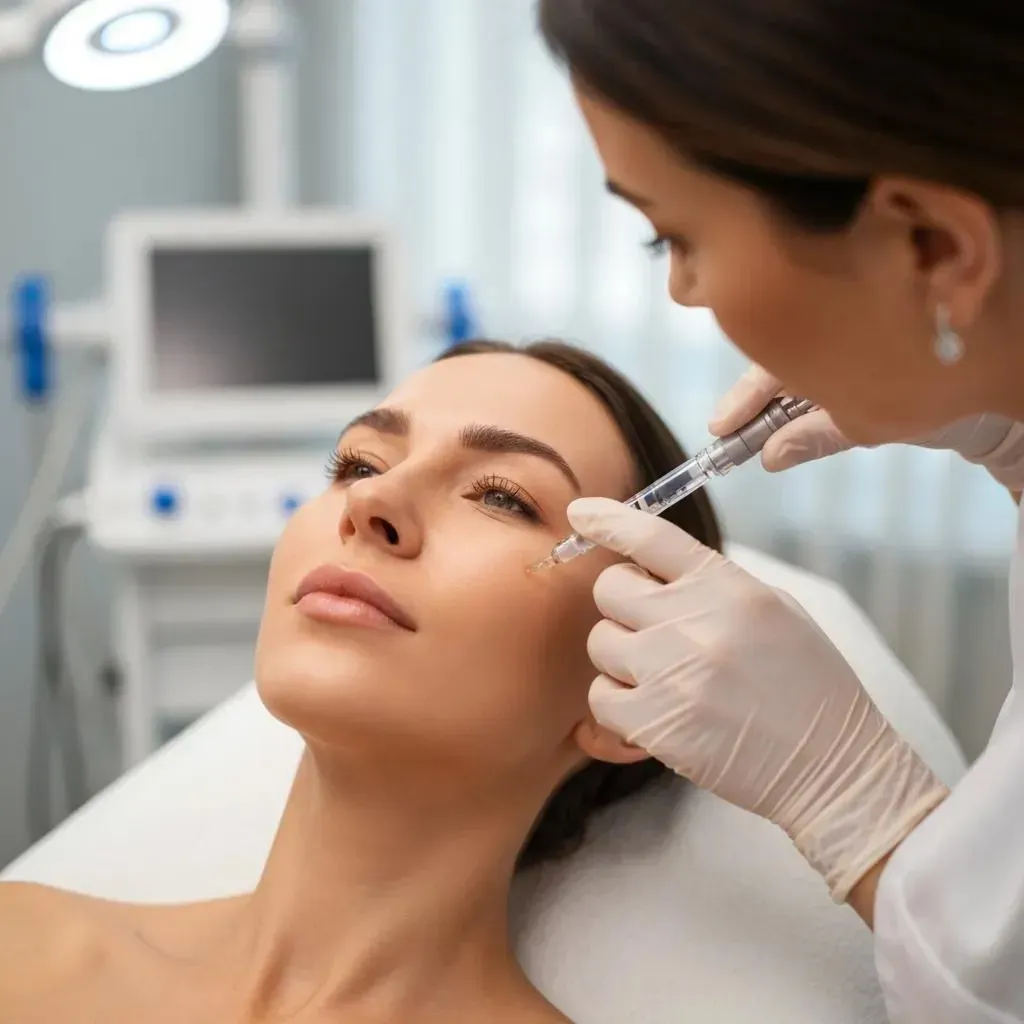
A red light therapy treatment may fit a maintenance plan when you prefer gentle, non-invasive care. It should be selected by a trained provider, especially if you have photosensitivity or take photosensitizing medicines. Cosmetic dermal fillers can restore lost facial volume and soften selected lines or contours. They do not rebuild your entire skin structure, and results depend on product choice, anatomy, technique, and realistic goals. Fillers also carry medical risks, including bruising, swelling, infection, lumps, and rare but serious blood-vessel complications. That is why trained medical oversight matters, especially when treating areas near the eyes.
How do you combine supplements and treatments safely?
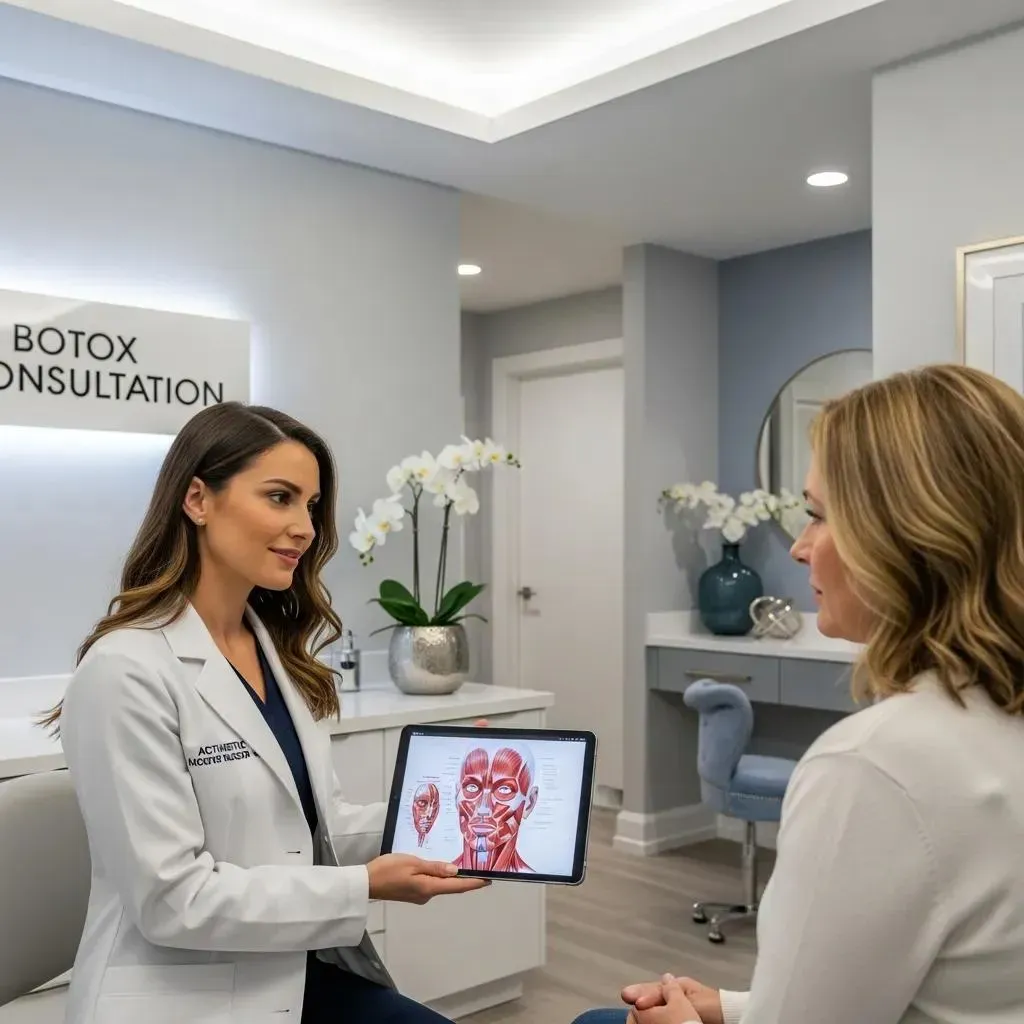
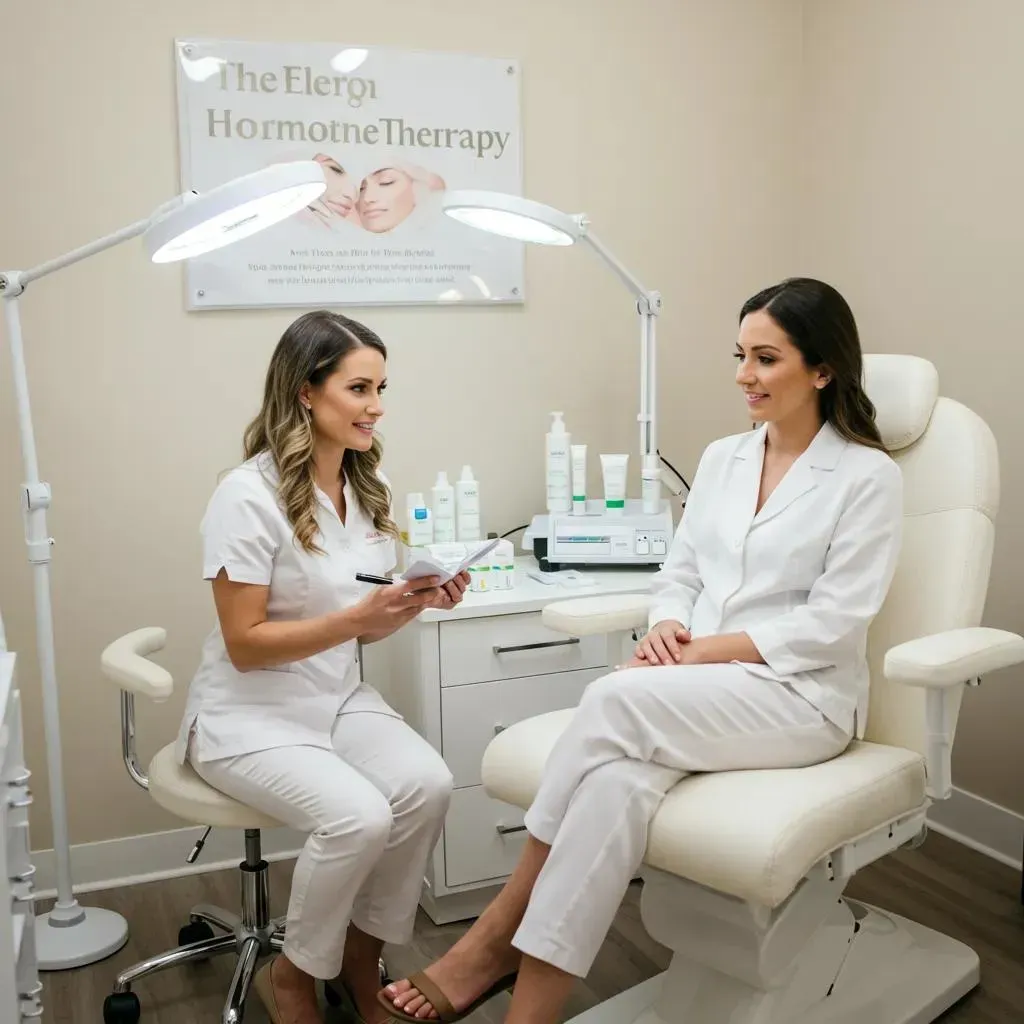
Start with the problem, not the product. Ask whether your main concern is dryness, pigmentation, fine lines, volume loss, texture, or overall wellness. Your answer changes the treatment plan and priorities. Next, review your diet, medications, medical history, and supplements. This step can prevent unnecessary products and reduce interaction risks. FDA does not approve dietary supplements for safety or effectiveness before sale. Then choose treatments based on evidence and skin assessment. A consultation may include medical history, examination, photographs, and digital imaging. These tools help your clinician compare changes over time instead of relying only on memory. Your plan should also include daily sun protection. Broad-spectrum SPF 30 or higher helps reduce UV-driven premature aging. Moisturizer, adequate nutrition, sleep, exercise, and avoiding tobacco support the bigger picture.
What does an integrative anti-aging plan look like?
Imagine your plan as three connected layers. First comes internal support: balanced nutrition, targeted supplements when appropriate, healthy weight, movement, sleep, and medical evaluation of concerns such as hormone changes. Second comes skin maintenance. Your clinician may recommend sunscreen, moisturizer, retinoid-based skincare when suitable, and simple habits that protect the skin barrier. Consistency usually beats a crowded routine. Third comes targeted aesthetics. Depending on your goals, that might include hydration-focused facials, light-based treatments, fillers, or another medically appropriate option. The treatment should solve a defined problem, not chase every trend or promise perfection. This approach can reveal something easy to miss. Low energy, weight changes, sleep problems, or skin changes may deserve medical assessment rather than another beauty supplement. Wellness and aesthetics can overlap without becoming identical.
How should you choose a medical spa?
Look for physician-led care, clear treatment goals, qualified clinicians, appropriate device use, and honest discussions about benefits and risks. Ask who performs each procedure and what happens if a complication occurs. Personalization should be more than choosing a serum from a menu. A strong clinic reviews your health, goals, medications, skin condition, and previous treatments before recommending your plan for care. Be cautious with promises of instant reversal, permanent results, or miracle supplements. Aging is normal biology. Good care helps you look and feel healthier while respecting your natural biology and goals.
The smartest next step for healthier-looking skin
You do not need to choose between supplements and professional treatments. The better question is which combination fits your body, skin, goals, budget, medical history, schedule, and treatment needs. For many adults, the foundation is simple: protect your skin from UV exposure, eat well, correct nutrient gaps, and use evidence-based skincare. Then add professional treatments when a specific concern needs more help. If you have been looking for the best supplements for aging skin, at Growing Younger Clinic, we create personalized, physician-supervised plans. Email info@growingyoungerclinic.com or call (256) 325-6398 to schedule your
consultation.
FAQs
Are collagen supplements proven to reverse skin aging?
No. Research is mixed. Some trials report improved hydration or elasticity, while newer analyses question study quality. Collagen is optional support, not a guaranteed treatment.
Can vitamin C supplements improve wrinkles?
Vitamin C is required for collagen production, but taking extra does not guarantee fewer wrinkles. Food sources are preferred, while supplements can help when your dietary intake is low.
Can I combine supplements with dermal fillers?
Possibly, but your clinician should review every supplement and medication first. Some products may affect bleeding risk or interact with treatment plans, so disclose everything you take.
How often should you get professional skin treatments?
There is no universal schedule. Frequency depends on your skin, treatment type, recovery, goals, and medical history. Your clinician should create a schedule after assessment.
What matters most for aging skin?
Daily sun protection, balanced nutrition,suitable skincare, healthy habits, and appropriate medical treatment matter more than any single supplement. Consistency supports long-term skin health.