Back
October 16, 2026 | Jamey Wagner
CO2 Resurfacing and Facial Renewal: What to Know About Treatment Selection!
CO2 laser resurfacing can improve selected wrinkles, acne scars, sun damage, and uneven skin texture by removing damaged tissue and stimulating collagen remodeling. The right treatment depends on your skin type, medical history, goals, and recovery needs. A personalised medical assessment helps you understand potential benefits, risks, alternatives, aftercare, and realistic results before making a decision.
A common myth says CO2 laser resurfacing is only for deep wrinkles or older skin. In reality, treatment selection depends on your skin concerns, health, goals, and ability to recover. Let’s get you the details -
What Is CO2 Laser Resurfacing, and How Does It Renew Your Skin?
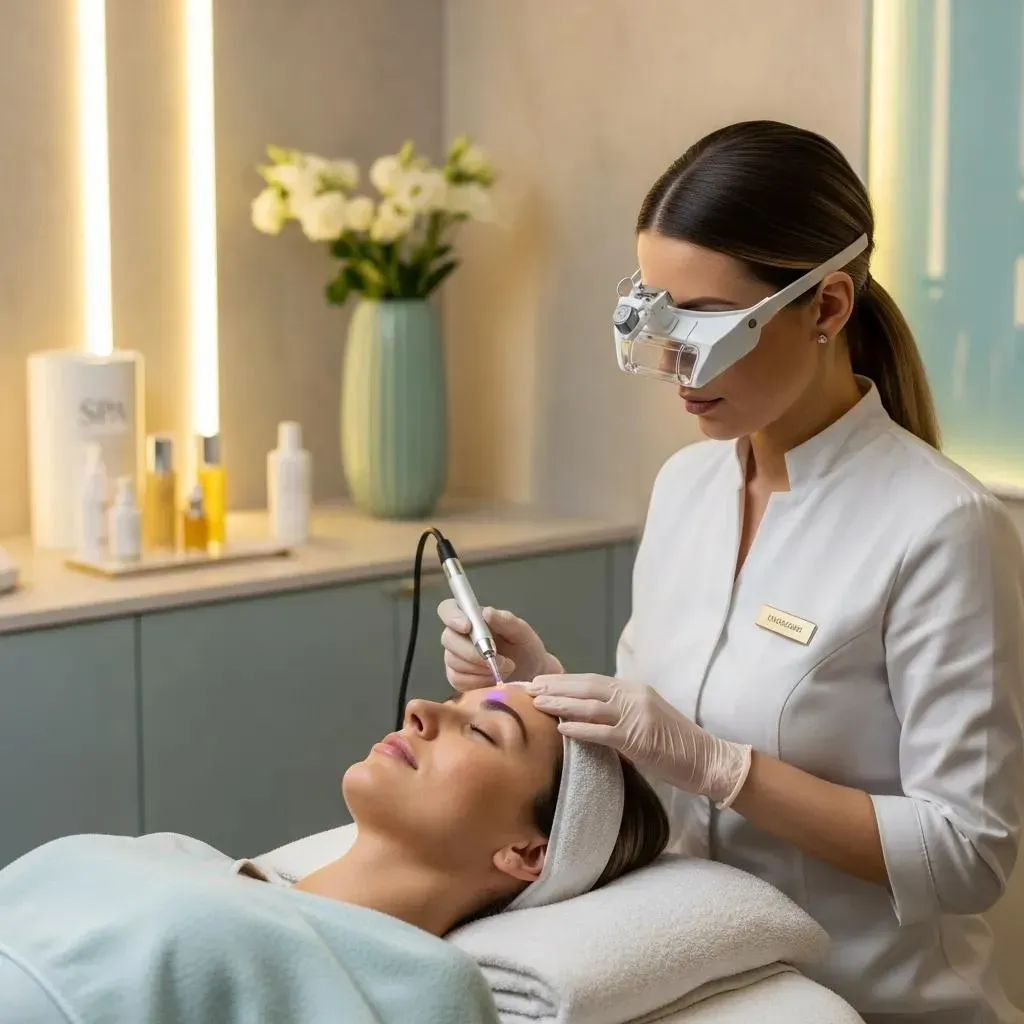
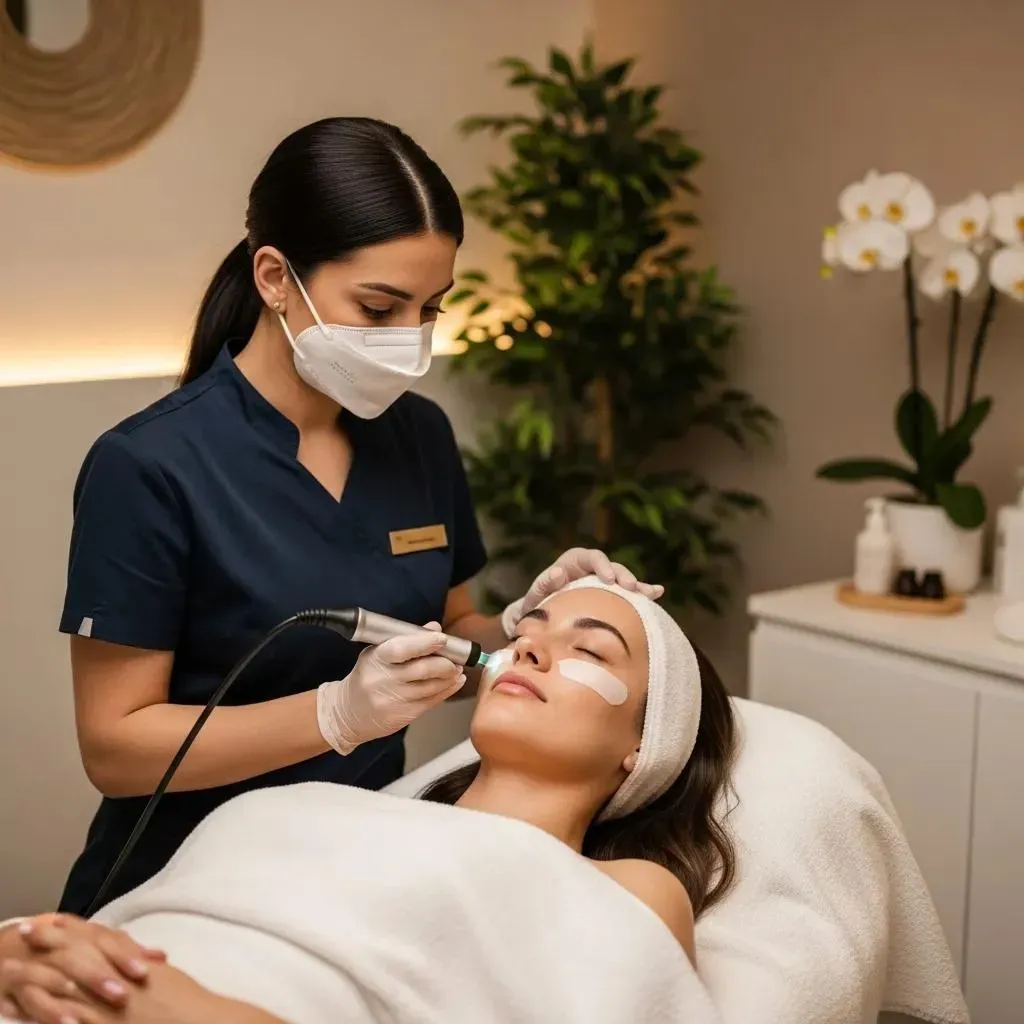
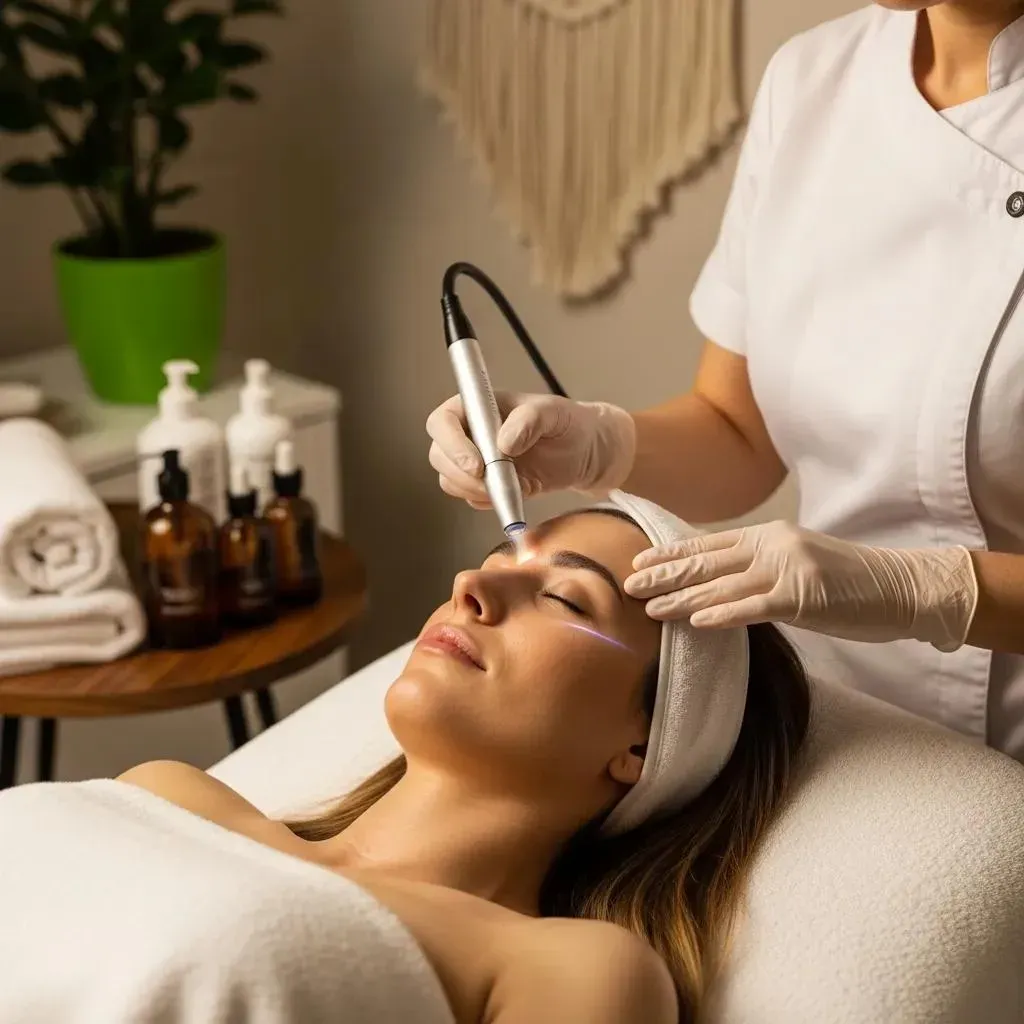
CO2 laser resurfacing uses focused carbon dioxide laser energy to remove tiny amounts of damaged skin and stimulate collagen remodeling. Collagen is a protein that helps keep your skin firm,
smooth, and supported. Fractional CO2 lasers treat small areas of skin while leaving surrounding tissue intact. This approach supports healing, although recovery time depends on treatment depth, settings, and your skin's response. If you are exploring co2 fractional treatment in Scottsboro, start by identifying your main concern. Fine lines, acne scars, sun damage, and rough texture may respond differently. Your provider can assess which treatment approach suits your needs.
Which Skin Concerns Can CO2 Resurfacing Address?
CO2 resurfacing can help improve several visible signs of skin aging. These include fine lines, deeper wrinkles, uneven texture, selected acne scars, and some sun-related skin changes.
However, it cannot correct every concern. Loose skin, facial volume loss, active acne, and certain pigmentation problems may need different treatments. Choosing the right procedure matters more than choosing the strongest laser. For example, if your main concern is dullness, a gentler treatment may be enough. If you have deeper acne scars, a more intensive approach may offer greater improvement. Your medical assessment helps clarify that difference.
How Do You Choose the Right Treatment for Your Skin?
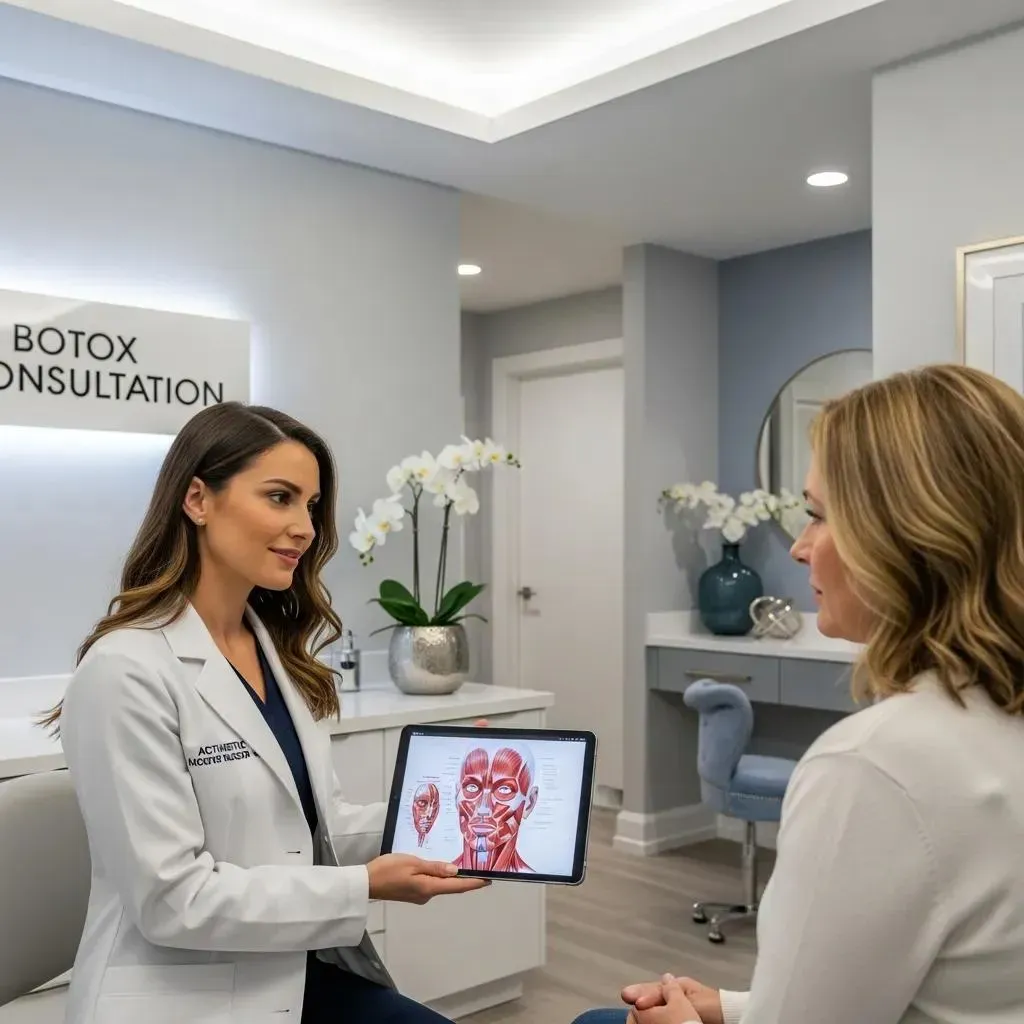
The best treatment depends on your skin condition, medical history, goals, and recovery needs. There is no single laser setting or procedure that works equally well for everyone. During your consultation, discuss your skin tone, previous treatments, current medications, history of cold sores, and tendency to develop raised scars. These details can affect your treatment plan
and risk level. Your provider should also explain expected results, possible complications, and alternatives. Digital imaging can help document your starting point and track changes over time. It supports planning, but it cannot guarantee a particular result.
Fractional CO2 or Gentler Resurfacing: Which Fits Your Goals?
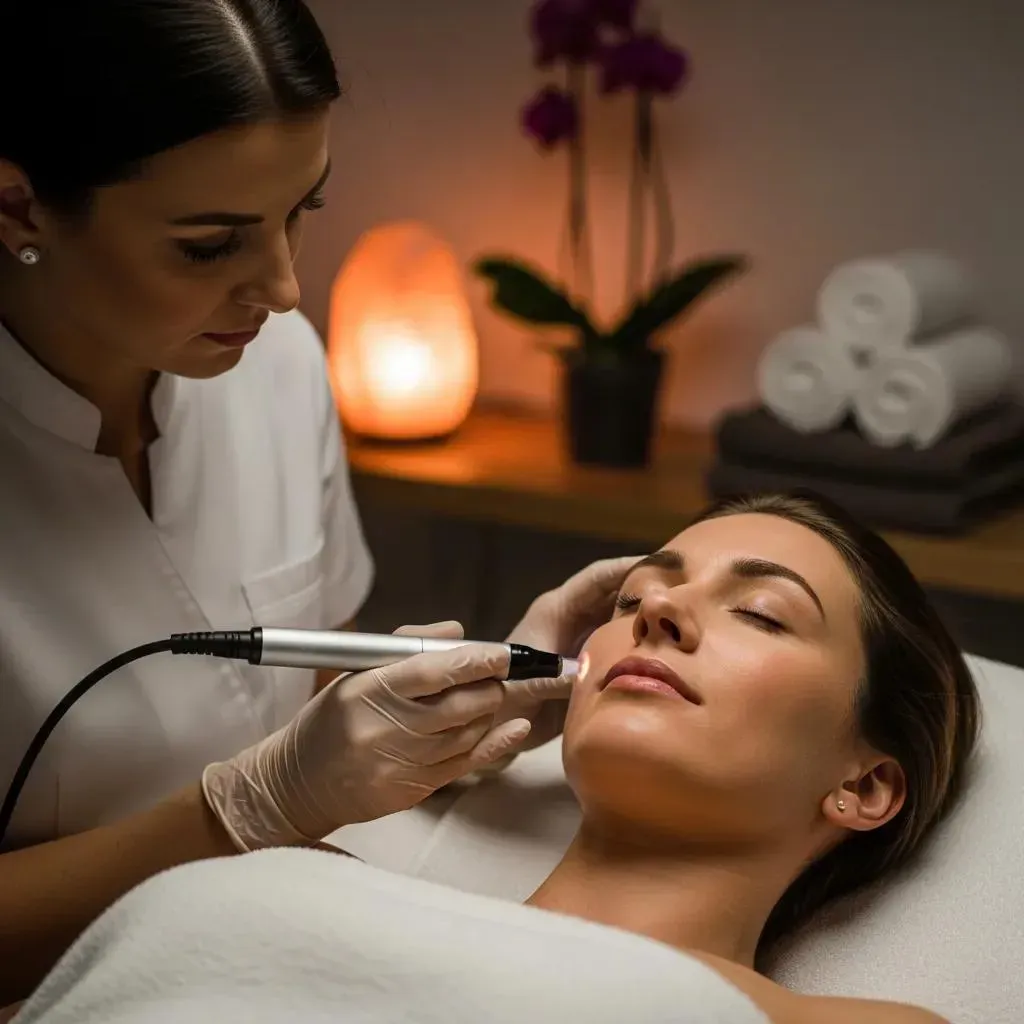
Fractional CO2 resurfacing is an ablative treatment. It removes small columns of tissue and heats nearby skin, prompting a controlled healing response. It can offer meaningful improvement for selected concerns, but it also requires more recovery than many gentle treatments. Non-ablative lasers and lighter resurfacing treatments generally cause less surface injury. They may suit mild texture concerns or people who prefer shorter recovery. However, they may need several sessions and may not match the results of deeper resurfacing. Think of it as choosing between a major repair
and routine maintenance. Neither is automatically better. Your skin concerns, health, budget, and available recovery time should guide the decision.
What Should You Expect During Treatment and Recovery?
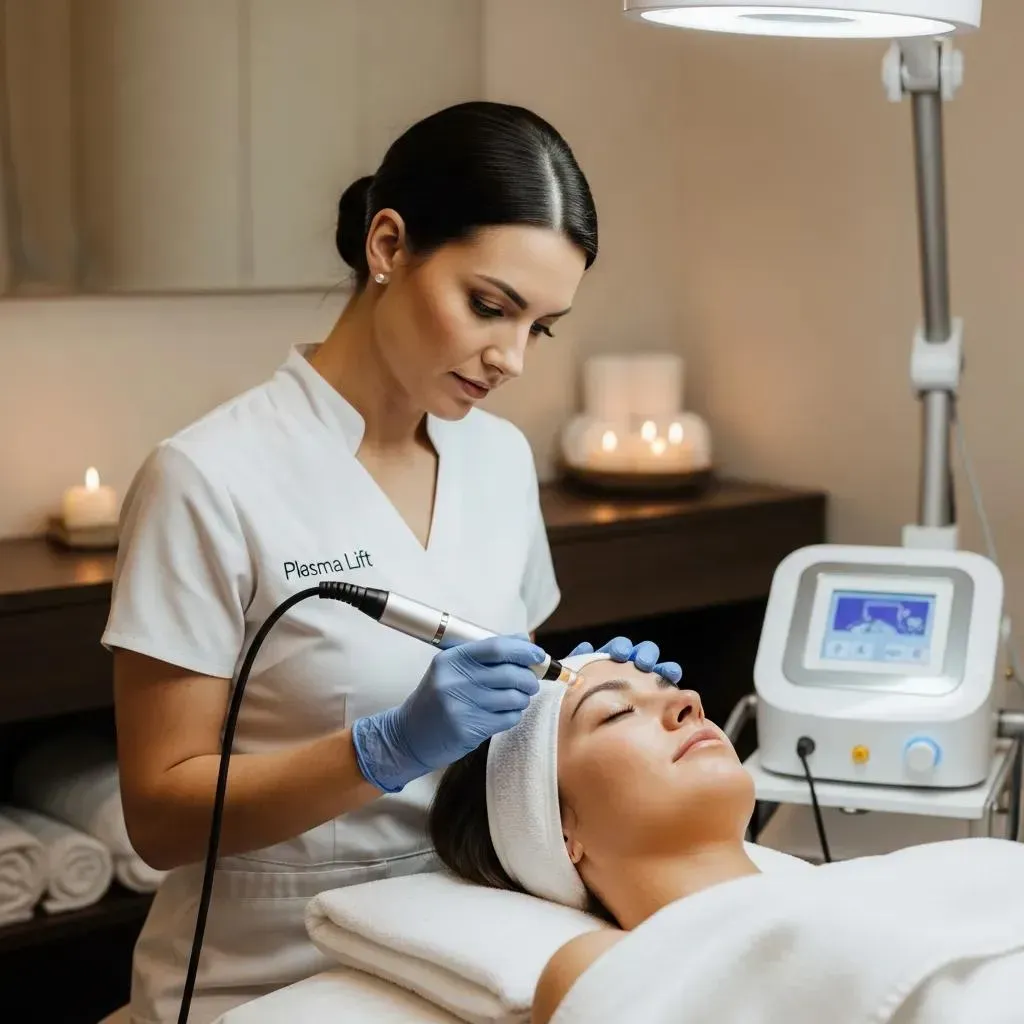
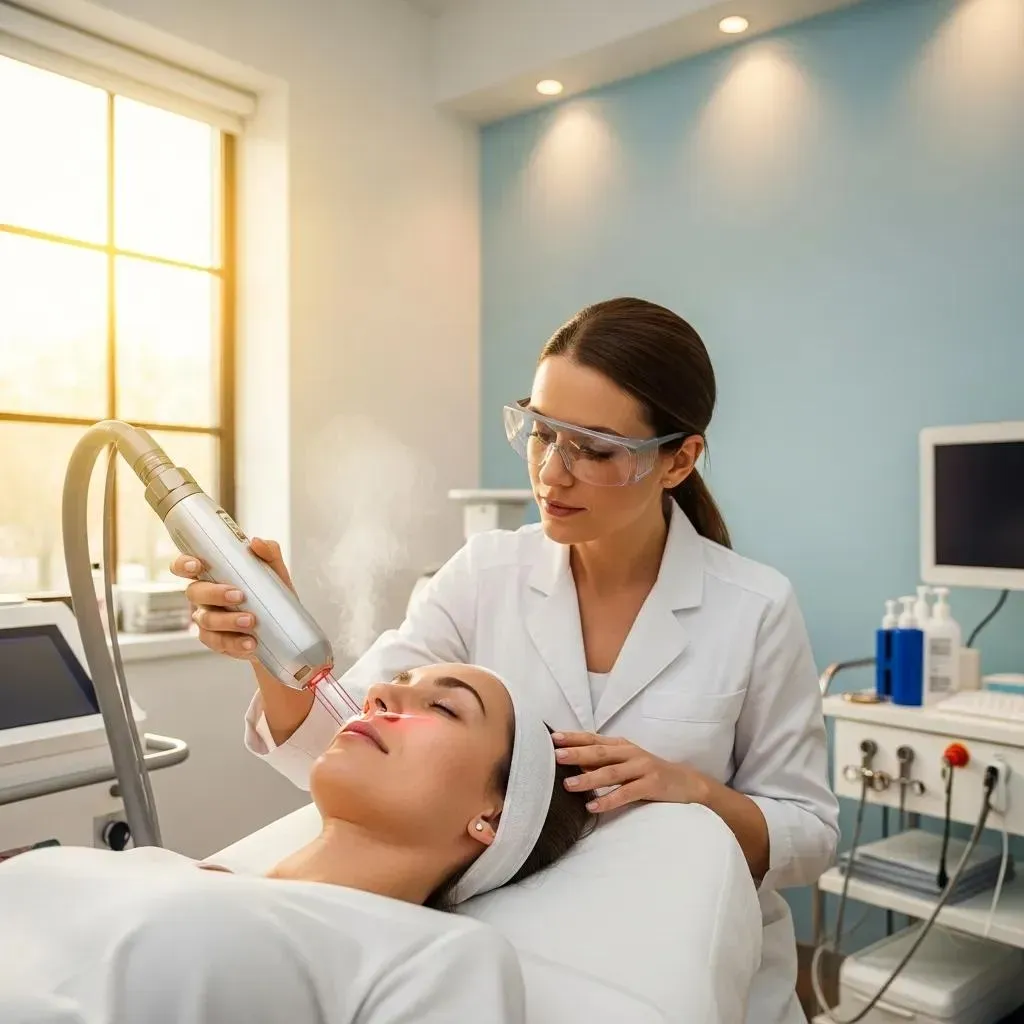
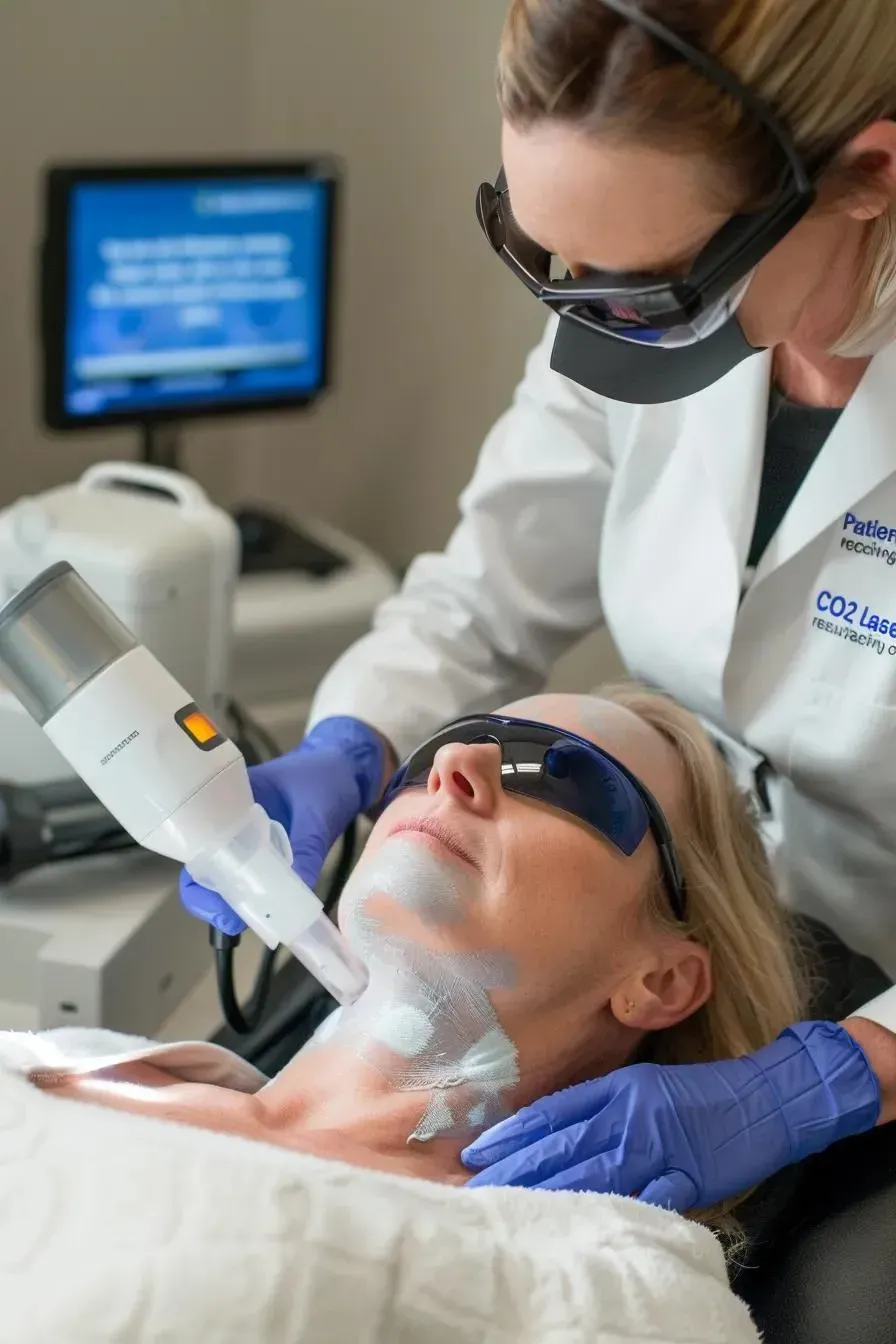
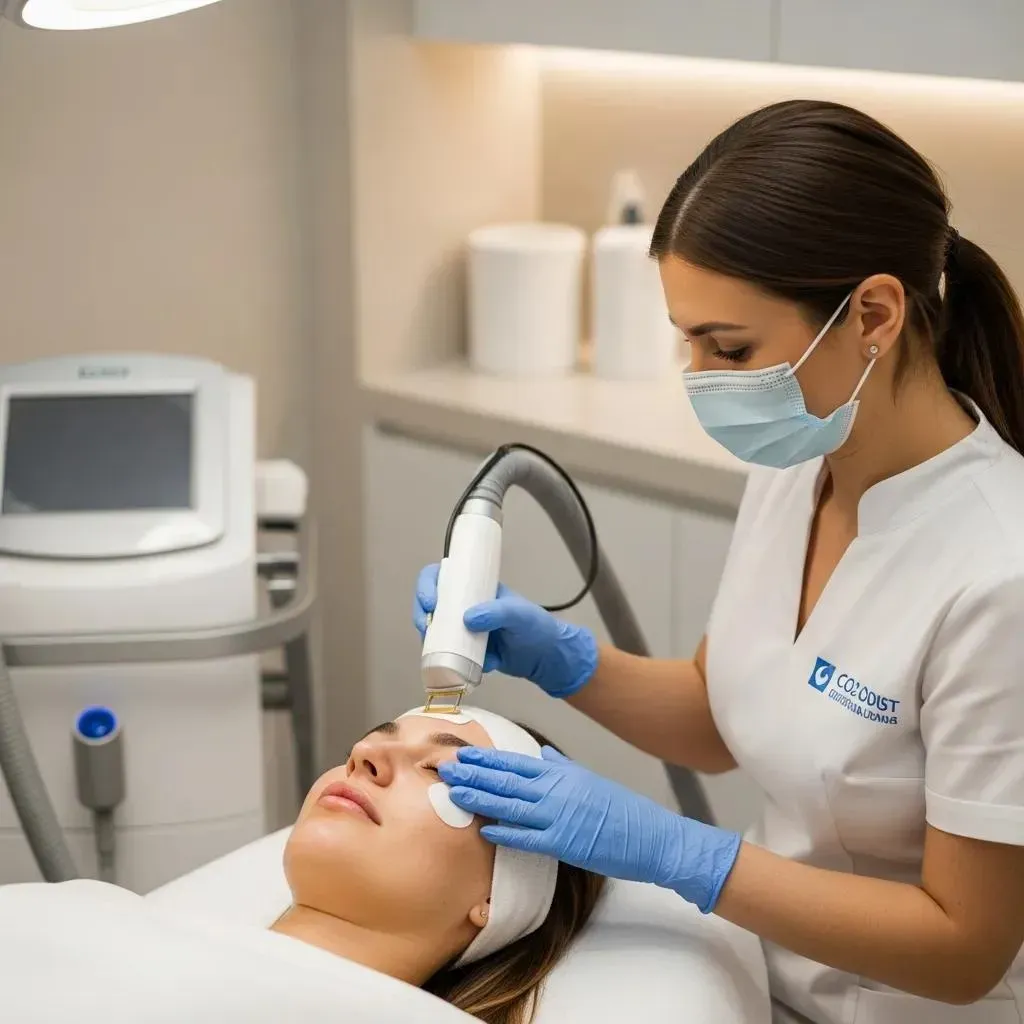
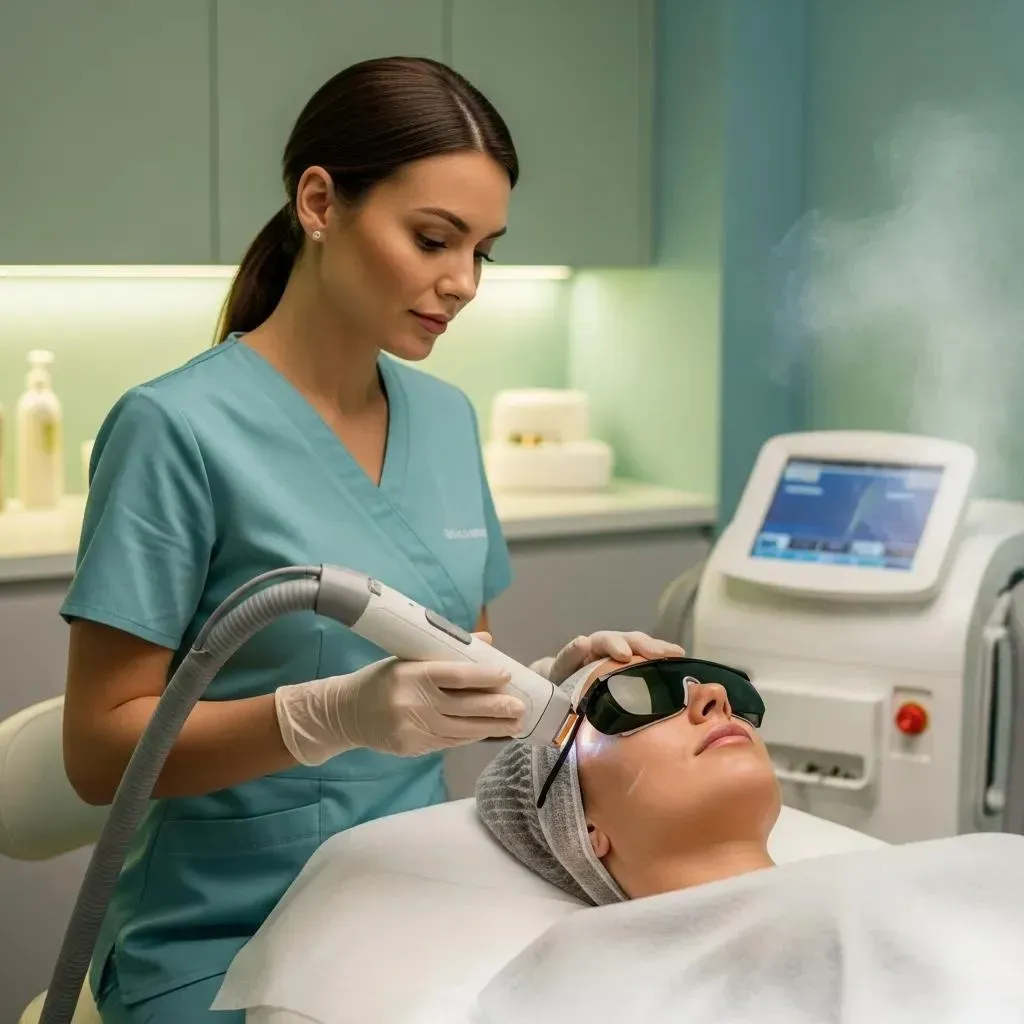
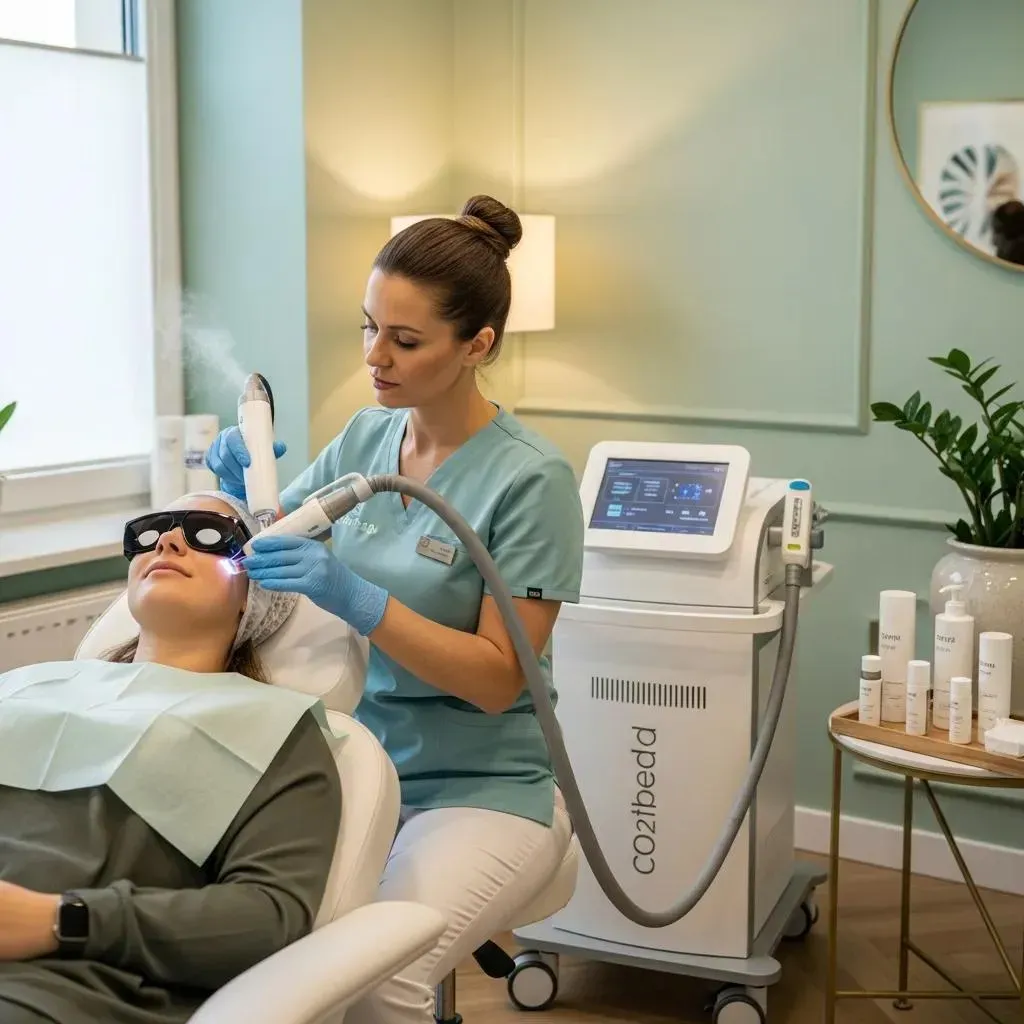
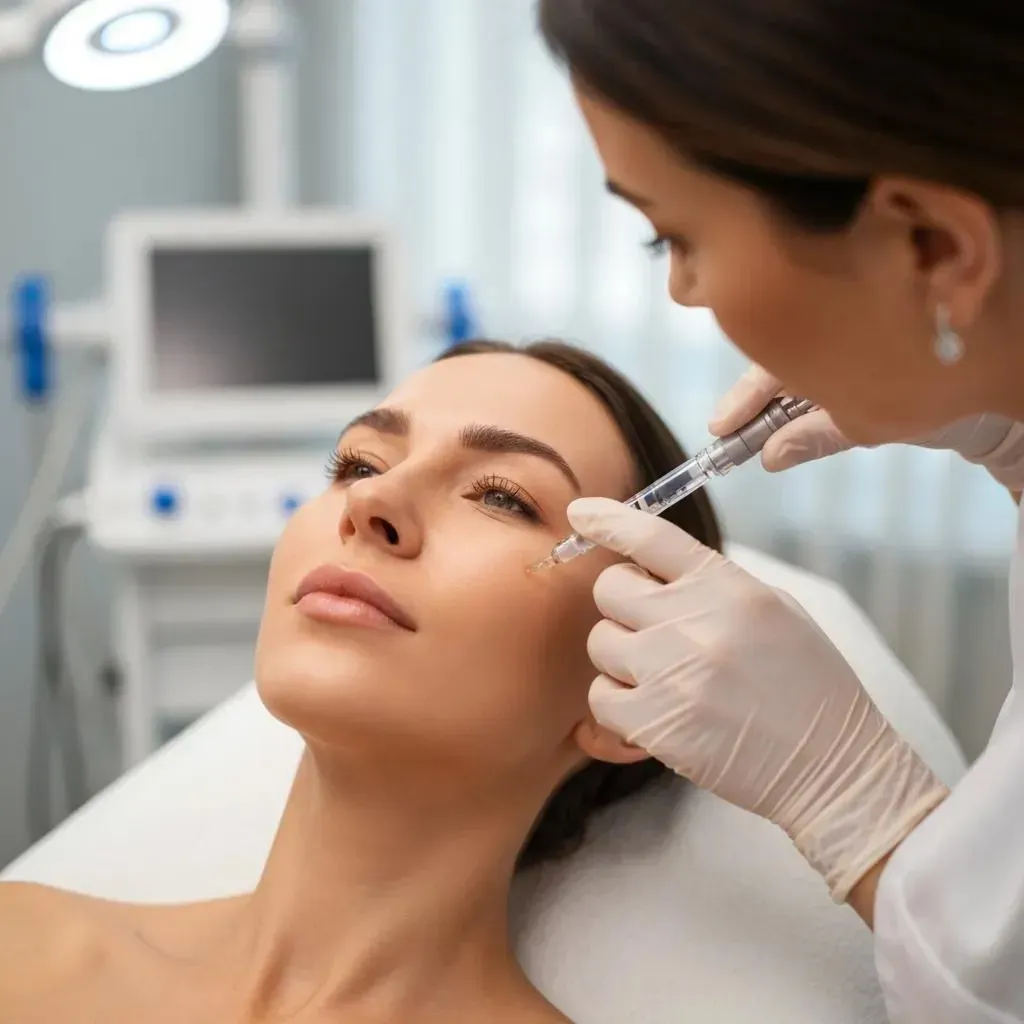
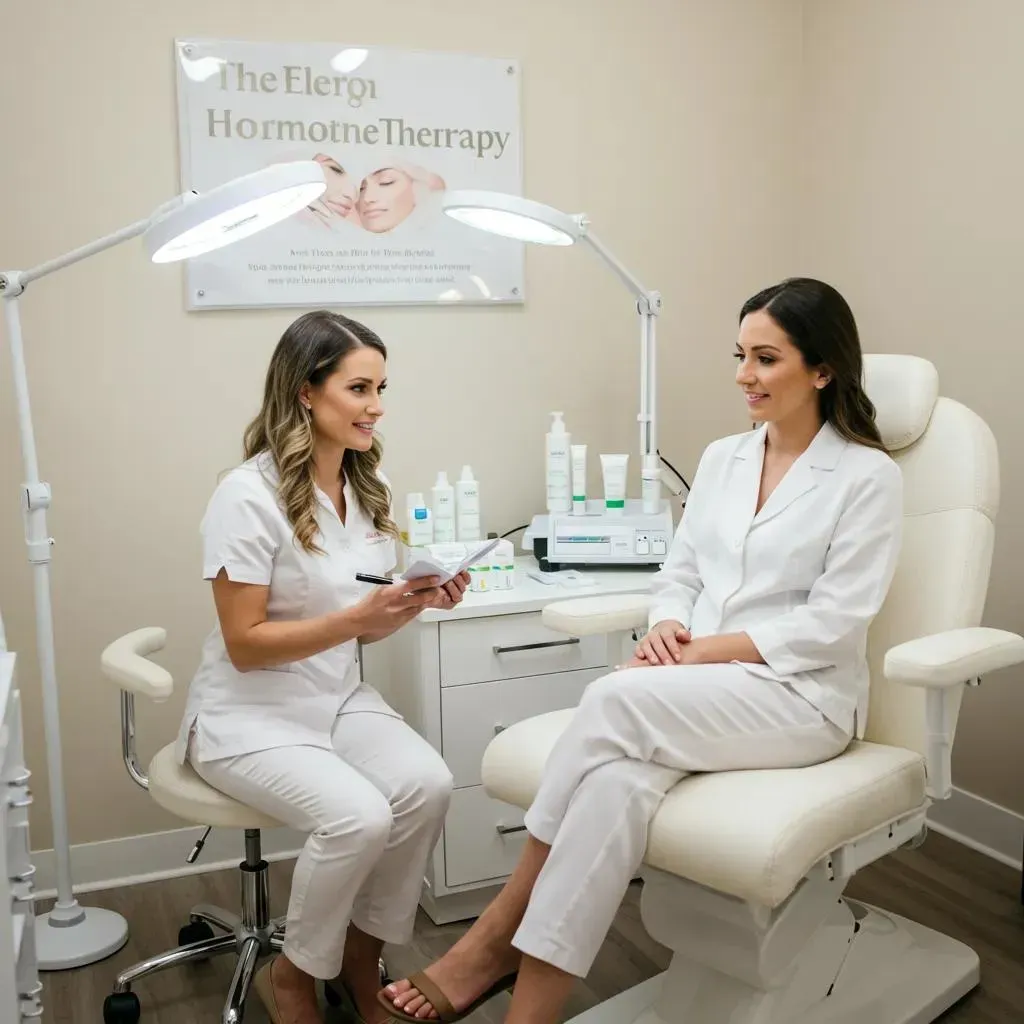
Before treatment, your clinician will review your medical history, examine your skin, and explain preparation steps. Depending on the procedure, topical or other pain relief may be used. Protective eyewear is essential during laser treatment. After ablative CO2 resurfacing, expect redness, swelling, tenderness, and temporary skin changes. The treated area may ooze or form crusts as it heals. Follow your clinician's wound-care instructions rather than picking, scrubbing, or applying unapproved products. Recovery varies with treatment intensity. Growing Younger Clinic reports a typical period of three to ten days before makeup can cover the treated area, but deeper treatments may require longer healing. Ask about your specific plan before booking.
What Risks Should You Understand Before Booking?
CO2 resurfacing is a medical procedure, not a risk-free facial. Possible complications include infection, scarring, prolonged redness, acne flare-ups, and changes in skin colour. Some pigment changes may last for months or become permanent. People with darker skin tones may face a
higher risk of post-inflammatory hyperpigmentation, although risk varies by individual and treatment approach. A qualified clinician should assess your skin and discuss suitable settings or alternatives. Tell your provider about cold sores, recent tanning, healing problems, immune conditions, and medicines that affect skin healing. A history of cold sores may call for preventive antiviral medicine.
Never stop prescribed medication without medical advice. Seek prompt medical guidance if you develop worsening pain, spreading redness, fever, pus, or other signs of infection after treatment.
How Can You Prepare for Better Results?
Good preparation starts well before your appointment. Avoid tanning, use broad-spectrum sunscreen, and follow your clinician's instructions about skincare products. You may need to pause certain active ingredients before treatment, depending on your skin and prescribed
plan. Share your full medical history, including supplements and prescription medicines. Ask when you can return to work, exercise, and outdoor activities. Planning around important events helps you
avoid rushing the healing process. After treatment, gentle cleansing, recommended moisturisers, and strict sun protection help support recovery. Do not rush back into exfoliation or strong skincare products. Healthy healing matters more than quick cosmetic cover-ups.
Where Does CO2 Resurfacing Fit Into Whole-Person Wellness?
Your skin is one part of your overall health. Sleep, nutrition, sun exposure, and some medical conditions can influence skin appearance and recovery. Addressing these factors can complement aesthetic treatment, though it cannot replace appropriate medical skin care. At Growing Younger Clinic, our approach considers your aesthetic goals alongside broader wellness needs. Physician supervised assessments help us understand your concerns and discuss suitable options. Digital imaging, medical history, and individual treatment planning can support informed decisions. If you are comparing face resurfacing treatment in Decatur Al, look beyond the device alone. Ask who will assess your skin, who will perform the procedure, and how complications will be managed. These answers matter as much as the technology.
Is CO2 Resurfacing Worth the Investment?
The value of treatment depends on your goals, the improvement you can reasonably expect, and the time you can give to recovery. Results develop as your skin heals and collagen remodels, often over
several months. Before committing, request a personalised cost estimate. Ask whether one session is likely to meet your goals, whether follow-up care is included, and what additional treatments might cost. Financing can help with budgeting, but it should never replace careful treatment selection. For co2 fractional treatment in Scottsboro, a consultation is an opportunity to compare realistic options, not a promise that you need a procedure. The right plan may involve CO2 resurfacing, a gentler treatment, or a combination of approaches.
Conclusion
CO2 resurfacing can improve wrinkles, scars, and uneven texture when treatment matches your skin, health, and recovery needs. Personalised medical guidance helps you choose wisely. At Growing Younger Clinic, we help you explore personalised skin renewal options with medical guidance. Contact us at info@growingyoungerclinic.com or (256) 325-6398 to discuss your goals. Eligible points are offered with every Botox/Xeomin treatment of ours.
Frequently Asked Questions
1. Is CO2 laser resurfacing suitable for every skin type?
No. Skin tone, pigmentation history, medical conditions, and healing patterns affect suitability. A qualified clinician should assess your risks and discuss safer alternatives when needed.
2. Can CO2 resurfacing remove acne scars completely?
CO2 resurfacing can improve selected acne scars, but complete removal is unlikely. Results depend on scar type, depth, skin characteristics, and treatment response.
3. Can you wear makeup immediately after CO2 resurfacing?
Usually not. You should wait until the skin has healed enough for makeup. Your clinician will advise when it is safe to resume cosmetics.
4. Can you combine CO2 resurfacing with Botox or Xeomin?
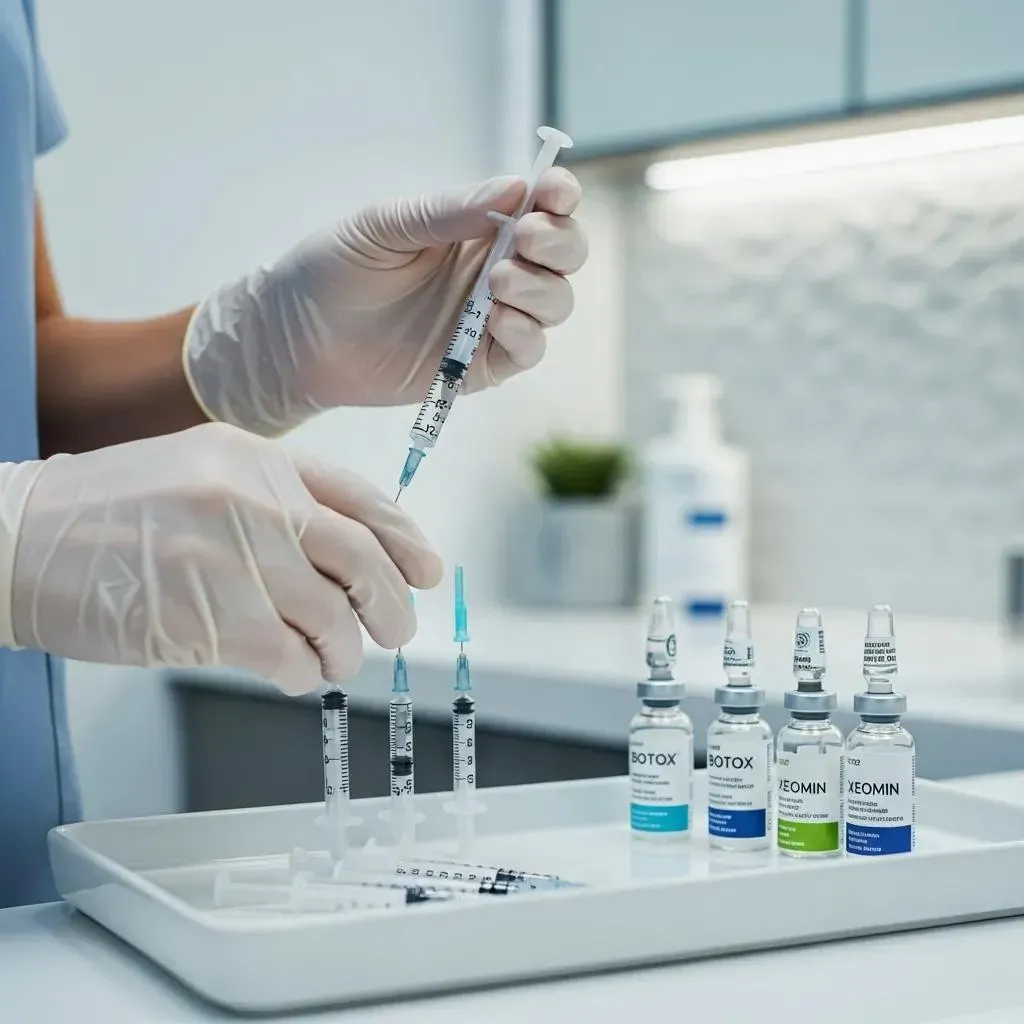
Sometimes. These treatments address different concerns, but timing matters. Your clinician should determine the appropriate order and spacing based on your treatment plan and healing needs.
5. How long do CO2 resurfacing results last?
Results can last for years, but they vary. Sun exposure, natural aging, skincare habits, and individual skin changes influence how long improvements remain visible.