

Back
December 11, 2025 | Nic Menezes
Discover the Best Dermal Filler Treatments for Youthful Skin
The Best Dermal Filler Options for Smooth, Natural-Looking Skin — A Clear, Expert Guide
Dermal fillers are injectable, non-surgical treatments that restore lost volume, soften wrinkles, and refine facial contours. They work by replacing or encouraging the body’s structural components — commonly hyaluronic acid or calcium hydroxylapatite — to lift tissues, improve hydration, and smooth creases, producing noticeable results quickly. This guide walks through the main filler categories, practical brand examples (for instance, Juvederm Voluma for cheek projection and Sculptra for gradual collagen rebuilding), a practical map of fillers to facial areas, safety considerations, and how to prepare for treatment. You’ll learn typical longevity, expected side effects, and how to match a filler to wrinkle type and anatomy. Later sections compare alternatives like neuromodulators and laser resurfacing and describe our patient-centered consultation and treatment process at Growing Younger Clinic so you can decide whether dermal fillers fit your goals.
What types of dermal fillers are used to smooth skin?
Fillers are grouped by active ingredient and how they work: hyaluronic acid (HA) fillers give immediate volume and hydration; calcium hydroxylapatite (CaHA) offers instant lift plus collagen stimulation; and poly-L-lactic acid (PLLA) prompts gradual collagen remodeling for longer-term structural improvement. Providers choose a class based on the tissue need — superficial smoothing, deep support, or long-lasting volumization — and by product rheology (viscosity and cohesivity), which determines suitability for lips, cheeks, or deep folds. Matching the filler’s physical and biological properties to the anatomy improves results and lowers complication risk.
The table below compares common brands and core attributes so you can quickly compare options and know which fillers to discuss with your provider.
| Filler Brand (Type) | Active Ingredient / Mechanism | Primary Use | Typical Longevity |
|---|---|---|---|
| Juvederm family (HA) | Hyaluronic acid — volumizes & hydrates | Lips, superficial lines, midface volume (Voluma for cheeks) | 6–18 months (varies by formulation) |
| Belotero / Versa / RHA (HA) | Hyaluronic acid — lower-viscosity options for fine lines | Perioral lines, delicate areas, tear troughs | 6–12 months |
| Radiesse (CaHA) | Calcium hydroxylapatite — immediate lift + collagen stimulation | Deep folds, jawline, cheek scaffolding | 12–18 months |
| Sculptra (PLLA) | Poly-L-lactic acid — stimulates collagen production over time | Diffuse volume loss, gradual facial restoration | 2+ years (after series) |
This comparison shows HA fillers give faster smoothing while CaHA and PLLA emphasize longer-term structural change. The next section explains HA fillers in plain terms and why reversibility matters.
What are hyaluronic acid fillers and why do people choose them?
Hyaluronic acid (HA) fillers are gel-like injectables that attract and hold water, restoring volume and smoothing superficial to moderate wrinkles almost immediately. HA is a natural component of skin and connective tissue, which contributes to a favorable safety profile when used in modern, cross-linked formulations. Key advantages are quick visible results, the ability to reverse HA with hyaluronidase if adjustments or complications occur, and a range of formulations — from soft gels for fine lines to firmer gels (such as some Juvederm products) for structural support. When matched to anatomy — softer HA under the eyes, firmer HA in the cheeks — these products reliably improve contour and texture with predictable downtime and outcomes.
How do collagen-stimulating fillers like Radiesse and Sculptra work?
Collagen-stimulating fillers such as Radiesse (CaHA) and Sculptra (PLLA) provide an immediate scaffold for volume and then stimulate your body to produce new collagen over weeks to months. CaHA is suspended in a gel that lifts tissue and promotes collagen deposition for short- to mid-term contour improvement. PLLA works more gradually and often requires a series of treatments, but it can deliver multi-year structural benefits as new collagen forms. These biostimulators are useful for diffuse volume loss and deeper midface support, though patient selection and injection technique strongly influence results. Because their effects develop over time, biostimulators require realistic expectations — most improvement continues for several months after treatment.
Collagen Biostimulators for Facial Rejuvenation: Efficacy, Durability, and Safety of PLLA and CaHA
1. Collagen biostimulators — poly-L-lactic acid (PLLA) and calcium hydroxyapatite (CaHA) — are commonly used in facial aesthetic treatments to improve skin quality, restore volume, and stimulate neocollagenesis.
2. This review evaluated the efficacy, durability, and safety of PLLA- and CaHA-based biostimulators in facial treatments.
3. Researchers conducted a systematic literature review following PRISMA 2020 guidelines, using a PICO framework. Searches were performed in April 2024 across BVS, Medline (via PubMed), and Scopus. Studies published from 2010 to 2024 in English, Spanish, or Portuguese were considered. Screening used the Rayyan platform and study quality was assessed with the ROB2 tool.
4. Fourteen studies met inclusion criteria. Both PLLA and CaHA showed meaningful improvements in skin elasticity, wrinkle reduction, and facial volume. PLLA effects were reported up to 25 months, while CaHA effects commonly lasted 12–18 months. Most adverse events were mild (pain, swelling); one serious case of compression necrosis with CaHA was noted.
5. The review concluded PLLA and CaHA are effective and generally safe biostimulators for facial rejuvenation, while recommending further research to standardize techniques and assess long-term safety.
Efficacy, Durability, and Safety of Collagen Biostimulators Based on Poly-L-Lactic Acid (PLLA) and Calcium Hydroxyapatite (CaHA) in the Face: A Systematic Review, 2025
Which fillers work best for specific facial areas and wrinkle types?
Choosing the right filler depends on the facial area, wrinkle depth, and how long you want results to last. Products with lower viscosity and greater spread are better for thin, delicate skin and fine lines; denser, more cohesive gels or biostimulators suit deep folds, cheek projection, and jawline definition. Clinicians assess skin thickness, whether wrinkles are dynamic or static, and nearby anatomy (vessels and nerves) to reduce risk and create a balanced result.
The table below maps common facial areas to recommended filler classes and explains why those choices are made:
| Facial Area / Wrinkle Type | Recommended Fillers | Rationale / Typical Results |
|---|---|---|
| Lips (volume/definition) | Juvederm Volbella, Ultra Plus (HA) | Soft HA provides controlled projection and shape while preserving natural movement |
| Cheeks / Midface | Juvederm Voluma (HA), Radiesse (CaHA) | Denser gels or CaHA restore lift and midface support |
| Under-eye (tear trough) | Belotero, softer HA options | Low-viscosity HA integrates with thin tissue to reduce lumping |
| Nasolabial folds / Marionette lines | Thicker HA formulations, Radiesse | Higher lift capacity for deep creases; biostimulators for longer-term support |
| Jawline / Chin contour | Volux (HA) or Radiesse | High-cohesivity products provide structural definition and projection |
This mapping shows how product properties align with anatomy to create durable, natural-looking results. Next we’ll cover approaches for fine lines versus deeper wrinkles and technique nuances.
Which fillers are best for wrinkles and fine lines?
Fine, superficial lines respond best to low-viscosity hyaluronic acid that blends into the dermis without adding bulk. Deeper creases usually need firmer HA or CaHA for support. Accurate placement depth matters: superficial injections for fine lines and deeper subdermal or sub-SMAS placement for folds reduce visible irregularities. Many treatment plans combine approaches — small-volume superficial HA for texture plus deeper volumizing filler — so you get immediate smoothing and longer-term contour improvement. Providers tailor product choice to skin quality and movement patterns, using conservative layering and follow-up touch-ups as needed.
How do fillers enhance lips, cheeks, and under-eye hollows?
For lips, fillers add controlled volume and define the vermilion border while keeping natural movement — products like Juvederm Volbella or Ultra Plus are common choices. Cheek augmentation uses volumizing fillers such as Juvederm Voluma or Radiesse to restore midface projection and indirectly soften nasolabial folds by re-supporting surrounding tissues. Tear trough correction requires careful product selection and technique: low-viscosity HA like Belotero can smooth the lid-cheek junction without a puffy look, but assessment for fat prolapse or skin laxity is essential. Each area requires precise anatomy knowledge to minimize complications and create balanced, lasting results.
What benefits and results can you expect from dermal filler treatments?
Dermal fillers offer several clear benefits: immediate reduction of wrinkles, restored volume and contour, improved facial symmetry, and, with HA products, increased hydration. HA fillers show visible smoothing right away, while biostimulators such as Sculptra gradually build skin thickness and firmness by stimulating collagen over months. Patients frequently report improved confidence and satisfaction with facial proportions. Combining fillers with complementary treatments can extend and enhance outcomes. The table below links common benefits with mechanisms and expected timelines so you know what to expect.
| Benefit | Mechanism | Expected Timeline / Evidence |
|---|---|---|
| Instant volume and crease reduction | Physical gel fills space and re-contours | Immediate visible effect; settles over 1–2 weeks |
| Hydration and skin quality | HA attracts and retains water in the dermis | Ongoing improvement for months after treatment |
| Collagen stimulation and structural improvement | CaHA / PLLA trigger fibroblast activity | Progressive improvement over 3–12 months |
| Improved facial proportions | Strategic placement restores lost support | Immediate structural change with longer-term refinement |
These timelines help set realistic goals before treatment and guide follow-up planning. For individualized advice, a personalized consultation will map the right plan for you.
How long do dermal fillers last and what affects their longevity?
Longevity depends on filler type: many HA fillers last roughly 6–18 months depending on formulation and placement; Radiesse (CaHA) often lasts 12–18 months; and Sculptra (PLLA) can deliver effects that persist two years or more after a recommended series. Factors that influence duration include metabolic rate, injection plane, product rheology, volume used, and behaviors such as sun exposure or smoking. Maintenance is tailored — touch-ups restore volume before decline, and combining fillers with skin treatments can prolong the perceived result. Understanding these variables helps you plan realistic timelines and maintenance budgets.
Common factors that influence how long fillers last include:
- Product characteristics: denser, more cross-linked HA formulations and biostimulators tend to last longer.
- Treatment site and depth: high-mobility areas (like lips) often metabolize fillers faster than more static regions.
- Individual metabolism and lifestyle: faster tissue turnover and certain lifestyle factors can shorten longevity.
By recognizing these factors, you and your clinician can build a maintenance plan that preserves results while avoiding unnecessary treatments.
How safe are dermal fillers and what side effects should you know about?
When administered by trained clinicians, dermal fillers have an established safety record, but they do carry common short-term effects and rare, potentially serious complications that require prompt recognition and treatment. Typical, transient reactions include swelling, bruising, tenderness, and redness at injection sites; these usually resolve within days to a week with conservative care. Rare risks include vascular occlusion, infection, or granuloma formation — conditions that need immediate clinical evaluation and specific management, such as hyaluronidase for HA-related vascular events. Proper aseptic technique, anatomical knowledge, and correct product selection are key to reducing these risks and protecting patient safety.
Common side effects and basic management strategies include:
- Swelling and bruising: cold compresses, elevation, and time; generally improve within 7–10 days.
- Tenderness and redness: supportive care and short-term analgesics; contact your clinic if symptoms worsen.
- Nodules or lumps: clinical evaluation to determine cause; HA nodules can often be dissolved with hyaluronidase.
- Red flags (sudden severe pain, vision changes): require urgent medical attention and immediate contact with the clinic.
Our safety protocols and experienced team help reduce these risks and provide prompt response should complications occur. The next section clarifies common side effects and how they’re managed.
What are the common side effects and how are they managed?
Most patients experience mild, short-lived side effects such as swelling, bruising, and tenderness that respond to at-home care and typically resolve within one to two weeks. Immediate measures include cold compresses, avoiding strenuous exercise or alcohol for 24–48 hours, and using over-the-counter pain relief if needed. We provide written aftercare instructions and schedule follow-up to monitor healing. For HA-specific issues (persistent lumps or suspected vascular compromise), hyaluronidase can dissolve the product; signs of infection prompt clinical assessment and targeted treatment. Fast recognition and early intervention by a qualified team significantly reduce the chance of long-term problems.
Are dermal fillers FDA-approved and what makes them safe?
Many filler brands hold FDA-approved indications for specific facial uses, reflecting standardized manufacturing and clinical testing for safety and efficacy in those applications. Beyond approval, safety depends on clinician skill, aseptic technique, precise anatomical knowledge, and appropriate patient selection — all of which lower complication rates and improve outcomes. Post-market surveillance and adverse-event reporting systems add ongoing safety data that inform best practices. Choosing a licensed professional and discussing FDA indications for the products proposed helps ensure treatments follow evidence-based standards and reduce unnecessary risk.
Growing Younger Clinic reinforces safety by keeping an M.D. on-site and relying on a team of licensed professionals who follow established protocols. We invite patients to a free consultation to review individual safety considerations and create a personalized plan that addresses risks and expected outcomes.
What does the dermal filler treatment process look like at Growing Younger Clinic?
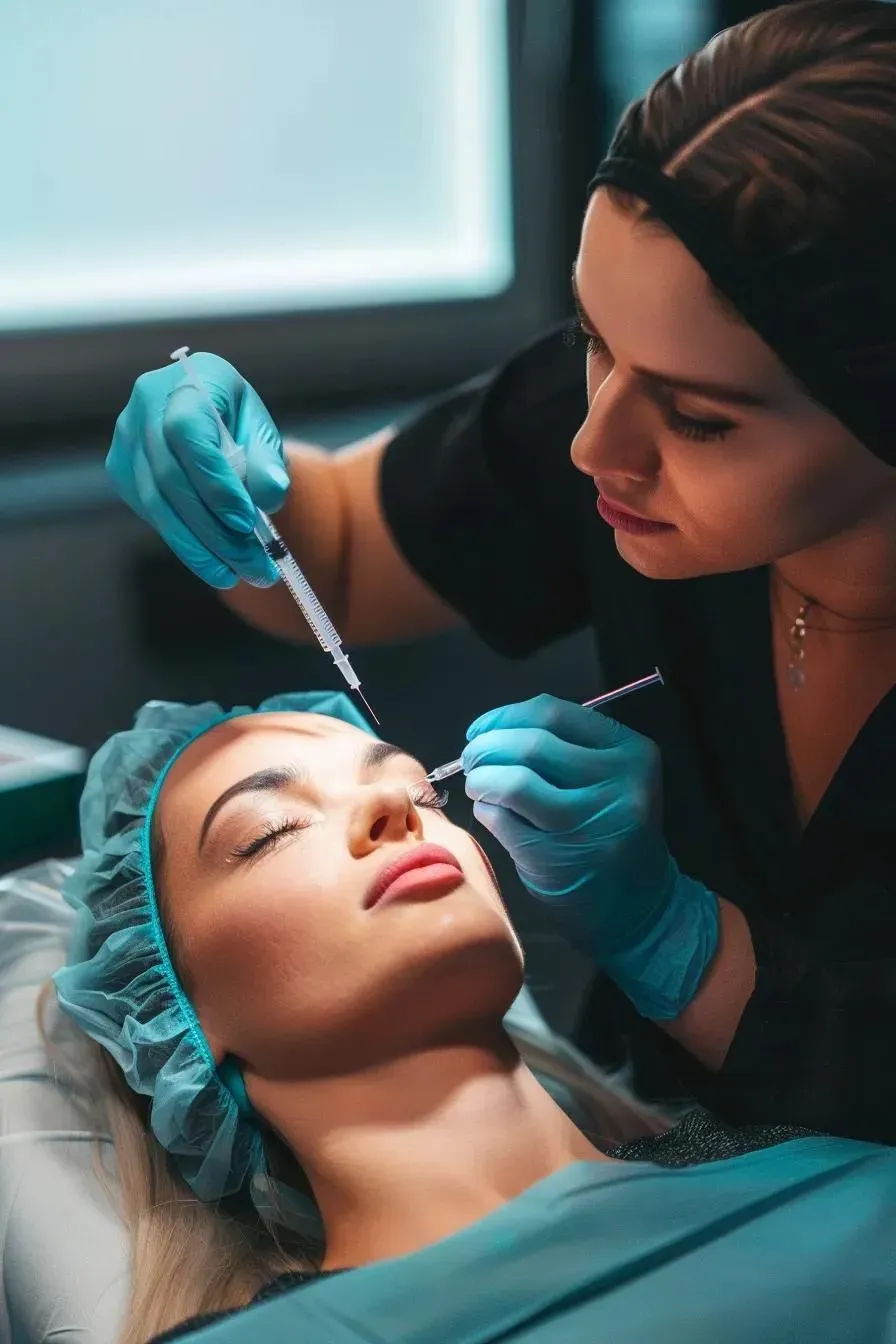
At Growing Younger Clinic, treatment starts with a free consultation focused on your medical history, aesthetic goals, and facial anatomy so we can design a tailored plan. Our approach centers on safe, evidence-based care with an on-site M.D. and licensed clinicians who discuss FDA-approved options — including Belotero, Juvederm variants, Radiesse, Versa, RHA, and Sculptra — so you understand immediate and longer-term expectations. During consultation we review contraindications, set realistic goals, and schedule treatment when appropriate. If you’d like a personalized plan, book a free consultation to explore how fillers could help you reach your goals.
What should you expect during a free dermal filler consultation?
A free consultation at Growing Younger Clinic includes a focused medical-history review, assessment of facial anatomy and skin quality, and a conversation about your goals to guide product choice and technique. Your clinician will explain the pros and cons of HA versus biostimulators, address allergies or medical concerns, and outline timelines and potential side effects so you can decide with confidence. You’ll receive a clear treatment estimate and a follow-up plan, with time to ask any procedural or aftercare questions. This preparation helps reduce anxiety and aligns treatment with your anatomy and lifestyle.
What happens on treatment day and what aftercare is required?
On treatment day we typically take photos, mark target areas, and apply topical or local anesthetic as needed for comfort. The injection session usually lasts 20–60 minutes depending on scope. Providers use precise techniques and layering to create natural contours while minimizing bruising and swelling. After the procedure we recommend cold compresses, brief activity modification, and avoiding medications that increase bleeding risk. Follow-up appointments let us assess settling and perform minor touch-ups if needed. We give written aftercare instructions covering the first 72 hours, when most transient effects are most noticeable. Clear communication and scheduled checks help optimize results and address any concerns quickly.
What are the non-surgical alternatives to dermal fillers?
Non-surgical options address different aspects of aging: neuromodulators (e.g., Botox) soften dynamic wrinkles by relaxing muscles; lasers and chemical peels improve texture and pigmentation; microneedling stimulates collagen for overall skin quality; and PRP supports tissue repair and tone. Your choice depends on goals — fillers address volume and contour, neuromodulators treat movement-related lines, and energy-based devices improve surface quality and collagen. Combining treatments often delivers the best, most natural outcome; for example, fillers restore support while lasers refine skin texture. A clinician can recommend a plan that balances results, downtime, and risk.
How do Botox, laser treatments, and microneedling compare to dermal fillers?
Neuromodulators like Botox act at the neuromuscular junction to reduce muscle activity and soften dynamic expression lines for several months, complementing the structural improvements fillers provide. Laser resurfacing and chemical peels remove damaged outer layers and encourage dermal remodeling to improve texture and pigment, while microneedling creates controlled micro-injury to stimulate collagen and tighten skin. Compared with fillers, these modalities focus more on skin surface and quality than on volume; they have different downtimes and risk profiles, and are frequently combined with fillers for comprehensive rejuvenation. A tailored protocol chooses combinations that maximize benefit while keeping recovery and risk in mind.
When should you choose dermal fillers over other non-invasive procedures?
Choose dermal fillers when your concern is volume loss, contour deficits, or static creases that won’t respond to resurfacing or neuromodulation. Fillers directly replace volume and supply targeted structural support. If your primary issues are texture, pigmentation, or superficial sun damage, lasers or chemical peels may be better; neuromodulators are the go-to for dynamic expression lines. Often the best plan combines therapies — fillers for support and lasers or microneedling for skin quality — to achieve balanced, lasting results. Discuss goals with a clinician during a full consultation to determine whether fillers alone or a multimodal plan is right for you.
- Key takeaway: Fillers are the preferred option for restoring lost volume and refining contours.
- When to combine: Pair fillers with resurfacing or neuromodulation to address texture and movement-related lines.
- Decision step: Prioritize your primary concern — volume vs. texture vs. movement — to guide treatment selection.
This article provided practical, anatomy-based recommendations and safety guidance for choosing dermal fillers and explained how Growing Younger Clinic’s patient-focused process supports safe, personalized care.
Frequently Asked Questions
What should I consider before getting dermal fillers?
Before treatment, review your medical history, skin type, and aesthetic goals with your clinician. Tell us about allergies, medications, and any prior cosmetic procedures. Understanding filler types and their uses helps you choose the right option, and thinking about lifestyle factors can clarify longevity expectations. A thorough consultation ensures the plan fits your needs and sets realistic expectations for results and recovery.
How can I prepare for a dermal filler appointment?
To prepare, avoid blood-thinning medications (aspirin, ibuprofen, some supplements) for about a week to reduce bruising risk, unless advised otherwise by your physician. Stay hydrated and skip alcohol for 24 hours before the appointment. Let your clinician know what skincare products you use, as some may need to be paused. Arrive having thought through your goals so the consultation can be focused and productive.
What is the recovery process like after dermal filler injections?
Recovery is usually quick and most people resume daily activities right away. Expect some swelling, bruising, or tenderness that typically improves within a week. Use cold compresses, avoid strenuous exercise for 24–48 hours, and protect the area from intense sun. Follow your clinician’s aftercare instructions and attend any scheduled follow-up to review results and make adjustments if needed.
Can dermal fillers be reversed if I am not satisfied with the results?
Yes — a major advantage of hyaluronic acid fillers is reversibility. If you’re unhappy or a complication occurs, hyaluronidase can dissolve HA fillers quickly. That allows adjustments or full reversal when necessary. Non-reversible fillers such as Sculptra or Radiesse will diminish over time but cannot be dissolved in the same way.
How do I choose the right clinic for dermal filler treatments?
Choose a clinic with licensed professionals, a strong safety record, and clear patient education. Read reviews and ask about the clinician’s training and experience with specific fillers and techniques. A clinic that offers comprehensive consultations, clear pricing, and thorough aftercare typically delivers better, safer outcomes. Prioritize safety, credentials, and open communication.
What are the long-term effects of using dermal fillers?
Long-term effects vary by filler type and individual factors like skin quality and lifestyle. HA fillers usually last six months to two years depending on the product. Repeated treatments can improve skin texture and firmness indirectly through collagen stimulation. However, improper or excessive use may lead to complications or undesirable changes. Regular consultations with a qualified clinician help manage expectations and maintain results safely over time.
Conclusion
Dermal fillers offer reliable ways to restore volume, soften wrinkles, and improve facial balance without surgery. Knowing filler types and their applications helps you make informed choices that match your aesthetic goals. For personalized guidance tailored to your face and lifestyle, schedule a free consultation at Growing Younger Clinic — we’ll help you choose the safest, most effective plan to achieve natural-looking results.