
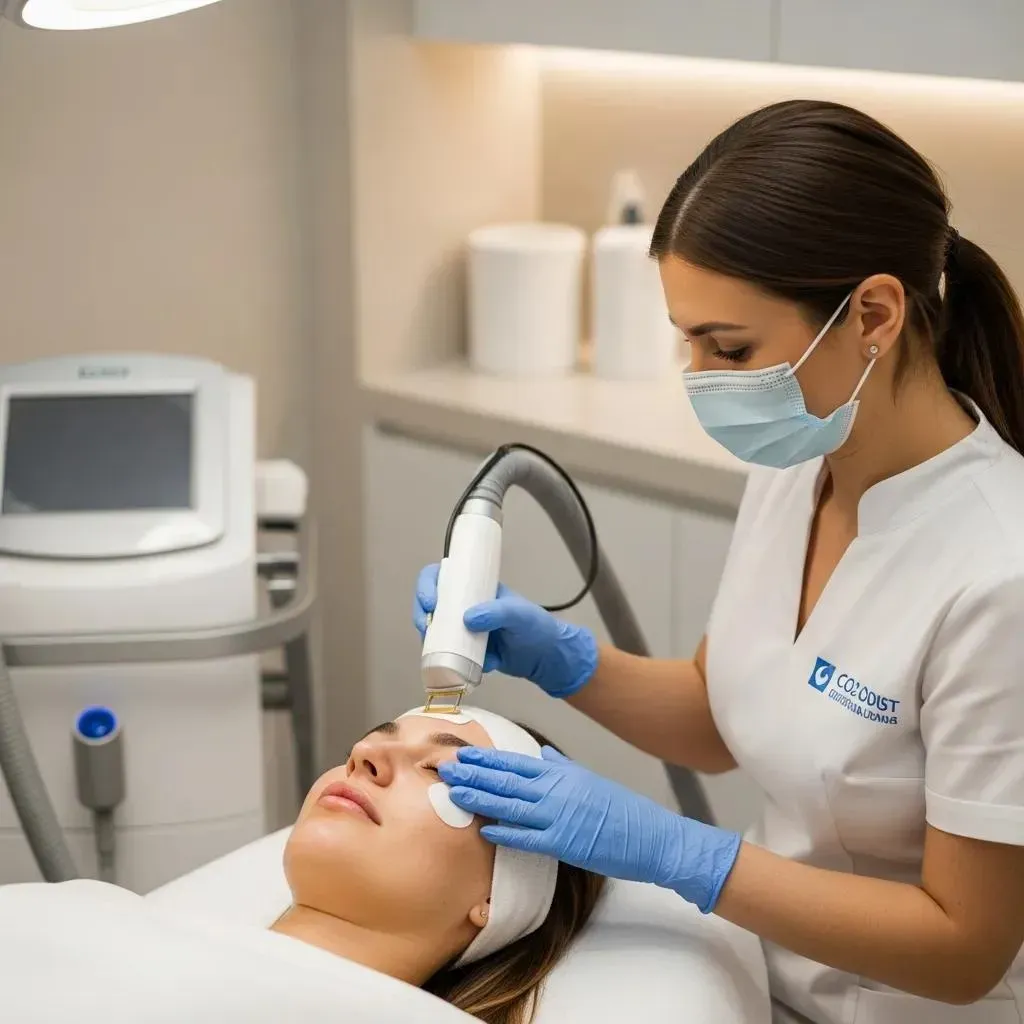
Back
February 16, 2026 | Nic Menezes
Discover CO2 Laser Treatment's Effectiveness for Acne Scars
CO2 Laser Treatment: A Practical Guide to Reducing Acne Scars
CO2 laser resurfacing is a leading option for people who want to noticeably reduce acne scars. This guide explains how the treatment works, what to expect, the benefits and limitations, and how to prepare and recover. Acne scarring can affect how you feel about your skin and your confidence. CO2 lasers target damaged tissue, encourage healing, and improve skin texture so results look natural and lasting. Below we cover the technology, the treatment pathway, comparisons with other options, and real patient experiences.
How Does CO2 Laser Treatment Work to Reduce Acne Scars?
CO2 laser treatment uses fractional CO2 technology to resurface the skin and encourage collagen remodeling. The device delivers focused laser energy that vaporizes damaged surface cells and stimulates new collagen deeper in the dermis. Over time this rebuilds the skin scaffold, smoothing depressions and evening texture. Treatment effectiveness varies with scar type and severity, so individualized planning is important.
What is fractional CO2 laser technology and how does it remodel skin collagen?
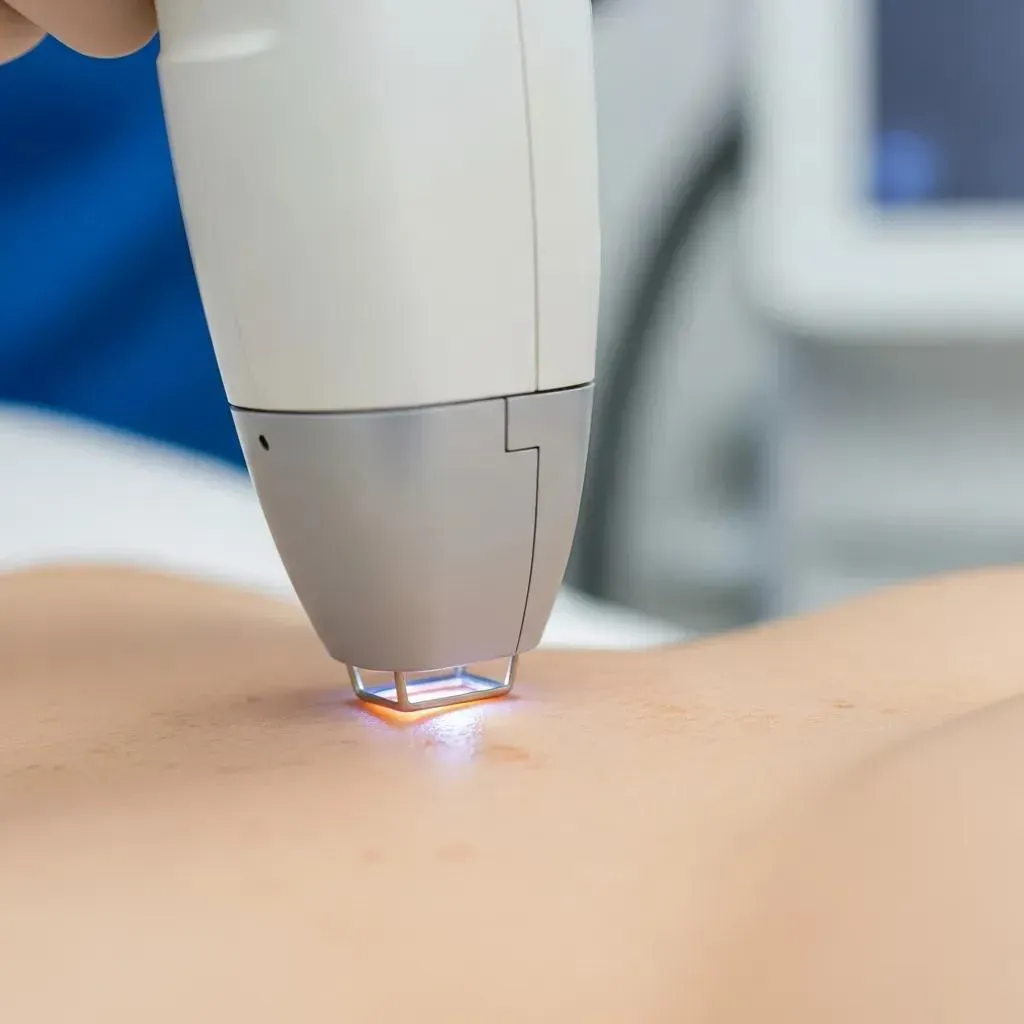
Fractional CO2 works by treating tiny columns of skin while leaving surrounding tissue untouched. Those micro-injuries prompt your body's repair response, producing new collagen and replacing damaged tissue. Because the surrounding skin remains intact, healing is faster and downtime is reduced compared with fully ablative methods. As new collagen fills in, shallow and some deeper scars become less visible and overall skin quality improves.
Clinical research supports the role of fractional CO2 lasers in promoting new collagen formation for scar remodeling.
Fractional CO2 Laser: Collagen Remodeling for Scar Treatment
Burn scar treatment by fractional CO2 laser is effective by forming new collagen fibers mainly in the upper dermis.
Dermal Remodeling of Burn Scar by Fractional CO2 Laser, 2016
Which types and severities of acne scars respond best to CO2 laser resurfacing?
CO2 resurfacing is especially helpful for atrophic (depressed) scars including ice pick, boxcar, and rolling scars. Mild to moderate scars often improve significantly after one to three sessions; deeper scars may need stronger settings or additional treatments. A careful assessment determines whether CO2 alone or a combination approach will offer the best outcome.
Knowing that atrophic scars often result from collagen loss helps explain why lasers that rebuild collagen are effective.
Understanding Atrophic Acne Scars: Collagen Destruction
They tend to experience a prolonged inflammatory response, which causes the collagen destruction that is associated with atrophic scars (Citation2).
Fractional CO2 lasers for the treatment of atrophic acne scars: A review of the literature, 2014
What Are the Benefits and Effectiveness of CO2 Laser Skin Rejuvenation for Acne Scars?
CO2 laser rejuvenation delivers several measurable benefits: smoother texture, improved tone, and increased collagen that supports long-term change. Many patients notice an overall refinement in skin quality in addition to reduced scarring, which contributes to a more youthful, even appearance.
- Enhanced Skin Texture: The treatment encourages fresh skin cell growth and collagen repair, leaving skin smoother and more even.
- Long-lasting Results: Many patients see durable improvements that can last months to years, especially when combined with good skin maintenance.
- Moderate Downtime: Compared with some surgical options, CO2 laser typically requires moderate recovery redness and peeling most often resolve in one to two weeks.
If you're considering CO2 laser resurfacing, the Growing Younger Clinic offers personalized consultations to review your skin, discuss realistic outcomes, and build a tailored treatment plan.
How effective is fractional CO2 laser treatment compared to other acne scar therapies?
Fractional CO2 is widely recognized as one of the more effective options for atrophic acne scars. Research shows it often produces greater improvement than superficial chemical peels or microneedling alone because it reaches deeper layers and prompts stronger collagen remodeling. That said, the best choice depends on scar type, skin tone, and recovery goals sometimes combining treatments gives the best result.
Multiple studies support fractional CO2 lasers as a top option for treating acne scars because of their demonstrated effectiveness.
Fractional CO2 Lasers: Best Treatment Choice for Acne Scars
the results of the studies reviewed in this paper validate fractional CO 2 lasers as one of the best treatment choices
Fractional CO2 lasers for the treatment of atrophic acne scars: A review of the literature, 2014
What clinical outcomes and scar improvement percentages can patients expect?
Many patients see measurable improvements commonly in the range of about 40–60% reduction in scar appearance after a series of sessions. Satisfaction rates are generally high, with people reporting both cosmetic improvement and increased confidence. Individual results vary with skin type, scar depth, and the exact treatment plan.
What Does the CO2 Laser Treatment Process and Recovery Timeline Involve?
Knowing the steps and recovery expectations helps you plan and get the best results. The process usually includes an assessment, treatment visit(s), and a focused aftercare routine to support healing.
What are the step-by-step procedures during a typical CO2 laser acne scar session?
- Consultation: We assess your skin, discuss goals, and design a treatment plan that fits your scars and lifestyle.
- Preparation: The treatment area is cleaned and a topical anesthetic is applied to keep you comfortable.
- Laser Treatment: The clinician delivers fractional CO2 energy to the targeted zones with controlled passes and settings.
- Post-Treatment Care: You'll receive clear instructions for home care to protect healing skin and support the best outcome.
How long is the recovery period and what side effects should patients anticipate?
Expect a recovery window of roughly one to two weeks. Common side effects include redness, swelling, peeling, and temporary crusting all part of normal healing. These symptoms generally improve each day; strict aftercare and sun avoidance help minimize complications and promote optimal results.
How Should Patients Prepare and Care for Their Skin Before and After Laser Resurfacing?
Good preparation and consistent aftercare make a big difference in results and safety. Follow your clinician's instructions closely before and after treatment.
What pre-treatment steps optimize CO2 laser results and minimize risks?
- Avoid Sun Exposure: Minimize tanning and direct sun for at least four weeks before treatment to reduce complication risk.
- Pause Certain Medications: Under medical guidance, stop blood thinners and sensitive skincare products that can increase irritation or bruising.
- Hydrate: Keep skin and body well-hydrated in the days before your appointment to support healing.
What post-treatment skincare routines support healing and enhance outcomes?
- Gentle Cleansing: Use a mild, nonirritating cleanser to keep the area clean without stripping moisture.
- Moisturization: Apply a gentle, soothing moisturizer to protect the skin barrier and speed recovery.
- Sun Protection: Broad-spectrum sunscreen is essential once healed to prevent pigmentation changes and protect results.
How Does CO2 Laser Treatment Compare with Other Acne Scar Removal Options?
When weighing options, consider depth of treatment, downtime, and your scar type. CO2 laser offers deeper resurfacing than many peels and more targeted remodeling than standard microneedling, which explains its strong track record for atrophic scars.
What are the advantages of CO2 laser over alternative treatments like microneedling or chemical peels?
CO2 laser delivers precise, deep energy to the skin, allowing targeted treatment of scar tissue and more substantial collagen remodeling. Microneedling stimulates collagen via mechanical injury but may not reach the same depth; chemical peels vary by strength but often don't remodel scar tissue as thoroughly. For many patients with deeper scars, CO2 is the more effective single option.
When is CO2 laser recommended versus other scar therapies based on scar type and severity?
CO2 laser is typically recommended for moderate to severe atrophic scars. For mild scarring, less invasive options like chemical peels or microneedling may be adequate. A consultation helps match the right technology to your scar pattern, skin tone, and recovery preferences.
What Do Patients Say About Their Experience with CO2 Laser Acne Scar Treatment?
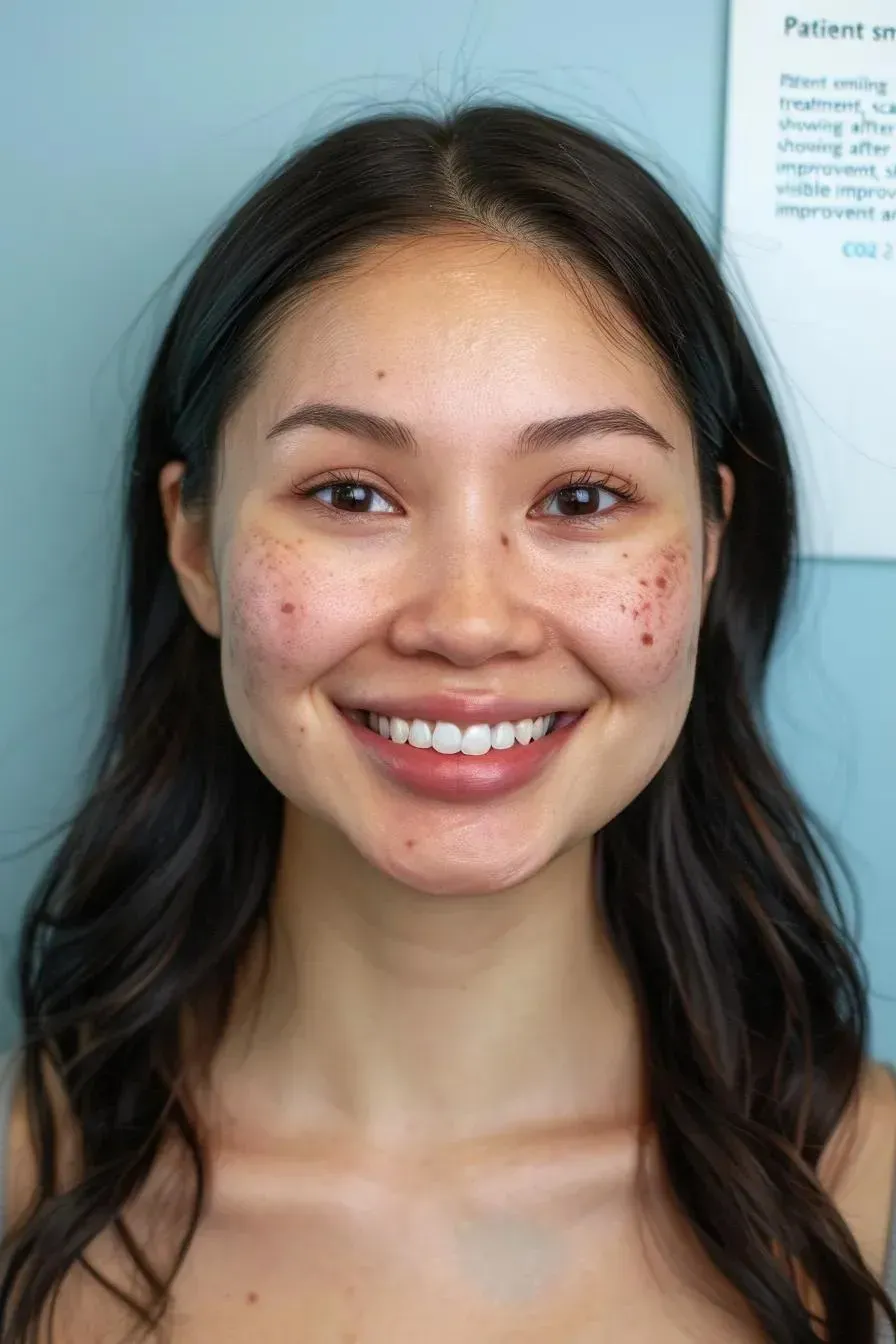
Patient stories and before and after photos give a clear picture of what CO2 laser can achieve. Many people describe meaningful cosmetic improvement and a boost in confidence after treatment.
What are common patient testimonials and success stories from Madison's Growing Younger Clinic?
At the Growing Younger Clinic in Madison, patients report reduced scar depth, smoother texture, and a professional, supportive treatment experience. Reviews often highlight our staff's attentiveness and the clinic's clear aftercare guidance.
How do before-and-after photos demonstrate the effectiveness of CO2 laser skin rejuvenation?
Before-and-after images illustrate how texture and scar visibility can improve over weeks and months. Those visuals help set realistic expectations and demonstrate the types of changes patients commonly achieve.
To learn about other services we offer, see our medical weight loss options at the clinic.
Frequently Asked Questions
What should I expect during my first CO2 laser treatment session?
Your first visit starts with a focused consultation and skin assessment. We cleanse the area and apply a topical anesthetic to reduce discomfort. The laser treatment itself may feel warm and slightly uncomfortable in spots. We finish by reviewing aftercare steps so you know how to protect and support healing at home.
How many CO2 laser sessions are typically required for optimal results?
Most patients see meaningful improvement after one to three sessions, spaced several weeks apart to allow healing and collagen formation. Deeper scars may need additional sessions. We'll recommend a personalized schedule based on your skin and goals.
Are there any specific skin types that should avoid CO2 laser treatment?
CO2 laser is safe for many skin types, but people with very dark skin tones or a history of keloid scarring should proceed with caution. Darker skin has a higher risk of pigmentation changes, and keloid-prone individuals may require alternative approaches. A thorough consultation will clarify suitability and precautions.
What are the potential risks or complications associated with CO2 laser treatment?
Common short-term effects include redness, swelling, and temporary discomfort. Rare complications can include infection, scarring, or changes in pigmentation. Following pre- and post-treatment guidance and working with an experienced clinician reduces risks. Discuss any concerns with your provider before treatment.
How does the cost of CO2 laser treatment compare to other acne scar therapies?
Pricing varies with clinic location, practitioner experience, and the number of sessions needed. CO2 laser treatments are often more costly than basic peels or microneedling because they use advanced equipment and often deliver more pronounced, longer-lasting results. Ask your clinic for a detailed cost estimate and available financing options.
Can CO2 laser treatment be combined with other acne scar therapies?
Yes. Combining CO2 with other modalities for example, microneedling or targeted chemical peels can enhance results for some patients. Any combination plan should be tailored and timed carefully to protect healing and avoid irritation; your clinician will advise the safest, most effective approach.
Conclusion
CO2 laser resurfacing is a powerful option for reducing acne scars and improving skin texture. By stimulating collagen and refining surface irregularities, it offers meaningful, often long-lasting results when performed and supported properly. If you're ready to explore whether CO2 is right for you, schedule a consultation at the Growing Younger Clinic we'll review your goals and create a plan that fits your skin and lifestyle.