Back
August 5, 2026 | Jamey Wagner
Skin Care After Laser Treatment: Recovery Tips for Better Results
Laser recovery works best with simple, personalized care. Protect treated skin from irritation and sun, follow cleansing and moisturizing instructions, avoid picking or restarting active products too soon, and understand your expected timeline. Because laser depth and healing vary, medical guidance remains essential for safer recovery and more predictable aesthetic results.
You leave your laser appointment feeling hopeful, then notice redness, tightness, swelling, or peeling. That can be normal, but what you do next can shape how comfortably your skin heals. Let us guide you!
What should you do first after laser treatment?
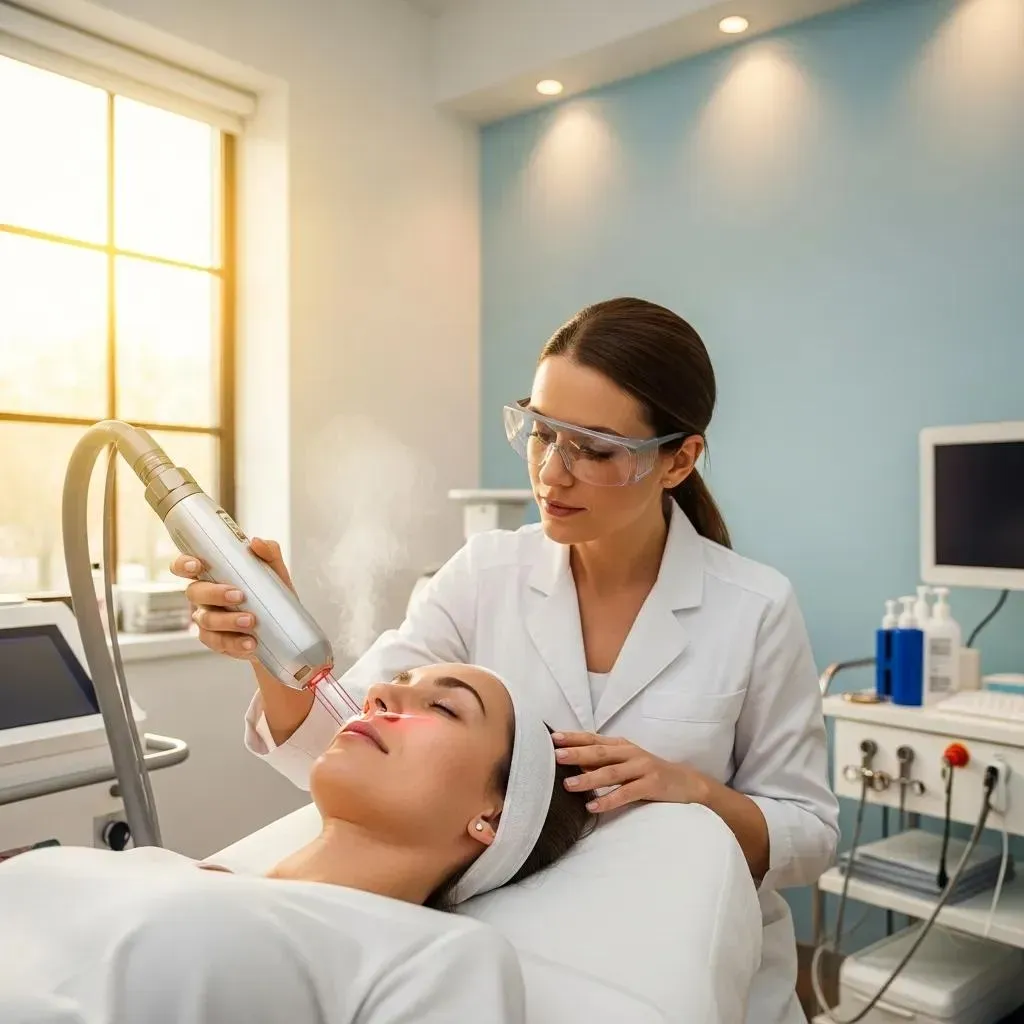
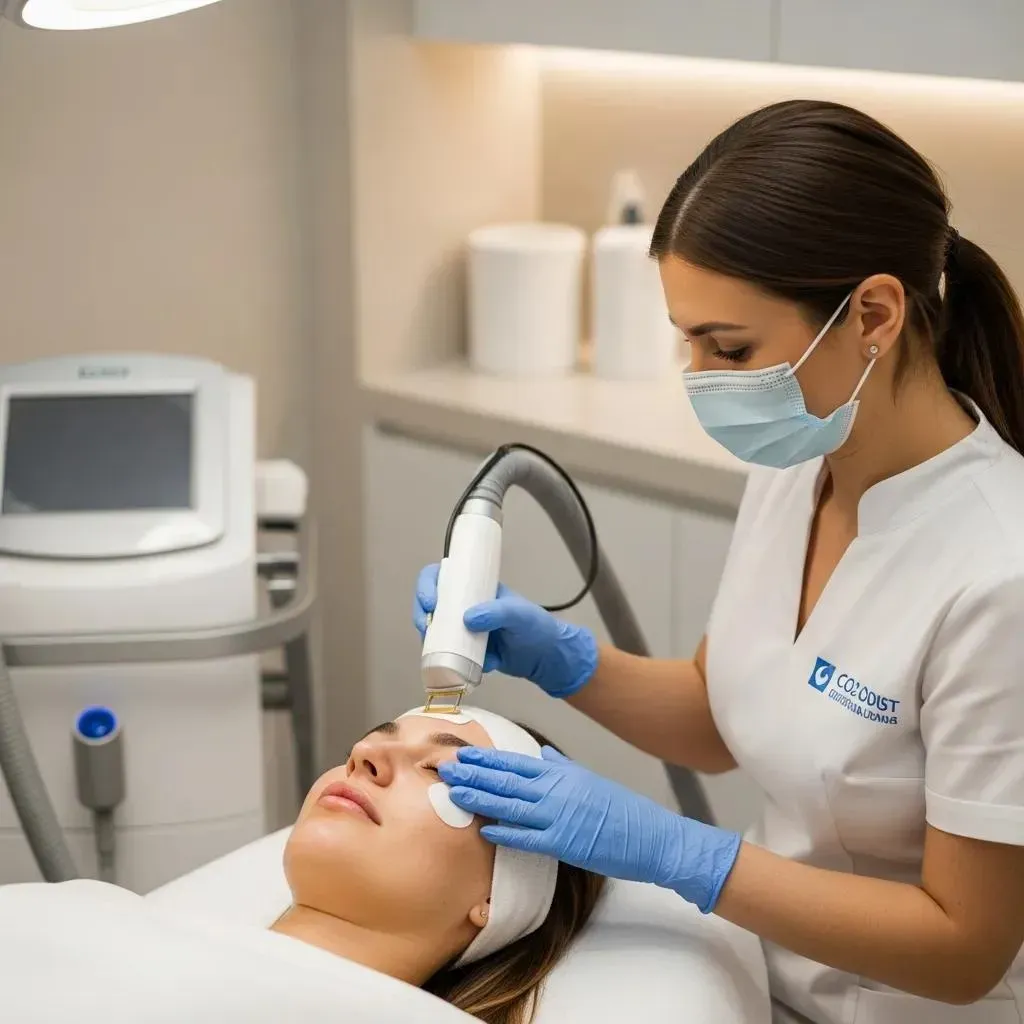
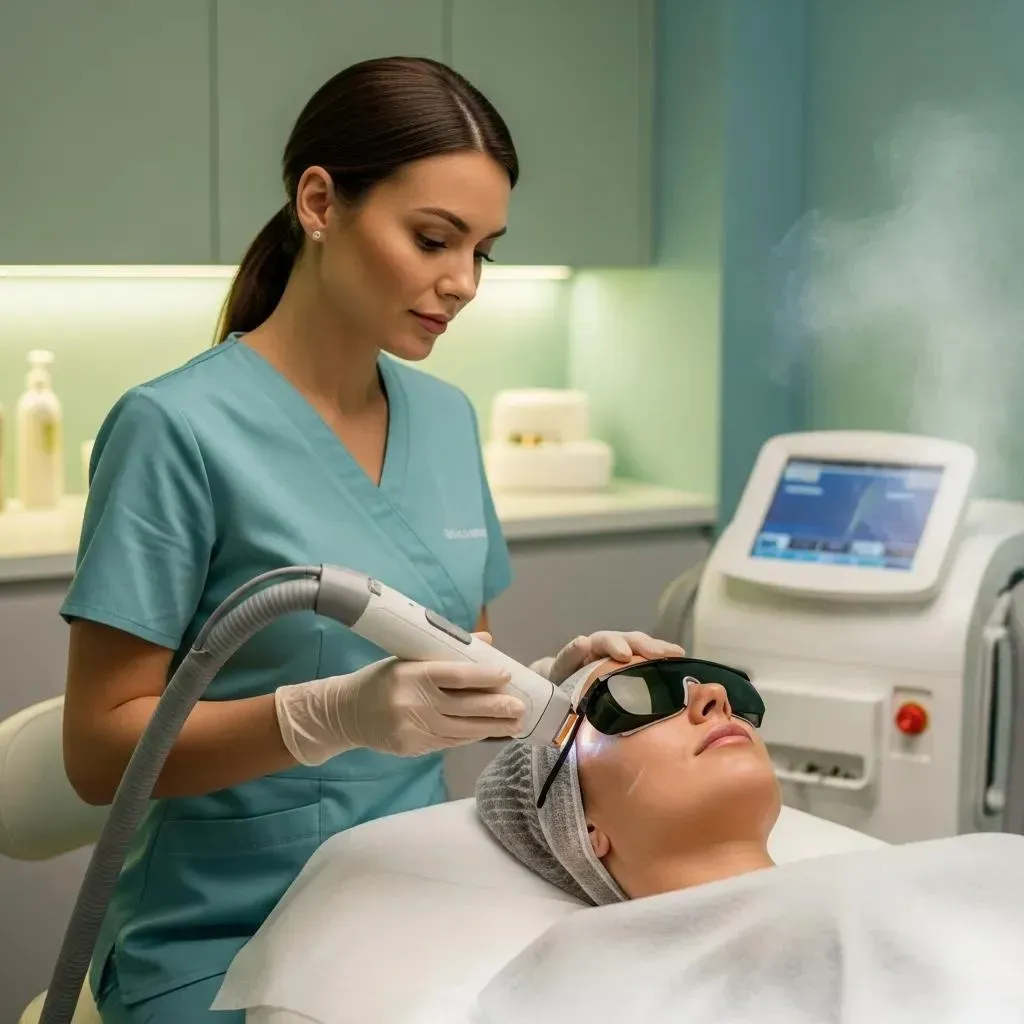
Your first job is simple: protect the treated skin, follow your clinician’s instructions, and resist adding extra products. Laser-treated skin can be more sensitive while it repairs itself. Laser treatments differ in depth and intensity. Non-ablative procedures usually heal faster, while ablative resurfacing can require more recovery. Your exact plan should match the laser, settings, area treated, and your skin.That is why good skin care after laser treatment is not a one-size-fits-all routine. Your clinician may recommend specific
cleansing, ointment, moisturizer, cooling measures, or medication based on your
treatment.
1. Follow your recovery plan, not your usual routine
Your normal skincare routine may contain retinoids, acids, scrubs, fragrance, or other active ingredients. After resurfacing, these may irritate healing skin, so pause anything your clinician tells you to stop. Clean the treated area only as directed. Use gentle handling rather than rubbing, picking, or peeling. If crusts form, leave them alone unless your clinician gives different instructions. Picking can increase infection or scarring risk. Moisture also matters. After some resurfacing procedures, your clinician may recommend petroleum jelly or another protective ointment. Proper wound care helps support healing and may reduce unwanted crusting.
2. Treat sunlight like a serious recovery factor
Freshly treated skin is vulnerable to ultraviolet exposure. Too much sun can worsen redness and increase the risk of unwanted pigment changes. Shade, protective clothing, and clinician-approved sunscreen all have a role. Do not rush into intense outdoor activity simply because you feel fine. Healing continues below the surface. Ask when
sunscreen is appropriate, then use broad-spectrum SPF 30 or higher once your
provider advises it.
3.Cool the skin, but do not freeze it
Swelling, warmth, redness, itching, or stinging can occur after resurfacing. A cool compress may improve comfort during early recovery, especially when swelling feels bothersome. Use the method your clinician recommends. Never place ice directly against treated skin. Avoid aggressive massage, hot water, saunas, and activities that cause strong flushing until your provider clears them.
4.Do not judge your result too early
Your skin may look worse before it looks better. Peeling, pinkness, swelling, or temporary texture changes can occur during healing, depending on the treatment. Ablative resurfacing can require days to weeks for surface healing, while redness may last longer. Fractional and non-ablative treatments often involve less downtime. Your provider can explain your expected timeline beforehand.
5.Know what is normal and what deserves a call
Mild redness, swelling, itching, stinging,dryness, and peeling can occur after laser treatment. The exact pattern depends on the procedure, treatment depth, and your individual response. Call your medical provider promptly if you develop worsening pain, spreading redness, significant drainage, fever, increasing swelling, or symptoms that concern you. Do not treat a possible complication with random products.
Why is aftercare especially important after facial CO2 laser treatment?
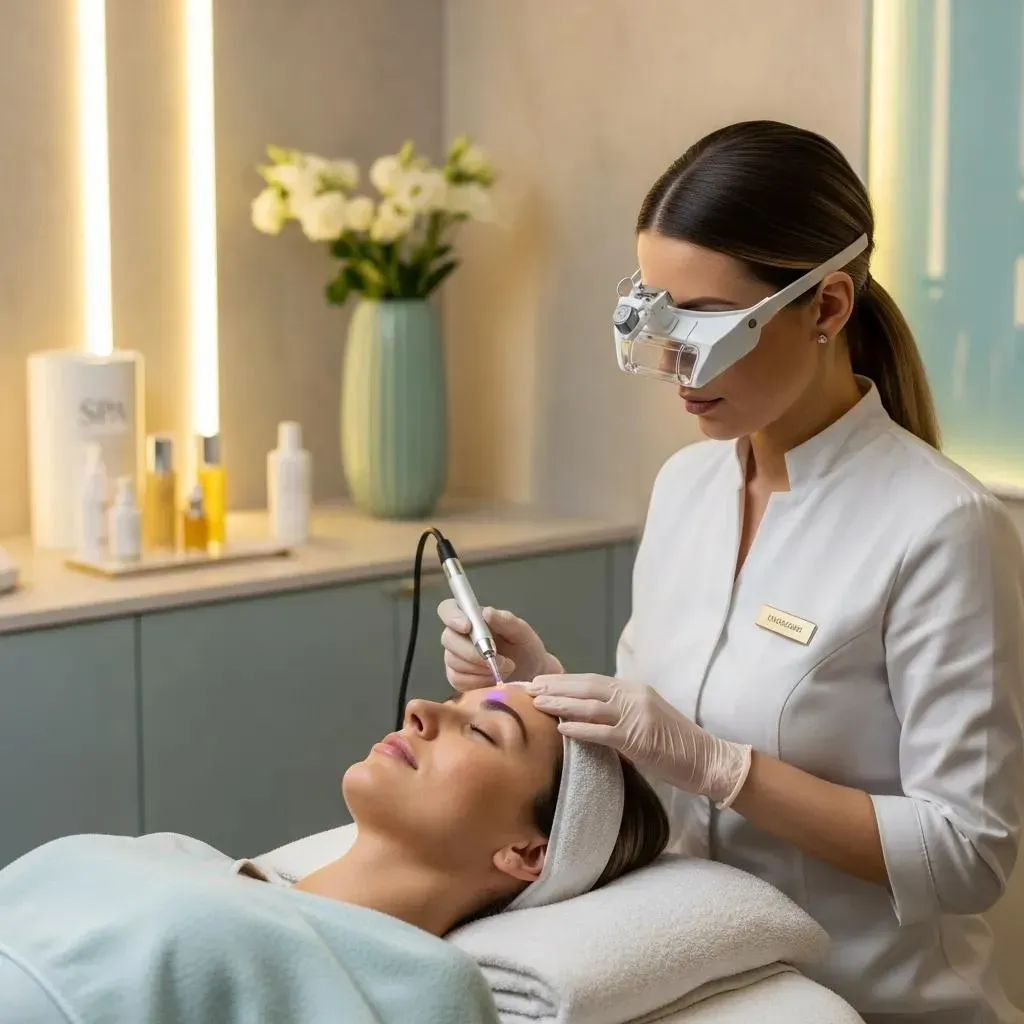
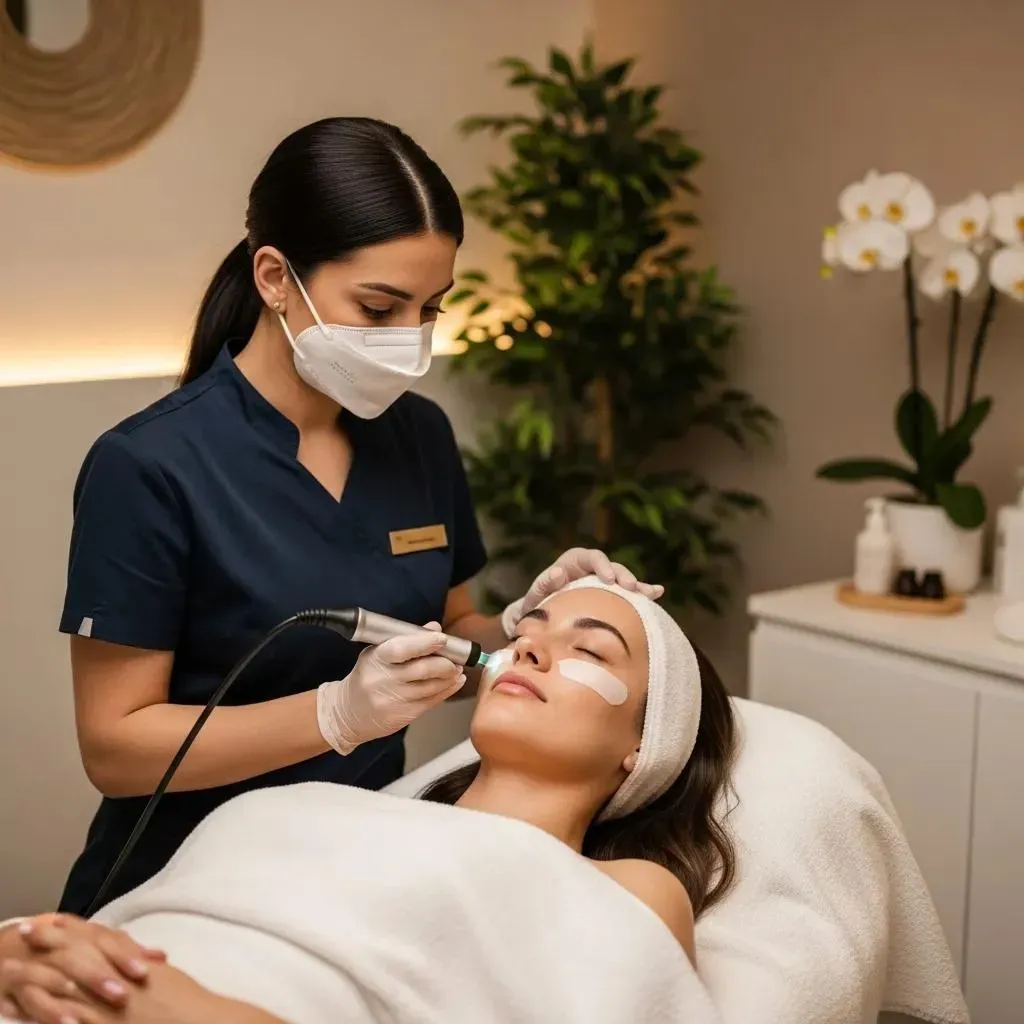
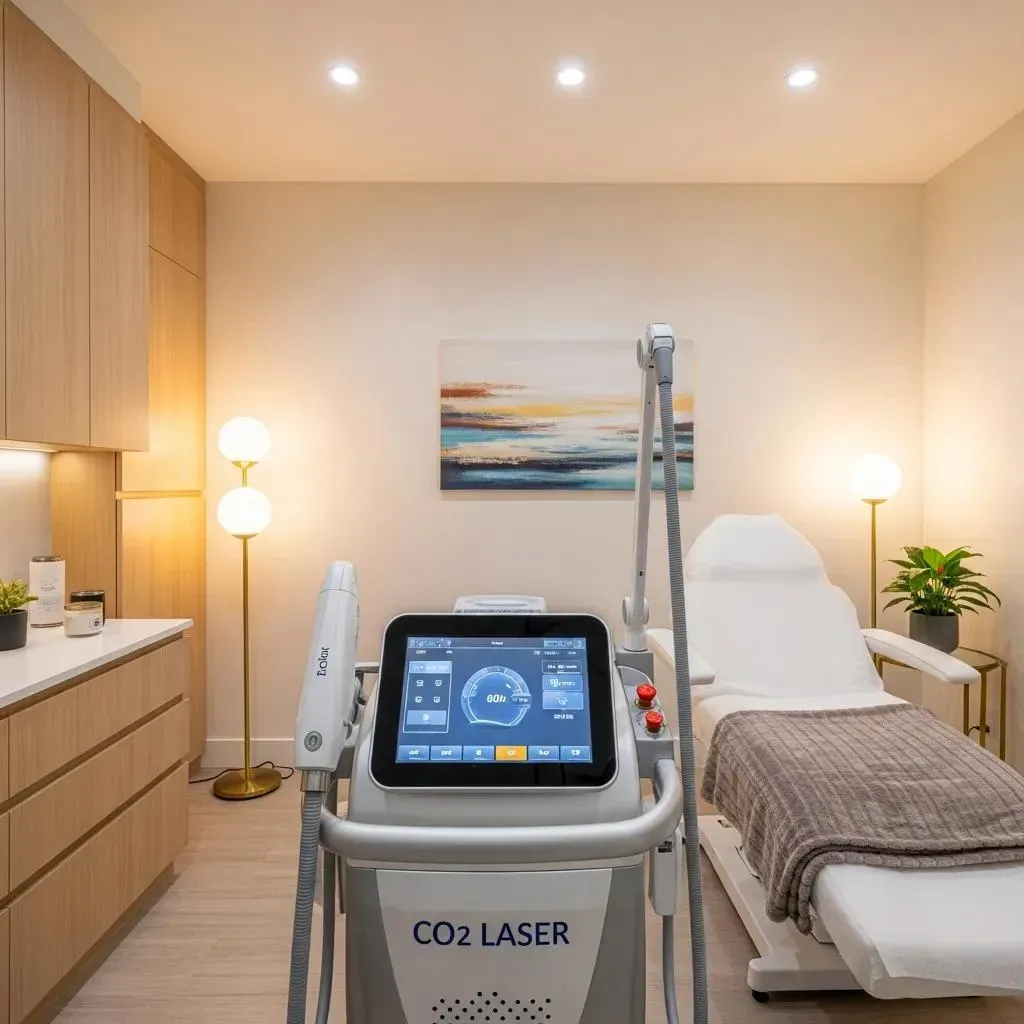
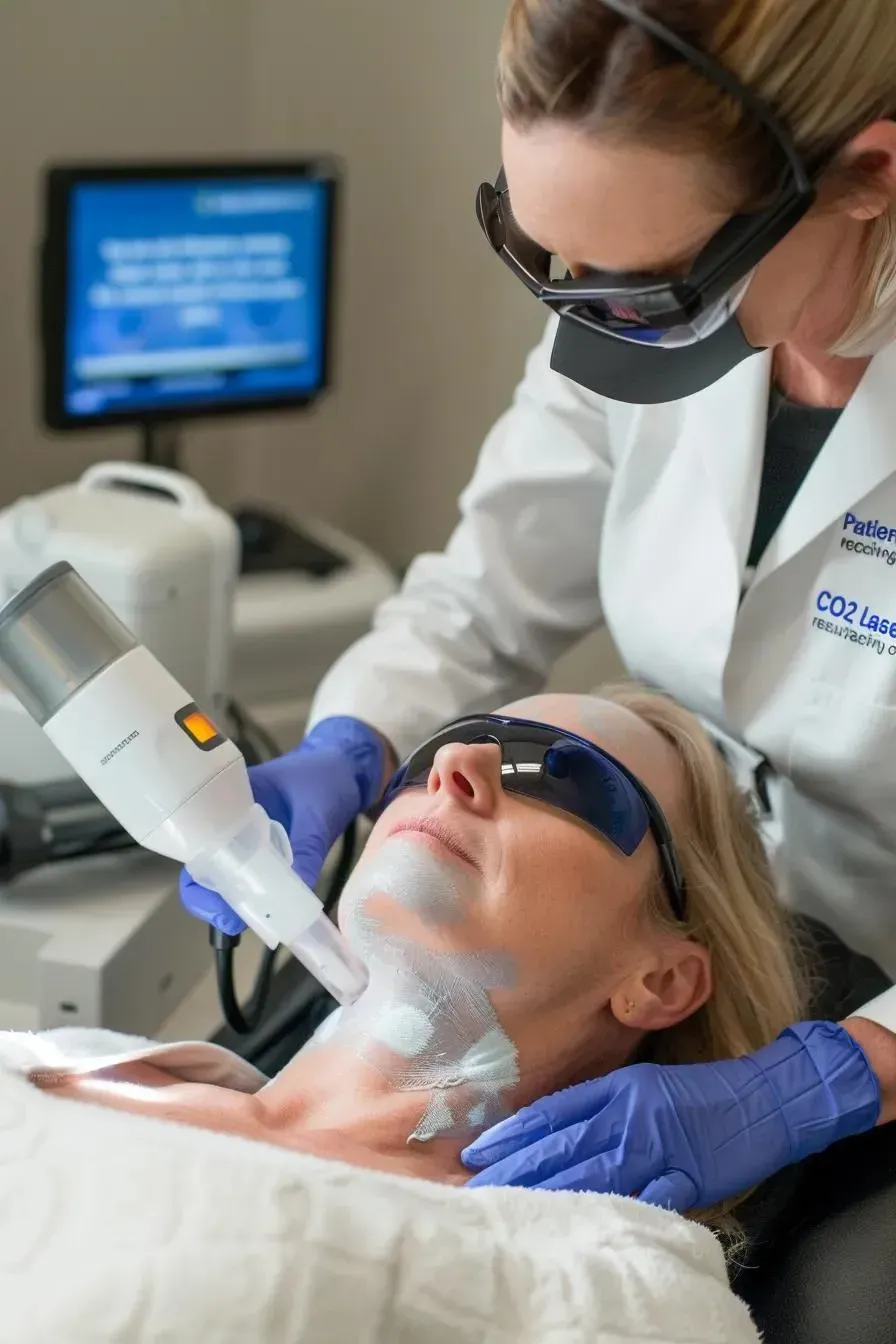
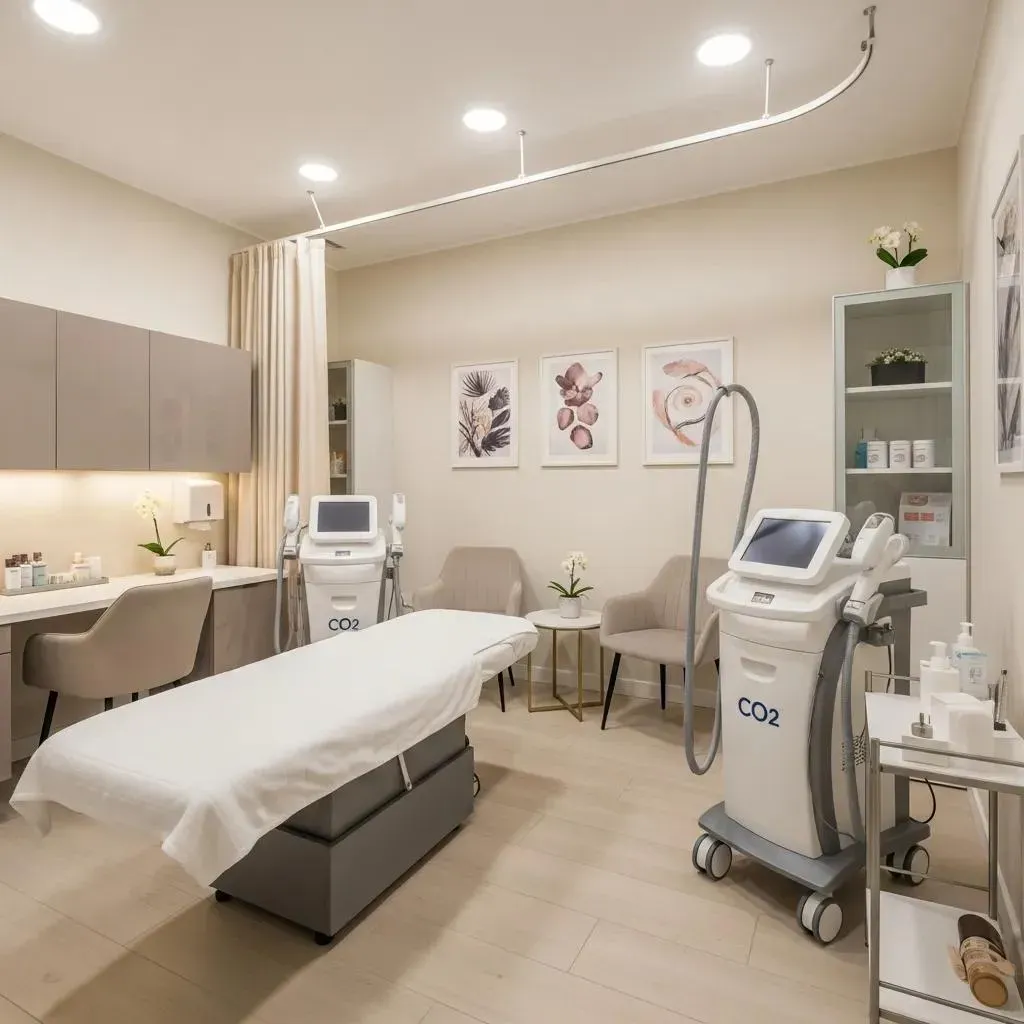
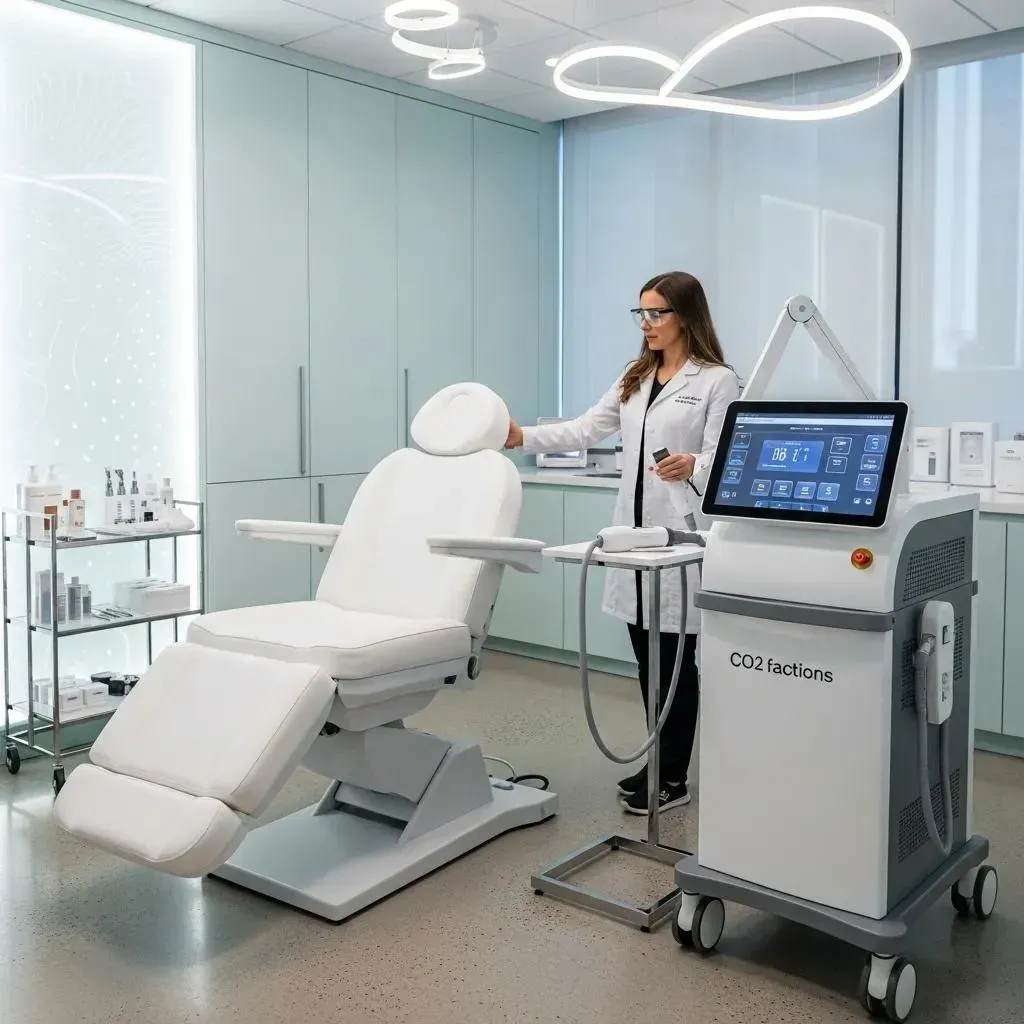
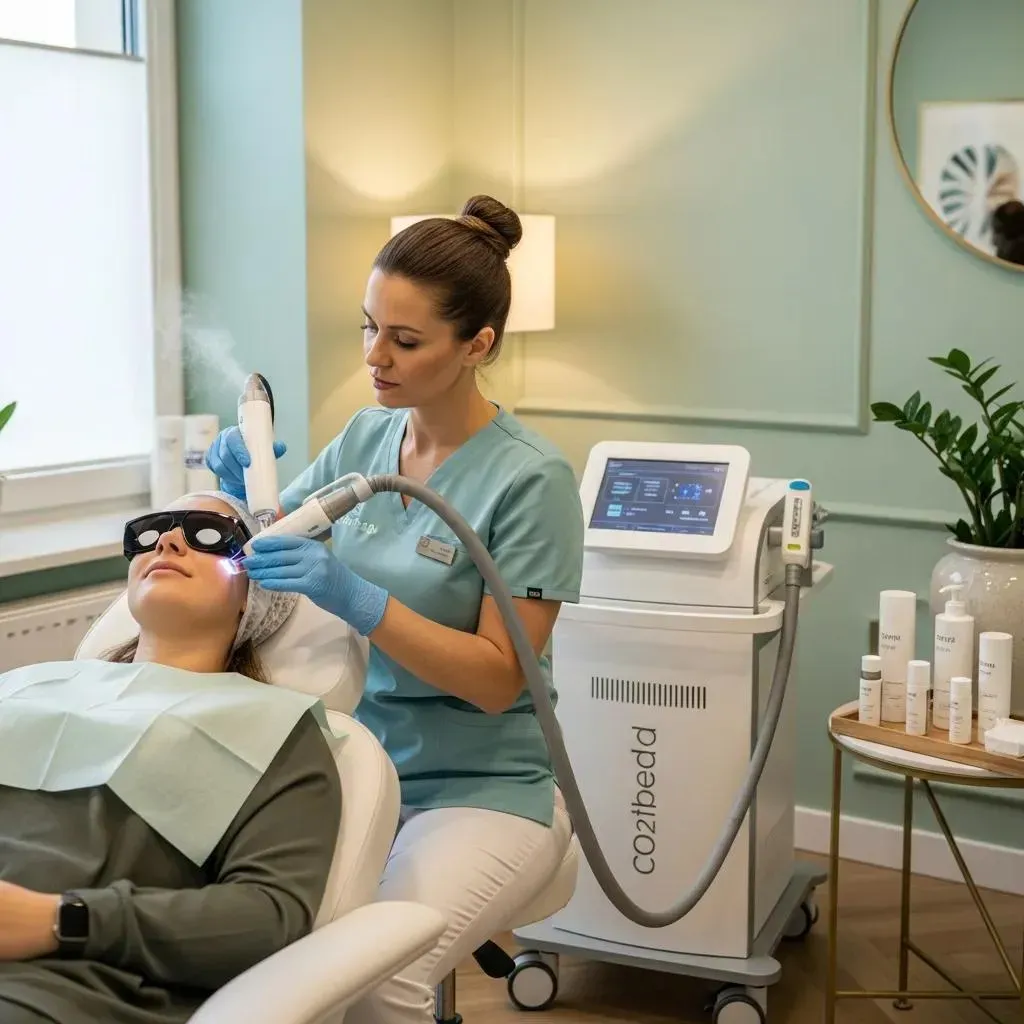
CO2 laser treatments can be more intensive because they may remove portions of the outer skin while heating deeper tissue. That controlled injury can stimulate remodeling, but it also requires careful healing. If you had a CO2 laser resurfacing treatment,
follow your clinician’s wound-care instructions closely. Recovery varies with
treatment depth and settings, so another person’s routine may not suit your skin.
Can red light therapy help during recovery?
Red light therapy is often discussed for skin wellness, but it should not automatically be added after laser treatment. Your clinician should decide whether it is suitable, when to start, and which device is appropriate. The evidence behind the health benefits of red light therapy includes possible effects on cellular activity and tissue repair, but results
vary with wavelength, dose, condition, and treatment protocol. More is not always better.
What should you avoid after laser treatment?
Think gentle, simple, and consistent. Avoid picking, harsh exfoliation, unapproved acids or retinoids, tanning, and heat exposure until your clinician says they are safe. Also avoid comparing your recovery with someone else’s social media post. Laser settings, skin type, treatment goals, and healing responses differ. A personalized timeline is far more useful than a generic promise.
How can you protect your results after healing?
Once your skin has fully healed, build a simple maintenance routine. Gentle cleansing, regular moisturization, and daily broad-spectrum sunscreen can help protect your skin from environmental damage. Your clinician may also recommend a gradual return to active ingredients such as retinoids or exfoliating acids. Introduce them only when your skin is ready because stronger is not automatically better. If your concern is texture, wrinkles, sun damage, or pores, your treatment plan may include more than one approach. The best treatment for enlarged pores depends on why pores look prominent and your skin’s condition.
Why does personalization matter more than a perfect skincare shelf?
A laser procedure is not simply a device placed on skin. Your medical history, medications, skin type, previous procedures, healing pattern, and goals can affect treatment planning and recovery. A physician-led medical spa can bring these details together through consultation, medical assessment, digital imaging, and follow-up. This helps you understand what is being treated and why the approach fits your needs. The same principle applies to wellness. Skin health does not exist alone. Sleep, nutrition, hormones, weight, stress, and energy can influence how you feel while pursuing long-term aging and wellness goals.
Your practical recovery checklist
Keep your post-treatment plan somewhere easy to see. Follow cleansing instructions. Protect the area from sun. Use only approved products. Keep your hands away from peeling skin. Track changes without obsessing over them. Take photos if your clinician recommends them. Attend follow-up visits. Ask questions whenever something feels different from what you were told to expect. Good aftercare is not about chasing perfect
skin overnight. It is about giving your body the right conditions to repair, protecting your investment, and knowing when professional guidance is needed.
Final takeaway
The safest path after laser treatment is steady, simple care guided by your medical provider. Protect healing skin, avoid irritation, respect downtime, and report unusual symptoms early.
At Growing Younger Clinic, we personalize your laser recovery plan. Email
info@growingyoungerclinic.com or call (256) 325-6398 Call to get details related to skin
care after laser treatment and related information.
FAQs
1. How long does skin take to heal after laser treatment?
Healing depends on the laser and treatment depth. Some procedures heal within days, while ablative resurfacing can take several weeks for surface recovery.
2. Can I wash my face after laser treatment?
Follow your provider’s cleansing instructions. Gentle cleansing may be recommended, but timing and products vary by procedure and your skin’s condition.
3. When can I use retinol after laser treatment?
Do not restart retinol until your clinician says your skin has healed enough. Starting too soon may cause irritation and delay comfortable recovery.
4. Can I exercise after laser treatment?
Ask your provider when to resume exercise. Heat, sweating, and flushing may need to be limited during early healing after some procedures.
5. When should I call my doctor after laser treatment?
Contact your provider for worsening pain, spreading redness, significant drainage, fever, increasing swelling, or any symptom that seems unusual.