
Back
March 23, 2026 | Nic Menezes
Botox vs Xeomin: Which Anti-Aging Injection Suits You?
Demand for injectable neurotoxins such as Botox and Xeomin has risen among patients who want to reduce visible facial aging. This guide explains how each product works, their formulation differences, and key practical considerations so you can discuss options at a specialised clinic like Growing Younger Clinic.
What Are Botox and Xeomin? Understanding Neurotoxin Injectables
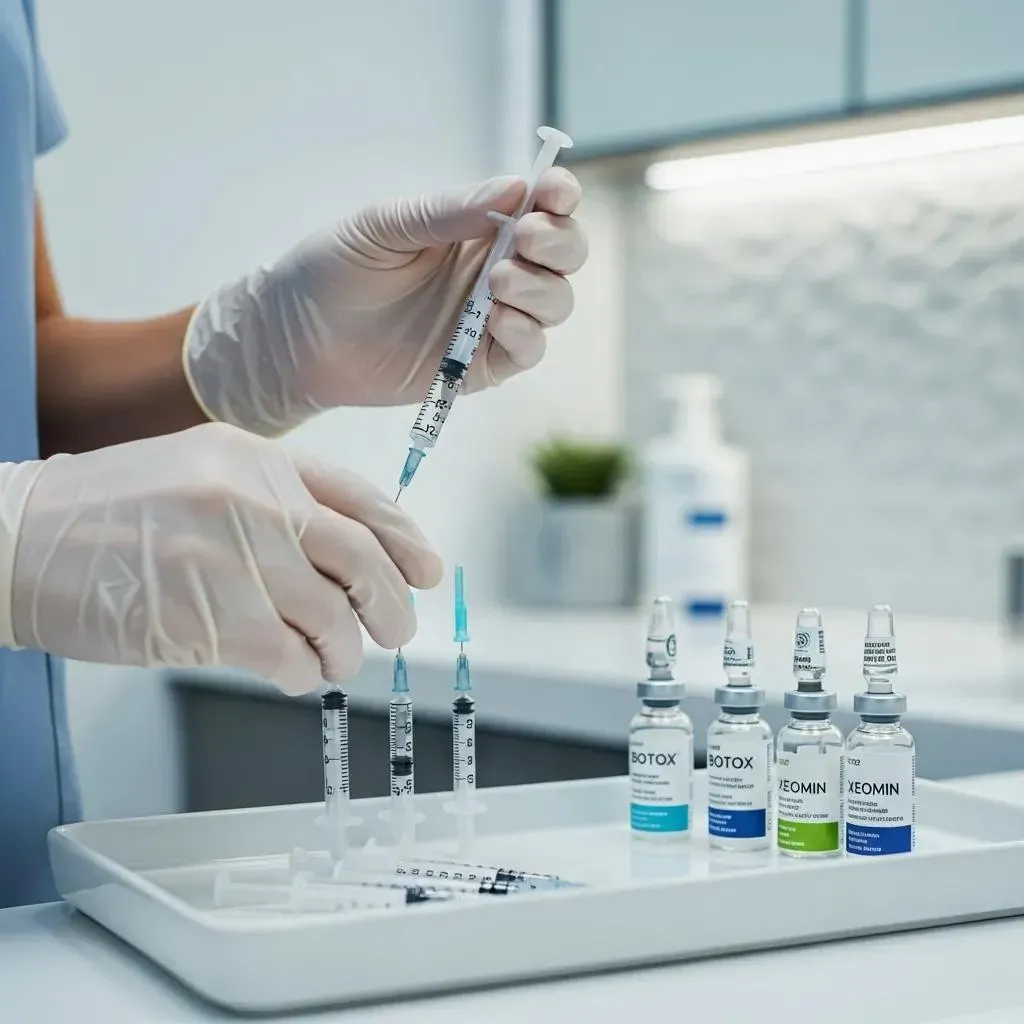
Botox and Xeomin are botulinum toxin type A injectables used primarily to reduce dynamic expression lines. Both act at the neuromuscular junction to lower muscle activity that forms wrinkles. The main formulation difference is that Botox includes accessory proteins while Xeomin is a purified, "naked" toxin; the absence of accessory proteins may reduce the chance of antibody formation in some patients.
How Do Botox and Xeomin Work to Reduce Wrinkles?
Both inhibit presynaptic release of acetylcholine, interrupting the nerve signal that causes muscle contraction. Precisely placed injections soften dynamic wrinkles—for example, crow's feet and glabellar lines. Onset is usually within days, and effects commonly last roughly three to six months, varying with individual response and treatment technique.
What Are the Key Differences Between Botox and Xeomin?
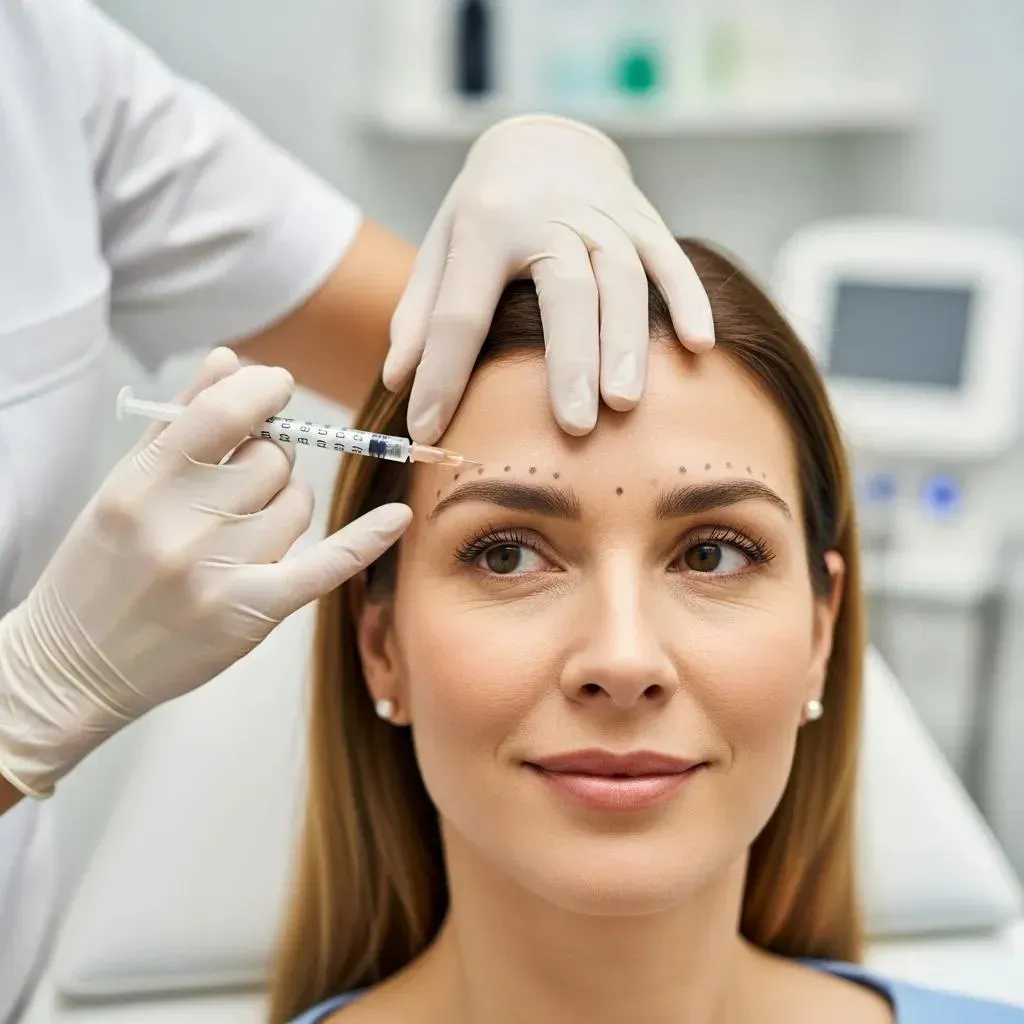
The primary distinction is formulation and potential immunogenicity. Botox contains accessory proteins that, in some patients, have been associated with antibody development and reduced response over time. Xeomin omits those proteins and may offer a more consistent response for patients with suspected resistance. Onset and duration are broadly similar; a provider will recommend the best option for your anatomy and goals.
How Do Botox and Xeomin Compare in Efficacy, Duration, and Cost?
Compare efficacy, durability, and per-unit cost alongside practitioner technique and the treated area when choosing between products.
| Injectable | Efficacy | Duration | Cost |
|---|---|---|---|
| Botox | High | 3-4 months | $12-$15 per unit |
| Xeomin | High | 3-4 months | $10-$14 per unit |
Both agents are effective for dynamic wrinkle reduction, with benefits typically lasting a few months. Unit prices vary by provider and region; consider clinician expertise and the treatment area when budgeting.
Further research has evaluated the long-term effectiveness and safety of these neurotoxins, including comparative studies.
Long-Term Efficacy & Safety of Botox, Xeomin, Dysport
Currently available BT type A drugs include Botox, Dysport and Xeomin. This is the first long-term study comparing all three major BT drugs. We collected treatment, efficacy and adverse effect data on BPS patients treated with either Botox, Dysport or Xeomin for at least eight consecutive treatments.
Blepharospasm: long-term treatment with either Botox, Xeomin or Dysport, 2015
Which Injection Provides Longer-Lasting Anti-Aging Results?
Durations are generally comparable; individual variation is common. Some patients anecdotally report slightly longer persistence with Xeomin, possibly linked to its purified formulation, but technique, treated region, and metabolism strongly influence longevity. Maintenance injections are typically scheduled to preserve results.
What Are the Cost Differences Between Botox and Xeomin Treatments?
Costs vary by clinician, location, and units needed. Botox is often priced a little higher than Xeomin—typical ranges are about $12–$15 per unit for Botox and $10–$14 per unit for Xeomin. Ask your provider for an estimate that includes the total treatment cost.
What Are the Safety Profiles and Side Effects of Botox and Xeomin?

Both products have established safety profiles when used by trained, licensed professionals. Common, usually short-lived effects include bruising, swelling, and redness at the injection site; less common events include headache or temporary eyelid ptosis. Review risks and contraindications with your provider before treatment.
How to Choose the Best Anti-Aging Injection for Your Needs?
Choice depends on medical history, prior responses to neurotoxins, aesthetic goals, and budget. A qualified provider will assess your skin and facial anatomy, explain differences, and recommend a personalised plan to minimise risk and optimise results.
What to Expect During a Consultation at Growing Younger Clinic?
In a consultation at Growing Younger Clinic you will receive a focused assessment of skin quality and facial structure. The clinician will review your goals, explain clinical differences between Botox and Xeomin, and propose a tailored treatment plan.
- Consultation Steps: Assessment : Evaluation of your skin and facial anatomy. Discussion : Overview of treatment options and expected outcomes. Treatment Plan : Customization of your anti-aging strategy.
For more information or to schedule a consultation, reach Growing Younger Clinic at (256) 325-6398 or visit 8103 Hwy 72 W C C, Madison, AL 35758.
To explore maintenance options, visit Growing Younger Clinic's anti-aging page for services tailored to your needs. This guide should help you make an informed choice between Botox and Xeomin.
If you have questions or want to book an appointment, please contact us. We are here to support your aesthetic goals.
Frequently Asked Questions
What are the potential long-term effects of using Botox and Xeomin?
Long-term botulinum toxin use can alter muscle dynamics and may subtly change resting facial appearance over time. Repeated treatments can yield a more relaxed resting look as targeted muscles remain less active. There is a potential for immunogenic resistance, especially with formulations containing accessory proteins; regular follow-up allows monitoring and plan adjustments.
Can Botox or Xeomin be used for areas other than the face?
Yes. Both have non-cosmetic therapeutic uses, including hyperhidrosis (excessive sweating), chronic migraine, and certain neuromuscular conditions. Appropriateness for these indications requires evaluation by a healthcare professional.
How do I prepare for a Botox or Xeomin treatment?
Preparation typically includes avoiding anticoagulant medications and NSAIDs (for example, aspirin and ibuprofen) for at least 24 hours before injection to reduce bruising. Stay hydrated and avoid alcohol. Your clinician will give specific pre-procedure instructions based on your medical history.
What should I do if I experience side effects after treatment?
Mild side effects—bruising, swelling, or headache—are usually transient; a cold compress may help. For severe symptoms such as difficulty swallowing or breathing, seek immediate medical attention and contact your provider promptly for follow-up.
How often should I get Botox or Xeomin injections?
Frequency depends on individual response and goals. Effects commonly last three to six months; many patients have maintenance treatments every three to four months. Your provider will recommend an interval tailored to muscle activity and results.
Are there any contraindications for using Botox or Xeomin?
Contraindications include known hypersensitivity to product components, certain neuromuscular disorders, and pregnancy or breastfeeding. Active infection or inflammation at the intended site requires postponement. Disclose your full medical history to determine suitability and ensure safety.
Conclusion
Choosing between Botox and Xeomin shapes your anti-aging approach. Knowing differences in formulation, efficacy, duration, and cost helps you make an informed decision. For personalised advice and a tailored plan, schedule a consultation at Growing Younger Clinic to identify the most appropriate option for your skin.