
Back
December 8, 2025 | Nic Menezes
Maximize Your Results: Best Practices for Filler Maintenance
Aftercare for Dermal Fillers - Simple, Evidence-Based Steps to Protect Your Results
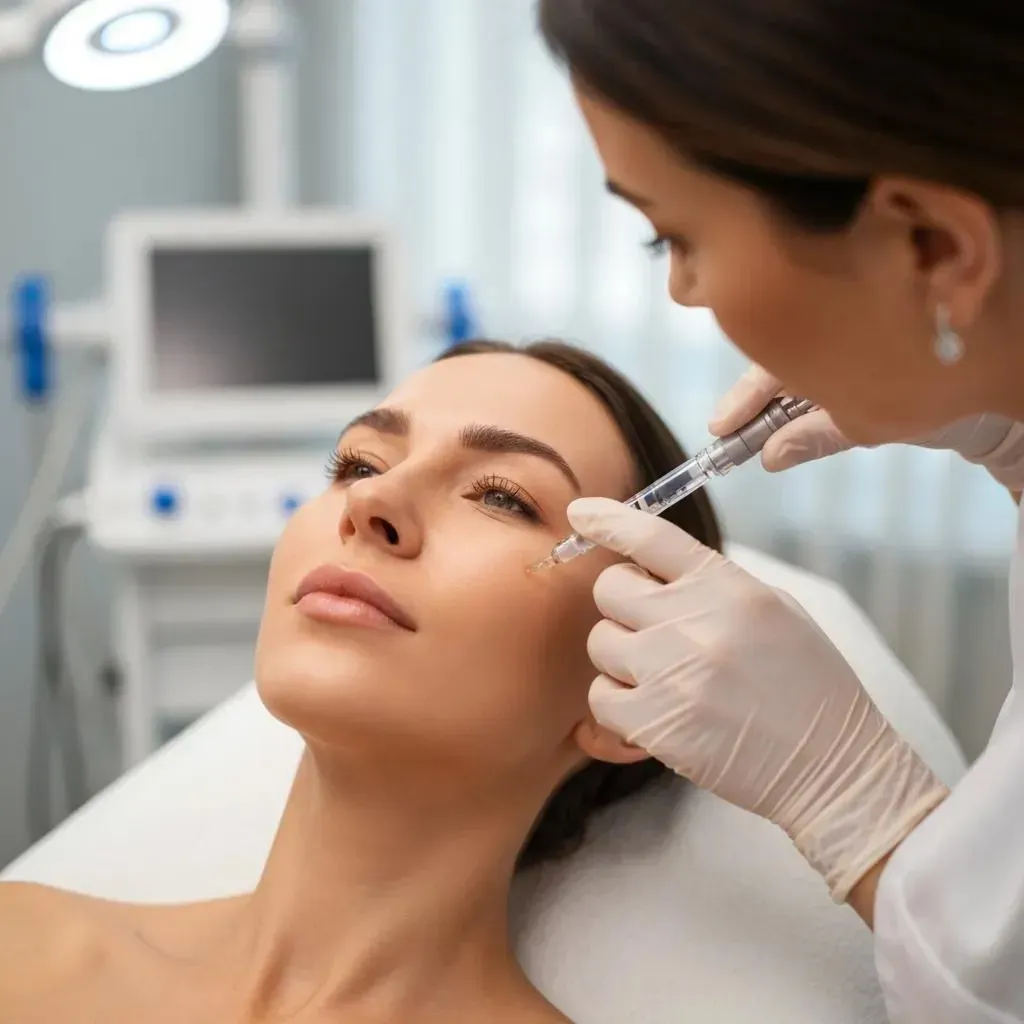
Dermal fillers are injectable gels-often made with hyaluronic acid (HA) or biostimulatory materials-that restore volume, support soft tissue, and sometimes encourage collagen production. The right aftercare helps your filler settle, reduces swelling and bruising, and protects how long your results last so you get the natural outcome you expect. Many people worry about product shift, prolonged swelling, or visible bruising; following evidence-informed aftercare lowers those risks and speeds recovery. This guide walks you through immediate (0-24 hour) steps, short-term management of swelling and bruising, sensible lifestyle limits, when to return to makeup and actives, long-term habits to prolong results, and how to spot and respond to complications. You'll find clear timelines, practical "why" explanations, product-class recommendations, and short checklists to make recovery straightforward and safe.
Immediate aftercare - what to do in the first 24 hours
The first day after treatment focuses on protecting the injection sites, keeping swelling in check, and avoiding anything that could move product or introduce infection. Simple mechanical and chemical precautions during the initial 24 hours help the filler integrate with surrounding tissue and reduce inflammation. These steps lower the chance of asymmetry, ease discomfort, and set you up for an easier next few days. Follow these actions now so your 24-72 hour recovery window is smoother and more predictable.
- Do not touch, rub, or press treated areas for at least 24 hours to avoid shifting the product or adding bacteria.
- Use a cold compress intermittently (10-15 minutes on, 10-15 minutes off) to limit swelling and bruising.
- Drink water and avoid alcohol and blood-thinning supplements the first day to reduce bleeding risk.
- Sleep with your head slightly elevated the first night and skip strenuous exercise until the next day.
These basic precautions protect placement and reduce early inflammation. Next we explain why keeping your hands off the area matters at the tissue level.
Why you shouldn't touch or press the treated area
Touching or pressing injection sites can physically move filler and change the contours your clinician created-especially in the first 24-48 hours before the gel settles into surrounding tissue. Pressure also increases local blood flow and swelling, which can exaggerate unevenness and slow recovery. There's a small infection risk if hands aren't clean. Only follow gentle, provider-directed massage when and exactly as instructed to correct tiny irregularities-otherwise avoid touching the area.
Keeps hands away and you preserve the clinician's intended result. The next practical tool to help is cold therapy.
How to use ice safely to reduce swelling and bruising

Cold narrows superficial blood vessels, which limits fluid leakage and early bruising when applied correctly. Use a wrapped ice pack or a cold compress with a thin cloth barrier to prevent frostbite. Apply for 10-15 minutes, then remove for 10-15 minutes; repeat as needed during the first 24-48 hours. Use light contact only-firm pressure can risk displacement. If you have cold urticaria or circulatory problems, skip cold therapy and check with your provider for alternatives.
Used safely, cold therapy usually lowers peak swelling in the first two days and shortens bruise visibility, which leads into short-term strategies for managing side effects.
Managing common side effects: swelling and bruising
Mild swelling and bruising are common after filler injections; knowing expected timelines and safe remedies helps you separate normal healing from concerning signs. Swelling generally peaks at 24-48 hours and fades over 1-2 weeks. Bruises often appear 12-48 hours after treatment and clear in 7-14 days. Effective home measures include cold compresses, head elevation, selective use of arnica, and acetaminophen for pain. If symptoms worsen or persist, seek professional evaluation. Knowing which remedy helps which symptom lets you choose safe, evidence-informed steps.
Common approaches include cold and elevation for early swelling, topical or oral arnica for some bruise reduction, and acetaminophen for pain. Avoid NSAIDs like ibuprofen unless your clinician approves, since they can increase bleeding. For prolonged swelling or irregularity after HA filler, hyaluronidase administered by a qualified clinician can dissolve the product. Below is a quick comparison to guide choices and cautions.
Remember: remedies differ by patient and product-check with your injector for advice tailored to you.
| Remedy | Treats | Typical Timing | Key Cautions |
|---|---|---|---|
| Cold compress / elevation | Swelling, early bruising | First 24-48 hours, intermittent | Avoid pressure; wrap ice in cloth; not for cold urticaria |
| Arnica (topical/oral) | Bruise reduction | Start immediately, daily for 3-7 days | Check for allergies; avoid with open wounds or certain anticoagulants |
| Acetaminophen (Tylenol) | Pain control | As needed in first 24-72 hours | Follow dosing instructions; avoid NSAIDs unless advised |
In short: cold and elevation are first-line for swelling, arnica may help bruises for some people, and acetaminophen relieves pain without thinning the blood in the way NSAIDs can. If home care isn't enough, your clinician will advise next steps.
Top approaches to reduce swelling
Combine immediate cold compresses, head elevation (sleep with extra pillows or use a recliner), and general measures like staying hydrated and modestly reducing sodium to limit fluid retention. For pain, use acetaminophen per dosing guidance rather than NSAIDs for the first 48-72 hours unless cleared by your clinician. Rarely, asymmetric or persistent swelling may require hyaluronidase to dissolve HA filler-this is an in-office intervention used only when clinically indicated. These steps prioritize safety and reduce the need for corrective procedures.
Addressing swelling early gives the best chance of an uncomplicated recovery. Next we cover arnica, a commonly asked-about adjunct.
Does arnica help with bruising after fillers?
Arnica montana (topical gels or oral homeopathic formulations) has anti-inflammatory properties and some clinical reports suggest it can reduce bruise size or speed resolution for certain people. Apply topical formulas to intact skin around a bruise and consider oral products for a few days post-procedure if you tolerate them. Evidence is mixed and responses vary-always check for allergies and discuss use with your injector, especially if you're taking blood thinners or have open wounds. Stop use if you notice irritation.
When used appropriately, arnica can be a helpful part of a broader plan to reduce visible bruising alongside lifestyle precautions.
Practical lifestyle limits after fillers
Lifestyle changes aim to reduce bleeding, inflammation, and heat exposure that can worsen swelling or speed filler breakdown. Key limits include avoiding alcohol and blood-thinning supplements around the procedure, postponing strenuous exercise for 24-48 hours, and avoiding intense heat (saunas, sunbathing) for several days. These steps reduce vascular flow and inflammatory responses that can lead to bruising or migration. Clear time windows for each activity make it easy to plan your week after treatment.
Below is a quick reference of common activities, why to avoid them briefly, and recommended durations so you can plan recovery.
| Activity | Rationale | Recommended Duration |
|---|---|---|
| Alcohol | Vasodilation increases bleeding/bruising | Avoid 24-48 hours pre/post |
| Strenuous exercise | Raises blood flow and blood pressure; can increase swelling | Avoid 24-48 hours after injection |
| Sauna / tanning / hot baths | Heat increases inflammation and may speed filler breakdown | Avoid 48-72 hours (or until swelling subsides) |
Think of these as short safety windows to lower complications and protect your aesthetic result. Next we explain the physiology behind avoiding alcohol, caffeine, and intense workouts so the guidance feels logical, not arbitrary.
Why skip alcohol, caffeine, and hard exercise right after treatment?
Alcohol and high caffeine intake can dilate blood vessels and increase bleeding into tissues, which makes bruises larger and slower to clear. Vigorous workouts raise heart rate and blood pressure, increasing blood flow to treated areas and potentially worsening swelling or encouraging filler movement. For most patients, a 24-48 hour break from heavy exercise and alcohol is sufficient-light walking is fine and recommended to keep circulation gentle. Planning ahead reduces the chance of noticeable bruising or prolonged inflammation.
Understanding the physiology helps you choose low-risk activities in early recovery and protects the cosmetic outcome, along with guarding against heat and UV exposure.
How to protect your skin from sun and heat after fillers
Heat and UV exposure increase skin blood flow and inflammatory signals, which can amplify swelling and may speed filler breakdown over time. Once your routine skincare returns, use a broad-spectrum SPF 30+ daily, wear a wide-brim hat in strong sun, and avoid tanning beds and prolonged direct sun for at least 48-72 hours after injections. Skip hot showers, infrared treatments, and saunas while swelling persists. These precautions protect short-term recovery and support longer-lasting results.
Keeping your skin cool and protected reduces immediate swelling and helps preserve filler effects by limiting inflammation-driven breakdown. Next we cover when it's safe to restart skincare and makeup.
When can you safely resume makeup and skincare?
Timing depends on the injection sites, how you healed, and the products involved. As a conservative rule, gentle makeup is usually safe after 24-48 hours if the skin is intact and swelling is mild. Strong actives-retinoids, high-strength acids, and professional peels-should be delayed for 1-2 weeks. Hydrating serums (including hyaluronic acid) and daily SPF are generally safe to reintroduce early. Staging your return to products reduces irritation and supports the filler integrating smoothly into tissue.
Plan a phased return: cleansing and SPF as soon as the skin is intact, light makeup at 24-48 hours, and active treatments after a week or more as tolerated and cleared by your provider.
| Product Type | When to Resume | Recommended Ingredients or Alternatives |
|---|---|---|
| Gentle cleansers | 24 hours if no open wounds | Fragrance-free, gentle, lukewarm rinse |
| HA serums / moisturizers | 24-48 hours | Hyaluronic acid, glycerin for hydration |
| Retinoids / strong acids | 1-2 weeks | Delay until provider clears; use gentle alternatives first |
| Makeup (foundation/powder) | 24-48 hours | Apply with clean tools; avoid vigorous rubbing |
Skincare after fillers: what to choose
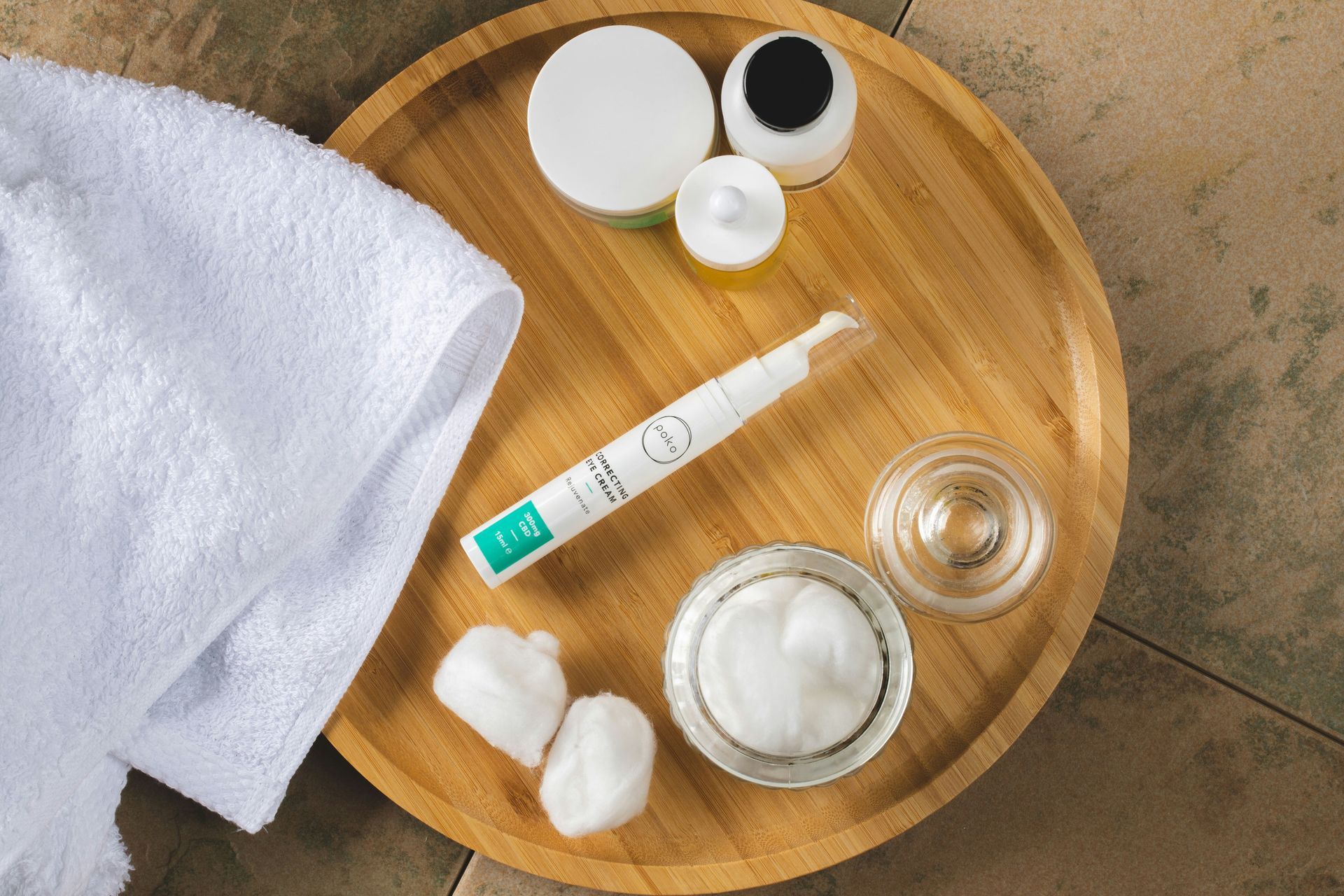
Opt for gentle, fragrance-free cleansers and hydrating formulas that support the skin barrier without disturbing filler placement. Topical hyaluronic acid serums draw and hold moisture and can complement HA fillers-use them without vigorous massage. Apply broad-spectrum SPF 30+ every morning to protect skin and slow photoaging, which can indirectly affect filler appearance over months. Hold off on strong actives (retinoids, glycolic acid, in-office exfoliation) until your provider confirms healing-these ingredients can irritate treated skin too soon after injection.
Choosing calming, protective products creates a stable environment for fillers and lowers the chance of irritation that could complicate results.
How to cleanse gently after treatment
Use lukewarm water and gentle, patting motions rather than rubbing or scrubbing. Cleanse twice daily with fingertips or a soft cloth, avoiding abrasive exfoliants and microdermabrasion until cleared by your injector. After cleansing, apply a light moisturizer and morning SPF; at night prioritize hydration and barrier repair over active ingredient penetration. These small technique changes reduce mechanical stress on treated areas and support steady filler integration.
Maintaining filler results for the long term
Longevity depends on product choice, lifestyle, and maintenance. HA fillers add volume by attracting water; biostimulatory fillers (for example, Sculptra) stimulate collagen over months. Knowing your filler type sets realistic expectations. Daily habits-regular SPF use, not smoking, good hydration, and suitable skincare-affect how long results last. Routine follow-up lets your provider assess and schedule touch-ups to preserve symmetry and a natural look.
Building these routines reduces metabolic and environmental pressures that accelerate filler breakdown and helps you decide when a touch-up is right.
For clinic-led maintenance, Growing Younger Clinic offers follow-up evaluations and personalized touch-up scheduling. Our on-site M.D. and licensed team provide oversight so your maintenance is safe and effective. Free consultations are available to discuss long-term plans, product selection, and timing based on your goals.
Hydration and sun protection best practices
Stay hydrated with regular water intake and use topical humectants-HA serums help skin retain moisture and complement HA fillers. Wear broad-spectrum SPF 30+ daily to protect collagen and skin health; physical protection (hats, shade) reduces direct UV exposure. Quitting smoking and eating a nutrient-rich diet support collagen maintenance and slow the metabolic pace that breaks down filler. Schedule periodic skin checks with your injector so home care can be adjusted over time.
When to schedule follow-ups and touch-ups
Timing varies by filler and individual metabolism: many HA fillers last 6-18 months, while biostimulatory products improve over months and follow different maintenance plans. Signs for a touch-up include gradual volume loss, mild asymmetry, or a desire for refreshed contours-minor, planned corrections often look most natural. We commonly recommend a two-week review to confirm settling, then routine check-ins every 6-12 months depending on product and goals. Regular reviews keep results consistent and predictable.
Recognizing and responding to complications
It's important to tell normal post-treatment effects from warning signs so problems are treated quickly. Normal responses include mild redness, tenderness, and swelling that clear in days to two weeks. Red flags are increasing pain, disproportionate swelling, skin blanching or dusky discoloration, and any visual changes-these need immediate attention. Early recognition leads to phone triage, urgent in-office review, or emergency care as needed. Clear escalation steps help you act quickly and appropriately if something feels wrong.
Normal side effects versus warning signs
Normal effects: mild swelling peaking at 24-48 hours, light bruising resolving in one to two weeks, and short-lived tenderness at injection sites. Warning signs: severe or worsening pain, rapidly spreading redness, pale or dusky patches suggesting vascular compromise, sudden vision changes, persistent lumps or hard nodules, or infection indicators (fever, purulent drainage). Any of the warning signs warrant immediate evaluation. Knowing the difference helps you decide whether to continue conservative care or seek clinician-led treatment.
When to contact Growing Younger Clinic
Call Growing Younger Clinic right away for severe pain, expanding discoloration, vision changes, signs of infection, or any blanching/skin necrosis so our team can triage and arrange urgent evaluation. Our on-site M.D. and licensed staff can assess and provide in-office interventions, including hyaluronidase for HA-related vascular concerns when appropriate. If you notice symptoms outside expected timelines or anything that feels unusual, describe your signs by phone and follow the team's instructions-this may include same-day review or a scheduled clinic visit.
- If you experience severe pain, spreading discoloration, or sudden vision changes, seek immediate care.
- For prolonged or bothersome swelling/bruising without other red flags, arrange a clinic evaluation within 48-72 hours.
- For minor concerns, schedule a routine follow-up so we can confirm resolution and avoid unnecessary emergency visits.
These steps clarify when to self-manage and when to contact a clinician, completing a practical pathway from immediate care through complication response and maintenance.
If you'd like, our team can answer questions, explain available services, and help you arrange a free consultation or appointment.
Frequently Asked Questions
What should I avoid after getting dermal fillers?
Avoid touching or pressing treated areas for at least 24 hours to prevent displacement and infection. Skip strenuous exercise, alcohol, and blood-thinning supplements for 24-48 hours because they can increase swelling and bruising. Also avoid heat sources-saunas, hot tubs, and prolonged sun exposure-for several days to limit inflammation and protect the filler.
How long until swelling and bruising go down?
Swelling usually peaks at 24-48 hours and subsides over 1-2 weeks. Bruising commonly appears within 12-48 hours and resolves in 7-14 days. Healing varies by injection site, filler type, and individual factors-cold compresses and proper aftercare can help speed recovery.
Can I wear makeup right after treatment?
You can usually wear gentle makeup after 24-48 hours if there are no open wounds or significant swelling. Avoid heavy application and don't rub the treated area. Hold off on strong actives and aggressive exfoliation for at least 1-2 weeks.
What are signs of complications after filler injections?
Watch for severe or increasing pain, rapidly spreading redness, pale or dusky patches that may signal vascular compromise, sudden vision changes, persistent lumps, or signs of infection (fever, drainage). If you see any of these, contact your provider immediately for evaluation.
How can I make results last longer?
Use daily SPF 30+, stay hydrated, avoid smoking, and follow a skincare routine that supports collagen health. Regular follow-ups with your injector let you schedule touch-ups before major changes occur-this combined approach helps results last longer.
When should I book a follow-up appointment?
We usually recommend a two-week review to confirm the filler has settled. After that, routine check-ins every 6-12 months are common depending on product and goals. If you notice volume loss or asymmetry earlier, schedule a touch-up sooner.
Conclusion
Thoughtful aftercare is a small effort that makes a big difference: it reduces swelling and bruising, protects placement, and helps your filler last longer and look natural. Follow the simple steps above, reach out if you notice anything unusual, and consider a follow-up with our team at Growing Younger Clinic for personalized guidance. Visit our services page to learn more or book a free consultation to discuss your treatment plan.