Back
October 14, 2026 | Jamey Wagner
Hydrafacial Options by Skin Goal: From Cleansing to Surface Renewal!
Hydrafacial treatments offer a non-invasive way to cleanse pores, exfoliate dead skin cells, and hydrate the skin. The best option depends on your skin goals, sensitivity, and overall condition. With personalized assessment and realistic expectations, you can choose suitable care for dullness, dryness, congestion, and uneven texture while supporting long-term skin health through daily skincare and sun protection.
Healthy-looking skin starts with the right care, not a complicated routine. Hydrafacial treatments offer a gentle way to cleanse, hydrate, and refresh your skin, with options tailored to your goals and comfort.
Hydrafacial Options: Which Treatment Fits Your Skin Goals?
Hydrafacial treatments help cleanse pores, remove dead skin cells, and hydrate your skin in one session. If you are exploring hydrafacial services in Hazel Green, your best option
depends on your skin concerns, sensitivity, and desired results. A personalized plan helps you choose wisely.
What Is a Hydrafacial, and How Does It Work?
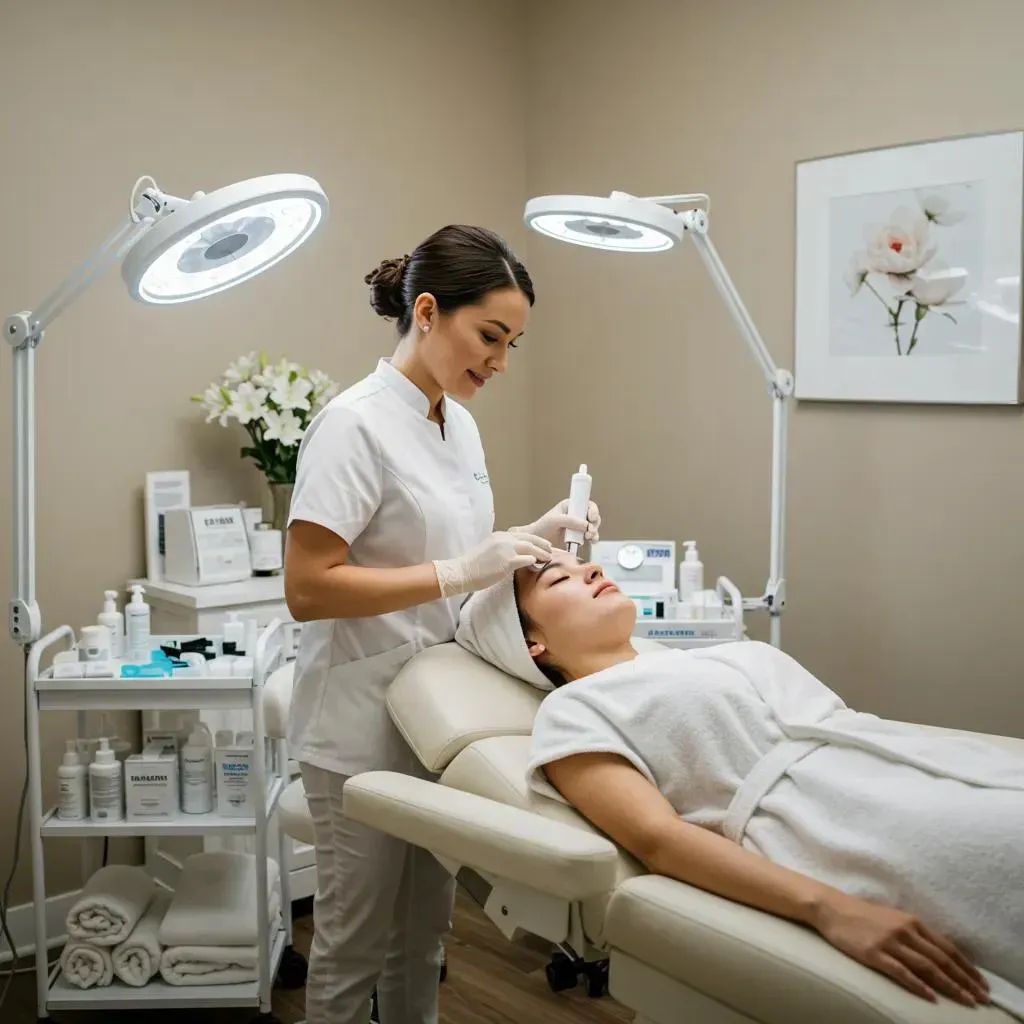
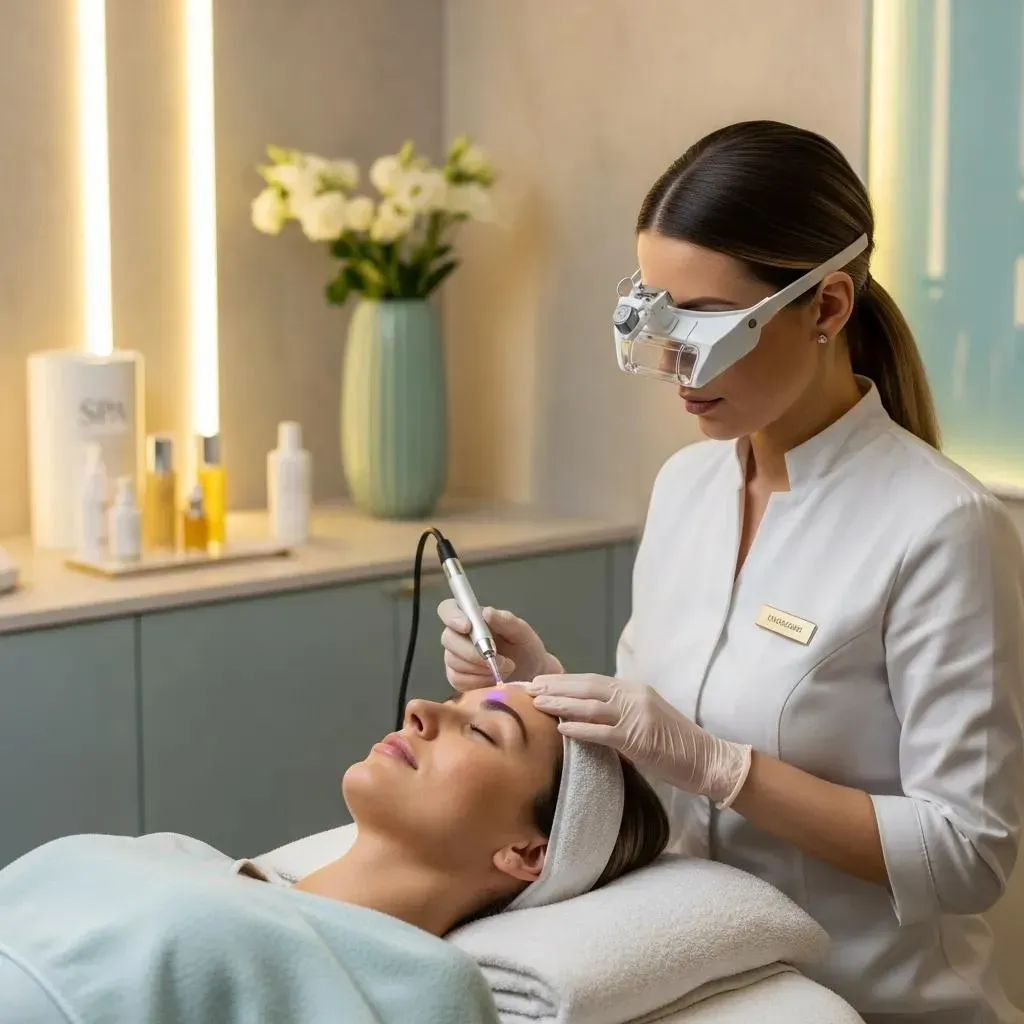
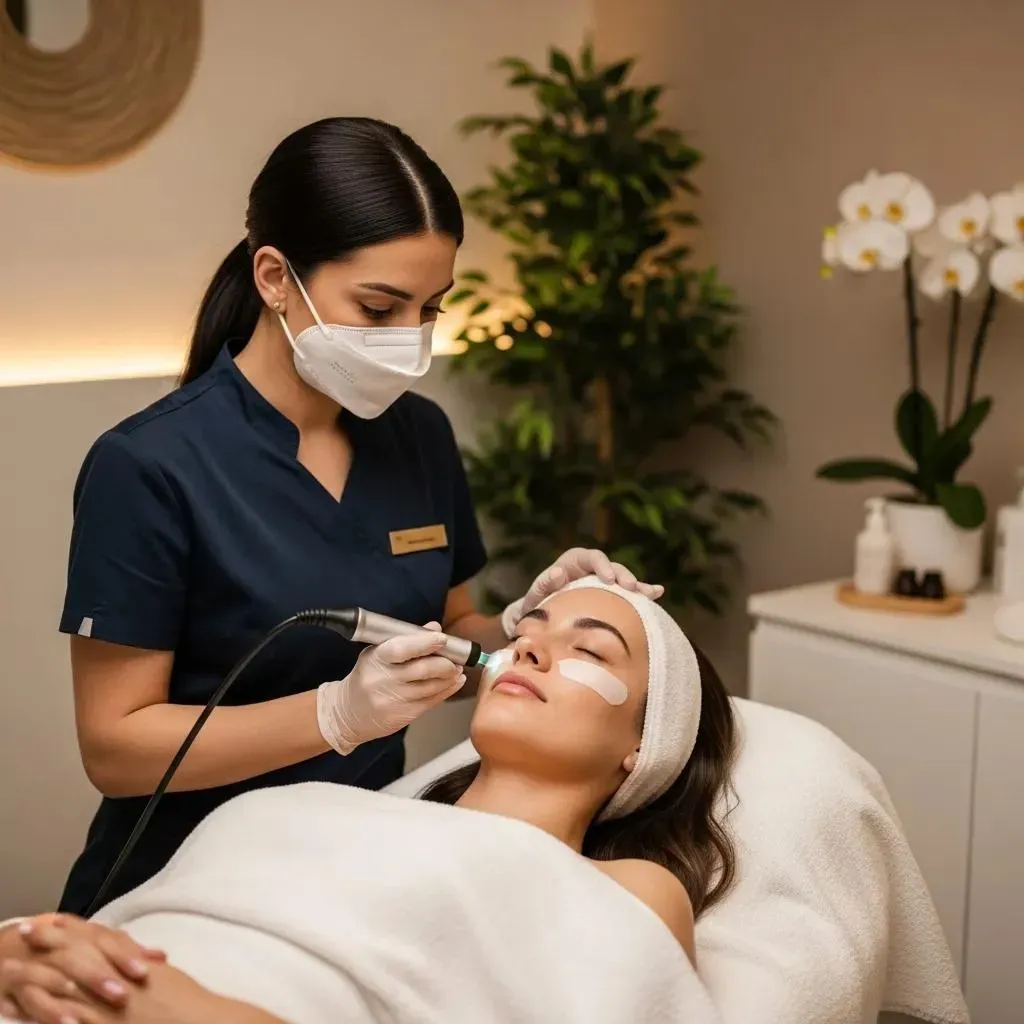
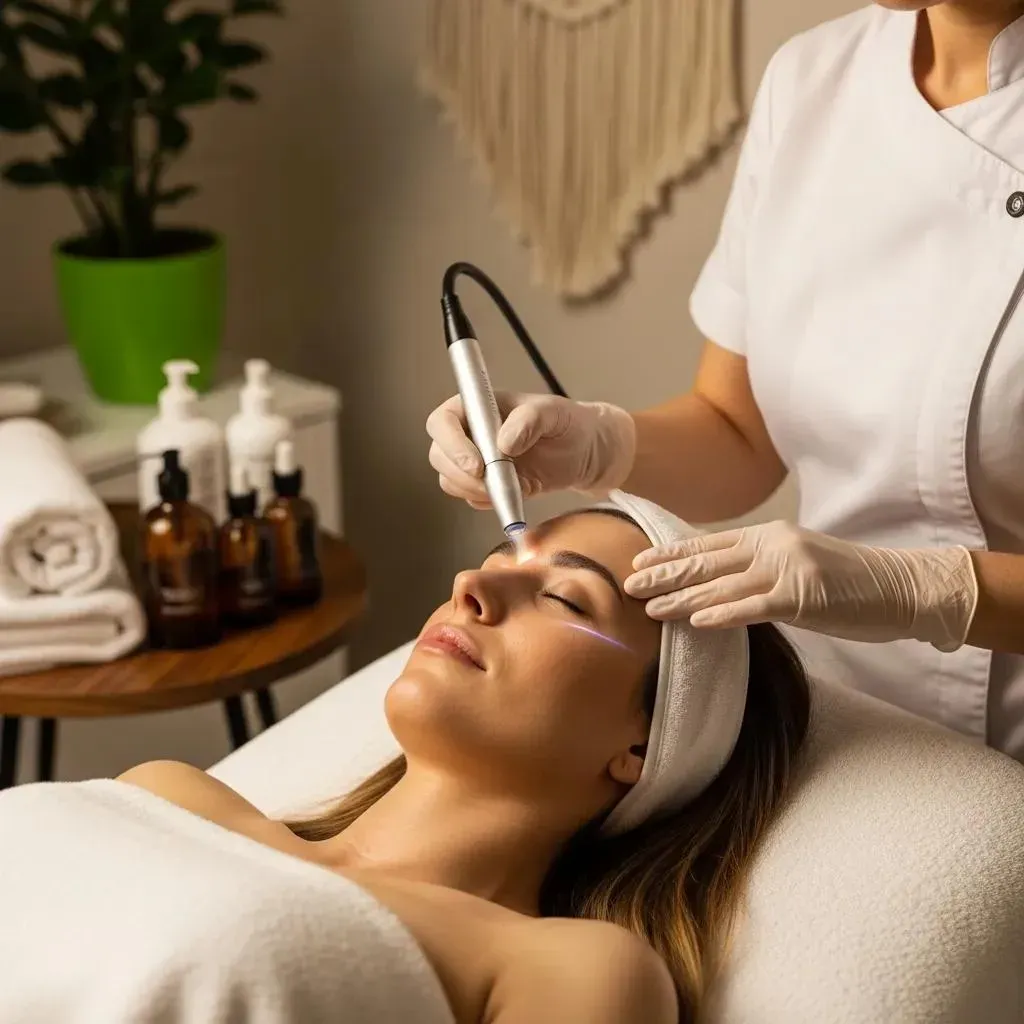
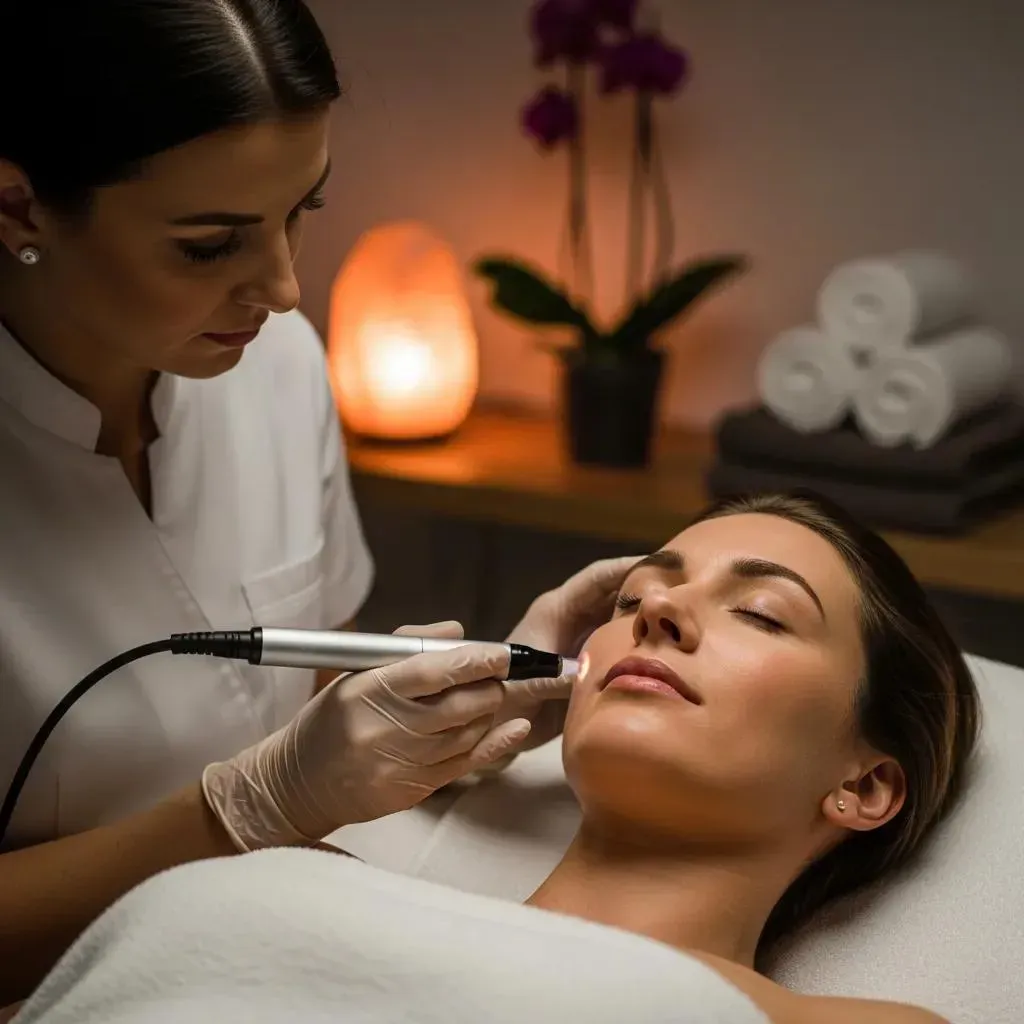
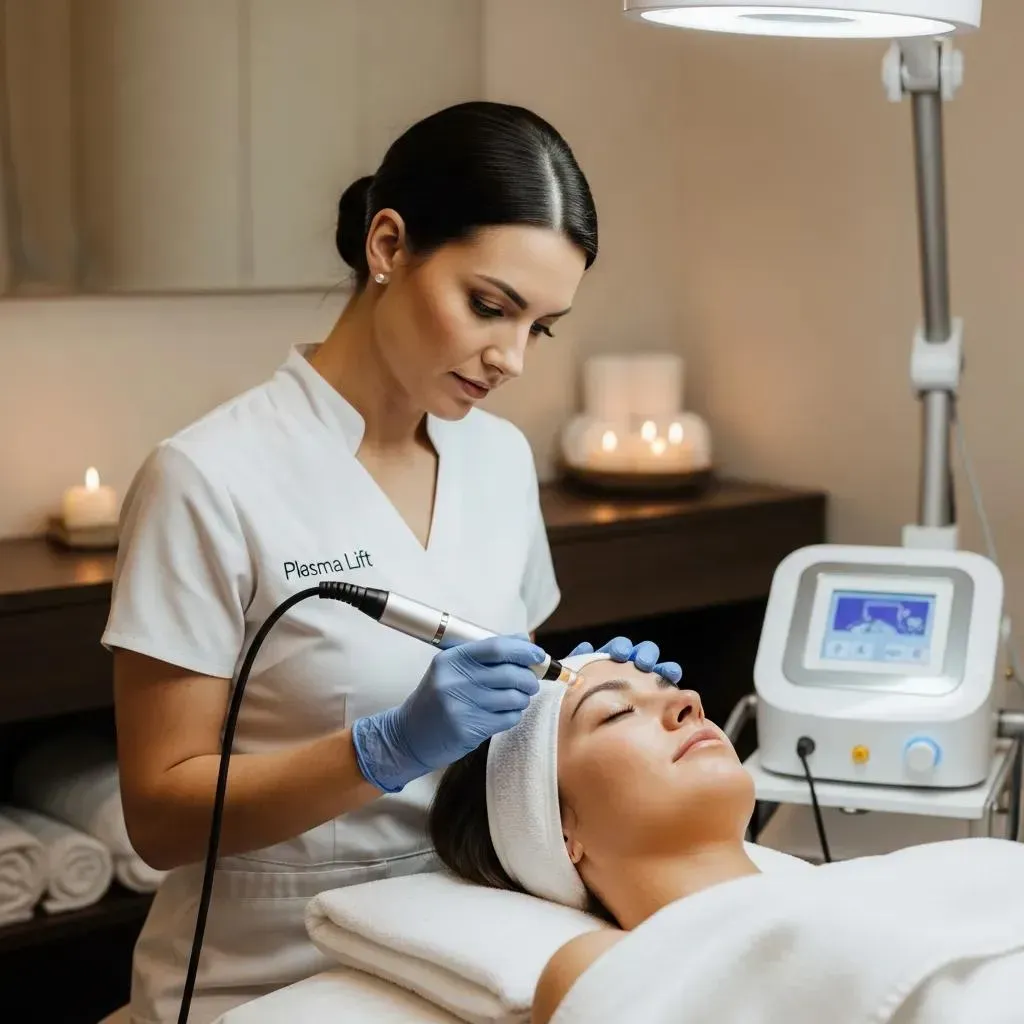
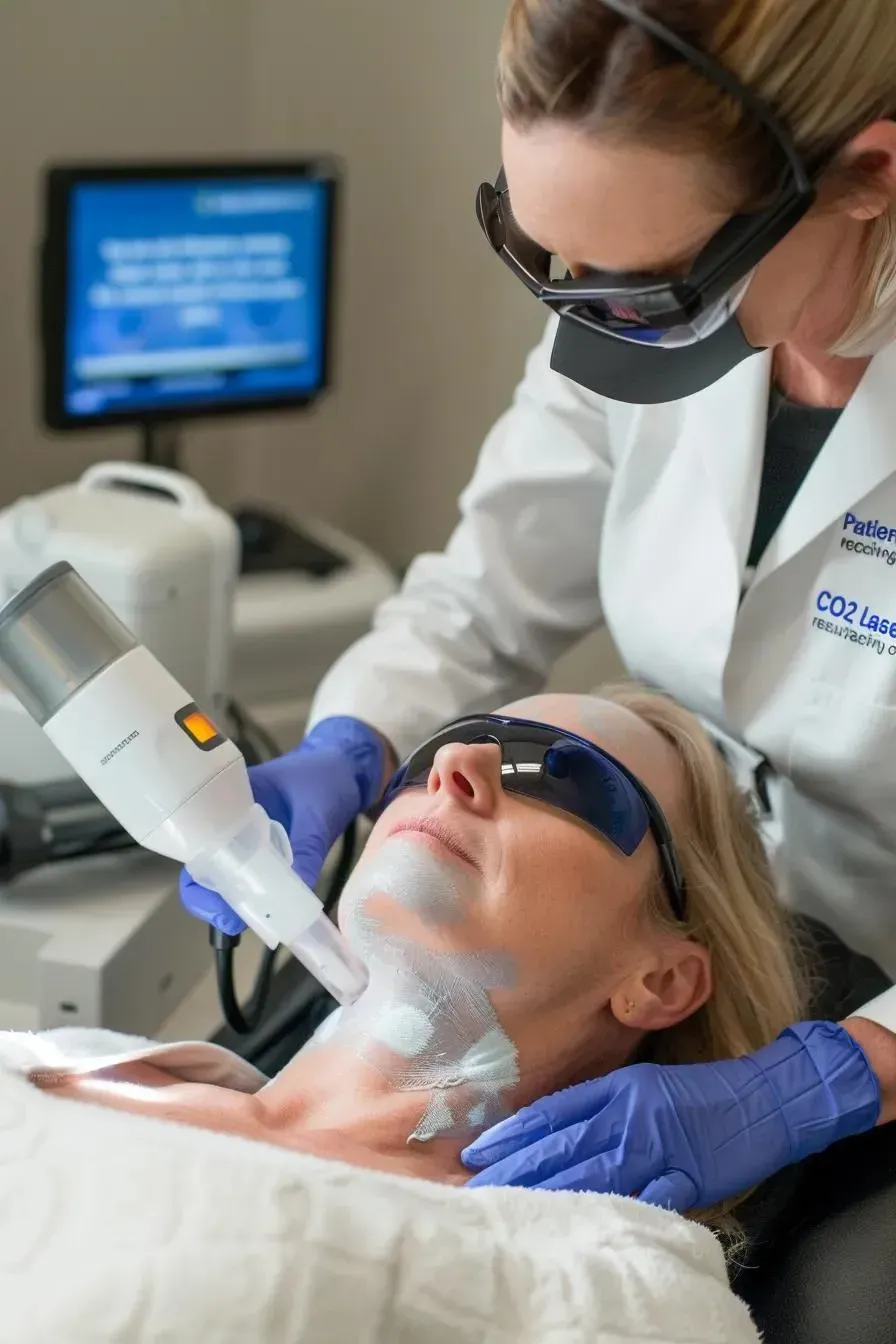
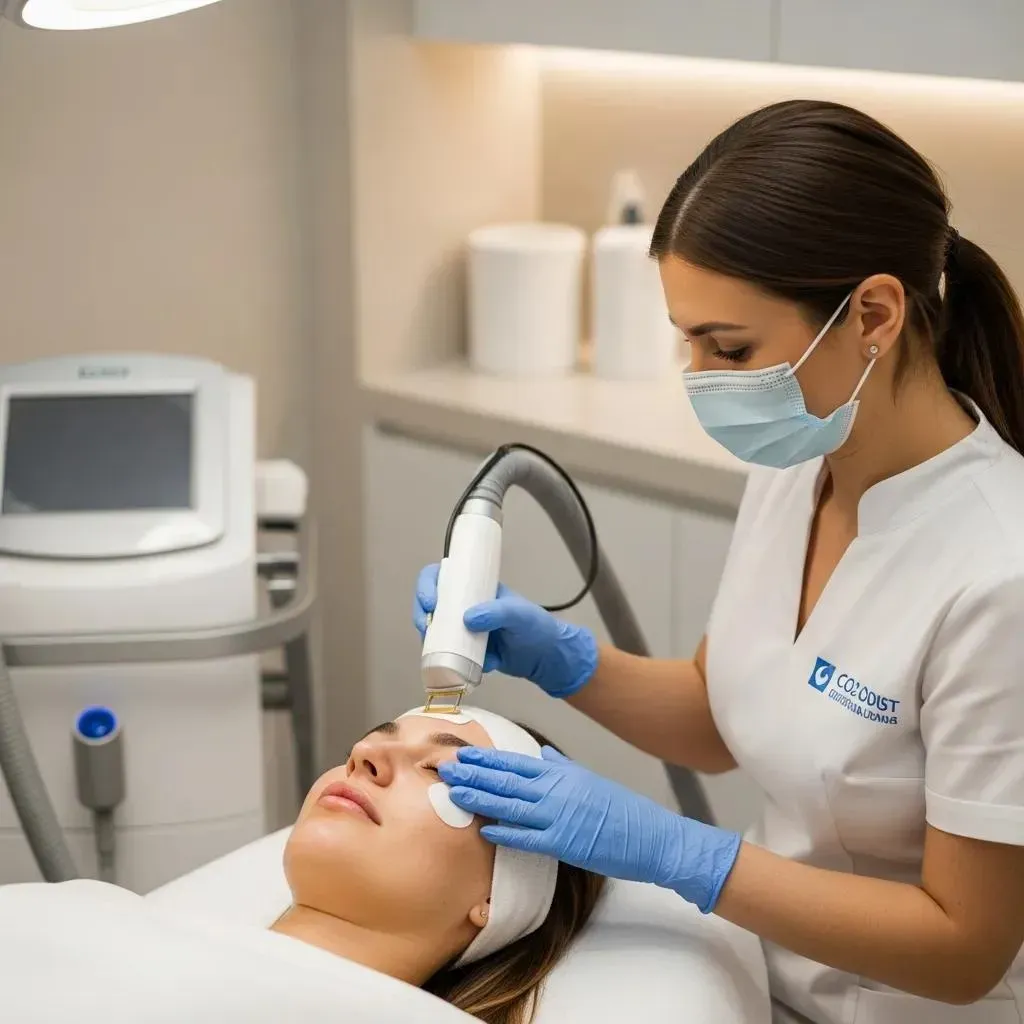
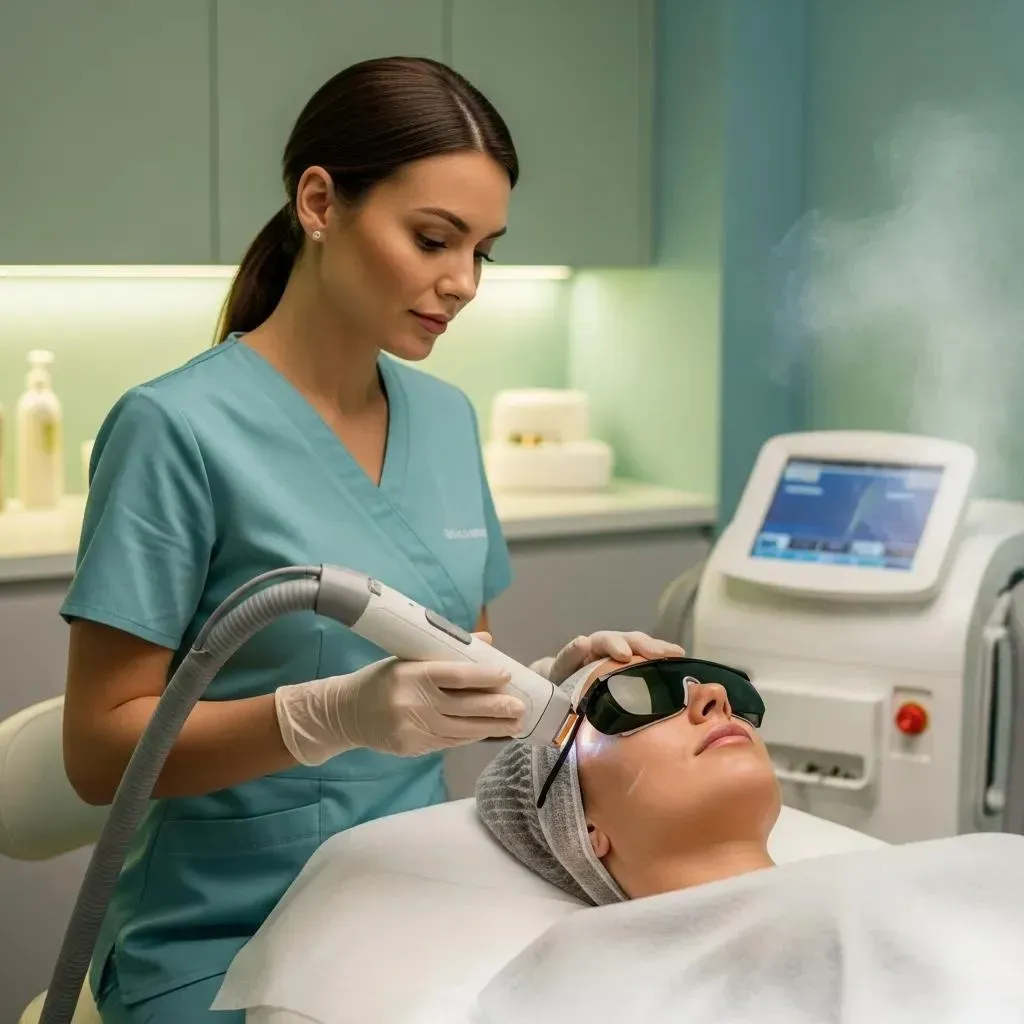
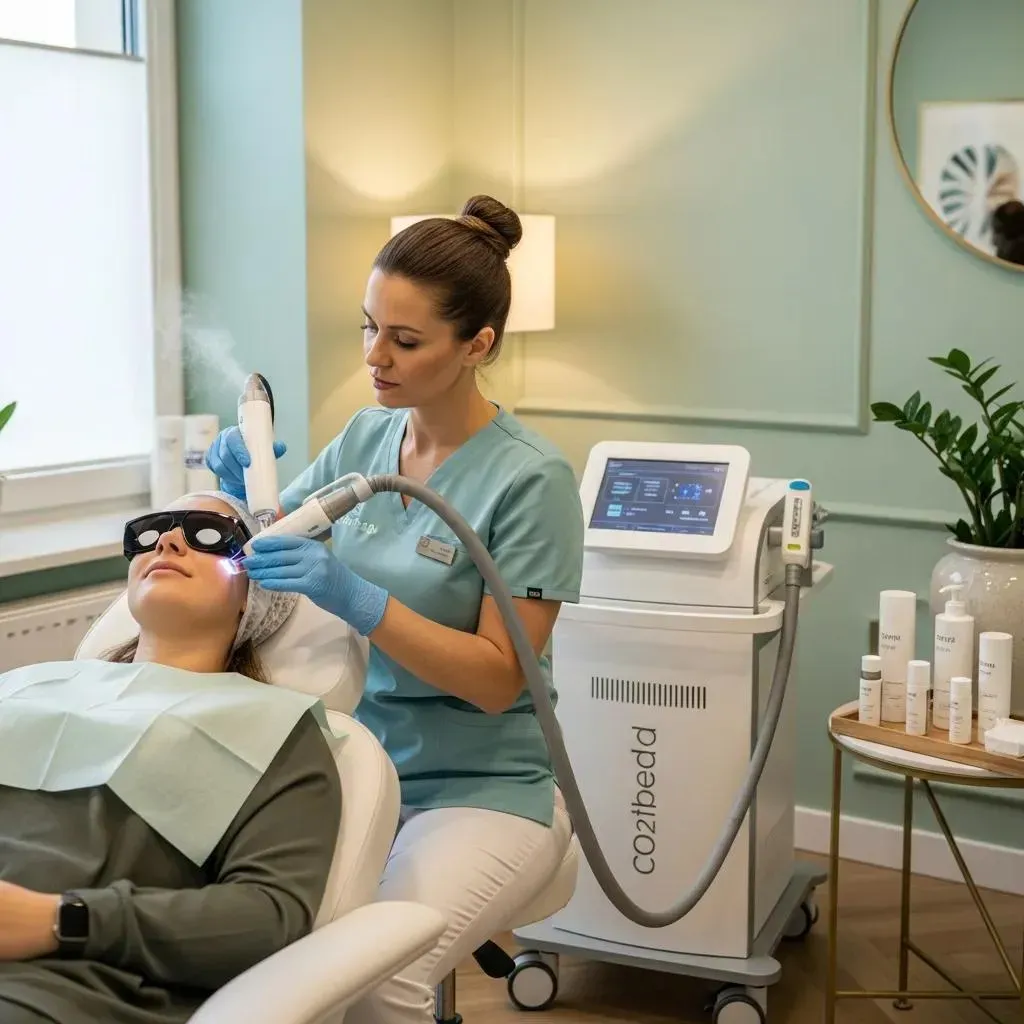
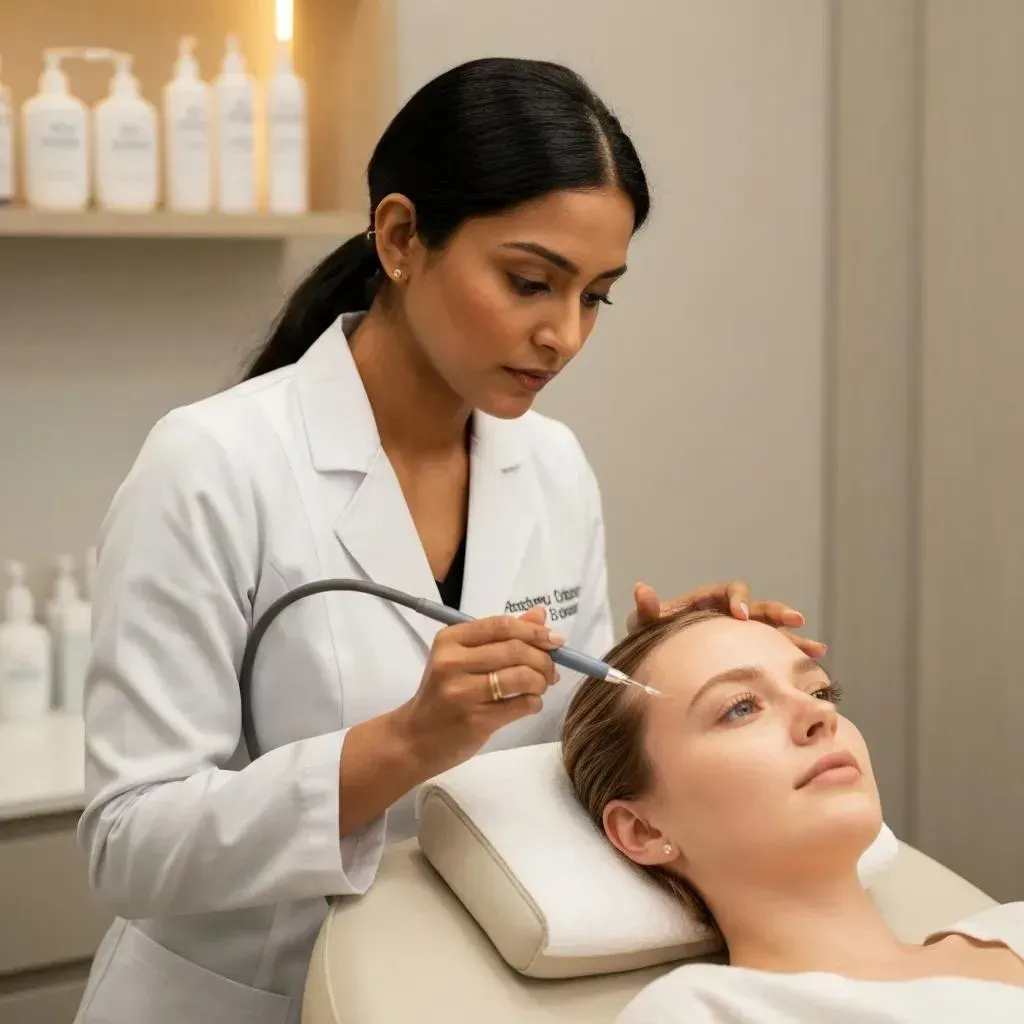
A Hydrafacial is a non-invasive skin treatment that combines cleansing, gentle exfoliation, pore extraction, and hydration. The device uses a specialized tip and fluid-based technology to help remove surface debris while delivering moisturizing ingredients to the skin. Think of it as a fresh start for your skin. It can help improve dullness, dryness, and the appearance of clogged pores without the recovery period often associated with more intensive resurfacing treatments. Results vary by skin type and treatment plan.
1. For Deep Cleansing: Clear Away Everyday Buildup
Does your skin feel oily, congested, or rough despite regular washing? A cleansing-focused Hydrafacial can help remove excess surface oil, dead skin cells, and debris that collect in pores. Gentle extraction may also help improve the appearance of blackheads. Your skin does not need harsh scrubbing to feel clean. A professional treatment offers a controlled approach to exfoliation and pore care. However, severe acne, painful cysts, or inflamed breakouts may need medical assessment rather than a standard facial alone.
2. For Dry, Tight Skin: Restore a Softer Feel
Dry skin can feel uncomfortable and look less radiant, especially when the skin barrier loses moisture. Hydrating Hydrafacial options use moisturizing ingredients, such as hyaluronic acid, to help attract and retain water near the skin's surface. Think of hydration as watering a plant. It helps the surface feel supple, but it cannot reverse every cause of dryness. If your skin stays irritated, flaky, or itchy, your clinician can help assess possible triggers and recommend suitable home care.
3. For Dull Skin: Bring Back a Healthy-Looking Glow
Dead skin cells can build up on the surface, making your complexion look uneven or tired. Gentle exfoliation helps lift some of this buildup, while hydration can make skin appear smoother and more
refreshed. A glow-focused treatment may suit you before an event or as part of regular skin maintenance. Still, glowing skin is not the same as permanently changing skin tone. Daily sunscreen, gentle cleansing, and a suitable moisturizer help maintain your results between appointments.
4. For Uneven Texture: Support Smoother-Looking Skin
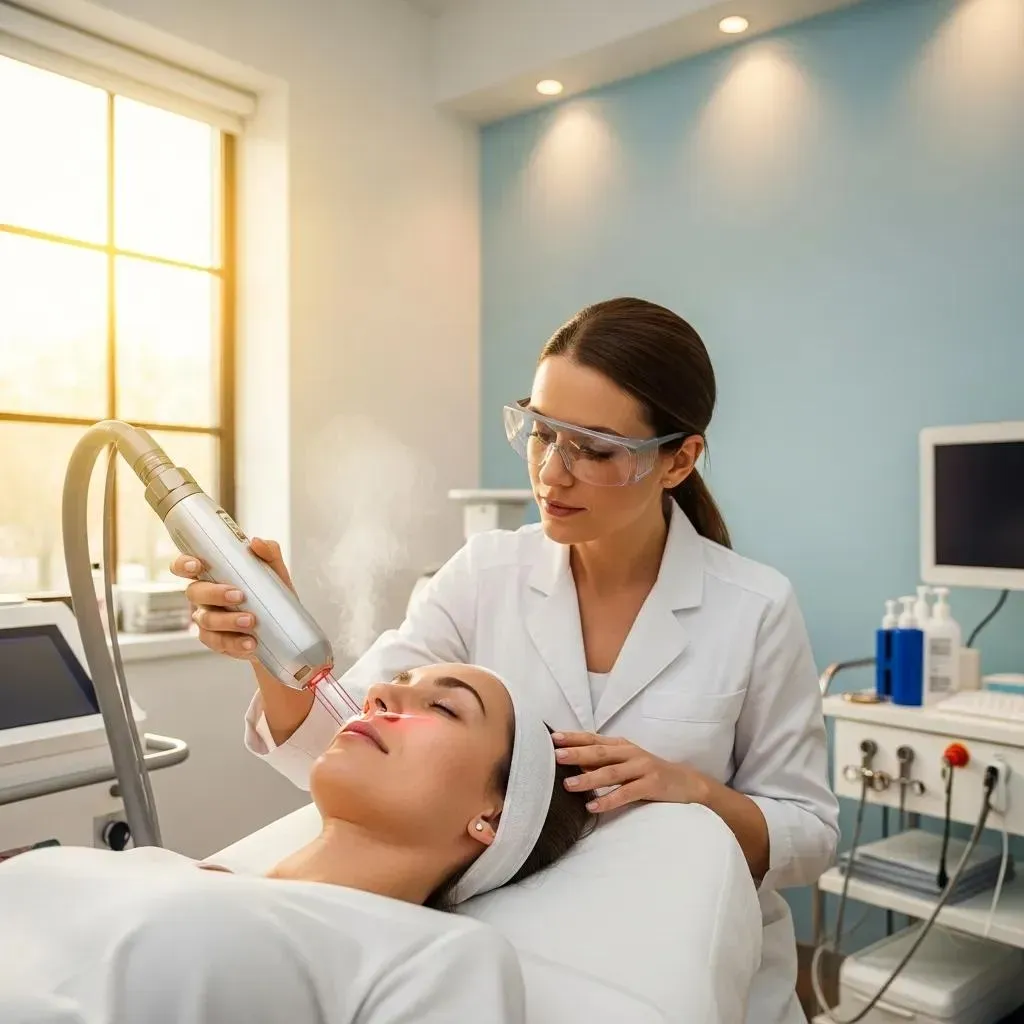
Rough patches and mild surface irregularities can affect how light reflects off your skin. Hydrafacial exfoliation may help soften the feel of superficial roughness and improve the appearance of mild congestion. However, deeper acne scars, pronounced wrinkles, and significant texture changes may not respond well to Hydrafacial alone. Your clinician can explain whether another treatment, such as a medically supervised resurfacing procedure, may better match your needs and skin type.
5. For Visible Signs of Aging: Refresh Without Overpromising
As you age, your skin changes in texture, moisture, and elasticity. Sun exposure also contributes to fine lines, uneven pigmentation, and other visible signs of aging. Hydrafacial treatments can support a smoother, hydrated appearance, helping your skin look refreshed. The treatment does not replace collagen-focused procedures or erase deeper wrinkles. A realistic plan considers your skin history, goals, budget, and tolerance for downtime. Your clinician can help you decide whether Hydrafacial alone or a combination of treatments makes sense.
6. For Congested or Oily Skin: Balance Your Approach
Oily skin still needs moisture. Stripping away too much oil with strong cleansers or frequent exfoliation may leave the skin irritated. A suitable Hydrafacial can help remove surface buildup while
supporting hydration. Your treatment should match your skin's current condition, not just its usual type. If you use prescription acne products, have active irritation, or recently underwent a peel, tell your provider before treatment. This helps reduce the chance of discomfort or unwanted reactions.
How to Choose the Right Hydrafacial for Your Skin
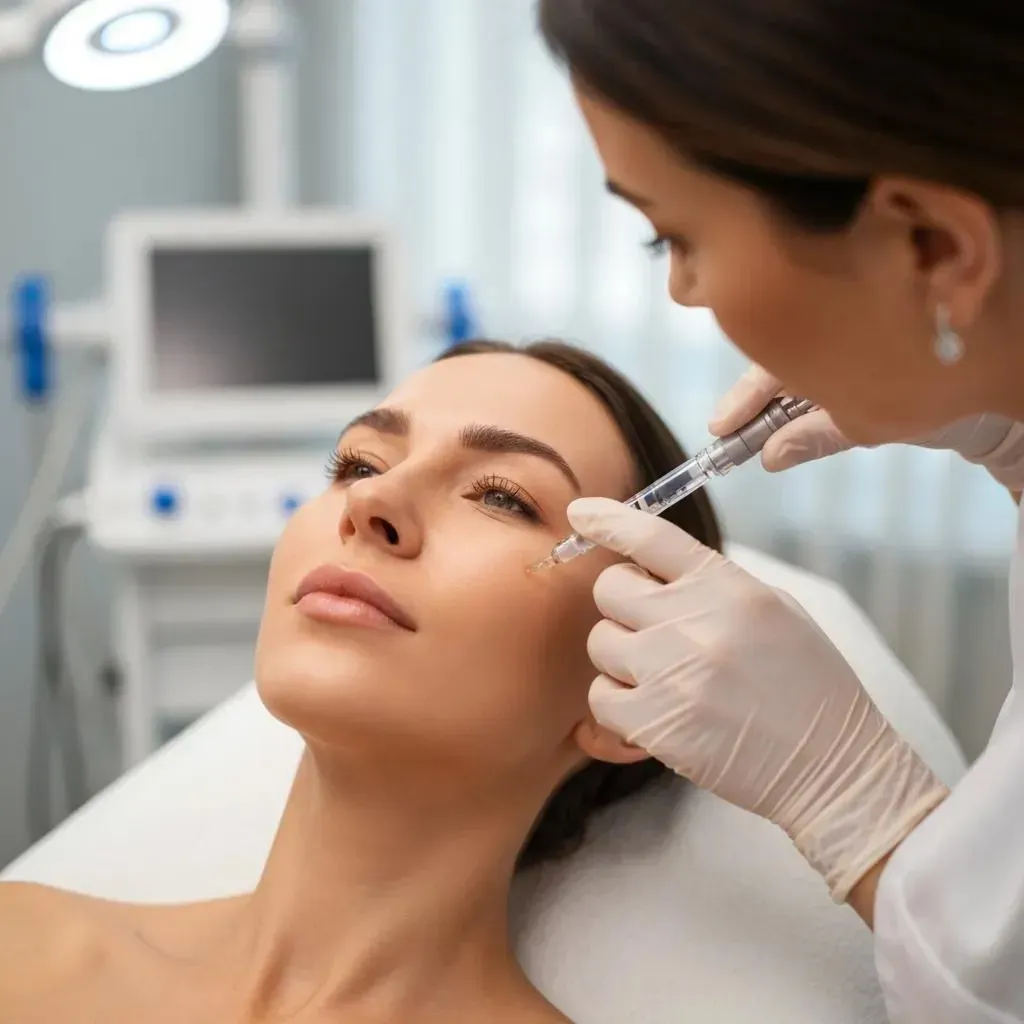
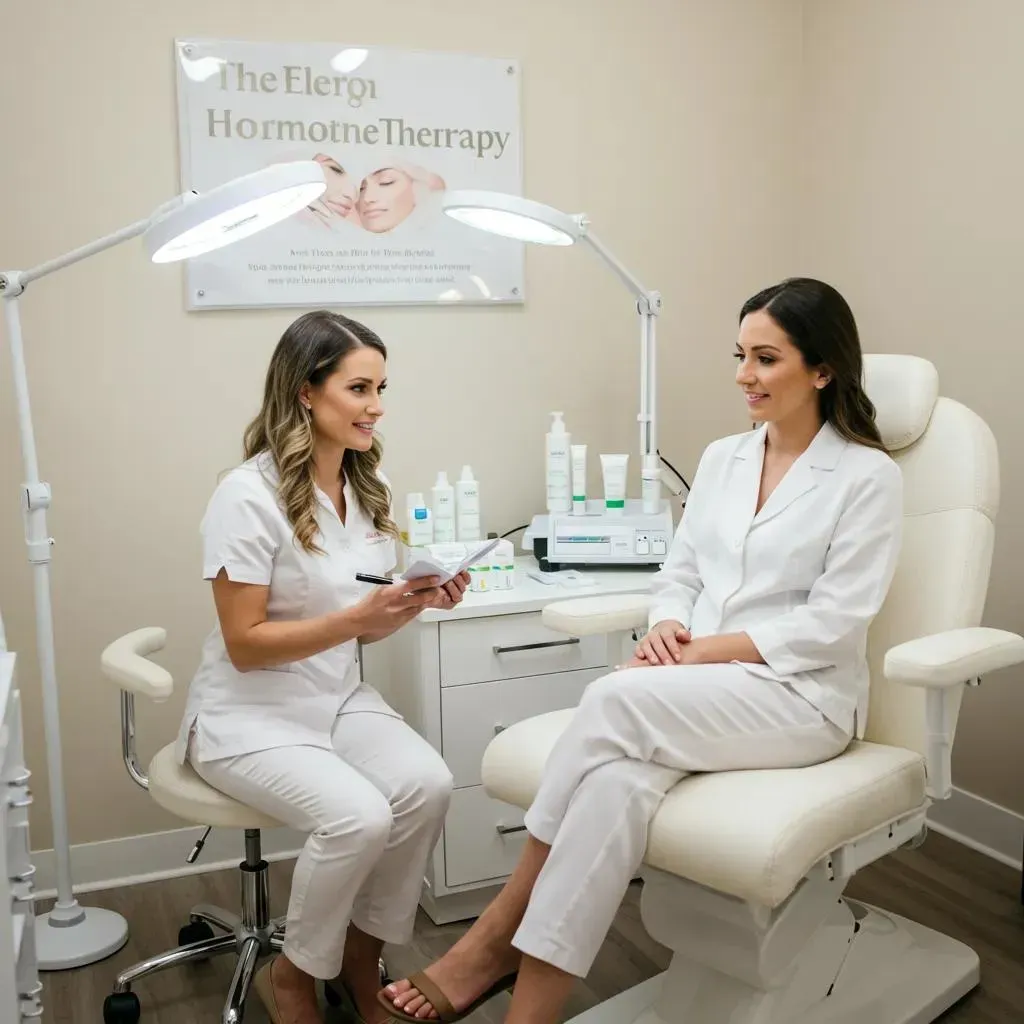
Start with one clear goal. Do you want cleaner-looking pores, better hydration, a brighter appearance, or smoother surface texture? Your answer helps your provider select suitable treatment steps and skincare ingredients. At Growing Younger Clinic, an individualized approach can include a consultation, review of your skin history, and assessment of your concerns. Digital imaging, when appropriate, may help document visible changes over time. An MD-supervised plan also helps identify when a different treatment or medical evaluation is more suitable. If you are comparing a hydrafacial skin clinic in Florence, ask how the provider assesses your skin, which products and steps they use, and what results are realistic for you. Clear answers matter more than impressive promises.
What Should You Know Before and After Treatment?
Hydrafacial is generally well tolerated, and many people return to normal activities soon afterward. Temporary redness, tightness, or sensitivity can occur. Your provider should explain possible reactions based on your skin and the treatment selected. Before your appointment, share details about allergies, active skin conditions, recent procedures, and prescription products. Avoid changing prescribed medication without medical advice. After treatment, use a gentle cleanser, moisturizer, and broad-spectrum SPF 30 or higher. Follow your clinician's advice about exfoliating acids, retinoids, and other active products.
How Often Should You Get a Hydrafacial?
There is no single schedule that suits everyone. Some people choose occasional treatments before special events, while others prefer regular sessions for ongoing skin maintenance. Your skin'sresponse, sensitivity, goals, and budget should guide the timing. More frequent treatment does not automatically mean better results. Excessive exfoliation may irritate the skin, especially when combined with strong home products. Ask your provider to review your progress before booking repeat sessions. A thoughtful plan should support your skin, not leave it feeling sore or overtreated.
Your Skin Goals Deserve a Personal Plan
Hydrafacial treatments can support clearer-looking pores, better hydration, smoother texture, and a refreshed complexion. The right choice begins with your skin's needs, realistic goals,
and expert guidance. At Growing Younger Clinic, we help you explore personalized skin and wellness options with your comfort and goals in mind. Contact us at info@growingyoungerclinic.com or call (256) 325-6398 to discuss your Hydrafacial consultation. Ask our team about eligible points offered with every Botox/Xeomin treatment.
Frequently Asked Questions
1. Can you get a Hydrafacial if you have sensitive skin?
Possibly. Your provider should assess your sensitivity, current symptoms, and product reactions first. The treatment may need adjustments or postponement if your skin is irritated.
2. Is a Hydrafacial suitable before a wedding or special event?
Many people schedule one several days beforehand to allow temporary redness or sensitivity to settle. Ask your provider about timing, especially if it is your first treatment.
3. Can a Hydrafacial help with enlarged pores?
It may make pores look less noticeable by removing surface debris and excess oil. It cannot permanently shrink pores or change their underlying structure.
4. Can you combine Hydrafacial with other aesthetic treatments?
Sometimes. The safest sequence and timing depend on the treatments involved, your skin condition, and recovery needs. Your clinician should create a suitable plan.
5. Does a Hydrafacial replace a daily skincare routine?
No. Gentle cleansing, moisturizer, and daily sunscreen remain essential. A professional facial can complement home care but cannot replace consistent skin protection and maintenance.