
Back
March 12, 2026 | Nic Menezes
Understanding Plasma Lift: Pain Levels You Should Expect
Plasma lift is a non‑surgical skin rejuvenation option that uses plasma energy to improve skin appearance. This guide explains typical pain levels and the recovery timeline so candidates know what to expect. Many patients want to understand procedure discomfort and healing time; clear expectations help prepare for treatment. We cover device mechanics, common pain experiences, recovery milestones, and essential aftercare.
What Is Plasma Lift Treatment and How Does It Work?
Plasma lift employs focused plasma energy to create controlled micro‑injuries that trigger the skin's reparative cascade. This stimulates collagen and elastin synthesis, producing firmer, more resilient skin. The principal advantage is visible tightening and rejuvenation without surgical incisions.
Rising demand for non‑surgical approaches underscores the appeal of plasma lift for addressing skin laxity.
Non-Surgical Skin Tightening: Plasma & Downtime
Aesthetic treatment is very likely the area with the most frequent applications of physical plasma devices in medicine due to manufactures’ information. There are two different types of devices in use, generating either cold atmospheric pressure (CAP) plasma or moderate thermal impact (MTI) plasma. Currently, typical diagnoses for CAP plasma treatment in aesthetic medicine are healing complications or risk of healing associated with major aesthetic surgery, minimally invasive aesthetic medicine, and beauty or cosmetic treatment. CAP plasma has the potential to improve directly aesthetic appearance. Promising research projects are pointing at skin rejuvenation, conditioning of discreet scaring, and facilitating skin penetration of cosmetically relevant drugs.
New technologies in skin tightening, 2021
Defining Plasma Lift and Its Role in Skin Rejuvenation
Also referred to as plasma pen therapy or fibroblast treatment, plasma lift delivers plasma energy to the skin surface to activate intrinsic healing pathways. The procedure promotes collagen and elastin production and can be used across a range of skin types to address fine lines, wrinkles, and mild to moderate laxity.
How Plasma Energy Stimulates Collagen and Elastin Production
Plasma energy produces a controlled thermal effect in the dermis that stimulates fibroblasts to increase collagen and elastin synthesis. As these structural proteins rebuild, patients typically notice improved texture and a reduction in visible signs of ageing.
Beyond collagen induction, different plasma modalities are under investigation for their potential to enhance healing and rejuvenation in aesthetic practice.
Cold Plasma in Aesthetic Medicine: Healing & Rejuvenation
Aesthetic treatment is very likely the area with the most frequent applications of physical plasma devices in medicine due to manufactures’ information. There are two different types of devices in use, generating either cold atmospheric pressure (CAP) plasma or moderate thermal impact (MTI) plasma. Currently, typical diagnoses for CAP plasma treatment in aesthetic medicine are healing complications or risk of healing associated with major aesthetic surgery, minimally invasive aesthetic medicine, and beauty or cosmetic treatment. CAP plasma has the potential to improve directly aesthetic appearance. Promising research projects are pointing at skin rejuvenation, conditioning of discreet scaring, and facilitating skin penetration of cosmetically relevant drugs.
Cold plasma treatment and aesthetic medicine, T von Woedtke, 2022
What Are the Typical Pain Levels Experienced During Plasma Lift?
Discomfort during plasma lift varies between patients. Clear expectation setting about pain helps candidates evaluate the procedure and prepare appropriately.
Describing Mild to Moderate Discomfort During Treatment
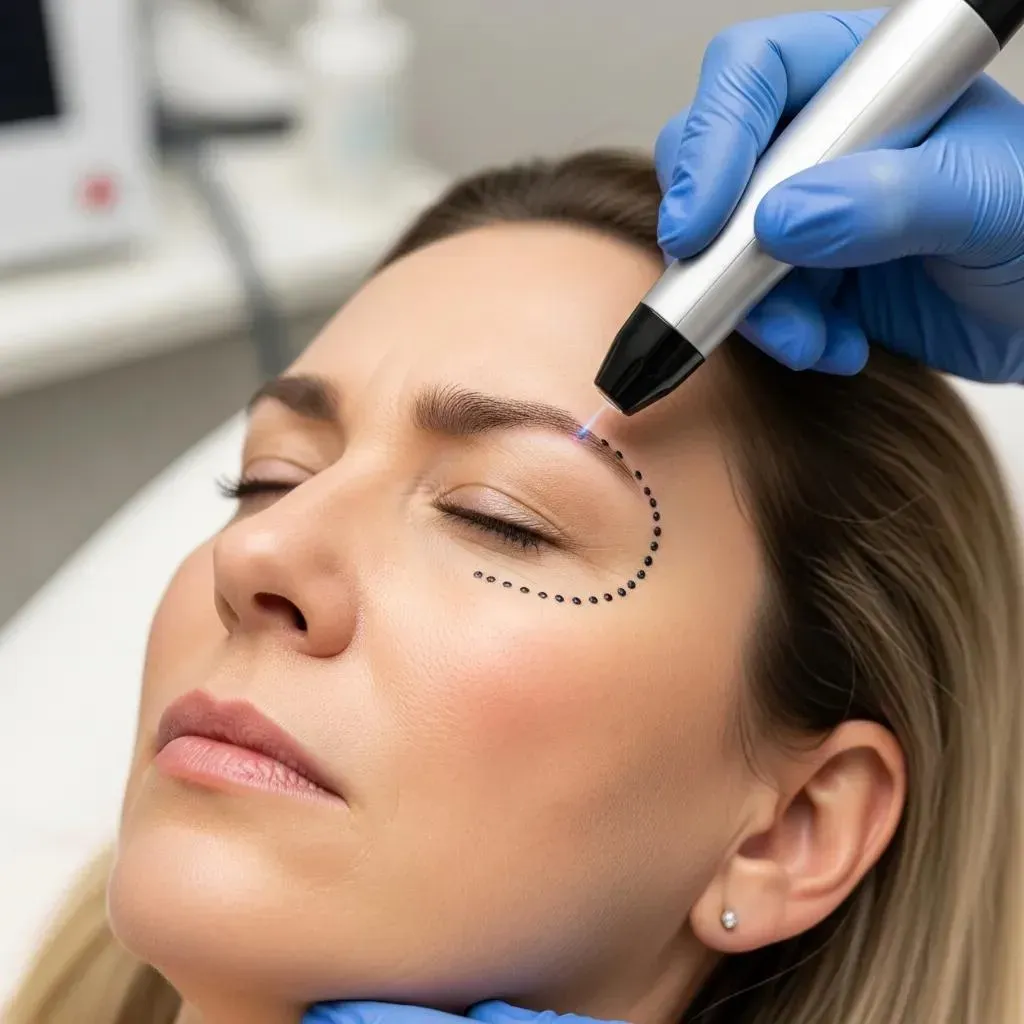
During treatment many patients report mild to moderate sensations such as tingling, pricking, or pinching, often described like a light rubber‑band snap. The sensation is generally well tolerated; intensity depends on individual pain threshold and the anatomical area treated.
Clinical reports describe the discomfort as generally manageable, with moderate pain scores noted in studies.
Plasma Blade Treatment: Pain, Recovery & Efficacy
The Dermo Ablation Surgery (DAS) Medical® (Technolux, Italy) device is a plasma blade which induces a plasma voltaic arc causing a retraction in the epidermis and superficial dermis. The mean visual analogue pain score reported during the treatment was 4.5/10; MEOPA® was used in 23% of cases. No irreversible post-procedural sequelae (complications) were observed. Voltaic plasma arc treatment with DAS Medical® is an effective technique for non-invasive blepharoplasty on moderate dermatochalasis patients not suffering from palpebral lipoptosis and is very well tolerated.
The outcomes assessment of the plasma blade technology in upper blepharoplasties: a prospective study on a series of 25 patients, 2019
To schedule a consultation about skin‑rejuvenation options, consider visiting Growing Younger Clinic for an assessment.
How Pain Is Managed and Minimized in Clinical Settings
Practitioners use multiple pain‑management strategies to enhance comfort. Common measures include topical anaesthetics or numbing creams applied to the treatment zone and adjustment of plasma energy settings to balance efficacy with tolerability.
What Should Patients Expect During the Plasma Lift Recovery Process?
Recovery is a critical part of the treatment pathway. Knowing the expected course of healing helps patients plan and follow appropriate aftercare.
Timeline of Recovery: From Immediate Effects to Full Healing
Recovery typically lasts several days up to around two weeks. Immediately after the procedure patients may experience redness, swelling, and tiny scabs or dots that usually begin to subside within a few days. Full healing, including scab shedding and epidermal renewal, commonly occurs within 7 to 14 days. Patients should avoid sun exposure and follow aftercare to optimise outcomes.
Common Side Effects: Redness, Swelling, and Skin Sensitivity
Common post‑treatment effects include temporary redness, swelling, increased sensitivity, and small crusts or scabs. These reactions are usually mild and resolve within one to two weeks. Mild peeling may occur as the skin repairs; appropriate aftercare helps manage these effects.
What Are the Recommended Aftercare Instructions to Support Recovery?
Adherence to recommended aftercare is vital for smooth recovery and the best results. Following clear guidelines reduces complication risk and supports tissue repair.
Essential Steps for Managing Side Effects and Promoting Healing
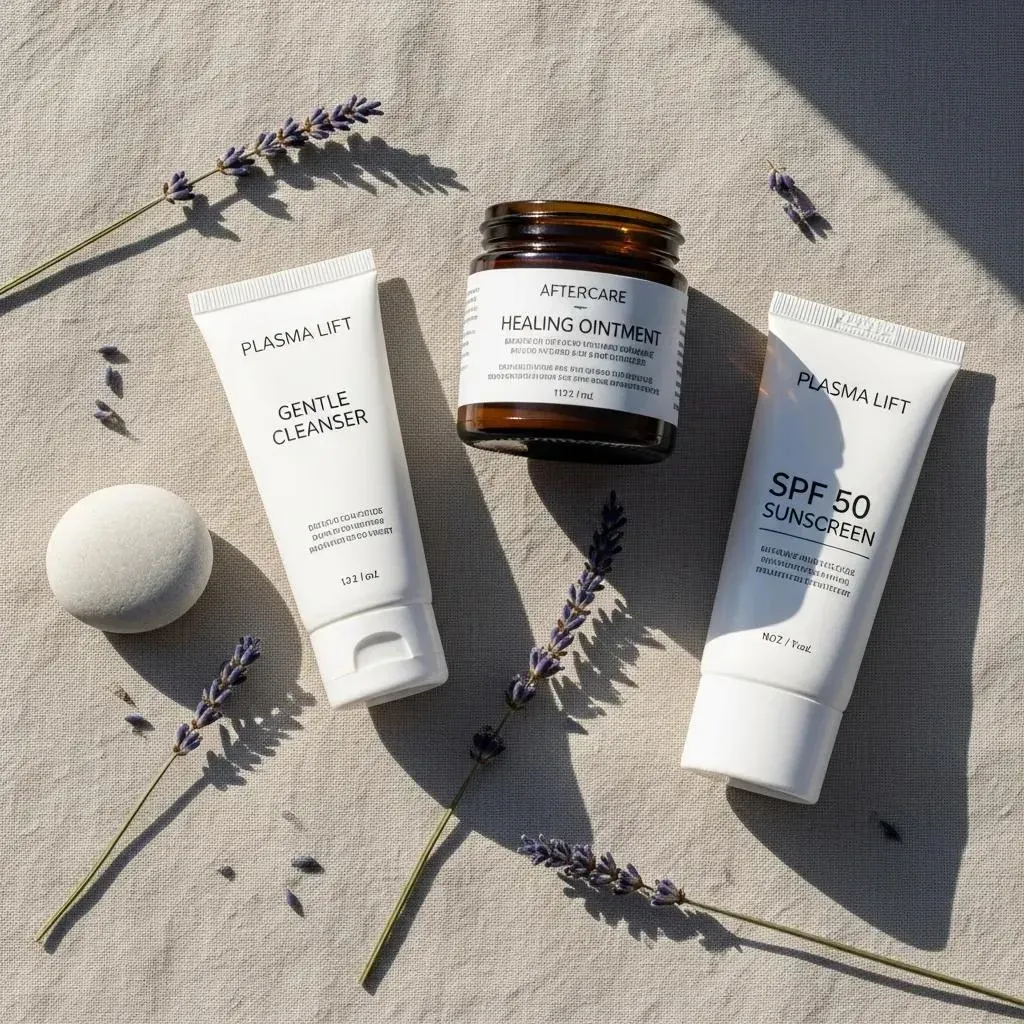
To support recovery, patients should follow these aftercare instructions:
- Keep the Area Clean: Gently cleanse the treated area with a mild cleanser to prevent infection. Avoid scrubbing or picking at scabs.
- Moisturize Regularly: Apply a recommended healing ointment or moisturizer to keep the skin hydrated and promote healing.
- Avoid Sun Exposure: Protect the treated area from direct sunlight by wearing a broad-spectrum sunscreen and avoiding tanning beds to prevent pigmentation changes.
- Avoid Makeup and Harsh Products: Refrain from applying makeup or using exfoliants or strong skincare products until the skin has fully healed.
These measures help minimise side effects and optimise the treatment outcome.
For further information or to contact a healthcare provider, visit the Growing Younger Clinic website.
When to Seek Medical Advice During Recovery
Patients should seek prompt medical advice if they experience excessive swelling, redness that persists beyond two weeks, signs of infection such as pus or severe pain, or any other unusual symptoms. Early assessment supports timely management and reduces the risk of complications.
Plasma lift offers a non‑surgical option for skin rejuvenation. Understanding expected pain levels and the recovery course helps patients proceed with confidence. A consultation with a qualified provider delivers personalised recommendations tailored to individual needs. To explore available services, visit Growing Younger Clinic.
Frequently Asked Questions
What is the ideal candidate for plasma lift treatment?
The ideal candidate typically has mild to moderate skin laxity, fine lines, or superficial wrinkles. The procedure is appropriate for a range of skin types and ages. Individuals with certain dermatological conditions or those who are pregnant should consult a healthcare provider before treatment. A comprehensive consultation determines suitability and informs a personalised plan.
How long do the results of plasma lift treatment last?
Results can persist from one to three years, varying by skin type, age, and lifestyle factors. Plasma lift stimulates ongoing collagen and elastin production, which can improve skin quality over time. Maintenance treatments may be advised to extend benefits as natural ageing continues.
Can plasma lift be combined with other treatments?
Yes. Plasma lift can be combined with other aesthetic procedures, such as dermal fillers or Botox, to address multiple concerns and enhance overall results. Coordination with a qualified practitioner ensures appropriate timing and compatibility of combined treatments.
What should I avoid before undergoing plasma lift treatment?
Before treatment, patients are generally advised to avoid blood‑thinning medications, alcohol, and supplements such as fish oil or vitamin E for at least one week, as these can increase bruising and swelling. Patients should also minimise sun exposure and avoid tanning beds. A pre‑treatment consultation will provide personalised instructions.
Is plasma lift treatment safe for all skin types?
Plasma lift is generally safe for a wide range of skin types. However, patients with active acne, eczema, psoriasis, or other specific skin conditions should seek evaluation before proceeding. A detailed assessment identifies any necessary precautions to ensure safety and effectiveness.
What are the costs associated with plasma lift treatment?
Treatment cost varies by provider expertise, geographic location, and the size of the treatment area. On average, patients can expect fees in the range of $500 to $2,500 per session. Discuss pricing during consultation and ask about available financing if needed.
Conclusion
Plasma lift provides an effective non‑surgical option for addressing fine lines and skin laxity. Understanding expected pain and the recovery timeline enables patients to make informed decisions. Consulting with a qualified provider ensures personalised care aligned with individual goals. Discover the potential benefits of plasma lift by visiting Growing Younger Clinic today.