
Back
February 3, 2026 | Nic Menezes
Essential CO2 Laser Aftercare Guidelines for Best Results
CO2 Laser Aftercare: Practical Steps for a Safer, Faster Recovery
CO2 laser resurfacing can deliver dramatic improvements in skin texture, tone, and the appearance of fine lines and scars. What matters just as much as the treatment itself is the care you give your skin afterward. This guide walks you through what to expect during recovery and practical steps to protect your results. If you’re wondering how long healing takes, which products help, or what to avoid, read on — these clear, clinic-tested tips will help you navigate the first days and weeks with confidence.
How Long Does CO2 Laser Recovery Take and What to Expect?
Recovery varies with treatment intensity and your skin type, but most people see the main healing progress within 1 to 3 weeks. Complete settling of redness and full skin remodeling can continue for several weeks after that.
Typical Healing Timeline After CO2 Laser Treatment
Healing usually follows a predictable pattern:
- Days 1–3: Expect marked redness, swelling and some clear fluid or oozing. The area will feel tight and sensitive. Keep the skin moist and avoid any products that might sting.
- Days 4–7: Crusting and peeling begin as new skin forms underneath. Swelling typically eases, though some redness can remain. Continue gentle cleansing and regular hydration.
- After Week 2: Texture and tone start to look noticeably better for many patients. Residual redness can persist and may take 4–6 weeks to fade depending on your skin and the depth of treatment.
Signs of Normal vs. Complicated Recovery
Knowing what’s expected helps you act quickly if something’s off. Normal symptoms include:
- Mild to moderate redness and swelling
- Peeling or flaking as new skin appears
- Mild itching or a feeling of tightness
Contact your provider right away if you notice any of these red flags:
- Marked swelling or redness that worsens or spreads
- Thick pus or unusual discharge
- Increasing or severe pain
- Fever or flu-like symptoms
If you see warning signs, call your clinic for guidance — early treatment prevents most complications.
What Are the Best Post CO2 Laser Treatment Care Practices?
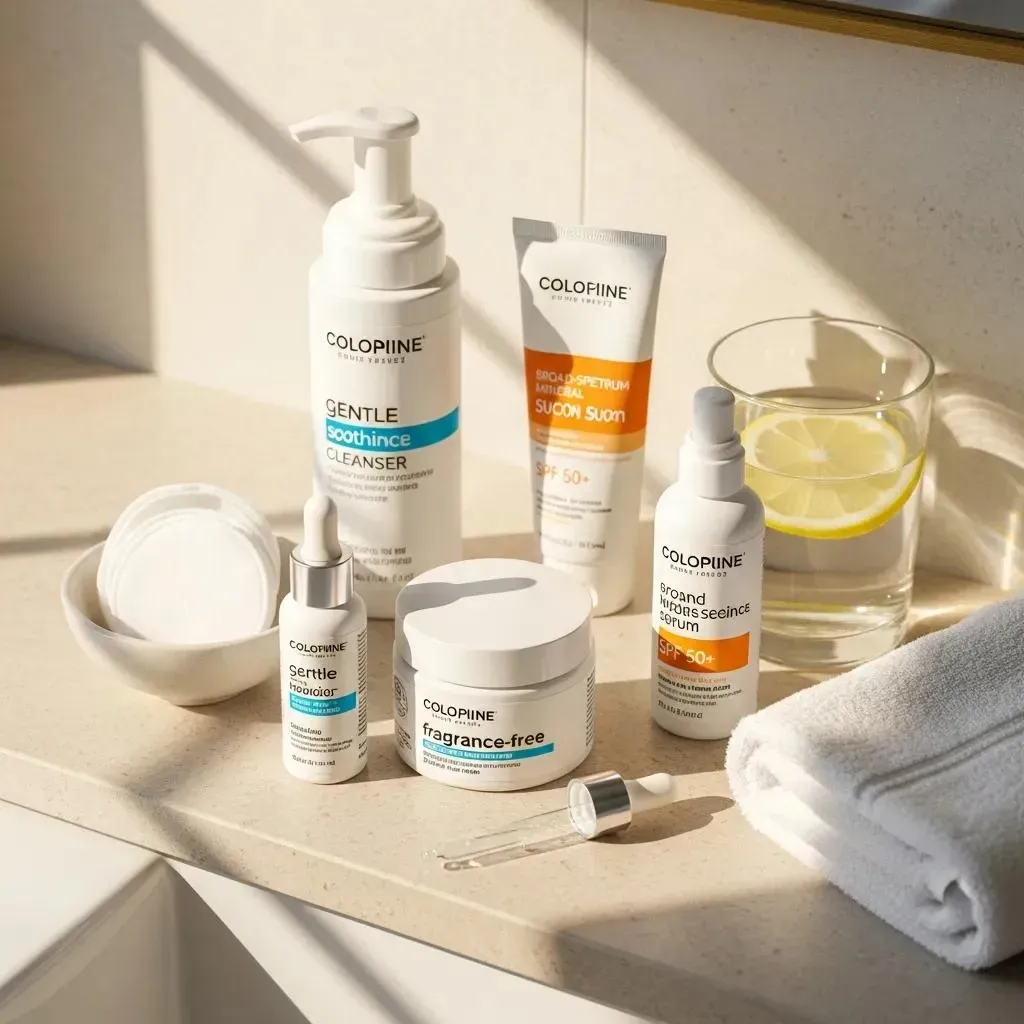
Simple, consistent care speeds healing and protects your investment. Below are the core steps our clinicians recommend after a CO2 procedure.
Immediate Skin Care Steps After Laser Therapy
Right after treatment, follow these basics:
- Cleansing: Use a very gentle, non-foaming cleanser to rinse the area. Don’t scrub or use abrasive cloths.
- Moisturizing: Apply an occlusive ointment or petrolatum (for example, Aquaphor or plain petroleum jelly) to keep the surface hydrated and support re-epithelialization. Choose fragrance-free formulas made for sensitive skin.
- Avoid Irritants: Stay away from products with alcohol, retinoids, or strong acids for at least two weeks, or until your provider says it’s safe to reintroduce them.
Sun Protection and Its Importance in Aftercare
Shielding new skin from UV exposure is essential — unprotected sun can cause pigmentation changes and slow recovery. Follow these guidelines:
- SPF Recommendations: Use a broad-spectrum sunscreen with at least SPF 30. Reapply every two hours when you’re outdoors.
- When to Start: Begin sunscreen use once your skin has re-epithelialized (often around 7–10 days after treatment) or at the timeline your clinician provides.
- Why It Matters: Skipping sun protection raises the risk of hyperpigmentation, scarring and prolonged redness.
If you’d like professional support while you heal, the Growing Younger Clinic offers aftercare plans designed to protect your results and reduce downtime.
How Can You Manage Common CO2 Laser Side Effects Safely?
Most side effects are temporary and manageable with sensible care. Here’s how to treat the ones you’re most likely to encounter.
Identifying and Treating Redness, Swelling, and Irritation
Try these comforts and measures:
- Cold Compresses: Apply cool packs (wrapped in cloth) to ease swelling. Don’t apply ice directly to skin.
- Over-the-Counter Options: Your clinician may recommend antihistamines or a short course of anti-inflammatory medication to reduce discomfort — follow their guidance.
- Hydration: Keeping the skin and your body well-hydrated supports healing and reduces irritation.
When to Seek Medical Advice for Side Effects
Reach out to your provider if you notice:
- Symptoms that worsen instead of improving
- Signs of infection: growing redness, warmth, pus or fever
- Pain that won’t respond to recommended medications
Early communication with your clinic ensures prompt, effective care.
Which Skincare Products Are Recommended After CO2 Laser Treatment?
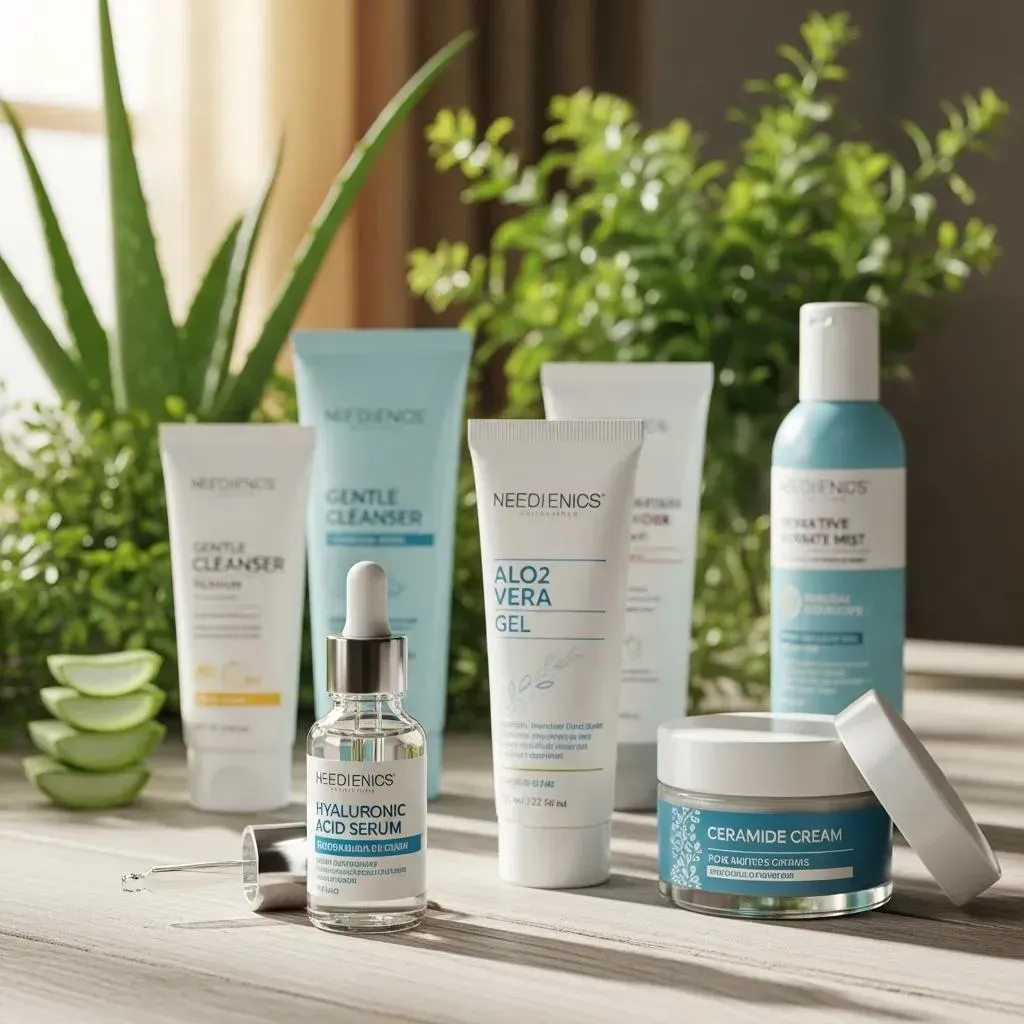
Choosing gentle, hydrating products helps new skin recover and reduces the chance of irritation. Below are commonly recommended ingredients and how to use them.
Topical Agents That Promote Skin Healing
These agents support moisture and barrier repair:
| Product | Benefit | Usage |
|---|---|---|
| Hyaluronic Acid | Attracts and holds moisture to plump and soothe healing skin | Start applying daily once the skin can tolerate serums — usually after initial re-epithelialization |
| Aloe Vera Gel | Soothes inflammation and provides lightweight hydration | Use as needed for comfort; choose pure formulations without additives |
| Ceramide Cream | Helps restore the skin’s protective barrier | Apply twice daily to support long-term hydration and barrier repair |
These products help maintain moisture and support the skin’s natural repair processes.
Clinical evidence also supports the use of hyaluronic acid dressings to speed healing and reduce pigmentation risks after fractional CO2 treatment.
Hyaluronic Acid Dressing for Faster CO2 Laser Recovery & Reduced Hyperpigmentation
Compared with fractional CO2 laser alone, combining fractional CO2 laser with a hyaluronic acid (HA) dressing lowered ECCA (échelle d’évaluation clinique des cicatrices d’acné) scores (MD=-3.37,95% CI [-5.03, -1.70],P<0.0001), shortened crust formation time (MD=-0.42,95% CI [-0.80, -0.04],P=0.03) and crust removal time (MD=-1.31,95% CI [-1.67, -0.95],P<0.00001), and increased patient satisfaction (RR=1.85, 95% CI [1.44, 2.38],P<0.00001). Reported adverse events — including hyperpigmentation, erythema, edema, mild itching, and slight burning — were controllable. The combined therapy also showed a lower incidence of hyperpigmentation than fractional CO2 laser alone.
Efficacy of fractional CO2 laser therapy combined with hyaluronic acid dressing for treating facial atrophic acne scars: a systematic review and meta-analysis of …, 2023
Other natural ingredients have shown benefits in controlled studies and can be useful additions to your post-laser routine.
Centella Asiatica Moisturizer for Post-CO2 Laser Skin
This split-face study evaluated a moisturizer containing Centella asiatica extract when applied after ablative fractional CO2 laser resurfacing and examined its safety and efficacy.
A split-face study of moisturizer containing Centella asiatica extract after ablative fractional carbon dioxide laser resurfacing, 2021
Products to Avoid During Recovery
Certain ingredients slow healing or increase irritation. Avoid these until your skin is fully healed:
| Product | Reason | Alternatives |
|---|---|---|
| Retinoids | May cause irritation on freshly treated skin | Replace with gentle, fragrance-free moisturizers |
| Exfoliants | Can damage fragile, healing tissue | Use hydrating serums instead |
| Alcohol-based products | Dry the skin and can delay recovery | Choose alcohol-free toners or hydrating mists |
Steering clear of these products helps the skin repair efficiently and reduces the risk of setbacks.
What Should You Avoid After CO2 Laser Treatment for Optimal Results?
Beyond topical care, a few lifestyle choices can influence healing. Here are the key things to skip while your skin recovers.
Activities and Substances That May Hinder Healing
To protect your results, avoid:
- Strenuous Exercise: Skip high-intensity workouts for at least one week to limit sweating and irritation.
- Hot Showers or Baths: Use lukewarm water to prevent added redness and swelling.
- Smoking and Alcohol: Both slow tissue repair and should be avoided during recovery.
Makeup Use: When Is It Safe to Resume?
Here’s how to approach makeup after treatment:
- Timing for Makeup Application: Wait at least 7–10 days before applying makeup to allow the skin to re-epithelialize.
- Recommended Products: Opt for mineral-based or non-comedogenic formulas that are gentle on sensitive skin.
- Signs That It's Safe to Use Makeup: Reintroduce makeup once peeling has stopped, the skin feels comfortable, and irritation has settled.
Following these guidelines will help you protect your results and reduce the chance of complications.
To learn about complementary wellness services, explore medical weight loss options at Growing Younger Clinic that can support your overall rejuvenation goals.
Frequently Asked Questions
What should I expect during the first few days after CO2 laser treatment?
In the first 48–72 hours you’ll likely see redness, swelling and a tight or burning sensation. Mild oozing or clear fluid is common. Keep the area moisturized with an occlusive ointment and use a gentle cleanser — avoid any products that sting or burn.
How can I tell if my recovery is progressing normally?
Normal healing includes fading swelling, peeling or crusting, and gradual improvement in skin texture. If redness, pain or swelling worsens instead of improving, or if you notice discharge or fever, contact your provider right away.
Are there specific foods or supplements that can aid in recovery?
Balanced nutrition supports healing. Foods rich in vitamins A, C and E (leafy greens, citrus, nuts), plus omega-3s from fish or flaxseed, can reduce inflammation. Staying well-hydrated helps too. If you’re considering supplements like collagen, check with your clinician first.
When can I resume my regular skincare routine after treatment?
Most people wait about two weeks before returning to their full routine. Begin with gentle cleansing and moisturizers, then slowly reintroduce active products (retinoids, acids, exfoliants) only after your provider clears you.
What are the long-term benefits of CO2 laser treatment?
CO2 resurfacing can improve skin texture, tone and elasticity, reduce fine lines and scars, and stimulate collagen production for firmer skin over time. Many patients see lasting improvement with appropriate sun protection and occasional maintenance treatments.
Can I undergo CO2 laser treatment if I have sensitive skin?
Sensitive-skin patients can be good candidates, but evaluation by a qualified clinician is important. Proper pre-treatment preparation and conservative settings help minimize irritation; your provider will tailor the approach for the safest outcome.
Conclusion
Thoughtful aftercare is the foundation of great CO2 laser results. Gentle cleansing, consistent moisture, sun protection and avoiding irritants will speed healing and protect your investment. If you want personalized guidance, reach out to the Growing Younger Clinic — our team can create a recovery plan tailored to your skin and schedule. Your best results start with the care you give your skin after treatment.