
Back
March 19, 2026 | Nic Menezes
Discover Plasma Lift Results & Longevity for Skin Tightening
Understanding Plasma Lift Facial Treatment: Typical Results and Longevity for Effective Skin Tightening
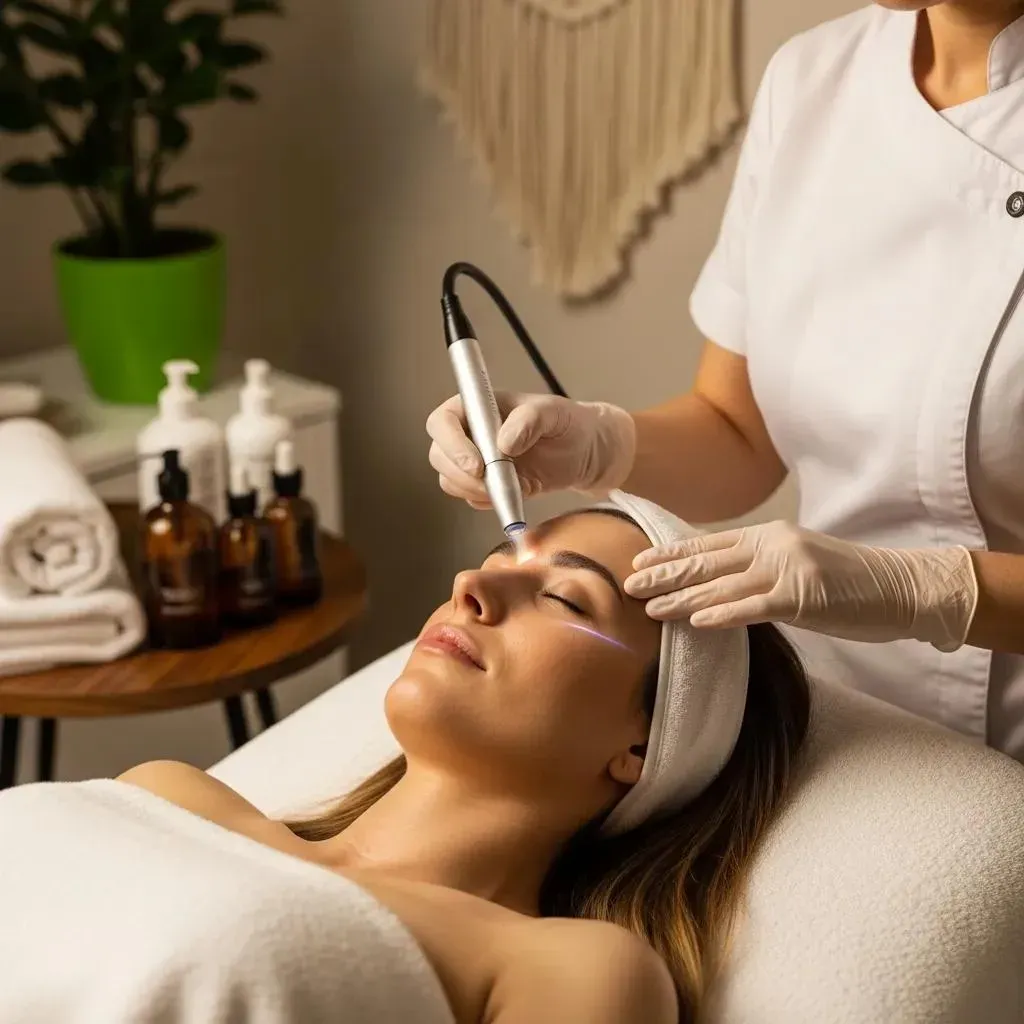
Plasma Lift Facial Treatment (plasma fibroblast therapy) is a non-surgical procedure that tightens and rejuvenates skin using controlled plasma energy. The device stimulates collagen synthesis and elastin remodelling, improving skin elasticity and surface texture. Patients commonly seek this treatment for wrinkles, sagging, and uneven skin tone. This article summarises typical outcomes, expected duration, the treatment protocol, safety considerations, and the role of clinical care to help you decide if it suits your needs.
Demand for non-surgical alternatives has accelerated development of skin-tightening technologies, including plasma.
Plasma as a Non-Surgical Skin Tightening Technology
Facial skin laxity has traditionally been corrected with surgical procedures. Growing demand for options with reduced risk, scarring, downtime, and cost has driven advances in non-surgical tightening. Recent developments include microcoring, hydroxyapatite fillers, and energy-based devices such as lasers, ultrasound, radiofrequency, and plasma.
New technologies in skin tightening, 2021
What Are the Typical Results of Plasma Fibroblast Skin Tightening?
Plasma fibroblast skin tightening produces an immediate tissue contraction and progressive improvement as collagen remodels. Patients commonly notice an initial tightening effect followed by ongoing enhancement over weeks to months. Results may persist from several months to over a year, depending on individual skin characteristics and maintenance. The treatment addresses fine lines, wrinkles, and general skin laxity.
How Does Plasma Lift Stimulate Collagen Production for Skin Rejuvenation?
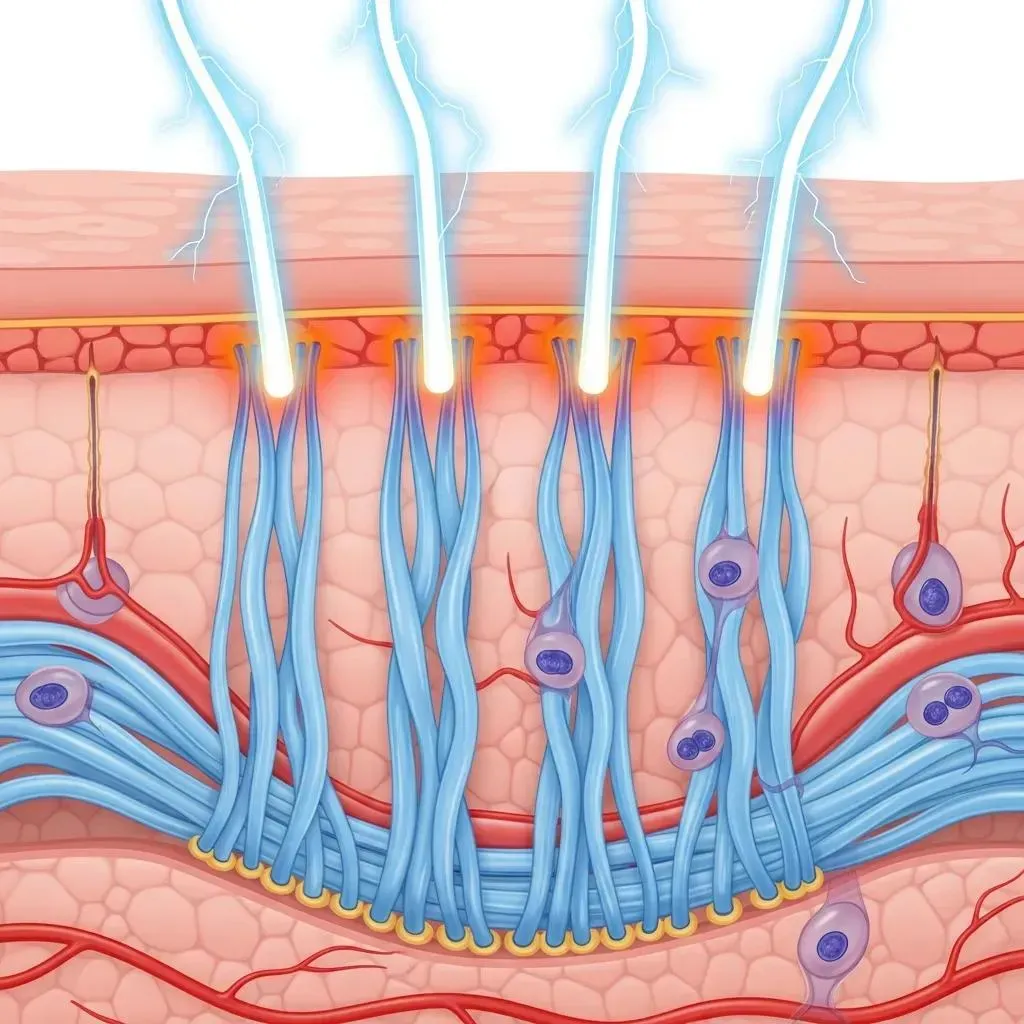
Plasma Lift delivers controlled plasma energy to create targeted micro-injuries in the epidermis and superficial dermis. This initiates a regulated wound-healing response that activates fibroblasts and promotes collagen and elastin production, leading to improved dermal thickness, firmness, and surface texture over time.
Research clarifies the cellular mechanisms by which plasma energy supports skin repair and rejuvenation.
Low-Temperature Plasma Boosts Fibroblast Proliferation & Collagen Synthesis
In vitro analysis demonstrated that short exposures to low-temperature plasma (LTP) increased fibroblast proliferation, secretion of growth factors such as EGF and TGF-beta, intracellular reactive oxygen species (ROS) production, and the proportion of cells in S phase, alongside elevated expression of phosphorylated p65 (P-p65) and cyclin D1 with reduced IkB. Specifically, 15-30 s LTP exposures enhanced fibroblast number and collagen synthesis, whereas longer exposure (50 s) produced adverse effects.
Low-temperature plasma promotes fibroblast proliferation in wound healing by ROS-activated NF-kB signaling pathway, G Zhang, 2018
What Visible Improvements Can Patients Expect After Treatment?
Following Plasma Lift, patients can expect firmer skin, smoother texture, and a reduction in the visibility of fine lines and wrinkles. Although the procedure is not intended to restore lost facial volume, the tightening effect can refine facial contours. Many patients report increased confidence as improvements become evident, contributing to a more youthful appearance.
How Long Does Plasma Lift Facial Treatment Last?
Result longevity varies between individuals. In clinical practice, outcomes commonly last between 6 and 18 months. Actual duration depends on skin type, age, lifestyle factors, and adherence to recommended aftercare and maintenance.
What Factors Influence the Longevity of Plasma Skin Tightening Results?
Several variables affect durability, including the frequency of maintenance treatments, intrinsic skin characteristics and age, and patient compliance with aftercare. For optimal and sustained results, follow a personalised maintenance plan tailored to your skin.
How Does Aftercare Affect the Duration of Treatment Benefits?
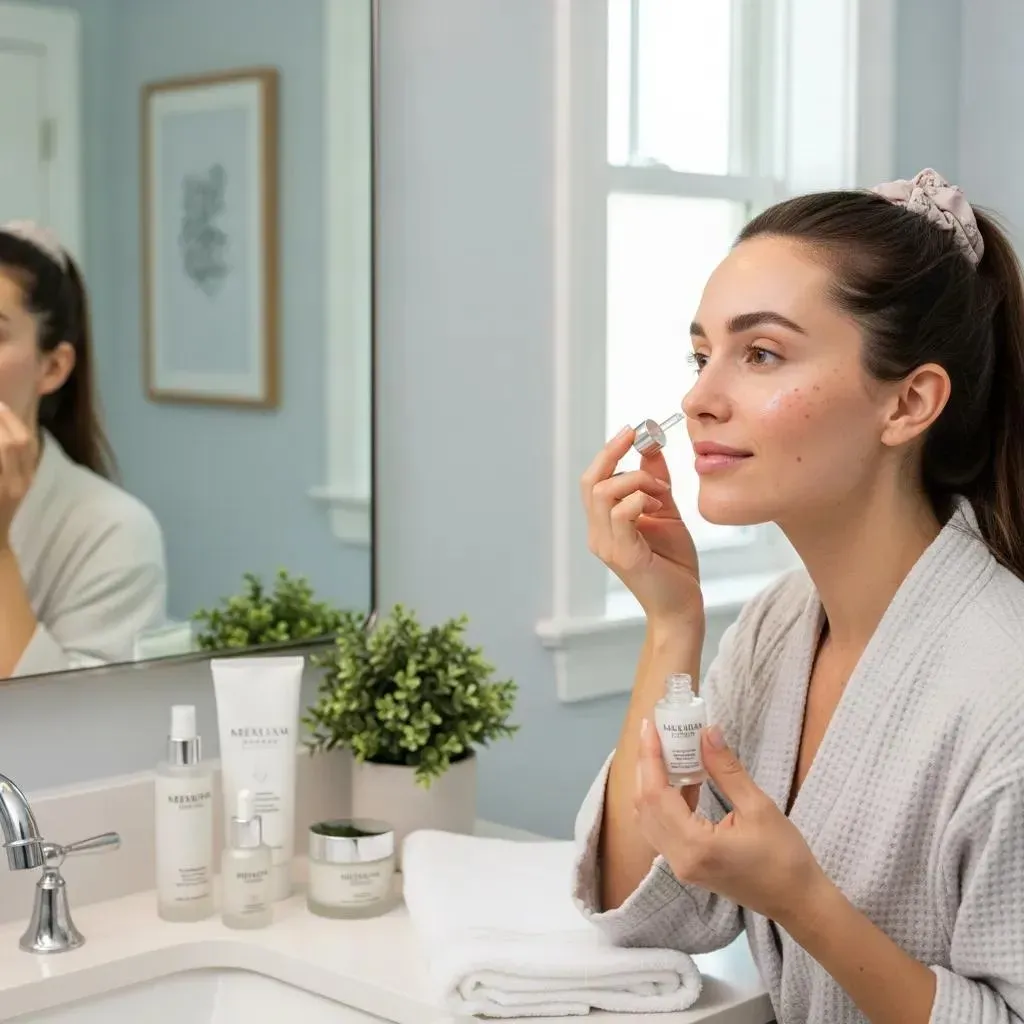
Appropriate aftercare is essential to maximise treatment benefits. Patients should maintain hydration, adhere to the clinic’s recovery protocol, avoid direct sun exposure, and attend scheduled follow-up visits. These measures support proper healing and help preserve results.
What Is the Plasma Lift Facial Treatment Process?
The Plasma Lift procedure follows defined clinical steps designed to ensure safety and effectiveness.
What Are the Key Steps in Plasma Fibroblast Therapy?
- Consultation: A thorough consultation is conducted to assess the patient's skin and discuss treatment goals.
- Preparation: The treatment area is cleansed, and a numbing agent is applied to minimize discomfort.
- Treatment Execution: Plasma energy is applied to the targeted areas, creating micro-injuries that stimulate collagen production.
- Post-Treatment Care: After the procedure, patients receive specific aftercare instructions to promote healing.
How Does Non-Invasive Plasma Energy Tighten Skin Safely?
The non-invasive application of plasma energy permits tissue tightening without surgical incision, reducing risks such as scarring and prolonged recovery. Patients usually observe progressive tightening over days to weeks, with limited downtime required for routine recovery.
This non-invasive approach offers advantages for cosmetic applications, including wrinkle reduction and dermal strengthening.
Plasma Technology for Non-Invasive Wrinkle Removal & Skin Strengthening
Plasma has applications across noninvasive, minimally invasive, and invasive cosmetic methods, including wrinkle removal and skin strengthening, and in some cases may reduce the need for procedures such as blepharoplasty and rhytidectomy. By generating various active species, plasma influences biological activities within tissues.
A review of cold atmospheric plasma applications in dermatology and aesthetics, M Lotfi, 2023
What Safety Considerations and Side Effects Should Patients Know?
Plasma Lift is generally safe when performed by qualified practitioners, but patients should be informed about potential side effects and specific safety considerations prior to treatment.
What Are Common Side Effects and How Are They Managed?
Common side effects include swelling, bruising, transient redness, and small scabs at treated sites. These reactions are typically mild and resolve within 5 to 10 days. Following post-treatment care instructions helps manage symptoms and supports healing.
How Does Expert Care Ensure Treatment Safety and Personalized Outcomes?
Expert clinical care is essential to ensure safety and efficacy. Practitioners at Growing Younger Clinic conduct personalised treatment planning, medical assessment, and ongoing monitoring to achieve optimal outcomes. This clinical approach addresses individual skin concerns and ensures tailored care throughout the treatment pathway.
For further information on maintaining a youthful appearance, review our anti-aging treatments.
If you have questions or wish to schedule a consultation, please contact us.
Frequently Asked Questions
What is the ideal age to consider Plasma Lift treatments?
The ideal timing varies with individual skin condition and goals. People in their late 20s to early 30s may notice early signs of ageing and seek preventive treatment; those in their 40s and beyond commonly pursue Plasma Lift for more pronounced laxity. A consultation with a qualified practitioner will determine the most appropriate timing for your skin.
Are there any contraindications for Plasma Lift treatments?
Yes. Contraindications include active inflammatory skin conditions (for example, acne, eczema, or psoriasis), pregnancy, a history of keloid scarring, or use of medications that impair wound healing. A detailed medical review is required to confirm suitability for treatment.
How does Plasma Lift compare to other skin tightening treatments?
Plasma Lift uses plasma energy to stimulate collagen in deeper dermal layers, whereas lasers often target pigmentation and superficial issues. As a non-invasive option, Plasma Lift typically entails lower risk of scarring and shorter downtime than surgical alternatives. Each modality offers distinct benefits; discuss options with a professional to identify the best approach for your concerns.
What should I expect during the recovery period?
During recovery you may experience mild swelling, redness, and small scabs at treated sites, normally resolving within 5 to 10 days. Follow aftercare guidance-keep the area clean, avoid sun exposure, and use recommended skincare products. Most patients resume normal activities after a few days, while avoiding strenuous exercise for at least one week to support optimal healing.
Can Plasma Lift treatments be combined with other procedures?
Yes. Plasma Lift can often be combined with other aesthetic procedures such as dermal fillers or Botox to address volume loss and dynamic wrinkles concurrently. A qualified practitioner will design a personalised treatment plan that accounts for your skin type, goals, and potential interactions between treatments to ensure safety and efficacy.
How often should I schedule maintenance treatments?
Maintenance frequency depends on skin type, age, and desired outcome. Practitioners generally recommend follow-up sessions every 6 to 12 months to maintain results. Regular clinical assessments will determine the optimal schedule, and adherence to a personalised maintenance plan-including skincare and lifestyle measures-supports longevity of outcomes.
Conclusion
Plasma Lift Facial Treatment provides a non-invasive option for skin tightening that enhances elasticity and reduces the appearance of wrinkles by stimulating collagen production. To preserve results, follow a personalised aftercare and maintenance plan. Schedule a consultation with our clinical team to determine whether Plasma Lift aligns with your aesthetic goals.