
Back
February 19, 2026 | Nic Menezes
What to Expect After CO2 Laser Treatment for Acne Scars
What to Expect from CO2 Laser Resurfacing for Acne Scars: Benefits, Timeline, and Recovery
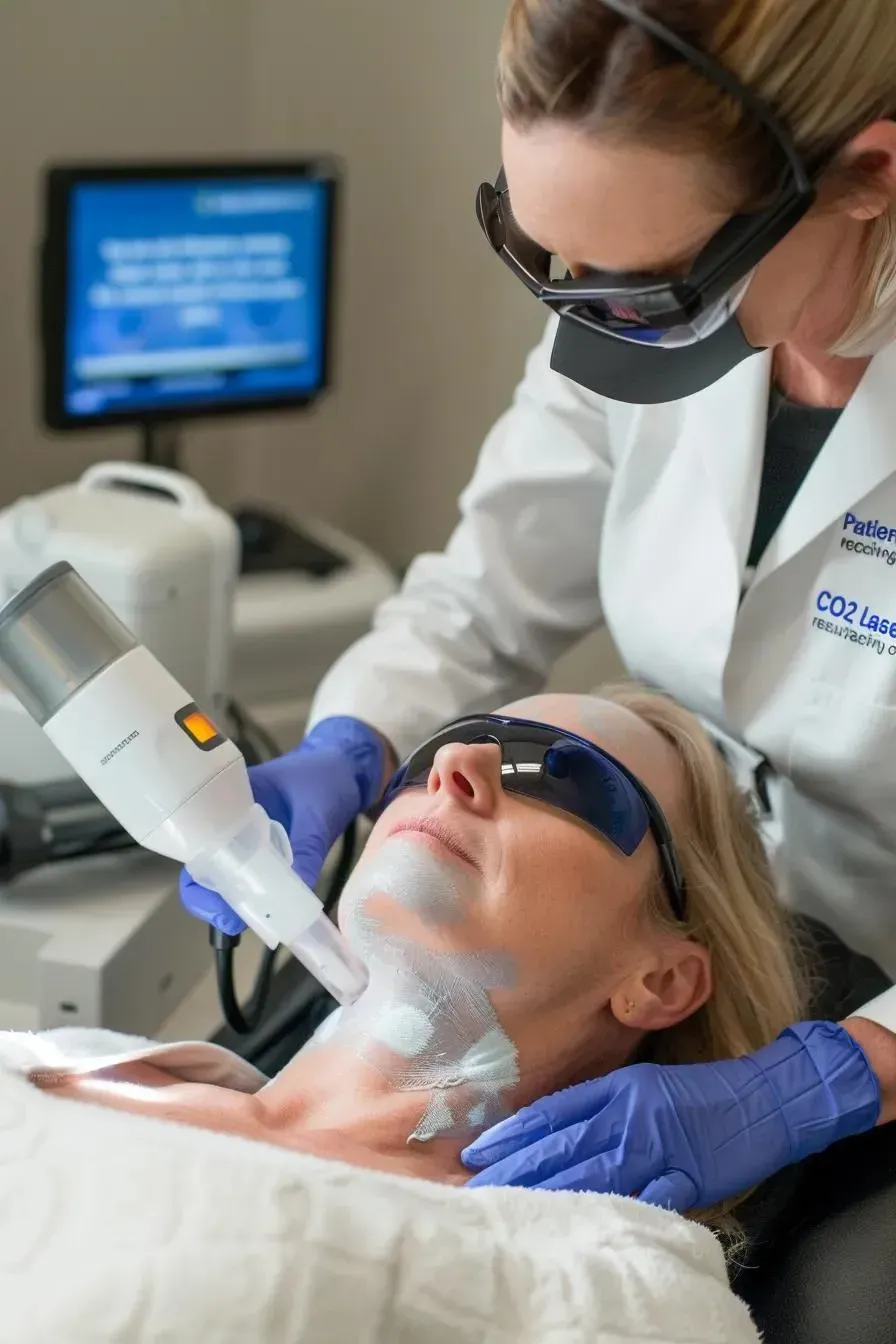
CO2 laser resurfacing is a clinical treatment used to smooth skin and lessen the look of acne scars. Below, we walk through what results are realistic, the benefits you can expect, the typical timeline for recovery, and how healing usually progresses. We know acne scarring can affect confidence — our goal here is to give clear, practical information so you can make an informed choice about this option for skin rejuvenation.
Key Benefits of CO2 Laser Resurfacing for Acne Scars
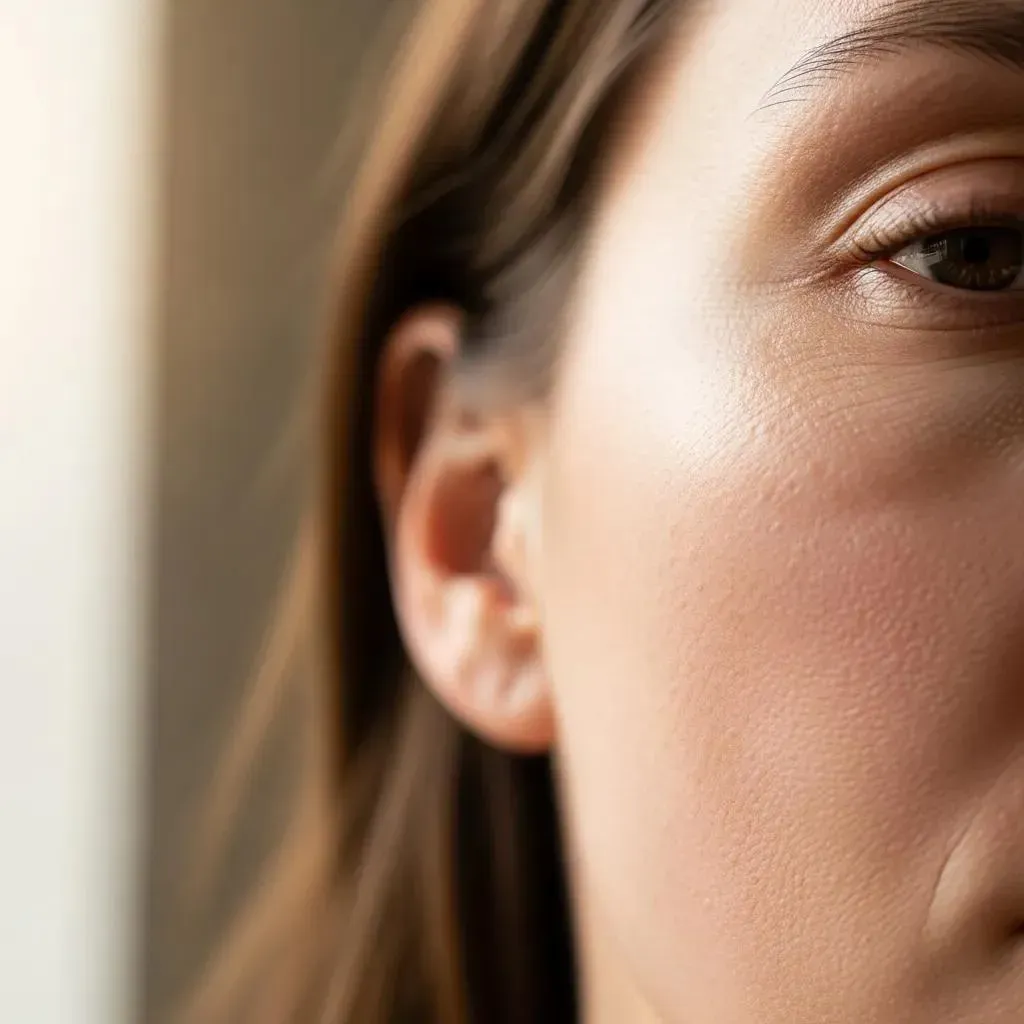
CO2 laser resurfacing treats acne scars by removing damaged outer layers of skin and stimulating collagen beneath the surface. That combination can improve texture, soften scar depth, and produce results that last when paired with good skincare and sun protection.
| Benefit | Description | Impact Level |
|---|---|---|
| Improved Skin Texture | Stimulates collagen production to create smoother, firmer skin. | High |
| Reduced Scar Visibility | Diminishes the appearance of acne scarring and uneven surfaces. | High |
| Long-lasting Results | With proper skincare and sun protection, improvements can persist for years. | Medium |
Because it treats both surface texture and deeper collagen, many patients choose CO2 resurfacing when they want a noticeable, lasting improvement.
How CO2 Laser Improves Texture and Scar Appearance
The CO2 laser works by creating controlled micro-injuries in the skin. That removes damaged layers and triggers your body’s natural repair response, increasing collagen production. The result is smoother skin and reduced scar depth over time, while nearby untreated tissue helps speed healing.
Those properties are why CO2 remains a commonly used tool for acne scar revision in dermatology.
CO2 Laser Mechanism & Efficacy for Acne Scars
Among laser types, the carbon dioxide (CO2) laser is a mainstay in dermatology. Its 10,600 nm wavelength is strongly absorbed by water, and because skin is largely water, CO2 energy enables precise, controlled ablation with good blood control. Beyond removing raised benign lesions, CO2 lasers have proven useful in revising acne scars and improving skin resurfacing outcomes.
The role of the CO2 laser and fractional CO2 laser in dermatology, 2014
Why Fractional CO2 Is Often Considered the Gold Standard
Fractional CO2 delivers energy in tiny columns, treating microscopic areas while leaving surrounding skin intact. That targeted approach balances effectiveness with faster healing and less downtime than fully ablative CO2 treatments, and clinical studies report meaningful improvements in scar appearance and overall skin rejuvenation.
Clinical evidence continues to support fractional CO2 as an effective option for acne-scar revision.
Fractional CO2 Laser Efficacy for Acne Scars
Overall, the body of research indicates that fractional CO2 laser therapy provides outcomes for acne scars comparable to other established treatments, demonstrating consistent effectiveness across studies.
The efficacy of fractional CO2 laser in acne scar treatment: A meta‐analysis, 2021
Typical Timeline for Acne Scar Treatment Results
Knowing the stages of recovery helps set realistic expectations. Results come in phases — some improvements appear quickly, while full remodeling takes time.
When Do Initial Improvements Appear?
Many patients notice early changes in skin texture within 1 to 2 weeks after treatment. Expect initial redness and swelling to fade during this period, with a gradual smoothing of the treated areas as healing begins.
When Is Full Rejuvenation Visible?
The most noticeable, long-term changes usually develop over 3 to 6 months as collagen production and tissue remodeling continue. Individual factors — skin type, scar depth, and adherence to aftercare — influence how quickly you see final results.
How Skin Heals After CO2 Laser Resurfacing
Healing proceeds through predictable phases. Understanding them helps you follow recovery steps and recognize normal progress.
Phases of Skin Healing Post-Treatment
The skin healing process can be broken down into three main phases:
- Inflammation Phase: This begins right after treatment and typically lasts about 3–7 days. Redness, mild swelling, and tenderness are common.
- Rebuilding Phase: From about one week to several weeks, new collagen and skin cells form, and texture starts to improve.
- Maturation Phase: Over several months, collagen strengthens and the skin continues to refine, revealing the longer-term results.
Temporary side effects commonly include redness, swelling, and peeling, usually resolving within 1 to 3 weeks depending on treatment intensity. Discomfort is often manageable with prescribed pain relief. If you notice increasing pain, heavy discharge, fever, or other signs of infection, contact your provider right away.
Researchers are also studying approaches like photobiomodulation to reduce downtime and support faster tissue regeneration after fractional CO2 treatment.
Fractional CO2 Laser Recovery & Regeneration
Fractional CO2 laser is widely used for resurfacing and stimulating collagen, but it can be limited by side effects. Photobiomodulation (PBM) has been studied as a way to speed recovery and enhance tissue regeneration, and early findings suggest it may reduce side effects and help optimize healing after fractional CO2 therapy.
Photobiomodulation as a modulator of collagen remodeling following fractional CO₂ laser therapy, GL Carvalho, 2025
Expected Side Effects of CO2 Laser Resurfacing
CO2 resurfacing is generally safe when performed by an experienced clinician, but it produces predictable short-term effects as the skin heals.
Which Side Effects Are Normal and Temporary?
Normal side effects include:
- Redness: Similar to a sunburn; usually subsides within 1–2 weeks.
- Swelling: Mild swelling is common and typically improves in a few days to a week.
- Peeling: Surface peeling and flaking are part of the natural recovery process.
Contact your clinician if you experience persistent or worsening pain, signs of infection (increased redness, warmth, or discharge), or any unexpected symptoms. Early attention helps prevent complications and supports a smoother recovery.
How CO2 Laser Resurfacing Compares to Other Acne Scar Treatments
CO2 resurfacing is notable for its ability to address both surface texture and deeper scar architecture, which sets it apart from many non-ablative lasers and topical options.
Advantages Over Alternative Laser and Non-Laser Options
Compared to other approaches, CO2 resurfacing offers:
- Effective for Deep Scars: Particularly useful for deeper, more textured acne scars where surface treatments fall short.
- Long-lasting Results: Improvements can last for years with proper skincare and sun protection.
- Controlled Downtime: Fractional CO2 provides a middle ground — more potent than non-ablative options but with less downtime than fully ablative treatments.
Good candidates typically have moderate to severe acne scarring, are in overall good health, and have realistic expectations. A consultation with a qualified dermatologist will assess your skin type, scar pattern, and medical history to determine whether CO2 resurfacing is the right fit.
What Patients Say About Their CO2 Laser Resurfacing Experience

Patient stories offer practical insight into outcomes and recovery. Many people report clearer texture, smoother skin, and renewed confidence after treatment.
Common Patient Testimonials and Success Stories
Typical feedback highlights visible smoothing of scars, improved skin tone, and satisfaction with long-term results. Before-and-after photos often illustrate these changes clearly.
Local Results — Madison, Alabama
Patients in Madison, Alabama, have shared positive experiences with CO2 resurfacing, noting meaningful improvements in acne scars and overall skin quality when treated by experienced providers in the area.
To complement skin treatments, you might also consider our Medical Weight Loss programs, which support overall health and can enhance your wellness journey.
For a full range of aesthetic and wellness services tailored to your needs, visit Growing Younger Clinic and schedule a consultation.
Frequently Asked Questions
What should I expect during the CO2 laser resurfacing procedure?
Expect a detailed consultation first, then topical numbing before treatment to reduce discomfort. The procedure targets damaged skin with precise laser pulses and typically lasts 30 minutes to two hours, depending on the area. During treatment you may feel brief snapping sensations; providers often soothe the skin with cooling measures afterward.
How can I prepare for my CO2 laser resurfacing treatment?
Prepare by avoiding sun exposure and tanning for at least two weeks beforehand. Stop retinoids and other strong exfoliants a few days before your appointment, and review any medications or supplements with your clinician — some may need to be paused. Plan for aftercare and, if needed, someone to drive you home.
Are there any long-term effects of CO2 laser resurfacing?
Long-term effects often include meaningful improvement in texture and scar appearance that can last for years with proper care. Some patients may experience pigment changes or textural shifts, particularly those with darker skin tones; regular follow-up helps monitor and manage these outcomes.
Can CO2 laser resurfacing be combined with other treatments?
Yes. Many patients combine CO2 resurfacing with treatments like chemical peels, microneedling, or dermal fillers to address multiple concerns. Your dermatologist will recommend a safe, staged plan that fits your skin type and goals.
What aftercare is necessary following CO2 laser resurfacing?
Aftercare is essential: keep the treated area clean and well-moisturized with gentle, non-irritating products. Use a broad-spectrum sunscreen daily to reduce pigmentation risk. Avoid heavy exercise, hot showers, and saunas for at least a week, and follow any specific instructions from your provider to support healing.
How do I know if I'm a good candidate for CO2 laser resurfacing?
A qualified dermatologist can determine candidacy based on scar severity, skin type, medical history, and expectations. Ideal candidates usually have moderate to severe scarring and good overall health. Active skin infections or certain conditions may mean alternative treatments are safer.
Conclusion
CO2 laser resurfacing can offer significant, long-lasting improvement for acne scars by smoothing texture and stimulating collagen. If you’re considering this treatment, schedule a consultation with a qualified clinician to discuss realistic results, personalize a treatment plan, and review aftercare. Taking that first step can help you move toward healthier-looking skin and greater confidence.