
Back
March 26, 2026 | Nic Menezes
Plasma Lift Aftercare: Essential Tips for Best Results
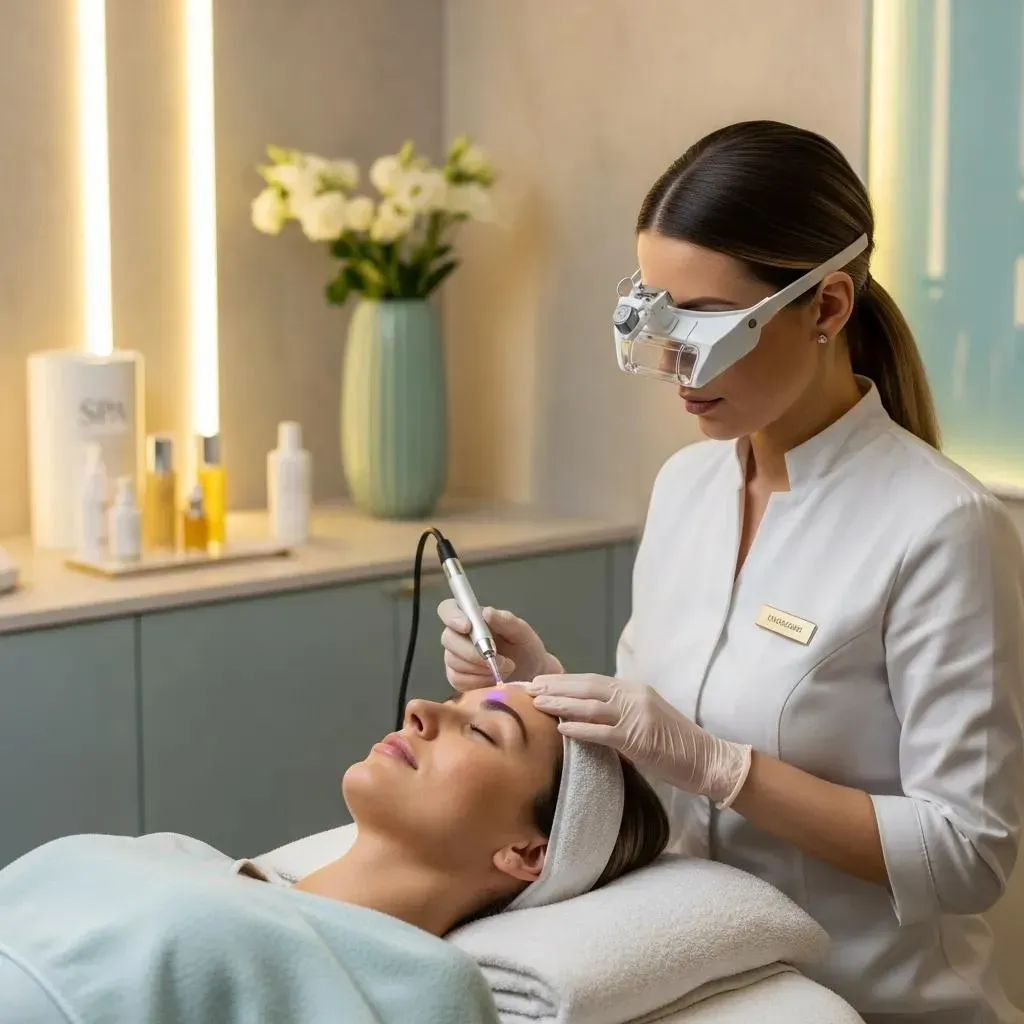
Plasma lift procedures rejuvenate the skin and improve facial contours, but successful outcomes depend on appropriate aftercare. This article outlines essential post-procedure measures to support skin tightening recovery and preserve results. Post-treatment care influences healing and efficacy; following recommended practices helps the skin recover and maintain benefits. We cover immediate expectations after a plasma pen procedure, managing common side effects, the typical healing timeline and long-term maintenance.
Clinical guidance underscores the importance of comprehensive pre- and post-treatment care in aesthetic dermatology.
Aesthetic Dermatology: Pre & Post-Treatment Guidance
This manuscript summarizes patient selection criteria, absolute contraindications and conditions requiring caution, and details considerations for the pre-treatment, intra-procedural and post-treatment periods. It provides guidance on both immediate and long-term management of adverse reactions.
Expert opinion on pre and post procedure care in aesthetic dermatology, 2022
What to Expect Immediately After Plasma Pen Treatment?
Patients can expect an immediate tightening effect with common local reactions such as erythema and mild swelling. These responses are typical following plasma pen treatment. Adhering to aftercare instructions reduces discomfort and supports timely healing, helping set realistic recovery expectations.
How Does Plasma Skin Tightening Recovery Begin?
Recovery usually starts with transient redness and mild oedema at treated sites. Follow aftercare guidance—avoid direct sun exposure and keep cleansing gentle—to protect the epidermis and promote an uneventful recovery.
Which Immediate Aftercare Steps Are Crucial?
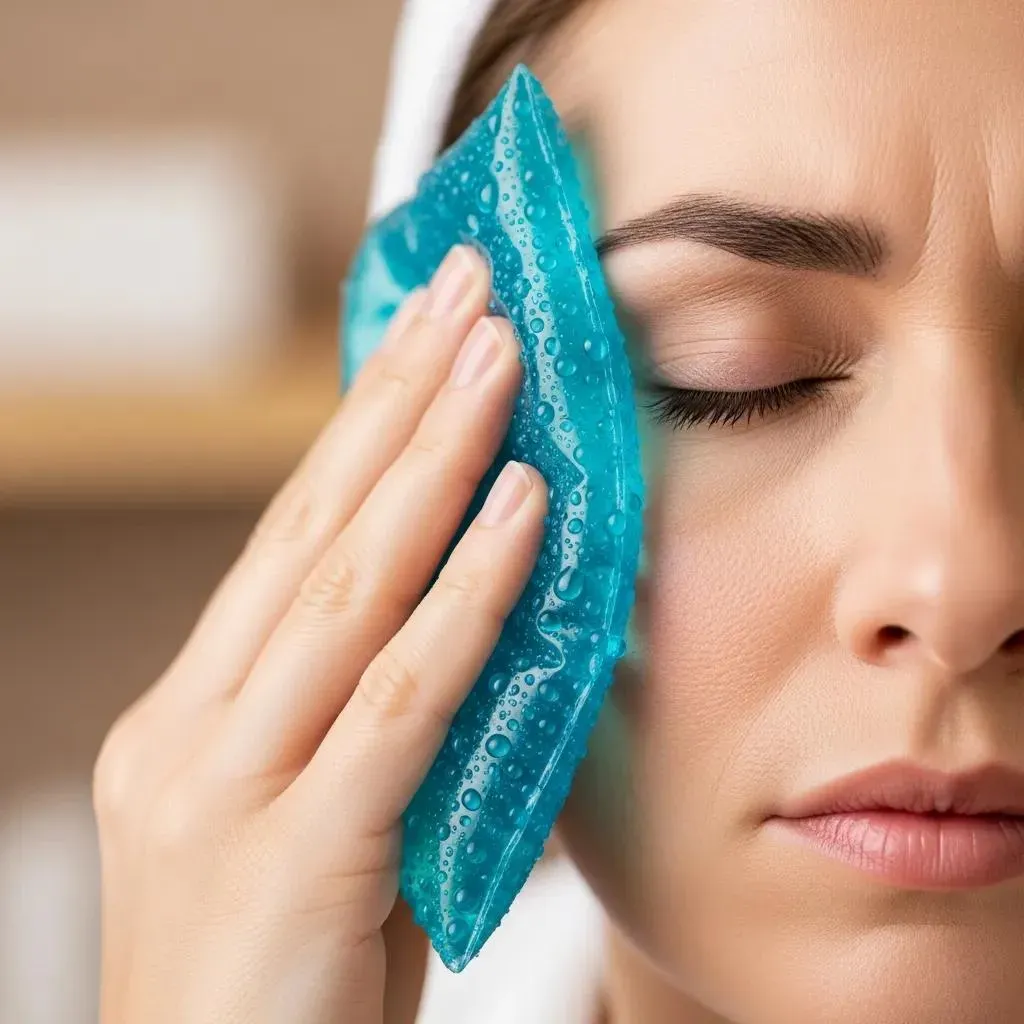
Follow these immediate aftercare steps to support healing:
- Avoid Touching Treated Areas: Prevent infection and irritation by not touching the treated skin.
- Use Cold Compresses: Cold compresses reduce swelling and soothe discomfort.
- Stay Hydrated and Avoid Alcohol: Proper hydration supports skin healing and overall recovery.
How to Manage Common Plasma Lift Side Effects Safely?
Managing expected side effects promptly supports recovery. Typical reactions include swelling, redness and tenderness; appropriate measures improve comfort and reduce complication risk.
What Are Typical Side Effects After Plasma Fibroblast Therapy?
Post-treatment effects commonly include tenderness, erythema and small crusts or micro-dots where the epidermis is renewing. These are generally mild; monitor for severe or progressive symptoms that may need clinical review.
How Can You Effectively Reduce Swelling and Discomfort?
To reduce swelling and discomfort, employ these clinically recommended methods:
- Cold Compress Application: Significantly reduces swelling and soothes the skin.
- Avoiding Excessive Movement of the Treated Area: Minimises irritation and further swelling.
- Hydration and Gentle Activity: Staying hydrated and doing light activity supports healing.
What Is the Recommended Healing Timeline and Skin Regeneration Process?
Knowing the typical healing timeline helps manage recovery expectations. Duration varies by skin type, treatment intensity and adherence to aftercare.
How Long Does Plasma Treatment Post Care Last?
Typical post-care lasts 7–10 days, during which crusting and epidermal renewal occur. Individual factors like skin type and overall health influence this phase.
What Are the Key Phases of Skin Healing After Plasma Lift?
Skin healing after a plasma lift follows clear phases:
- Immediate Tightening Effect: Many patients notice immediate tightening post-procedure.
- Cumulative Improvement Over Time: Improvements continue over weeks as collagen production increases.
Which Long-Term Aftercare Practices Ensure Lasting Plasma Lift Results?

Long-term aftercare preserves plasma lift results. Consistent, evidence-based practices support skin health and prolong benefits.
How to Protect and Maintain Collagen Production Post Treatment?
To support collagen production after treatment, consider these strategies:
- Use of Collagen Peptides: Incorporate collagen peptides into your diet to support skin elasticity.
- Importance of Vitamin C: Vitamin C supports collagen synthesis and overall skin health.
- Regular Sun Protection: Apply a broad-spectrum sunscreen daily to protect healing skin and maintain results.
- Regular Follow-Ups: Schedule follow-up consultations to monitor skin health and adjust care as needed.
When Should You Schedule Follow-Up Consultations?
Arrange a follow-up at 4–6 weeks post-treatment to assess healing and update the care plan. Regular review ensures proper recovery and ongoing maintenance of results.
For personalised guidance and to ensure optimal outcomes from your plasma lift treatment, consult the professionals at Growing Younger Clinic. Their clinical expertise can assist with tailored aftercare recommendations.
To complement plasma lift results, consider exploring anti-aging treatments to support comprehensive skin rejuvenation.
If you have questions or require further assistance, please contact our team. We are available to support you throughout your journey to healthier, younger-looking skin.
To learn more about our clinic and the services we offer, visit Growing Younger Clinic. We provide personalised care and evidence-based solutions to help you achieve your aesthetic goals.
Frequently Asked Questions
What should I avoid after a plasma lift treatment?
Avoid direct sun exposure and tanning while the skin is healing, as UV exposure can impair recovery and compromise results. Refrain from harsh topical agents such as physical exfoliants or retinoids for at least one week. Avoid strenuous exercise and activities that cause heavy sweating. Do not pick at crusts or scabs to reduce the risk of scarring or infection.
How can I tell if my skin is healing properly after treatment?
Proper healing shows gradual reduction in redness and swelling, with small crusts forming and then shedding. Seek clinical advice if redness persists, pain increases, or signs of infection (pus or fever) develop. Regular monitoring and adherence to aftercare instructions support a smooth recovery.
Can I wear makeup after a plasma lift treatment?
Avoid makeup for 5–7 days post-treatment to allow the skin to heal. Applying cosmetics too early may irritate the treated area and increase infection risk. Once crusts have resolved, reintroduce makeup gradually and choose non-comedogenic, gentle products.
What are the signs of an allergic reaction to plasma lift treatment?
Allergic signs include severe swelling, hives, itching or a widespread rash. If you experience difficulty breathing, dizziness, or swelling of the face or throat, seek immediate medical attention. Any severe or atypical symptoms should be evaluated by a healthcare professional.
How often can I have plasma lift treatments?
Frequency depends on skin condition and goals. Generally allow 6–12 weeks between procedures for full healing and collagen remodelling. A qualified practitioner will recommend a schedule tailored to your skin.
Are there any contraindications for plasma lift treatments?
Some individuals are unsuitable candidates. Contraindications include active skin infections, autoimmune disorders, pregnancy, and inflammatory skin conditions such as eczema or psoriasis. Those with keloid scarring or taking anticoagulants should consult a healthcare provider before treatment. A thorough consultation identifies risks and supports safe care planning.
Conclusion
Appropriate aftercare is critical to maximise the benefits of plasma lift treatments and achieve optimal skin tightening and rejuvenation. Following recommended practices reduces side effects and supports lasting results. For individualised support and to explore additional anti-aging options, consult the experts at Growing Younger Clinic and contact their team to discuss a personalised plan aligned with your aesthetic goals.