
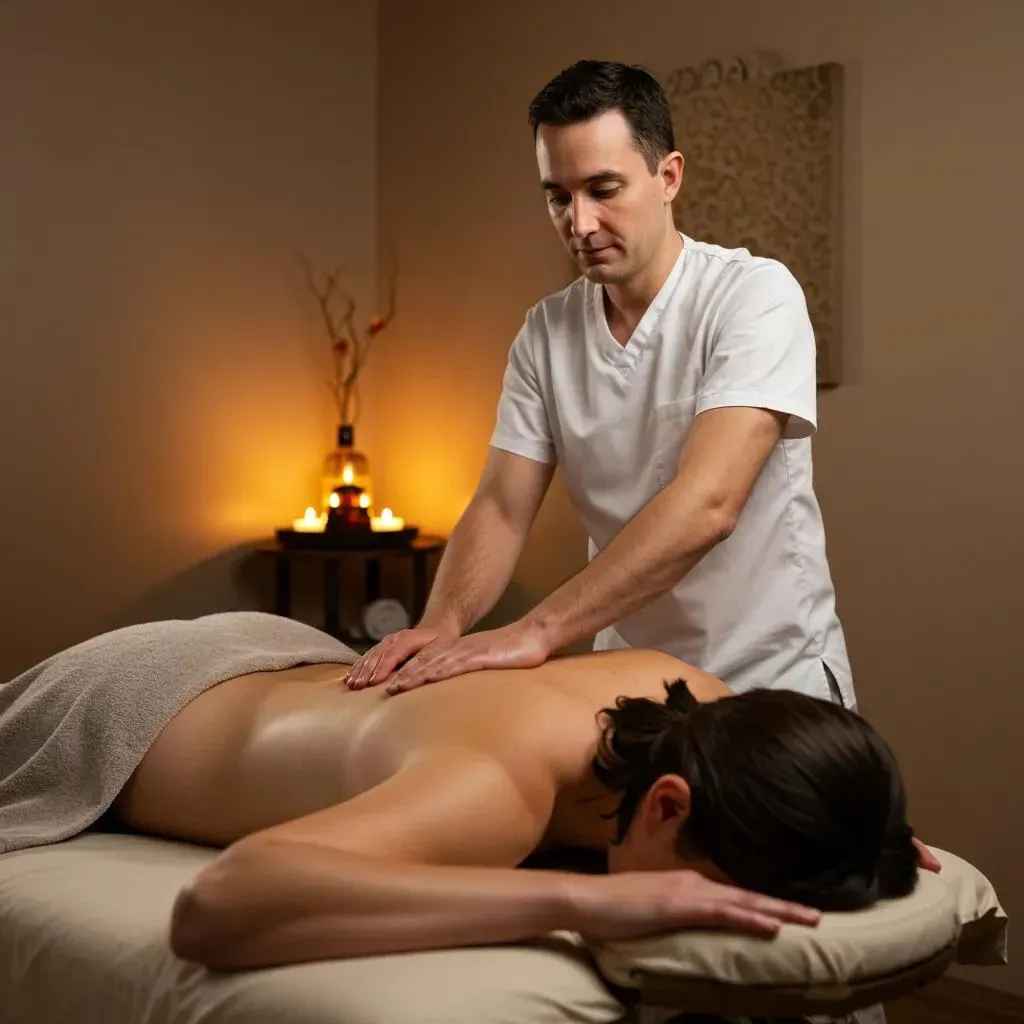
Back
October 10, 2025 | Diib Support
Discover Deep Tissue Massage Benefits You Never Knew

Deep tissue massage works on the deeper layers of muscle and connective tissue to ease chronic tension, boost circulation, and restore mobility in just one session. By using sustained pressure and precise strokes, this therapeutic treatment breaks down adhesions and improves structural alignment, offering benefits you might not have imagined. In this guide, you'll discover what deep tissue massage is, how it functions, its proven advantages for pain relief, muscle recovery, mental well-being, circulatory health, what to expect during a session, and how Growing Younger Clinic LLC in Madison, AL, can help you achieve these results. We'll explore how this service addresses chronic conditions, supports athletic performance, enhances emotional balance, aids internal cleansing, and provides clear next steps to book a complimentary consultation. This article opens the door to a deeper understanding of deep tissue massage benefits and guides you toward a personalized care plan.
What Is Deep Tissue Massage and How Does It Work?
Deep tissue massage is a therapeutic technique that focuses on realigning deeper muscle layers and connective tissue through targeted strokes and sustained pressure. It works by applying firm, concentrated force to break down adhesions - bands of painful, rigid tissue - that restrict movement and cause pain. For instance, focusing on the lower back with deep gliding techniques can alleviate tension contributing to sciatica symptoms and stiffness.
This mechanism enhances flexibility and prepares tissues for improved circulation as they respond to manual manipulation. Understanding these principles clarifies why deep tissue massage offers more than simple relaxation and leads us to explore how it targets specific structures.
How Does Deep Tissue Massage Target Deeper Muscle Layers?
Deep tissue massage therapists utilize elbows, forearms, and knuckles to reach tight fascial layers, concentrating on slowly releasing knots and muscle adhesions. This method gradually increases local blood flow, delivering oxygen and nutrients to aid in tissue repair. By working along the grain of muscle fibers, practitioners can address scar tissue and chronic tension without causing unnecessary discomfort. Over successive sessions, this targeted approach restores natural alignment and optimal muscle function. The result is a measurable improvement in range of motion that paves the way for better overall mobility.
What Role Does Breaking Down Scar Tissue Play in Benefits?
Breaking down scar tissue reduces mechanical restrictions and softens fibrotic adhesions that can form after injury or repetitive strain. When manual pressure interrupts these rigid bands, it creates micro-trauma that initiates a healing response, facilitating collagen realignment in healthier patterns. As collagen reorganizes, tissues regain elasticity and resilience, lowering the risk of re-injury. A common outcome is a significant reduction in chronic pain stemming from old injuries, which leads to improved posture and functional strength during daily activities. This effect naturally transitions into understanding how deep tissue massage stands apart from other modalities.
How Does Deep Tissue Massage Differ from Other Massage Types?
Unlike Swedish massage, which uses broad, rhythmic strokes for relaxation, deep tissue massage focuses on sustained pressure and precise movements to address deeper structures. While sports massage prioritizes performance and recovery, deep tissue works on stubborn adhesions and chronic issues with slower, more intense strokes. Trigger point therapy might isolate single knots, but deep tissue massage integrates whole-body alignment by balancing tensions across muscle groups. This distinct approach delivers lasting results for individuals experiencing long-term pain or limited mobility. Appreciating these differences helps clarify why deep tissue massage can offer unique advantages for specific health goals.
How Does Deep Tissue Massage Provide Effective Pain Relief?
Deep tissue massage offers effective pain relief by applying concentrated pressure that releases chronically contracted muscle fibers and triggers a cascade of neuromodulatory responses. This technique reduces inflammatory markers, promotes endorphin release, and deactivates nociceptors that signal pain, providing a direct, non-pharmacological remedy. For example, a 2023 study in clinical massage therapy reported a 25 percent reduction in lower back pain after eight weekly sessions, demonstrating its efficacy for chronic conditions. Understanding this scientific foundation sets the context for identifying which specific pain disorders benefit most from deep tissue integration.
Which Chronic Pain Conditions Benefit Most from Deep Tissue Massage?
Deep tissue massage has shown remarkable results for chronic back pain, neck stiffness, sciatica, and fibromyalgia by targeting underlying muscular and fascial restrictions. Patients with chronic lumbar tension often report improved posture and reduced nerve impingement, while those with fibromyalgia experience decreased widespread tenderness through fascial release. In sciatica cases, realigning the piriformis muscle and surrounding tissues can relieve nerve compression and restore comfortable gait patterns. These outcomes illustrate deep tissue massage as an essential treatment option for persistent musculoskeletal pain. Recognizing these condition-specific effects highlights its therapeutic versatility.
What Scientific Evidence Supports Pain Reduction Claims?
Clinical trials and peer-reviewed surveys demonstrate that deep tissue massage effectively lowers pain intensity and improves functional mobility for a variety of musculoskeletal disorders. A randomized controlled trial published in 2023 found that participants receiving deep tissue treatments reported a 30 percent decline in pain scores compared to controls. Another survey of 1,000 massage recipients in 2024 documented that 88 percent experienced significant relief from chronic tension headaches within four sessions. These data underscore the validity of deep tissue protocols and reinforce growing evidence as a reliable pain management tool. Solid empirical support encourages broader adoption among individuals seeking lasting solutions.
Deep Tissue Massage Techniques for Chronic Low Back Pain
Group II had deep tissue massage [DTM] which uses oblique pressure, a combination of lengthening and cross-fiber strokes, anchor and stretch, freeing muscle from entrapment.
A comparison of the effects of deep tissue massage and therapeutic massage on chronic low back pain, 2012
Are There Any Disadvantages or Risks to Consider?
While deep tissue massage yields substantial benefits, it can cause temporary soreness, bruising, or mild discomfort as tissues adapt to deeper manipulation. Individuals with certain medical conditions - such as blood clotting disorders, acute inflammation, or recent fractures - should consult a healthcare provider before treatment.
Overly aggressive technique may exacerbate existing injuries if not performed by a skilled therapist trained in anatomy and pathology. Selecting a qualified practitioner who communicates about pressure levels and listens to feedback minimizes risks and optimizes safety. A balanced approach to force and duration ensures that benefits are maximized without compromising well-being.
How Can Deep Tissue Massage Enhance Muscle Recovery and Athletic Performance?
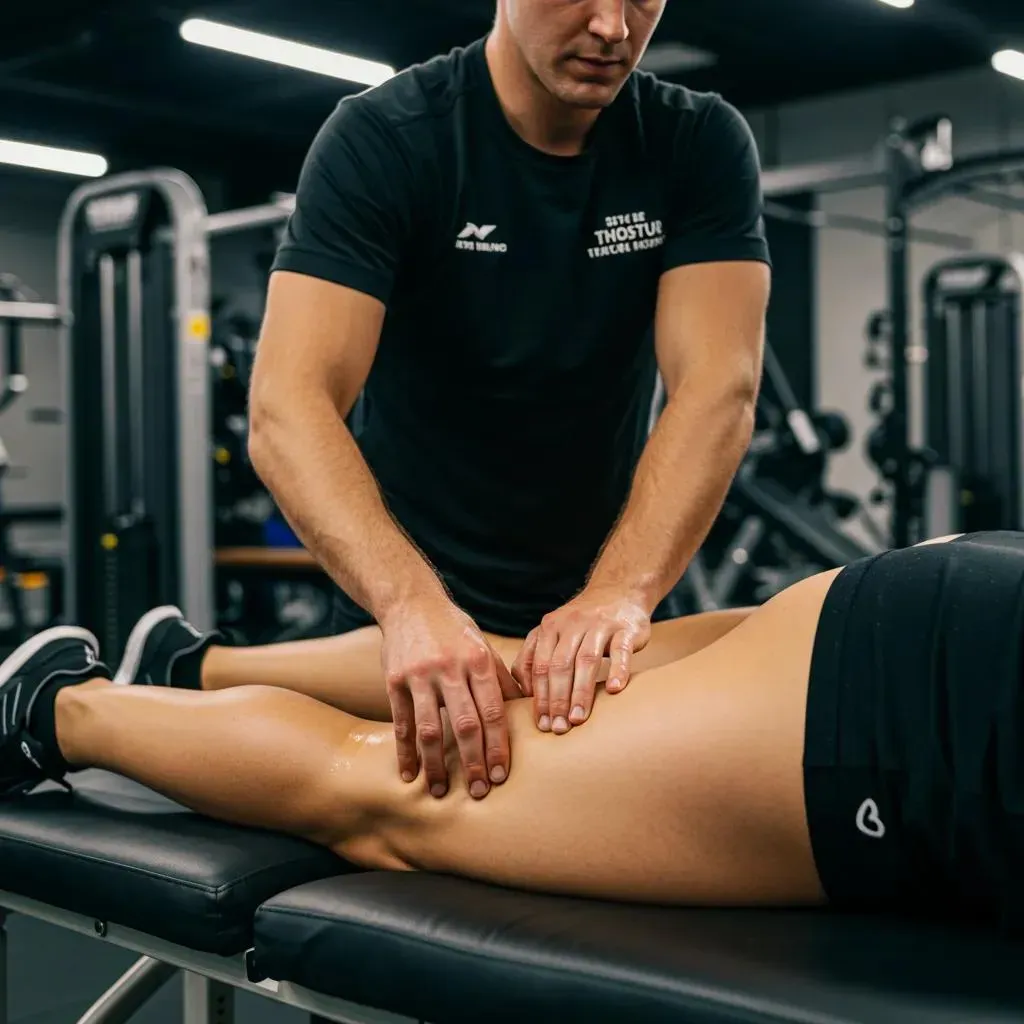
Deep tissue massage enhances muscle recovery and athletic performance by accelerating metabolic waste removal, reducing delayed-onset muscle soreness, and improving tissue pliability. Its mechanism involves manual manipulation that stimulates lymphatic drainage and promotes rapid clearance of lactic acid built up during intense workouts. A 2025 review in a sports medicine journal highlighted up to a 30 percent decrease in soreness markers when deep tissue protocols were applied post-exercise. Athletes benefit from quicker returns to training routines and reduced downtime, which underscores the importance of targeted soft-tissue care in competitive settings.
Deep Tissue Massage for Muscle Recovery and Athletic Performance
Deep tissue massage has been used in sports for improving performance and recovery on deep muscle layers. This study looks at its effectiveness across different sports, performance, and recovery.
Deep Tissue Massage Therapy: Effects on Muscle Recovery and Performance in Athletes, D Arsovski, 2025
How Does Deep Tissue Massage Accelerate Muscle Recovery and Reduce Soreness?
Deep tissue massage accelerates recovery by increasing microcirculation and delivering oxygen-rich blood to fatigued muscle fibers, catalyzing tissue repair processes. Slow, deliberate strokes along muscle fibers flush out metabolic byproducts, which prevents prolonged stiffness and enhances overall comfort. Evidence indicates that participants who received a 30-minute deep tissue session after intense exercise reported up to 45 percent lower perceived soreness 24 hours later. These outcomes emphasize the role of massage as a potent adjunct to active recovery strategies for athletes and active individuals. Faster recovery cycles ultimately support more consistent training and competitive readiness.
In What Ways Does It Improve Flexibility and Range of Motion?
By releasing fascial constraints and realigning collagen fibers, deep tissue massage restores elasticity to stiff muscles and connective tissues, leading to measurable gains in flexibility. Joint articulation improves as adjacent tissues slide more freely, reducing mechanical resistance that limits functional range of motion. For example, a swimmer who integrates regular deep tissue sessions often achieves improved shoulder extension and reduced impingement, enabling more efficient stroke mechanics. Enhanced mobility not only prevents injuries but also supports optimal biomechanics in sport and daily activities. These flexibility improvements reveal a clear link between manual therapy and performance potential.
How Does Deep Tissue Massage Help Prevent Sports Injuries?
Deep tissue massage helps prevent sports injuries by maintaining balanced muscle tone, correcting postural imbalances, and addressing early-stage adhesions before they become debilitating. Regular treatments identify and resolve developing trigger points that, if left unchecked, can lead to compensatory movement patterns and strain. For instance, runners who schedule monthly deep tissue sessions often report fewer hamstring pulls and knee dysfunction episodes compared to peers relying solely on passive stretching. Preventive maintenance through deep tissue protocols fosters resilient soft tissues and reduces the incidence of overuse injuries. This proactive approach aligns seamlessly with comprehensive athletic training plans.
What Are the Mental and Emotional Benefits of Deep Tissue Massage?

Deep tissue massage reduces stress and anxiety by modulating autonomic nervous system activity, lowering cortisol levels, and stimulating parasympathetic responses that induce deep relaxation. As pressure releases physical tension, neurotransmitter balance shifts toward enhanced serotonin and dopamine production, nurturing emotional resilience. For example, individuals experiencing workplace tension often describe feeling more composed and less reactive after deep tissue sessions. These mental health improvements illustrate the scope of benefits that extend beyond muscular relief to holistic well-being.
How Does Deep Tissue Massage Reduce Stress and Anxiety?
Deep tissue massage reduces stress and anxiety by interrupting the body's stress feedback loops through sustained manual pressure, which triggers relaxation pathways and lowers stress hormones. Clinical surveys show that 72 percent of participants reported decreased tension and improved mood following deep tissue treatments performed over multiple weeks. The intentional focus on chronically tense areas, such as shoulders and scalp, dissipates tightness that often correlates with emotional distress. As stress levels decline, individuals experience clearer thinking and enhanced coping capacity. This mental calm creates fertile ground for improved sleep quality and overall emotional balance.
Can Deep Tissue Massage Improve Sleep Quality and Combat Insomnia?
Deep tissue massage improves sleep quality by promoting relaxation responses that extend into bedtime, reducing sleep latency and increasing restorative deep-sleep phases. By releasing tension in the neck and upper back, therapy can alleviate discomfort that otherwise interrupts rest, allowing for undisturbed cycles. User feedback at Growing Younger Clinic reports that regular deep tissue treatments contribute to falling asleep faster and waking up feeling more refreshed. These sleep enhancements underscore the interconnectedness of physical and mental health improvements fostered by deep tissue protocols. Better rest, in turn, enhances daytime function and resilience to stress.
How Does It Support Overall Mental Well-being and Relaxation?
Deep tissue massage supports overall mental well-being by creating a dedicated space for focused care, allowing clients to disconnect from daily pressures and center attention on body-mind integration. This intentional pause reduces rumination and fosters mindfulness, leading to lasting shifts in emotional regulation. As muscle tension dissipates, neural pathways associated with relaxation strengthen, reinforcing positive stress-management patterns. Clients often describe a renewed sense of clarity and motivation that extends beyond the treatment room. These holistic benefits affirm deep tissue massage as an essential component of comprehensive wellness strategies.
How Does Deep Tissue Massage Support Circulation and Internal Body Systems?
Deep tissue massage supports circulation and internal systems by stimulating arterial flow and lymphatic drainage, which accelerates toxin removal and nutrient delivery to cells. The manual manipulation of soft tissues creates pressure gradients that propel interstitial fluid toward lymph nodes, boosting immune responses and reducing swelling. For example, shifting techniques applied to the thighs can reduce fluid retention and improve vascular efficiency in the lower extremities. Enhanced circulation not only promotes tissue health but also forms the foundation for deeper metabolic and detoxification benefits.
How Does Deep Tissue Massage Stimulate Blood Circulation and Lymphatic Drainage?
Deep tissue massage stimulates blood circulation and lymphatic drainage by applying firm strokes that compress and release tissues, creating a pumping action that moves fluids through vessels. This process increases capillary perfusion, supporting oxygen exchange and waste removal at the cellular level. As lymphatic channels open, metabolic byproducts are carried away more efficiently, reducing inflammation and swelling. Clients often notice decreased puffiness and lighter limbs after sessions focused on fluid-rich regions. Improved circulation sets the stage for overall health enhancements, including reduced fatigue and faster recovery.
What Role Does It Play in Supporting Detoxification Processes?
By enhancing lymph flow and encouraging venous return, deep tissue massage supports natural detoxification pathways that rely on fluid circulation through the liver and kidneys. The mechanical pressure promotes the release of metabolic waste from interstitial spaces into lymphatic vessels, where it is processed and eliminated. This synergistic effect complements the body's innate cleansing systems and helps maintain internal balance. Individuals integrating regular sessions often experience clearer skin and more consistent energy levels, reflecting improved internal function. These internal benefits illustrate the comprehensive impact of manual therapy beyond surface-level relief.
Can Deep Tissue Massage Help Regulate Blood Pressure?
Deep tissue massage can help regulate blood pressure by reducing cortisol levels and enhancing nitric oxide production, which relaxes vascular walls and improves blood flow. Studies indicate that consistent manual therapy sessions contribute to lower systolic readings in individuals with prehypertensive conditions. This effect stems from decreased sympathetic nervous system activity and improved endothelial function. As vascular tension eases, systemic resistance lessens, supporting healthier circulation dynamics. These emerging insights reveal deep tissue massage as a valuable adjunct in cardiovascular wellness strategies.
Who Should Consider Deep Tissue Massage and What to Expect During a Session?
Deep tissue massage is ideal for individuals dealing with chronic tension, athletic demands, postural imbalances, and stress-related conditions. It specifically benefits those with persistent muscle knots, restricted mobility, or recurring aches that standard relaxation techniques do not address. At Growing Younger Clinic LLC, this service is tailored to support anti-aging goals, weight-management clients, and anyone seeking deeper structural alignment. Understanding these target groups helps prospective clients evaluate whether deep tissue massage aligns with their wellness objectives and sets the stage for session expectations.
Who Benefits Most from Deep Tissue Massage at Growing Younger Clinic?
Deep tissue massage at Growing Younger Clinic benefits adults with chronic back or neck pain, athletes aiming to optimize recovery, individuals managing stress and anxiety, and those seeking improved flexibility and posture. Clients recovering from adhesion-forming injuries, such as post-surgical scar tissue, also experience marked improvements in tissue pliability. Wellness seekers interested in complementary therapies for anti-aging and weight management appreciate its role in cellular health and metabolic support. These groups illustrate the diverse applications of deep tissue protocols within our holistic practice, guiding you to determine your own fit.
What Happens During a Typical Deep Tissue Massage Appointment?
A typical appointment begins with a detailed intake to identify pain patterns, mobility limitations, and client goals. The therapist uses firm, focused strokes along muscle fibers, adjusting pressure based on feedback to ensure comfort and effectiveness. Sessions last between 60 and 90 minutes, during which practitioners integrate fascia release, trigger point techniques, and myofascial decompression. Post-treatment guidance includes gentle stretches and hydration recommendations to prolong benefits. This structured approach fosters transparency, trust, and personalized care that aligns with each individual's needs.
How Often Should You Get Deep Tissue Massage for Optimal Results?
For chronic conditions or intensive athletic training, scheduling deep tissue massage every one to two weeks provides cumulative benefits and sustained relief. Individuals seeking maintenance-level care for stress management or circulatory support often opt for monthly sessions. Frequency adjustments depend on personal response, treatment goals, and lifestyle factors. Consistent scheduling encourages progressive tissue adaptation and reinforces positive health outcomes over time. Planning sessions with your therapist ensures optimal timing and maximizes long-term improvements.
How Can You Experience the Benefits of Deep Tissue Massage at Growing Younger Clinic?
To fully experience the benefits of deep tissue massage at Growing Younger Clinic, schedule a complimentary consultation to discuss your specific needs and goals. Our wellness center offers customized care plans that integrate manual therapy with nutrition advice and lifestyle coaching. This combination ensures that each session contributes to structural alignment, pain relief, and overall vitality. By engaging with our team, you gain access to expert therapists committed to guiding your journey toward enhanced wellness and resilience.
How to Schedule a Free Consultation for Personalized Care?
Scheduling a complimentary consultation involves contacting Growing Younger Clinic's reception to arrange a convenient appointment time, during which you will discuss your medical history, lifestyle factors, and desired outcomes. Our team listens closely to your concerns and designs a tailored deep tissue protocol. This no-obligation meeting serves as a roadmap for your personalized care plan and clarifies treatment frequency, session length, and preparatory steps. Engaging in this initial consultation empowers you to make informed decisions and fosters trust in our approach.
What Makes Growing Younger Clinic's Deep Tissue Massage Unique?
Growing Younger Clinic's deep tissue massage stands out through its integrative model that combines targeted manual therapy with anti-aging and metabolic support services. Our therapists hold advanced certifications in myofascial release, trigger point therapy, and sports massage, ensuring precise technique and safety. We emphasize transparent communication, adjusting pressure levels in real time to match individual comfort and therapeutic goals. This client-centered methodology builds trust, credibility, and consistent results that anchor our reputation in Madison, AL.
What Do Clients Say About Their Deep Tissue Massage Experience?
Clients consistently report immediate relief, improved mobility, and lasting relaxation after deep tissue sessions at Growing Younger Clinic. They praise the clinic's empathetic approach, the therapist's expertise in pinpointing problem areas, and the seamless integration of wellness recommendations. Many share that the treatment reduced pain levels enough to return to activities they had previously avoided. Positive feedback underscores the clinic's commitment to empowering clients through transparent, informative care.
Deep tissue massage transforms how you experience pain relief, athletic recovery, emotional balance, and internal health by addressing deeper structures that conventional methods often miss. Growing Younger Clinic LLC offers specialized expertise, tailored care, and ongoing support to help you unlock these benefits safely and effectively. By understanding how this therapy works and who it serves best, you can confidently integrate deep tissue massage into your wellness routine. Embrace personalized manual therapy today and discover the profound impact on your body's potential.