
Back
February 9, 2026 | Nic Menezes
Revitalize Your Skin: Benefits of CO2 Laser Resurfacing
CO2 Laser Resurfacing: A Practical Guide to Skin Rejuvenation and Anti-Aging
CO2 laser resurfacing is a powerful option for people who want clearer, firmer skin and fewer visible signs of aging. This guide breaks down how the treatment works, the benefits you can expect, and what recovery looks like. If you’re noticing wrinkles, uneven texture, or sun damage, CO2 resurfacing helps by kick-starting the skin’s natural repair - boosting collagen and encouraging fresh, healthy skin to surface. Below we explain the technology, key benefits, typical recovery, and how CO2 compares with other laser options.
What Is CO2 Laser Resurfacing and How Does It Work?
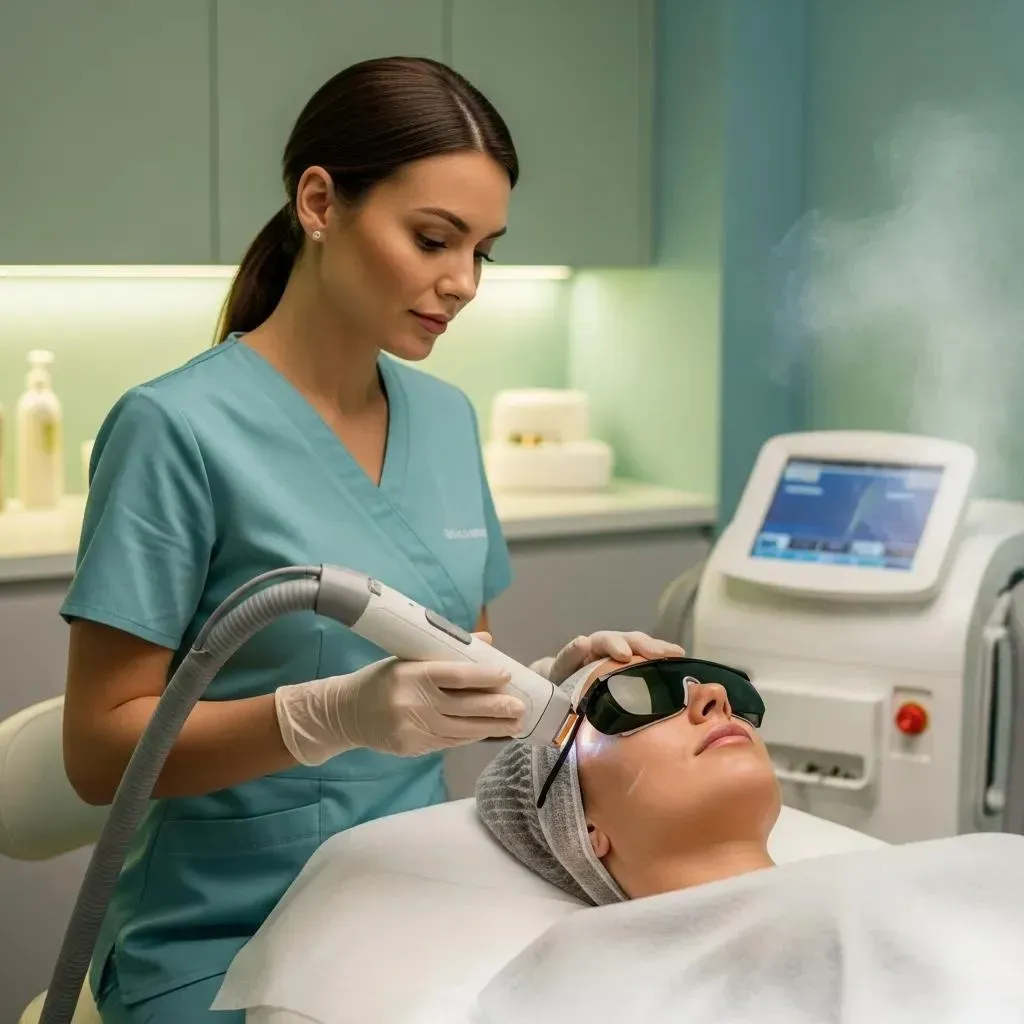
CO2 laser resurfacing is a clinical procedure that uses focused carbon dioxide energy to remove damaged outer skin and stimulate renewal beneath the surface. The laser precisely ablates thin layers of skin while heating the deeper dermis, which triggers a healing response and new collagen formation. The result is smoother, tighter skin as it recovers. CO2 systems can be used for full-field or fractional treatments, giving providers flexibility to match treatment depth to your concerns.
Understanding CO2 Fractional Laser Technology for Skin Rejuvenation
Fractional CO2 is a meaningful advance because it treats microscopic columns of skin while leaving surrounding tissue intact. Those untreated areas speed healing, so you get strong results with less downtime than older full-field approaches. Fractional CO2 is commonly used for wrinkles, sun damage, and acne scars - making it a versatile choice for people wanting noticeable rejuvenation without prolonged recovery.
Fractional CO2 has strong evidence for resurfacing and collagen stimulation; ongoing studies are refining ways to limit side effects and help skin recover faster.
Fractional CO2 Laser for Skin Rejuvenation & Recovery
Skin aging results from multiple factors: loss of volume and elasticity, bone changes, reduced fibroblast activity, and chronic low-grade inflammation. Fractional CO2 lasers are widely used because they reliably promote resurfacing and new collagen formation. Their main drawback is treatment-related side effects, and researchers are exploring adjuncts - like photobiomodulation (PBM) - to speed recovery and improve tissue regeneration.
Photobiomodulation as a modulator of collagen remodeling following fractional CO₂ laser therapy, GL Carvalho, 2025
How CO2 Laser Treatment Stimulates Collagen and Repairs Skin
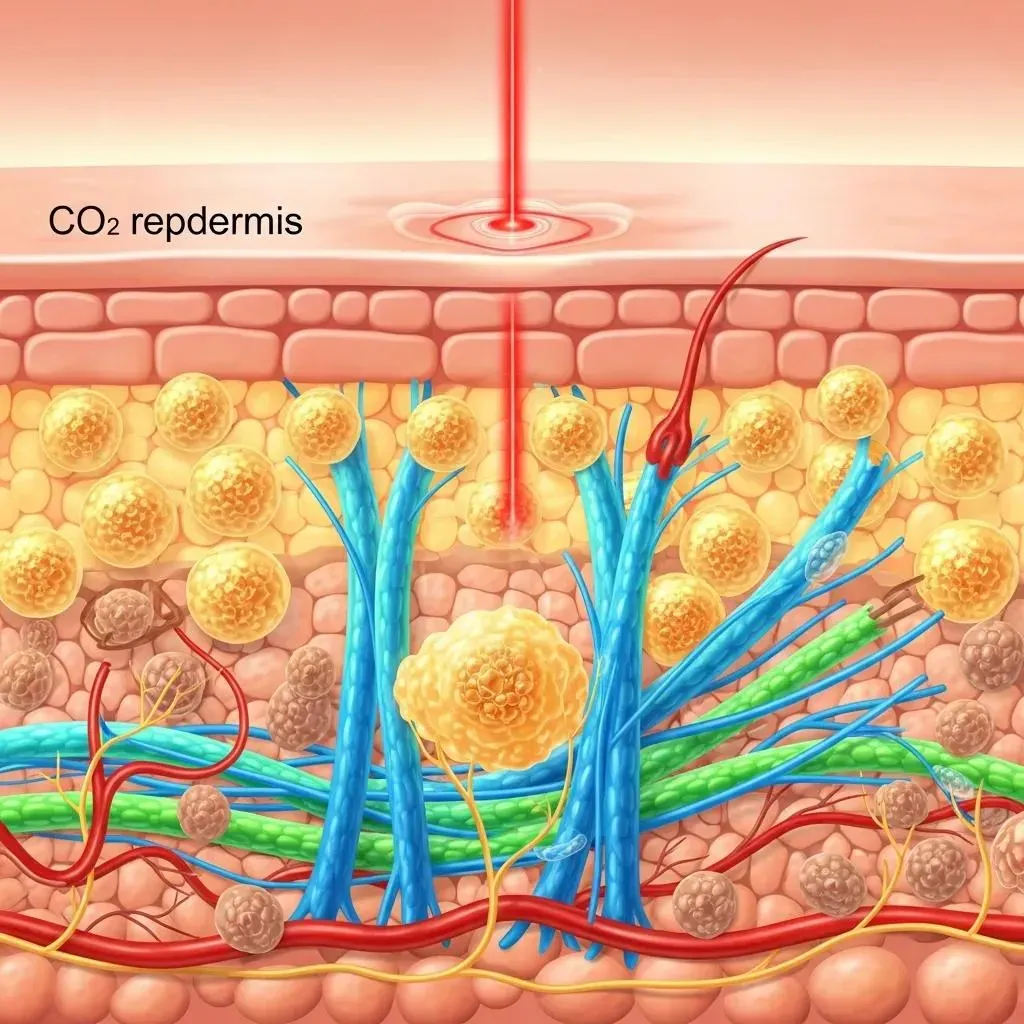
CO2 treatment triggers the skin’s repair mechanisms. The controlled thermal injury from the laser activates fibroblasts and other repair cells, which increases collagen production - the protein that gives skin structure and elasticity. As collagen rebuilds over weeks and months, skin looks firmer and lines soften. Most people notice gradual improvement in texture, tone, and fine lines as healing continues.
Research consistently shows CO2 technology boosts collagen production and can increase dermal thickness - key markers of reversing some signs of photoaging.
CO2 Laser Reverses Skin Aging & Boosts Collagen
Studies using CO2 lattice lasers to treat UV-induced facial aging report increased collagen synthesis and fibroblast activity, reduced cell senescence, and upregulation of protective proteins such as superoxide dismutase (SOD) and SMAD3. Animal models also demonstrated increased collagen expression and thicker dermis, supporting a meaningful therapeutic effect on photoaged skin.
CO2 lattice laser reverses skin aging caused by UVB, 2020
What Are the Key Benefits of CO2 Laser Skin Resurfacing?
CO2 resurfacing delivers several practical benefits that make it a top choice for people focused on long-term skin improvement. The treatment is known for producing visible, lasting changes in skin quality.
- Reduction of Wrinkles and Fine Lines: By stimulating collagen and tightening the skin, CO2 resurfacing softens fine lines and reduces deeper wrinkles.
- Improvement of Skin Texture: The procedure smooths rough areas and evens tone, leaving skin with a more refined, radiant appearance.
- Treatment of Various Skin Conditions: CO2 lasers address sun damage, acne scarring, and many pigment irregularities - often with more dramatic results than gentler options.
If you’re exploring CO2 resurfacing, Growing Younger Clinic offers experienced providers and tailored plans to help you reach your skin goals.
How Does CO2 Laser Therapy Reduce Wrinkles and Fine Lines?
CO2 therapy reaches the deeper skin layers where collagen and elastin live. The heat stimulus encourages those structural proteins to regenerate, which tightens skin and smooths lines. Patients commonly notice initial improvements within weeks, with peak results unfolding over several months as new collagen matures.
What Skin Conditions Can CO2 Laser Resurfacing Treat Effectively?
CO2 resurfacing is effective for a range of concerns, including:
- Sun Damage: Reduces uneven pigmentation and improves overall skin tone.
- Acne Scars: Smooths scarred texture and promotes a more even surface.
- Age Spots: Lightens dark spots associated with aging and sun exposure.
Because it treats texture and tone at the same time, CO2 is a versatile option when multiple issues are present.
What Should Patients Expect During Recovery and Aftercare?
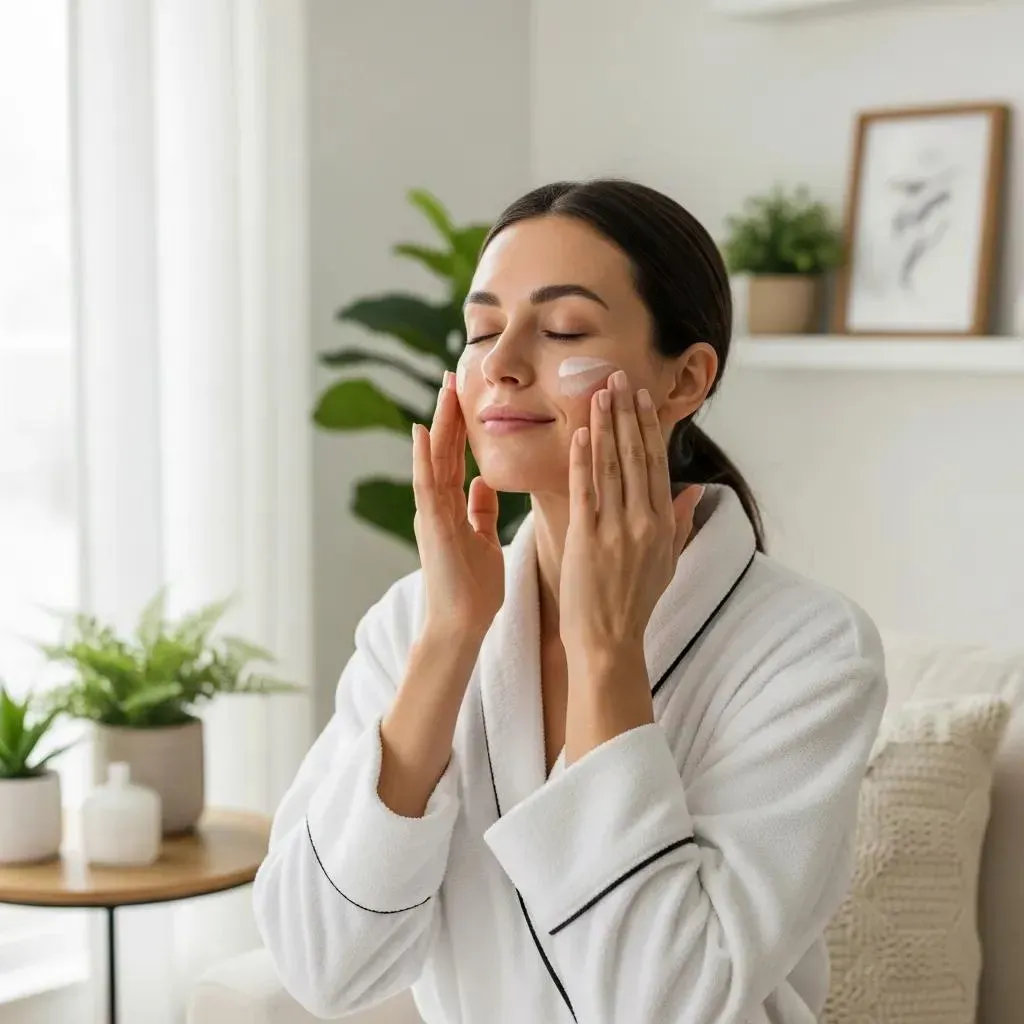
Recovery varies with how deep the treatment is. Expect temporary redness, swelling, and peeling as old skin sheds and new skin appears. Knowing the typical healing stages helps you plan and get the best outcome.
What Are Common Side Effects and How Long Is Recovery Time?
Typical side effects include redness, mild swelling, and a sunburn-like sensation. Most people recover from the surface effects in about 7–14 days, depending on how aggressive the session was. During that time, strict sun avoidance and following your provider’s aftercare steps are important to prevent complications and protect results.
Which Aftercare Tips Enhance Healing and Treatment Results?
To support healing and maximize results, we recommend:
- Keep the Skin Moisturized: Use gentle, fragrance-free hydrating products as directed to prevent dryness and scabbing.
- Avoid Sun Exposure: Protect treated skin from UV rays with broad-spectrum sunscreen and physical barriers until fully healed.
- Follow Provider Instructions: Adhere to prescribed cleanses, ointments, and follow-up appointments to reduce risk and speed recovery.
These steps help you heal comfortably and preserve your treatment benefits.
How Does CO2 Laser Resurfacing Compare to Other Laser Treatments?
When weighing laser options, it helps to understand CO2’s strengths and trade-offs compared with gentler or different-purpose devices.
What Are the Advantages of CO2 Fractional Laser Over Alternative Therapies?
CO2 fractional lasers stand out for several reasons:
- Effective Results: They offer substantial improvement in texture and tone that many gentler lasers can’t match.
- Long-lasting Effects: With good skincare and sun protection, results can endure for years.
- Versatility: CO2 targets multiple concerns - wrinkles, scars, and pigmentation - often in a single course of treatment.
Because of these benefits, CO2 fractional treatments are often chosen for more advanced signs of aging or deeper textural issues.
When Is CO2 Laser the Preferred Choice for Anti-Aging and Skin Rejuvenation?
CO2 resurfacing is typically recommended for people with pronounced sun damage, deeper wrinkles, or significant acne scarring who want marked improvement. A consultation with a qualified provider will determine whether CO2 is the most appropriate and safe option for your skin type and goals.
What Do Patient Testimonials and Clinical Studies Reveal About CO2 Laser Results?
Both patient reports and clinical research offer useful insights into what to expect from CO2 resurfacing.
How Have Local Madison Alabama Patients Benefited from CO2 Laser Treatments?
Patients in Madison, Alabama, and the surrounding area have shared meaningful improvements after CO2 treatments - smoother texture, softer lines, and more even tone. Their experiences reflect the treatment’s ability to produce visible, satisfying change when paired with proper aftercare.
What Recent Clinical Research Supports CO2 Laser Efficacy?
Recent studies through 2024 confirm CO2 resurfacing improves skin quality and can produce durable results when patients follow aftercare guidance. The literature supports CO2’s role as a leading resurfacing option when performed by trained clinicians.
A systematic review further clarifies laser therapies’ overall effectiveness, safety, and patient satisfaction - helpful context when comparing CO2 with other approaches.
Efficacy & Safety of Laser Therapies for Skin Rejuvenation
Laser treatments are well established for addressing signs of skin aging. This systematic review examined the efficacy, safety profile, and satisfaction rates of combined laser therapies versus single-laser approaches for skin rejuvenation, searching four major databases through September 2022.
A systematic review and meta-analysis of efficacy, safety, and satisfaction rates of laser combination treatments vs laser monotherapy in skin rejuvenation resurfacing, A Pour Mohammad, 2023
| Benefit | Description | Evidence Level |
|---|---|---|
| Wrinkle Reduction | Noticeable softening of fine lines and deeper wrinkles | High (multiple studies) |
| Skin Texture Improvement | Smoother surface and more even skin tone | High (clinical trials) |
| Acne Scar Treatment | Reduction in scar depth and improved texture | Moderate (emerging research) |
This table summarizes CO2 resurfacing’s main benefits and the level of clinical evidence supporting each outcome.
In short, CO2 laser resurfacing is a powerful option for people looking to refresh skin, reduce wrinkles, and treat texture concerns. It delivers meaningful, long-lasting results when chosen and performed appropriately. If you’re curious about CO2 resurfacing, Growing Younger Clinic offers consultations to help you decide on the right plan for your skin.
Frequently Asked Questions
What is the ideal age to consider CO2 laser resurfacing?
Age isn’t the only factor - skin condition and your goals matter most. Many people in their late 30s to early 50s seek CO2 resurfacing for visible aging signs, but younger patients with acne scars or sun damage may also be good candidates. A consultation with a qualified provider will clarify timing based on your skin and needs.
How many CO2 laser sessions are typically required for optimal results?
Most people achieve their goals with one to three sessions, depending on how deep the concerns are and how aggressive each treatment is. Sessions are spaced weeks apart to allow healing. During a consultation, your provider will recommend a personalized treatment plan, including the expected number of sessions.
Are there any contraindications for CO2 laser resurfacing?
Yes. CO2 is not suitable for everyone. Contraindications include active skin infections, certain autoimmune diseases, a history of keloid scarring, pregnancy, or recent isotretinoin use. Always share your full medical history and medications with your provider to ensure safety.
What should I do if I experience complications after treatment?
If you notice excessive redness, prolonged swelling, pus, or other signs of infection, contact your provider right away. They can assess your symptoms and recommend treatment. Following aftercare instructions and attending follow-ups helps minimize risk and supports a smooth recovery.
Can CO2 laser resurfacing be combined with other treatments?
Yes. CO2 can be combined with treatments like chemical peels, microneedling, or injectables to address multiple concerns. Combination plans should be tailored and timed by a qualified practitioner to ensure safety and the best results.
How long do the results of CO2 laser resurfacing last?
Results can last several years but depend on factors like skin type, age, sun exposure, and skincare routine. Initial improvements appear within weeks, while full benefits develop over months as collagen rebuilds. Maintaining results requires sun protection and a consistent skincare plan.
Conclusion
CO2 laser resurfacing offers a meaningful path to smoother, more youthful skin by reducing wrinkles, improving texture, and treating sun and scar damage. When performed by experienced clinicians and paired with proper aftercare, it delivers lasting improvements through increased collagen and skin renewal. If you’re ready to explore this option, consider a consultation with Growing Younger Clinic to find a tailored plan that fits your goals.