Back
August 11, 2026 | Jamey Wagner
Plasma Fibroblast Skin Tightening vs Dermal Fillers: Which Is Right for You?
Plasma fibroblast skin tightening and dermal fillers address different signs of aging. Plasma focuses on selected skin laxity and texture concerns, while fillers restore lost facial volume. Neither treatment is universally better. A physician-led consultation can assess your anatomy, health history, goals, and risks before creating a personalized, medically appropriate plan.
For the unversed - those who are new to this domain; plasma fibroblast skin tightening and dermal fillers solve different aging concerns. One focuses on skin tightening
and texture; the other restores lost volume. Your goal should guide the choice.
Skin Tightening or Volume? Start With the Problem
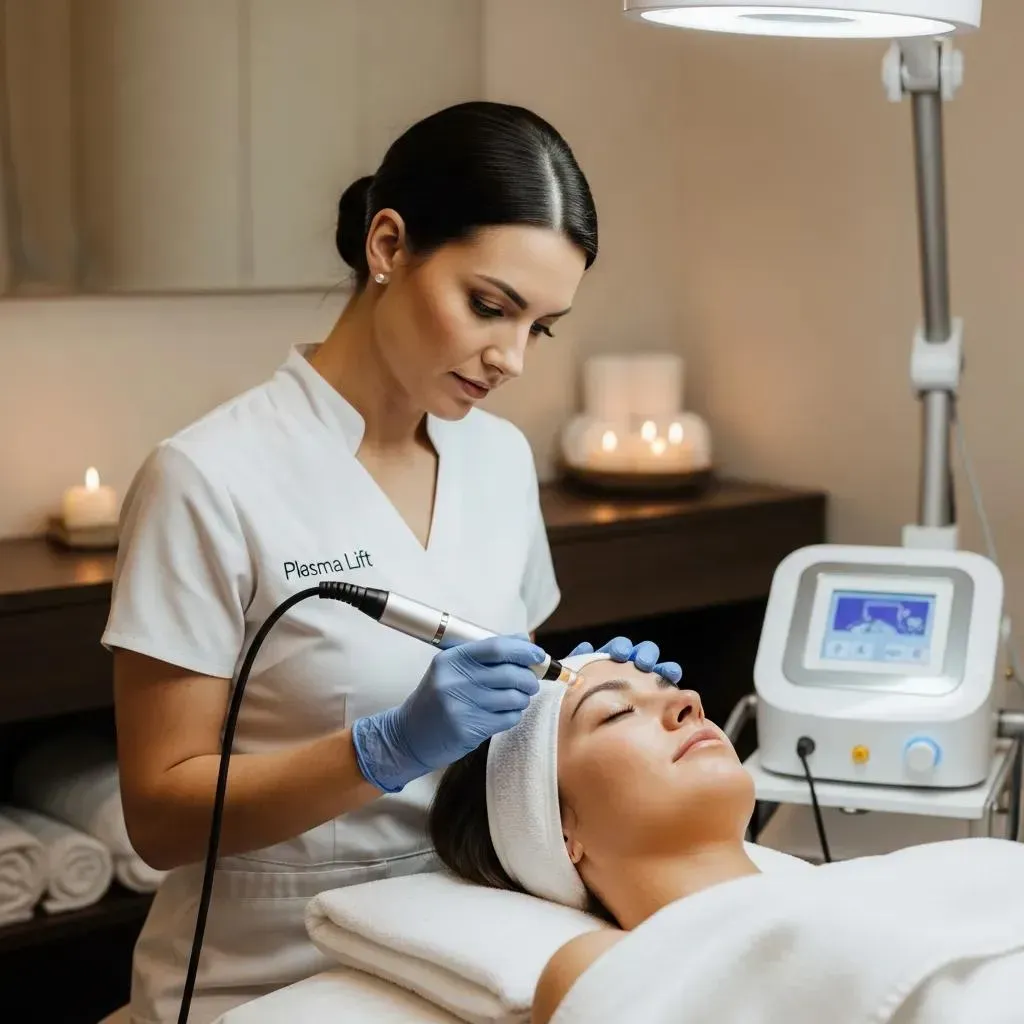
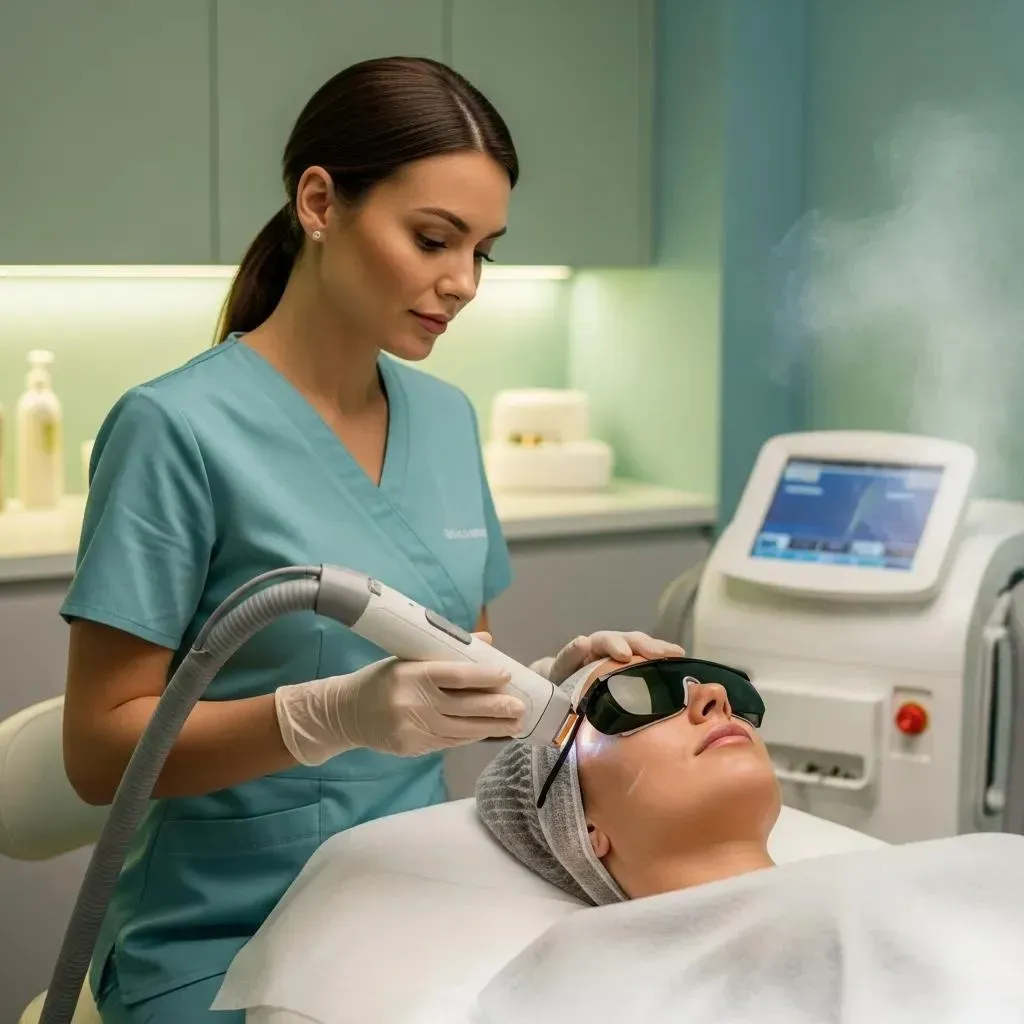
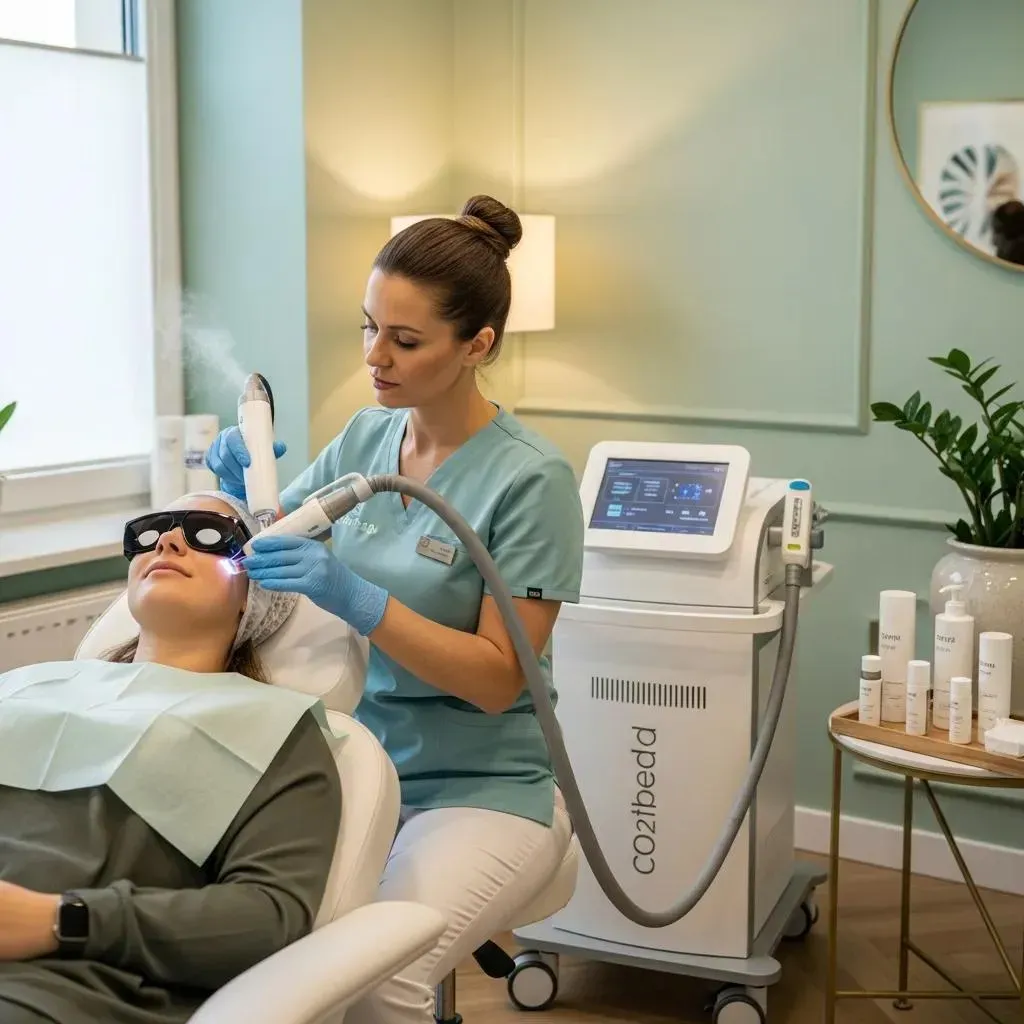
If your main concern is mild skin laxity, fine lines, or crepey texture, a plasma-based treatment may be considered. If facial hollows or lost fullness bother you, fillers may make more sense. That difference sounds simple, but facial aging rarely follows one pattern. You may have thinner skin, reduced collagen, volume loss, and sagging at the same time. Your treatment should reflect that combination. Plasma fibroblast treatments use controlled plasma energy to create tiny areas of thermal injury. The healing process can encourage tissue remodeling. Clinical studies suggest improvement in selected cases, especially around the eyes, but research remains limited. Dermal fillers work differently. They add volume beneath the skin using materials such as hyaluronic acid or calcium hydroxylapatite. Depending on the product and location, fillers can soften folds, restore cheek fullness, or improve hollows. So, which treatment should you choose? Think of it this way: plasma targets the skin itself, while filler primarily changes the shape and support underneath it.

The table gives you the broad picture, but your anatomy matters more than a treatment label. A qualified clinician should assess skin quality, facial structure, medical history, and your desired outcome before recommending either option.
When Plasma Fibroblast Skin Tightening May Fit Your Goals
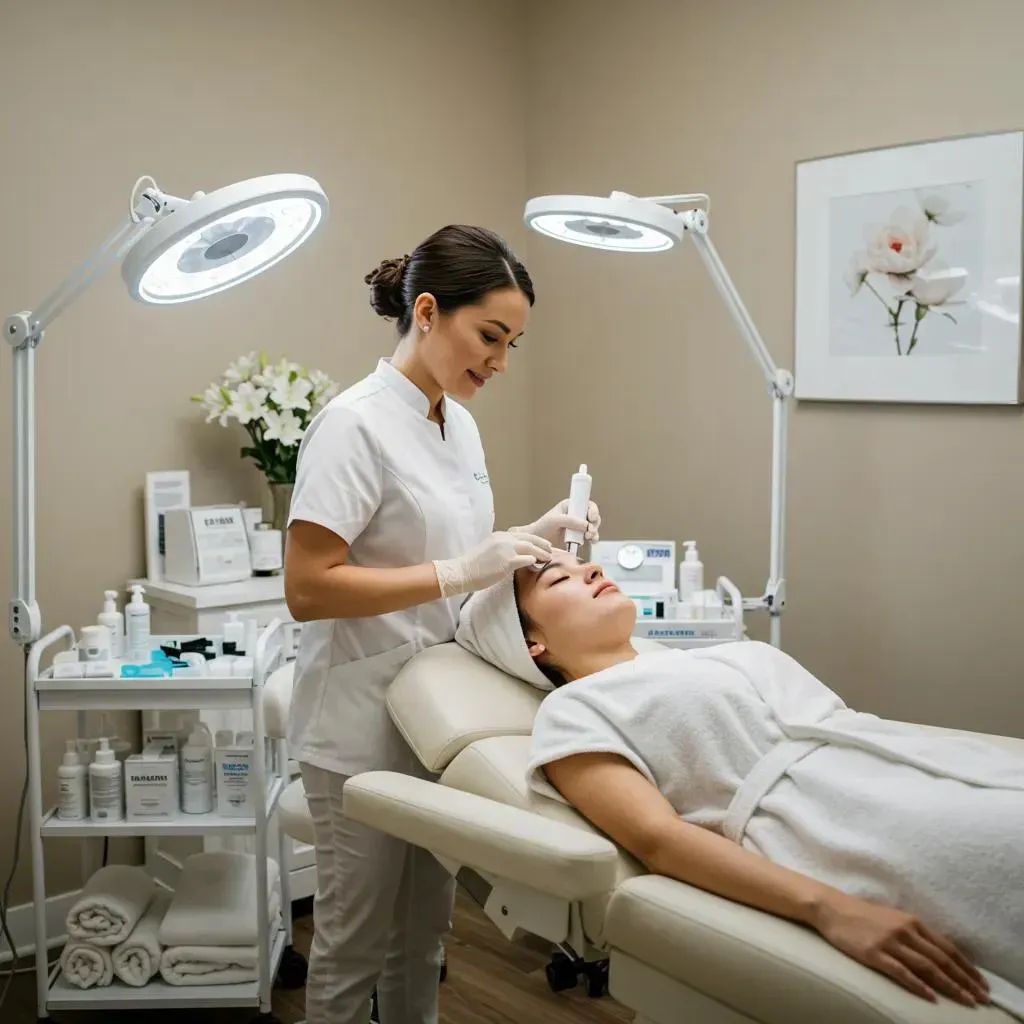
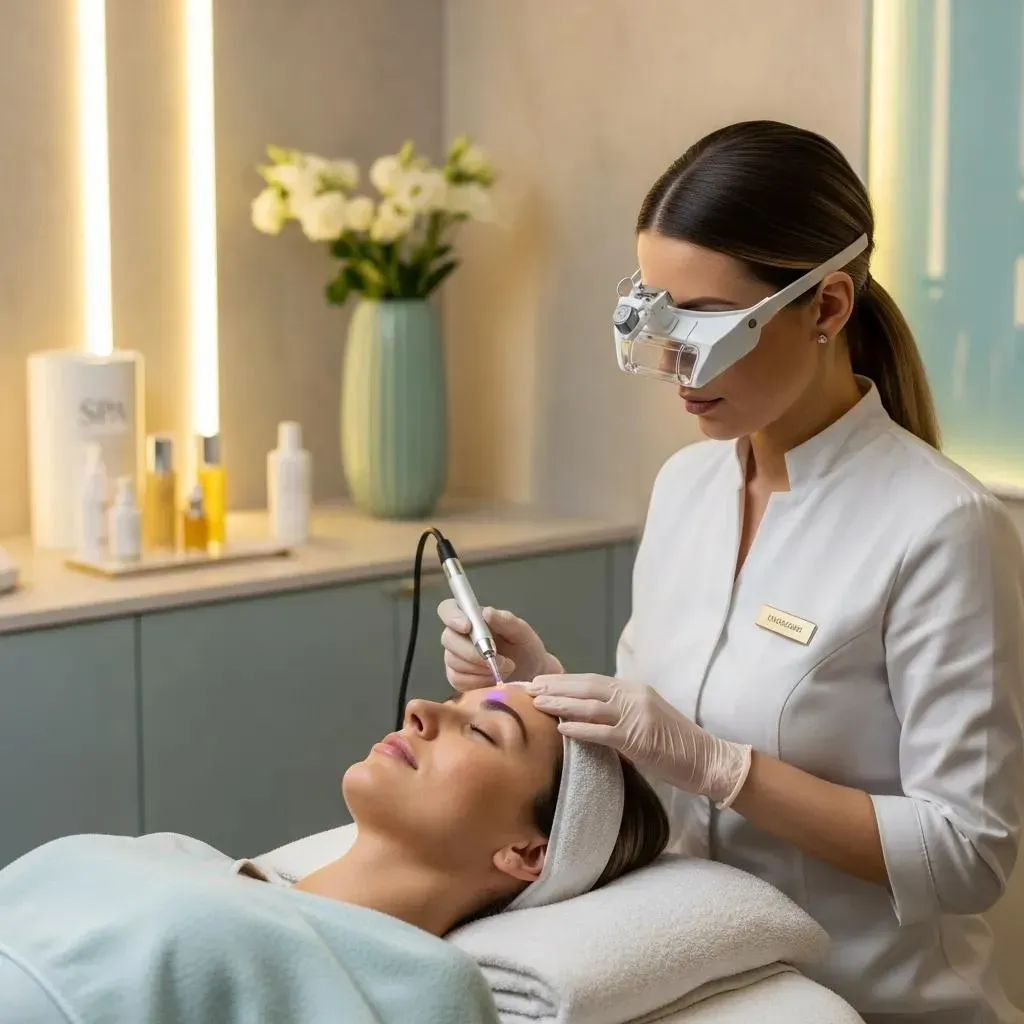
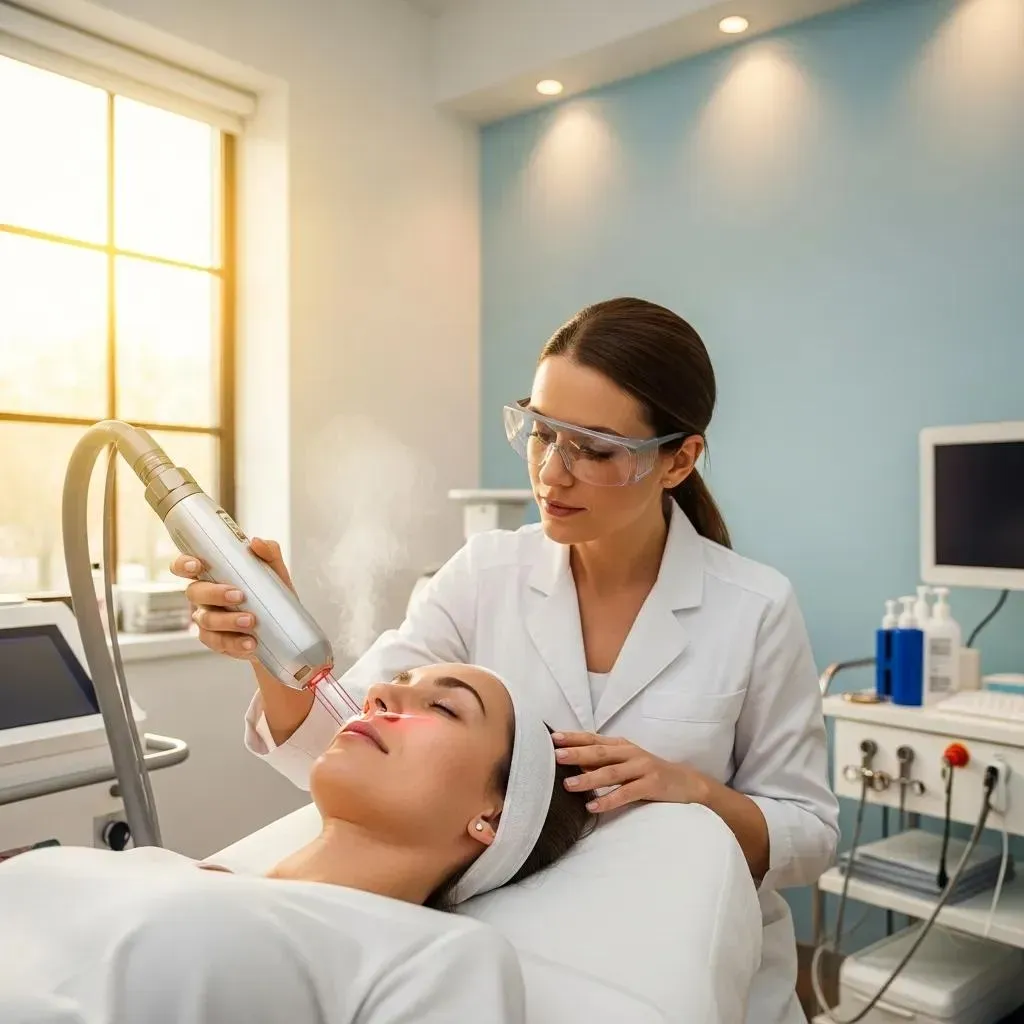
You may be interested in plasma treatment when loose-looking skin is the issue you want to address without traditional surgery. It may suit selected areas where mild laxity and surface aging are noticeable. The treatment can create controlled heat and
microscopic injury at the treatment site. Your body then repairs that area. This process may improve collagen-related skin firmness and texture over time. However, plasma treatment is not a replacement for surgical skin removal. Significant excess skin may require a different approach. A consultation helps separate mild laxity from structural changes that energy treatment cannot realistically correct. You may also hear claims about using plasma to tighten skin under eyes without surgery. That area requires extra caution because eyelid skin is thin and the eyes are highly sensitive. Research on plasma skin regeneration around the eyes has shown promising results in selected patients. Still, studies are relatively small, and side effects can include temporary redness, scaling, dryness, itching, and hyper pigmentation.
When Dermal Fillers Could Be the Better Match
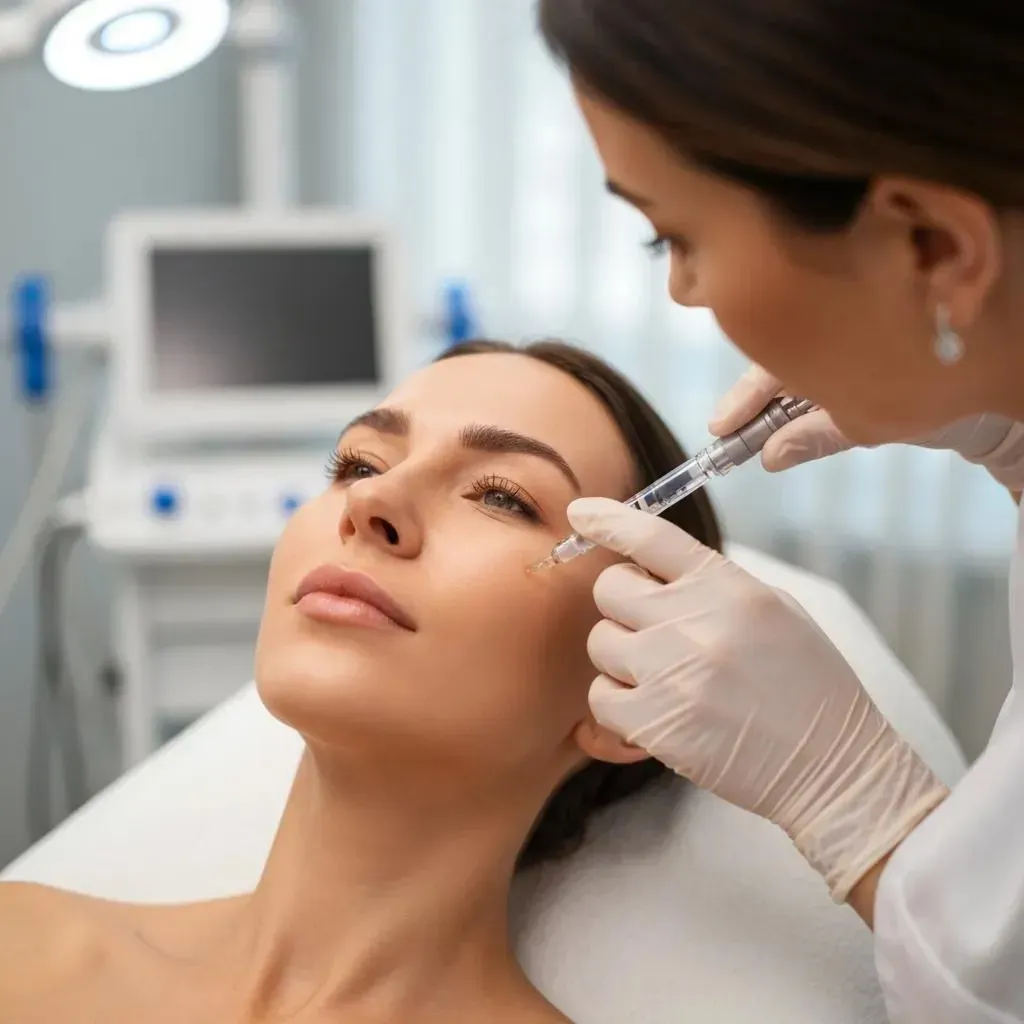
Fillers may be more appropriate when your face looks less full rather than simply less firm. Aging can reduce facial volume, making cheeks, temples, lips, or certain hollows appear more pronounced. A filler can restore selected areas with carefully placed volume. Many fillers produce results quickly, although swelling can temporarily change the appearance before things settle. This is where treatment planning becomes crucial. Too much filler can make the face look puffy or change natural proportions. Conservative placement often produces a more balanced result. Fillers are also temporary for many products. How long they last depends on the material, treatment area, and individual factors. Your clinician should explain the expected duration before treatment. If your concern is mainly fine surface lines rather than volume loss, a facial filler treatment may not be the first answer. Skin quality, resurfacing, neuromodulators, or other options may deserve consideration.
What About Safety? This Is Where Experience Matters
Both treatments require proper patient selection and medical judgement. A cosmetic procedure should never be chosen simply because someone calls it “non-surgical” or “minimal downtime.” Dermal fillers are medical procedures. The FDA reports common effects such as swelling, bruising, redness, tenderness, and pain. Rare vascular complications can cause tissue injury, vision problems, blindness, or stroke. That does not mean fillers are unsafe when appropriately used. It means the injector's training, anatomy knowledge, product selection, technique, and emergency planning matter greatly. Plasma treatments need careful energy settings and precise treatment technique, too. Published reports describe possible complications, including pigment changes and injury related to treatment preparation or the surrounding tissues. For either option, ask what technology or product will be used, why it fits your anatomy, what results are realistic, and what risks apply specifically to you.
Could You Need More Than One Approach?
Sometimes the best answer is not plasma versus filler. Your face may benefit from a staged plan that addresses different causes of visible ageing without trying to make one treatment do everything. For example, restoring modest facial volume may improve contours, while a separate skin-focused treatment addresses texture or laxity. Combining procedures should be based on medical assessment, not a desire to add treatments. Your clinician should also consider your skin type, previous procedures, medications, allergies, healing history, and active skin conditions. These details can change whether treatment is suitable or should be delayed. A strong consultation should feel like problem-solving, not pressure. Digital imaging can help you understand your
baseline, while medical assessment can identify concerns that photographs alone
cannot explain.
How Do You Choose Without Guessing?
Start by describing what you see, not the treatment you think you need. Say, “My cheeks look flatter,” or “My eyelids look looser.” That gives your clinician a useful starting point. Then ask what is causing the change. Is it volume loss, skin laxity, collagen loss, pigmentation, muscle movement, or a combination? The answer can completely change the treatment plan. You should also ask whether the proposed
device is FDA-cleared for the specific use being recommended. FDA clearance or approval applies to particular products, technologies, and indications, not every marketing claim made about them. For fillers, confirm the exact product and its approved use. The FDA recommends using approved products and qualified medical professionals rather than unapproved or needle-free injection methods. Your goal is not to look younger than everyone else. It is to look like yourself, with changes that match your features and feel right for you.
Where a Broader Wellness Plan Can Help
Visible aging does not exist in isolation. Sleep, nutrition, weight changes, hormonal shifts, sun exposure, stress, and overall health can influence how you look and feel.
That is why an integrative clinic can take a broader view. Alongside aesthetic care, your plan may consider energy, weight management, hormones, lifestyle factors, and other wellness goals when medically appropriate. Some patients may also explore supportive
options such as red light therapy for skin as part of a broader skin-care strategy. Its role should be explained honestly rather than presented as a substitute for proven treatments. The same principle applies to every aesthetic decision: match the tool to the problem. Better outcomes usually begin with better assessment, not with choosing the most popular procedure.
The Right Choice Is the One That Matches Your Anatomy
Plasma fibroblast treatment may be worth discussing when mild laxity and skin texture are your main concerns. Dermal fillers may fit better when restoring lost facial volume is the priority. Neither option is automatically better. Your skin, facial structure, health history, expectations, and treatment area should determine the recommendation. At Growing Younger Clinic, we take a personalized approach with medical assessments, digital imaging, and physician-supervised care to help you choose aesthetic and wellness options with confidence; contact info@growingyoungerclinic.com or (256) 325-6398. The smartest next step is a consultation, not a commitment. Bring your concerns, questions, and preferred level of change. A thoughtful plan can then focus on safety, proportion, and results that suit you.
FAQs
Is plasma fibroblast the same as a dermal filler?
No. Plasma fibroblast uses controlled energy to affect the skin, while dermal fillers add volume beneath the skin to address selected facial contours and hollows.
Which treatment lasts longer?
Longevity varies widely. Many fillers are temporary, while plasma results depend on skin response, treatment area, and aging. Your clinician should explain expected durability before treatment.
Can plasma fibroblast replace a facelift?
No. Plasma treatment may help selected mild laxity, but it cannot remove substantial excess skin like surgery. Your clinician can assess whether nonsurgical treatment is realistic.
Are dermal fillers safe around the eyes?
The eye area requires advanced anatomical knowledge. Fillers can be used in selected cases, but vascular complications can be serious, so expert medical assessment is essential.
Should you choose plasma or filler first?
Choose based on the main problem. Skin laxity may call for a skin-focused approach, while volume loss may respond better to filler. Sometimes both require separate planning.