Back
May 21, 2026 | Nic Nemeses
Discover Effective Anti-Aging Treatments for Visible Results
Discover insights and ideas that matter to you
The Top Anti-Aging Treatments You Need for Visible Results: A Comprehensive Guide
Preserving skin health and appearance is a common goal as we age. Modern anti-aging options are evidence-based and can deliver measurable improvement. This guide summarizes key categories—injectables, laser and light therapies, hormone replacement, and non-invasive procedures—how they work, typical benefits, and realistic outcomes to help you make informed choices.
Which Injectable Treatments Offer the Best Wrinkle Reduction?

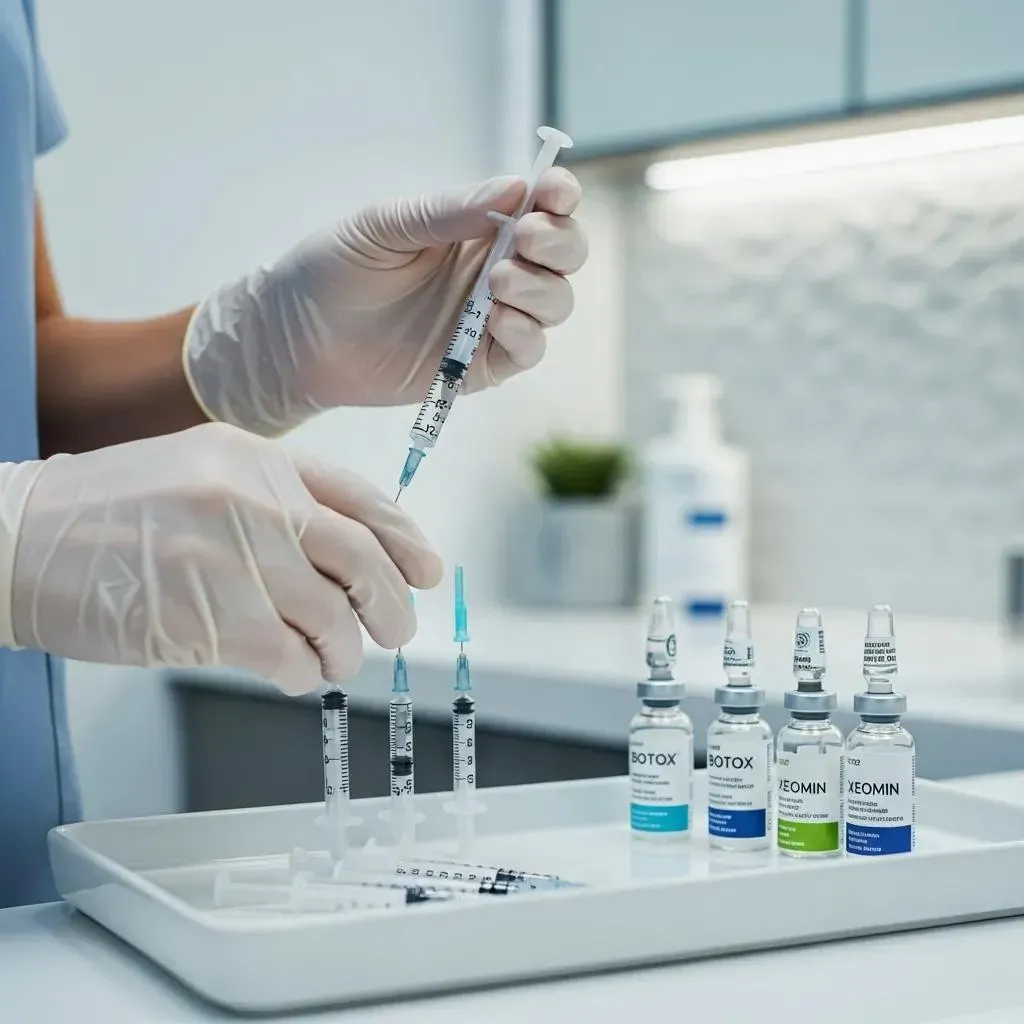
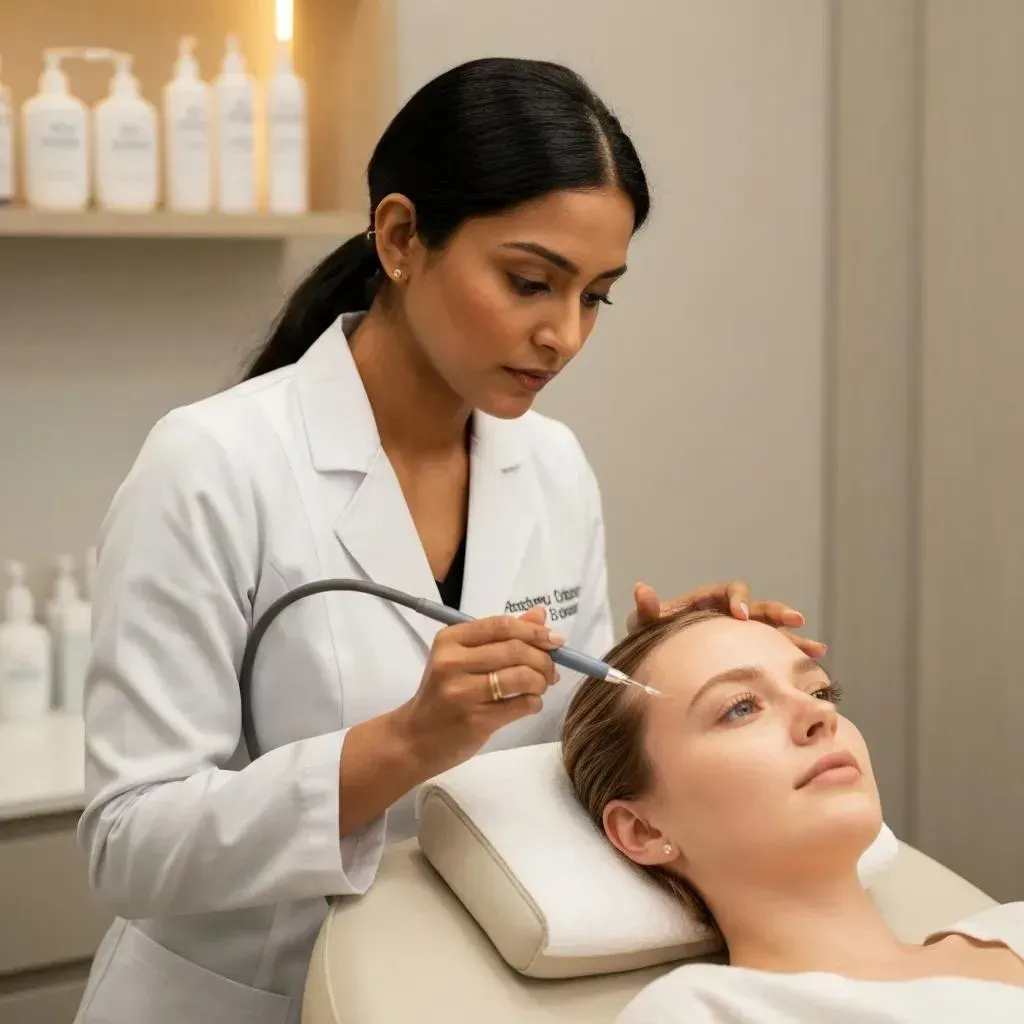
Injectables reduce dynamic wrinkles and restore volume. Neurotoxins (e.g., Botox) reduce muscle activity that forms lines; hyaluronic acid and other fillers replenish volume and smooth contours. Choice depends on skin, anatomy and the clinician’s product selection.
How Does Botox Reduce Facial Wrinkles Safely?
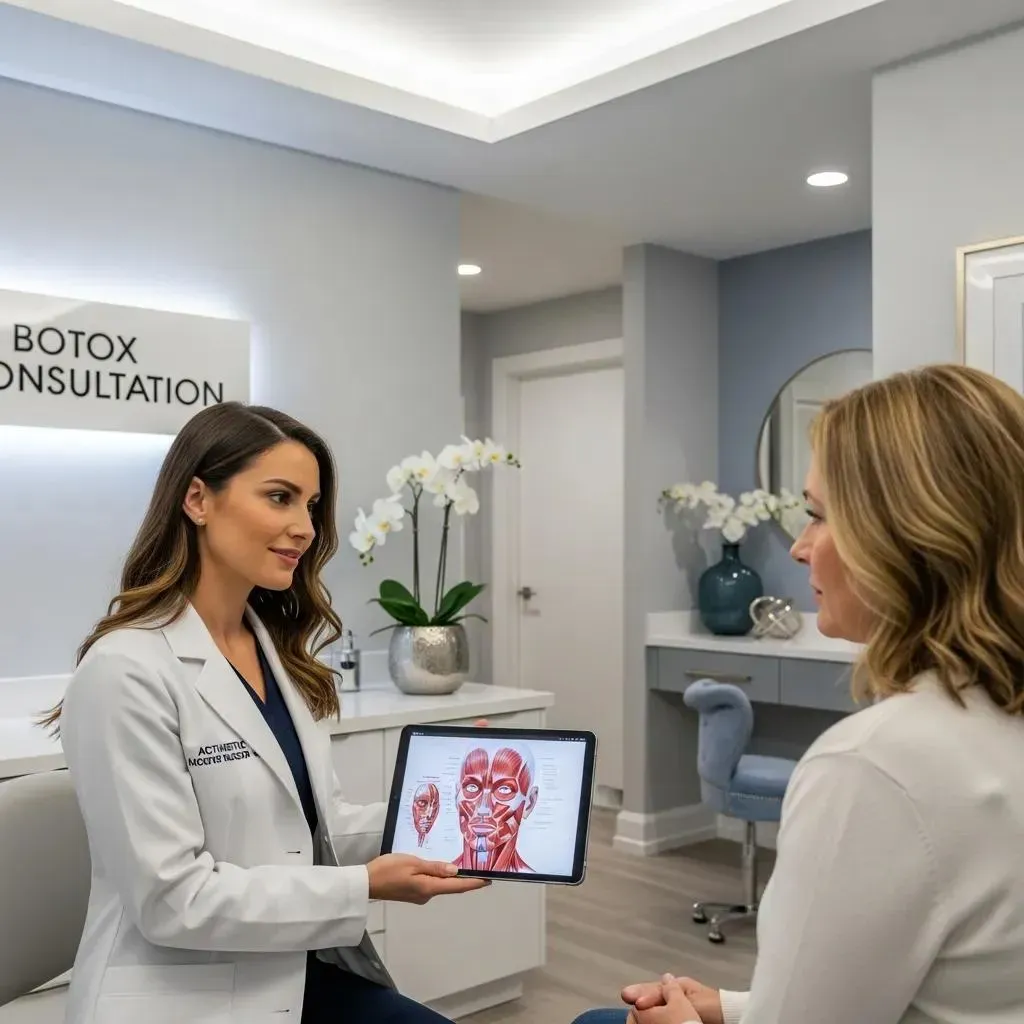
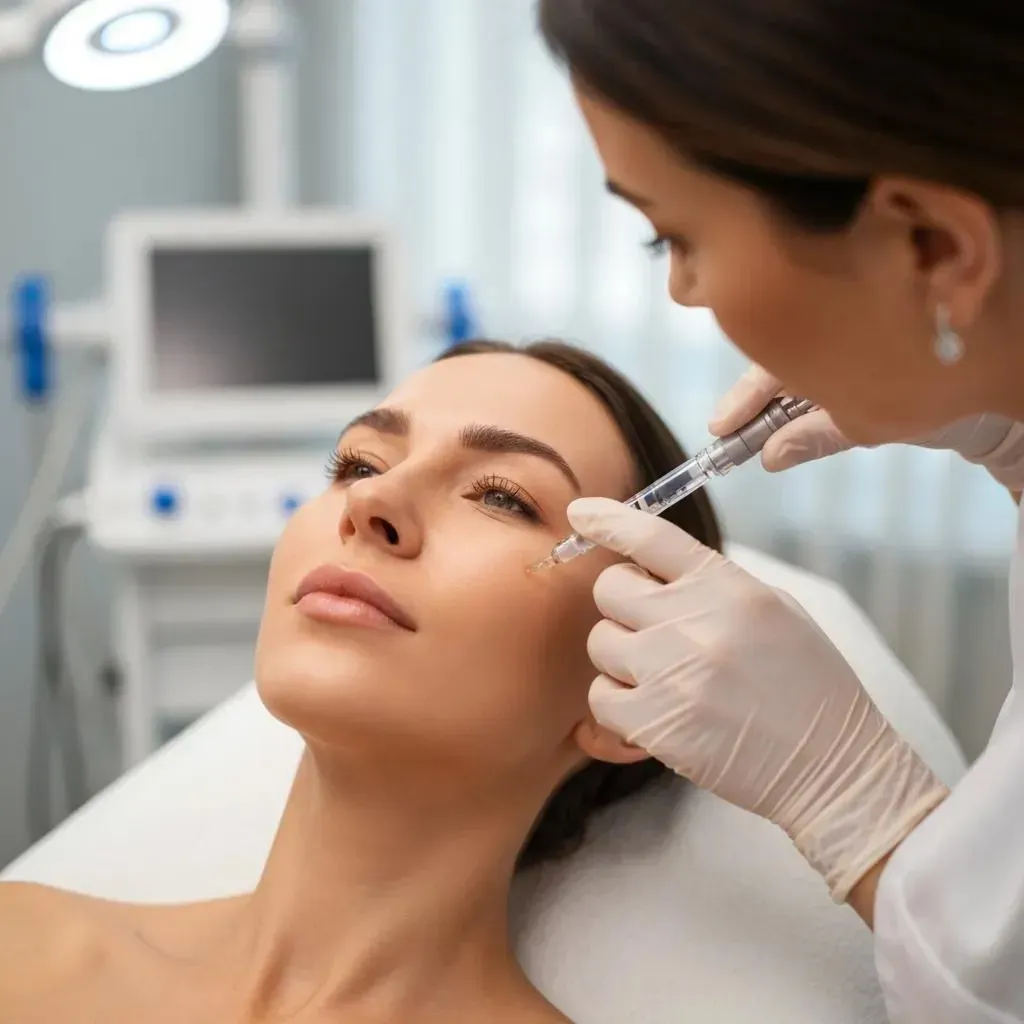
Botox temporarily weakens targeted muscles by inhibiting neurotransmitter release, softening dynamic wrinkles for about three to six months. The injections are brief and minimally invasive; common short-term effects are mild swelling or bruising. Thorough evaluation and a clear consultation reduce risk.
What Are the Benefits and Outcomes of Dermal Fillers?
Fillers provide immediate volume correction to soften static lines and restore contours. Different products (for example, Juvederm, Radiesse) suit specific areas. Results often look natural and require little downtime; transient swelling or bruising can occur. When performed by trained clinicians, fillers reliably enhance appearance.
Clinical literature underscores the broad clinical applications and high utilisation of dermal fillers in nonsurgical facial rejuvenation.
Dermal Fillers: Options for Facial Rejuvenation
Injection of dermal fillers is reported as the second most frequent nonsurgical cosmetic procedure in the USA. Fillers address volume deficiency, scars, rhytides, facial sculpting and augmentation of specific anatomical sites like the lips. The range of available injectable fillers increases annually, and clinicians should regularly review options to ensure safe, effective patient care.
Dermal fillers: an update, 2015
What Laser and Light Therapies Stimulate Collagen for Skin Renewal?

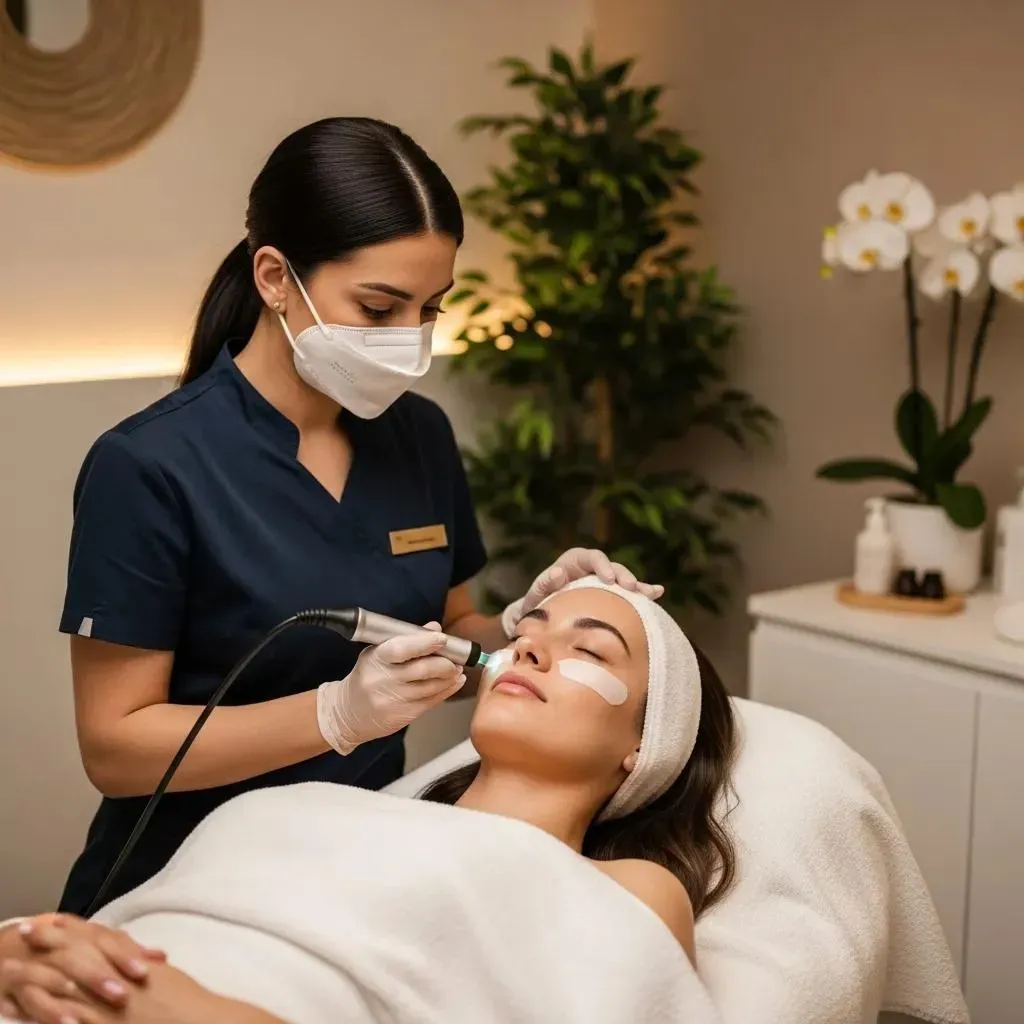
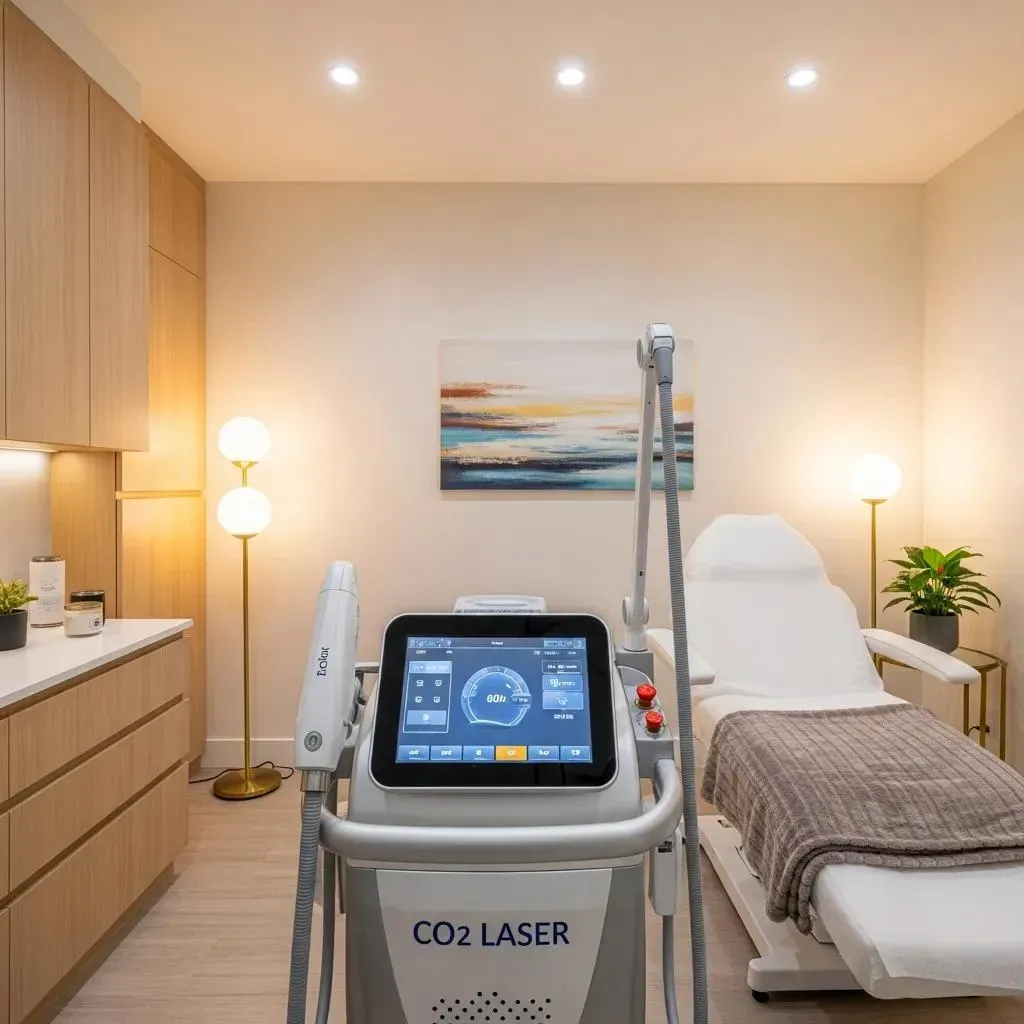
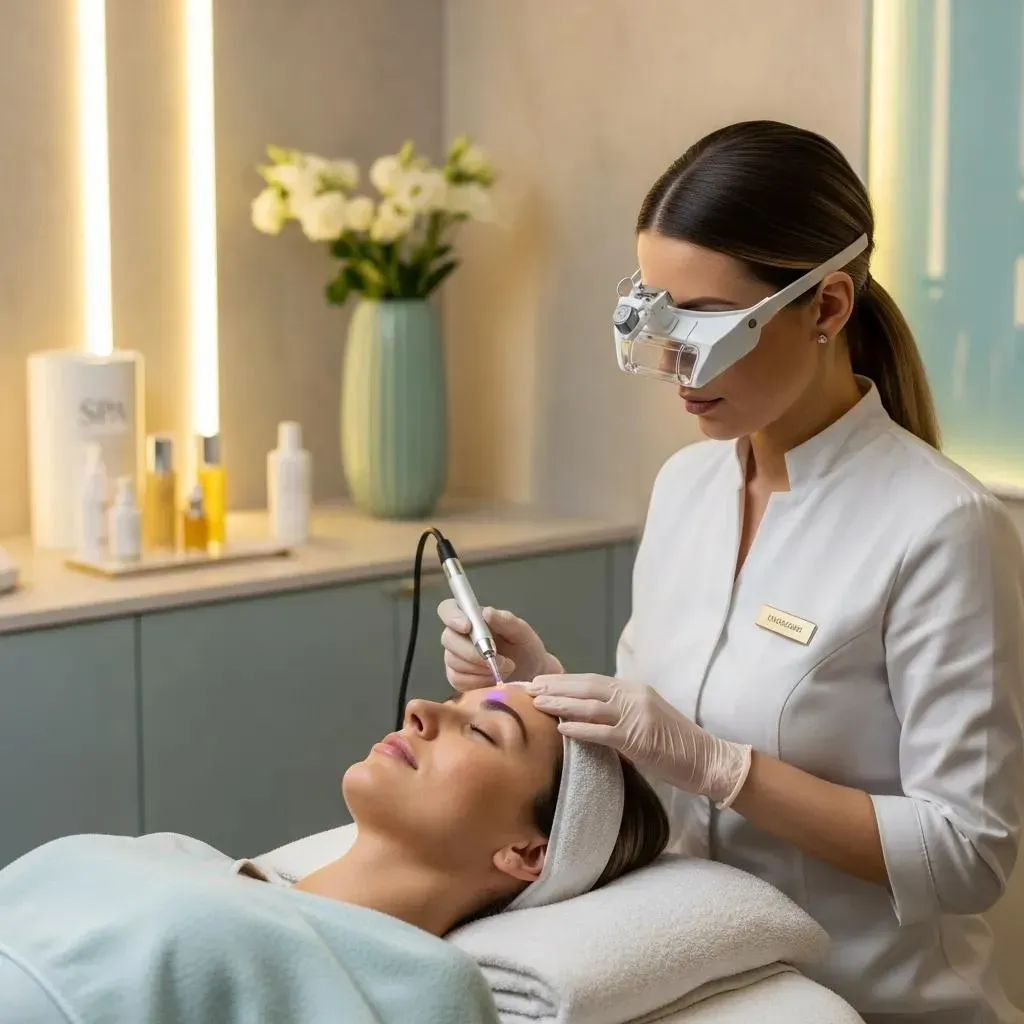
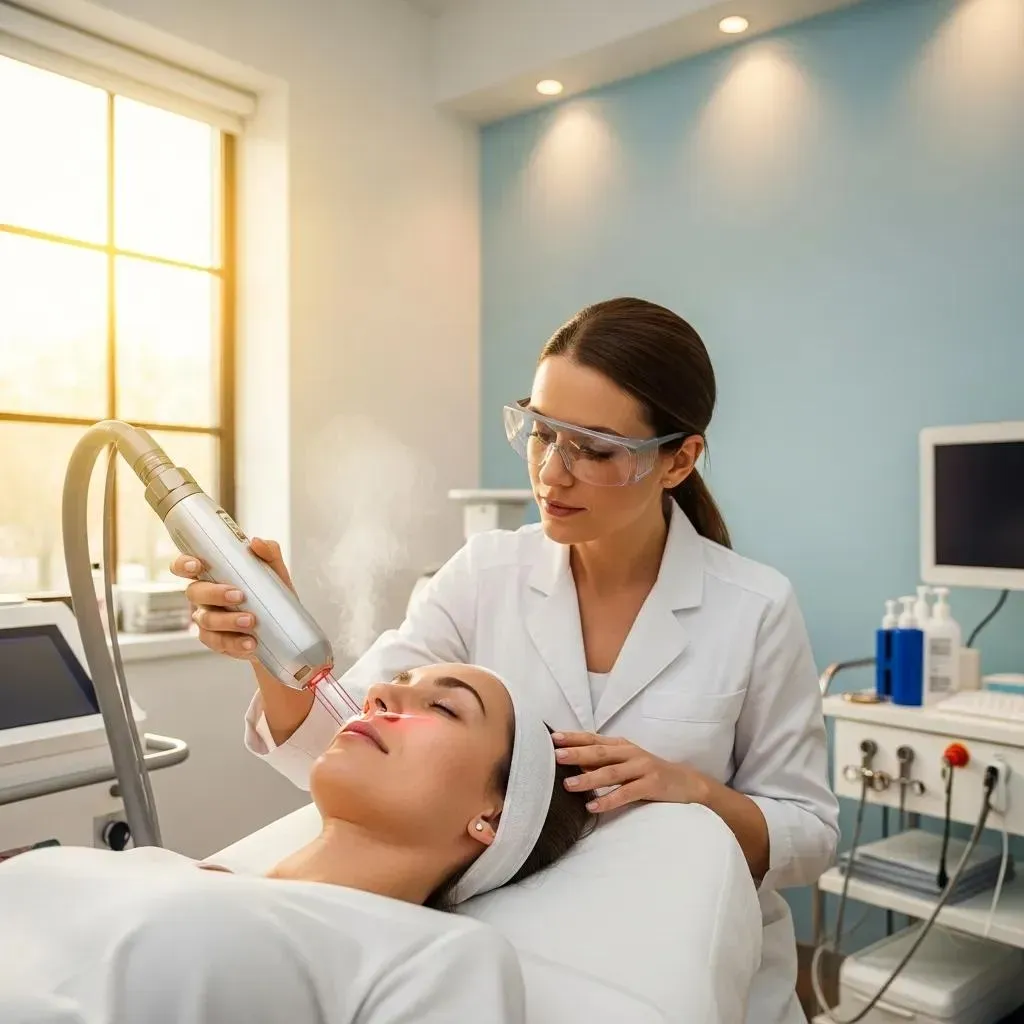
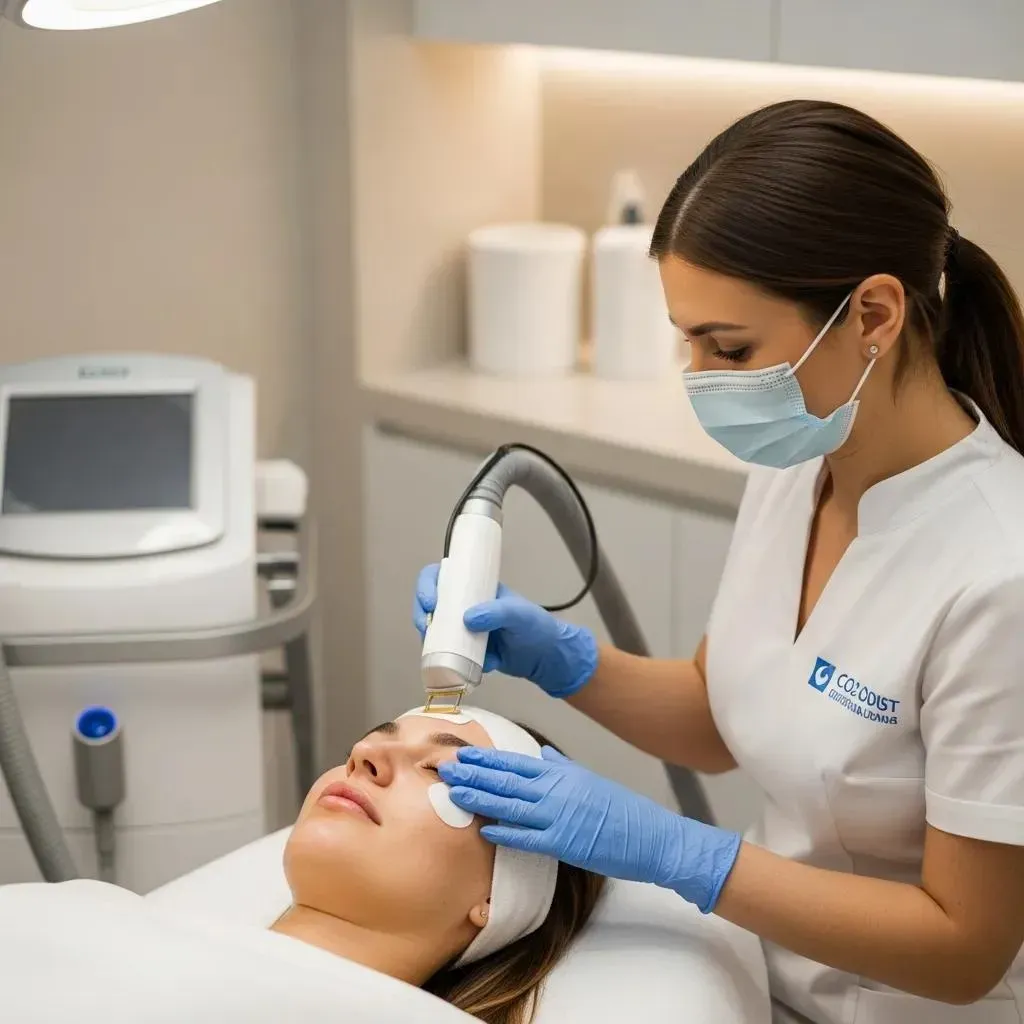
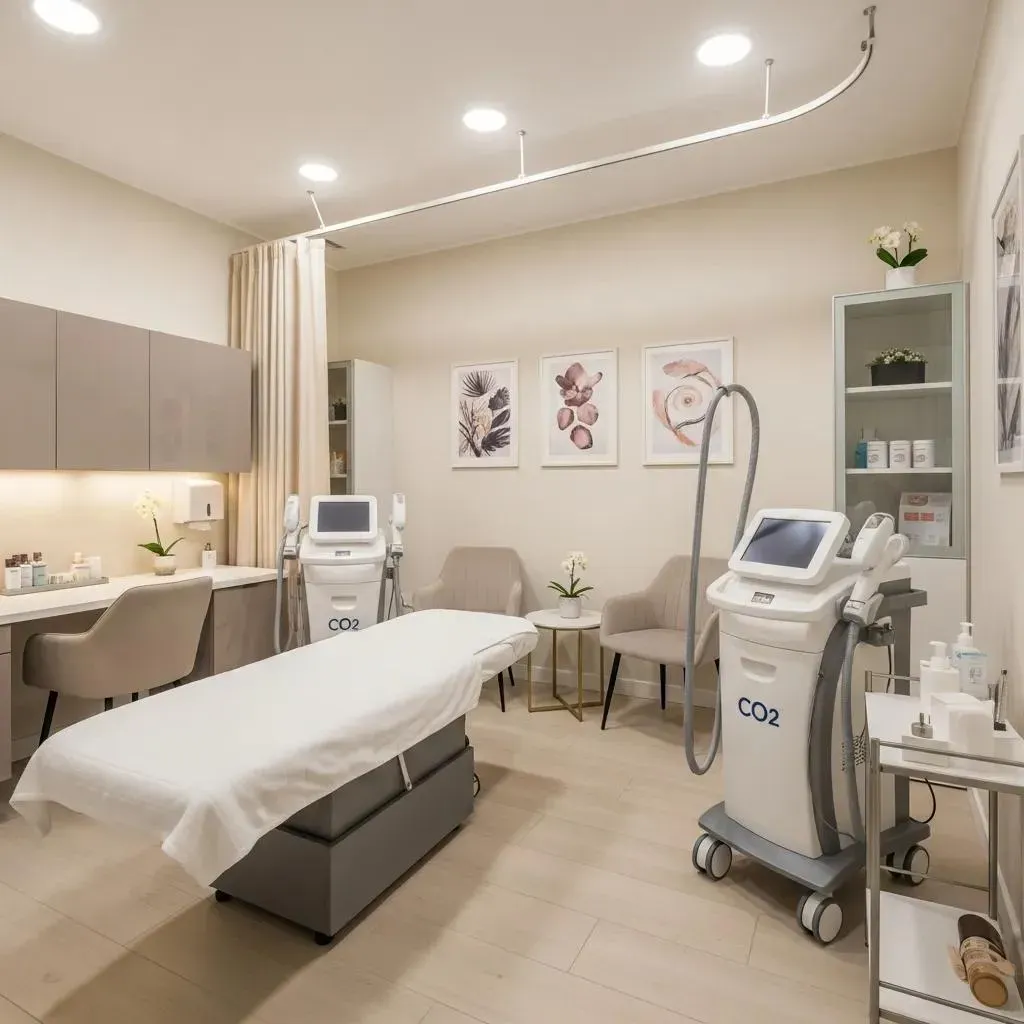
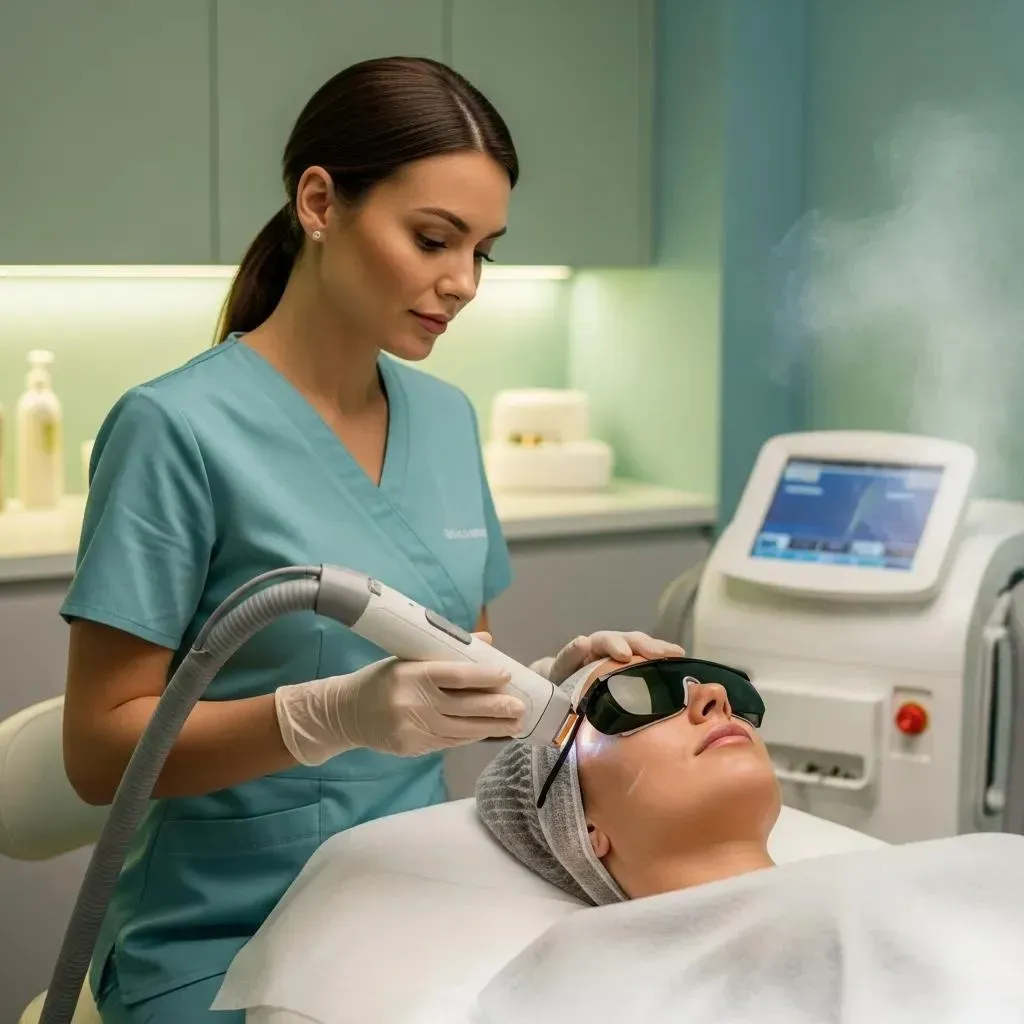
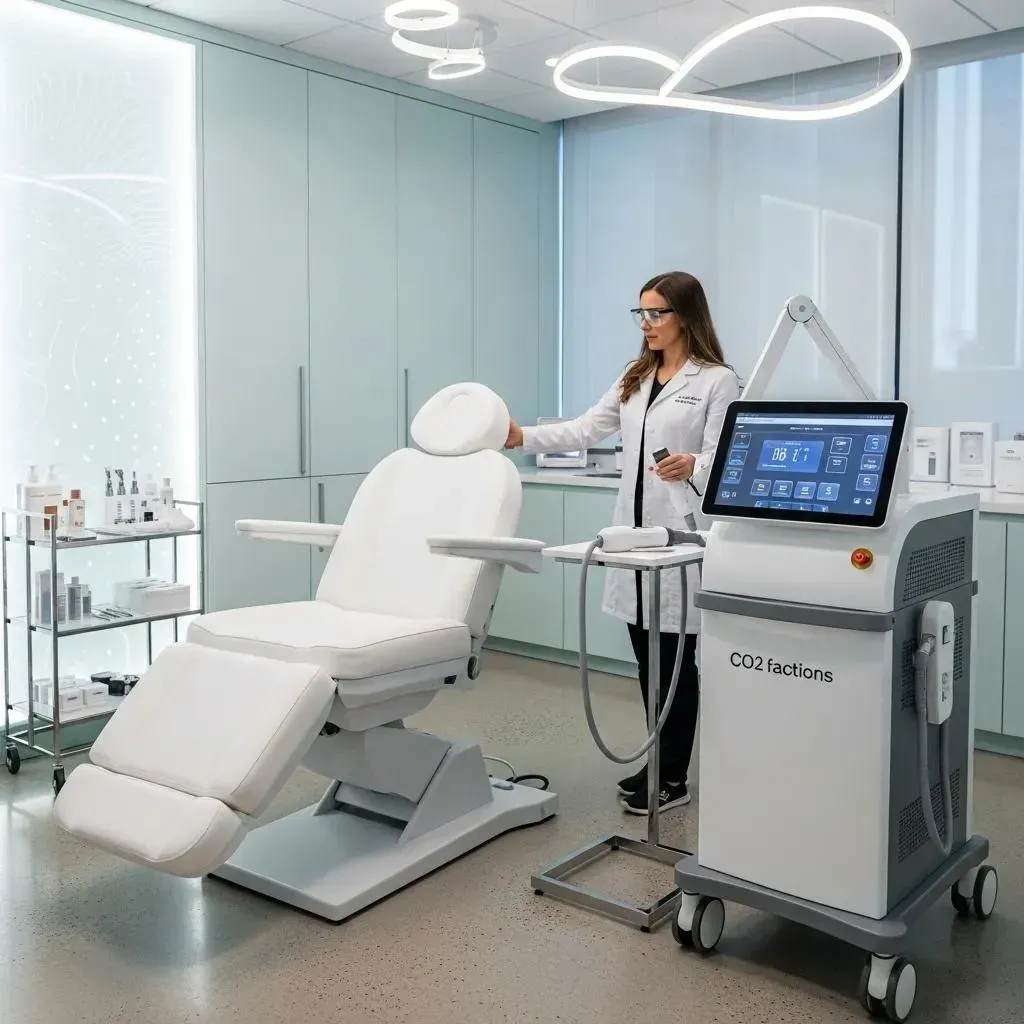
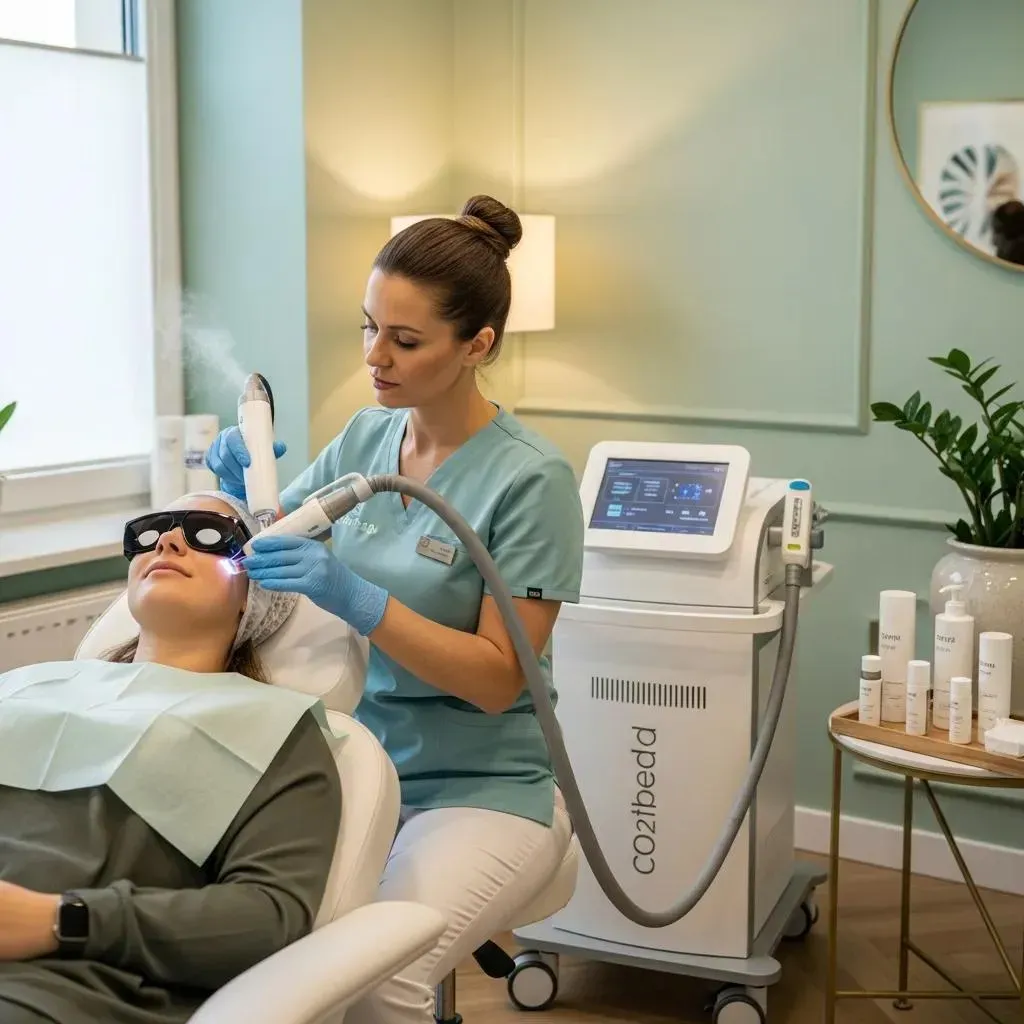
Laser and light devices stimulate dermal remodelling and improve texture. Ablative CO2 resurfacing and fractional platforms (including Clear + Brilliant) deliver controlled thermal injury to provoke repair, improving smoothness, rhytides and pigmentation.
Which Laser Treatments Are Most Effective for Skin Rejuvenation?
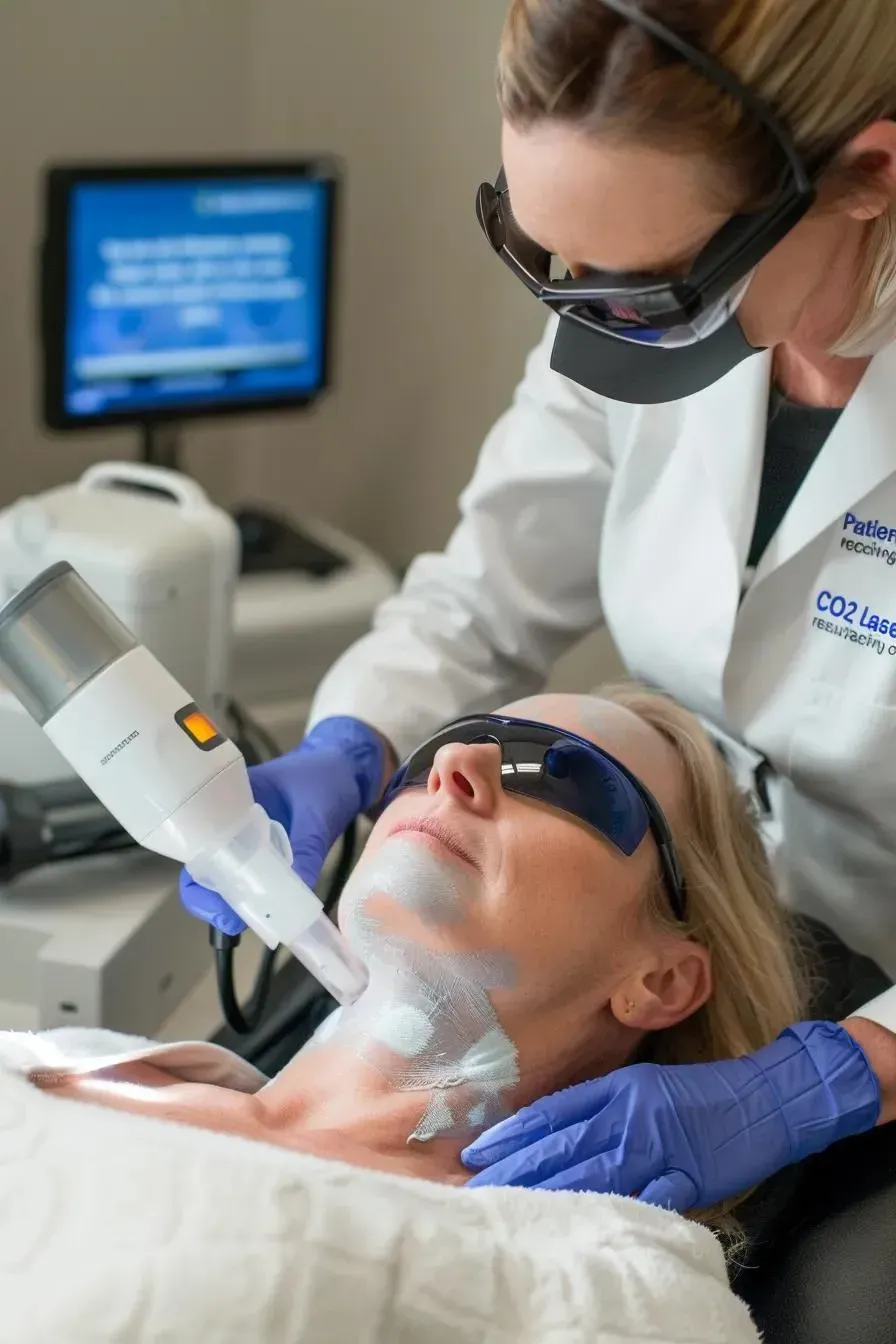
CO2 resurfacing treats deep rhytides and marked photodamage by ablating damaged epidermis and dermis to allow regeneration. Fractional, less-ablative devices target early aging with shorter recovery. Recovery time depends on aggressiveness and patient factors, from days to a few weeks for re-epithelialisation.
Multiple clinical studies document the efficacy of CO2 laser resurfacing for deep wrinkle correction and skin tightening.
CO2 Laser Resurfacing for Deep Wrinkles & Skin Tightening
Protocols using multiple passes of the CO2 laser, with additional focused treatment in problem areas followed by spot tissue tightening and adjunctive erbium sculpting, have been described for treatment of deep wrinkles and thermal tissue removal.
CO2 laser resurfacing, 2001
What Are the Safety and Recovery Considerations for Laser Therapy?
Proper assessment includes skin type and medical history. Pre-treatment may require sun avoidance and adjusting photosensitising drugs. Aftercare emphasises wound protection, hydration and broad-spectrum sunscreen. Short-term erythema and oedema are common and usually subside within about a week, depending on treatment intensity.
How Does Hormone Replacement Therapy Support Anti-Aging Goals?
Hormone replacement therapy (HRT) addresses age-related hormonal declines that affect skin. Lower estrogen and testosterone can reduce elasticity and increase dryness; targeted HRT may improve skin quality and subjective vitality when appropriate for the patient.
What Role Do Hormones Play in Skin Aging and Wellness?
Endocrine factors influence skin ageing: estrogen supports collagen synthesis, dermal thickness and elasticity; androgens affect sebum and epidermal thickness; growth hormone supports tissue regeneration. Recognising these roles helps tailor anti-aging strategies.
Evidence consistently indicates that estrogen therapy can improve several parameters of skin health and reduce ageing-related changes.
Estrogen Therapy for Anti-Aging Skin Benefits
Systemic estrogen replacement therapy has been shown to restore skin thickness by increasing collagen synthesis and reducing excessive collagen degradation. Estrogen improves the morphology and synthesis of elastic fibers, collagen type III, and hyaluronic acid, which contributes to reduced wrinkling. It also enhances hydration by increasing water-binding capacity, sebum production, and barrier function.
Estrogen and skin: therapeutic options, 2011
Which Hormone Replacement Options Are Personalized for Visible Results?
Personalised HRT may use bioidentical hormones matched to endogenous molecules and dosed to the individual. Options such as HGH can affect dermal thickness, and testosterone can influence firmness. Pellet implants offer sustained delivery when clinically suitable.
What Non-Invasive Procedures and Skincare Regimens Enhance Skin Health?
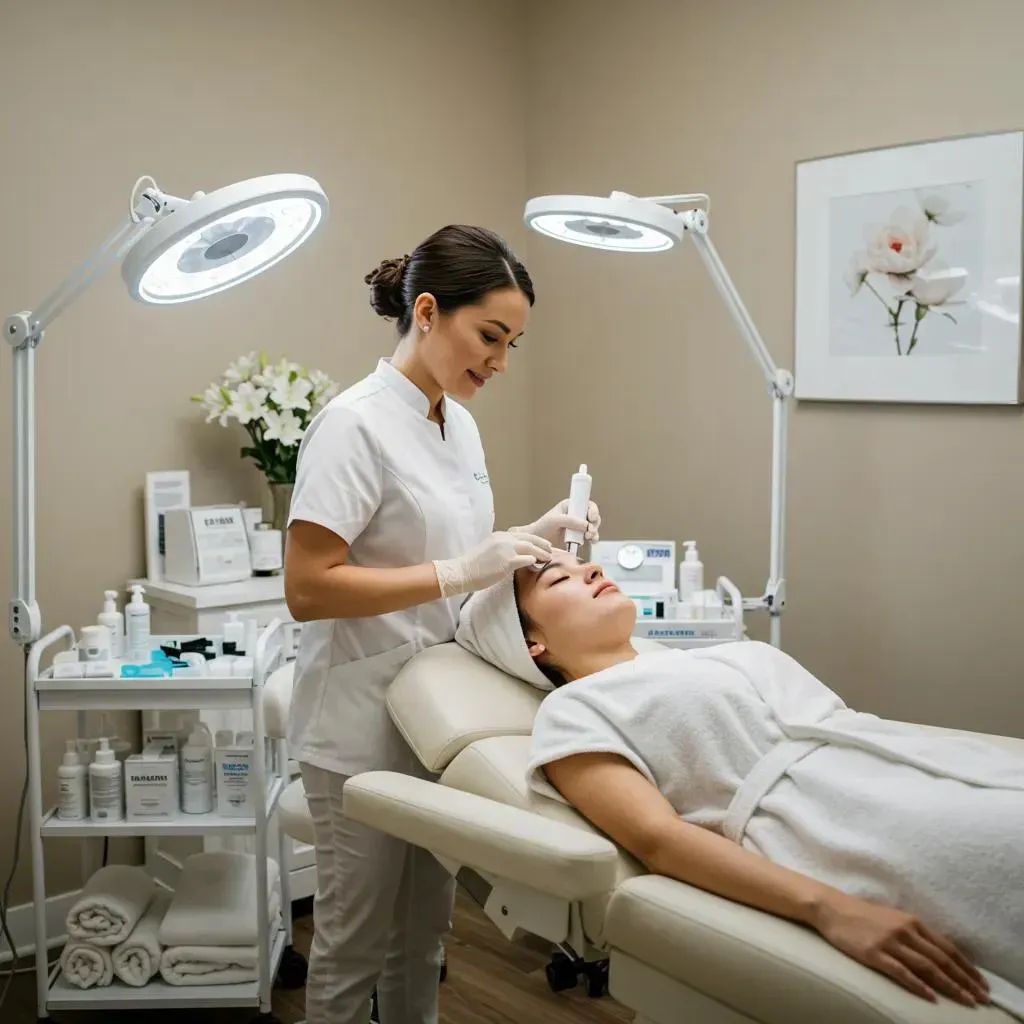
Non-invasive treatments and targeted topicals are essential for maintenance. Procedures like HydraFacial and RF microneedling improve hydration, texture and firmness without surgery. Topical actives—retinoids, vitamin C and hyaluronic acid—support cellular turnover, antioxidants and hydration; daily broad‑spectrum SPF prevents photodamage.
Which Non-Surgical Treatments Improve Skin Tightening and Texture?
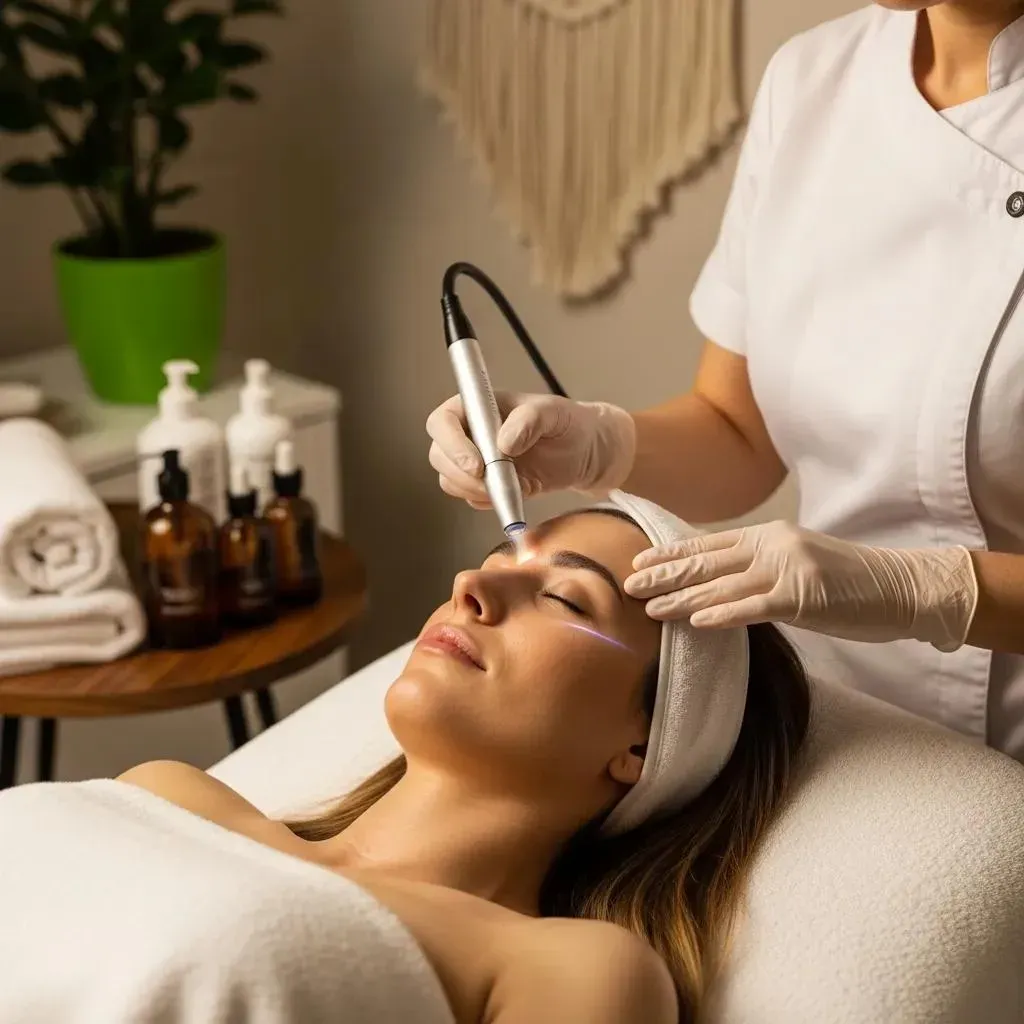
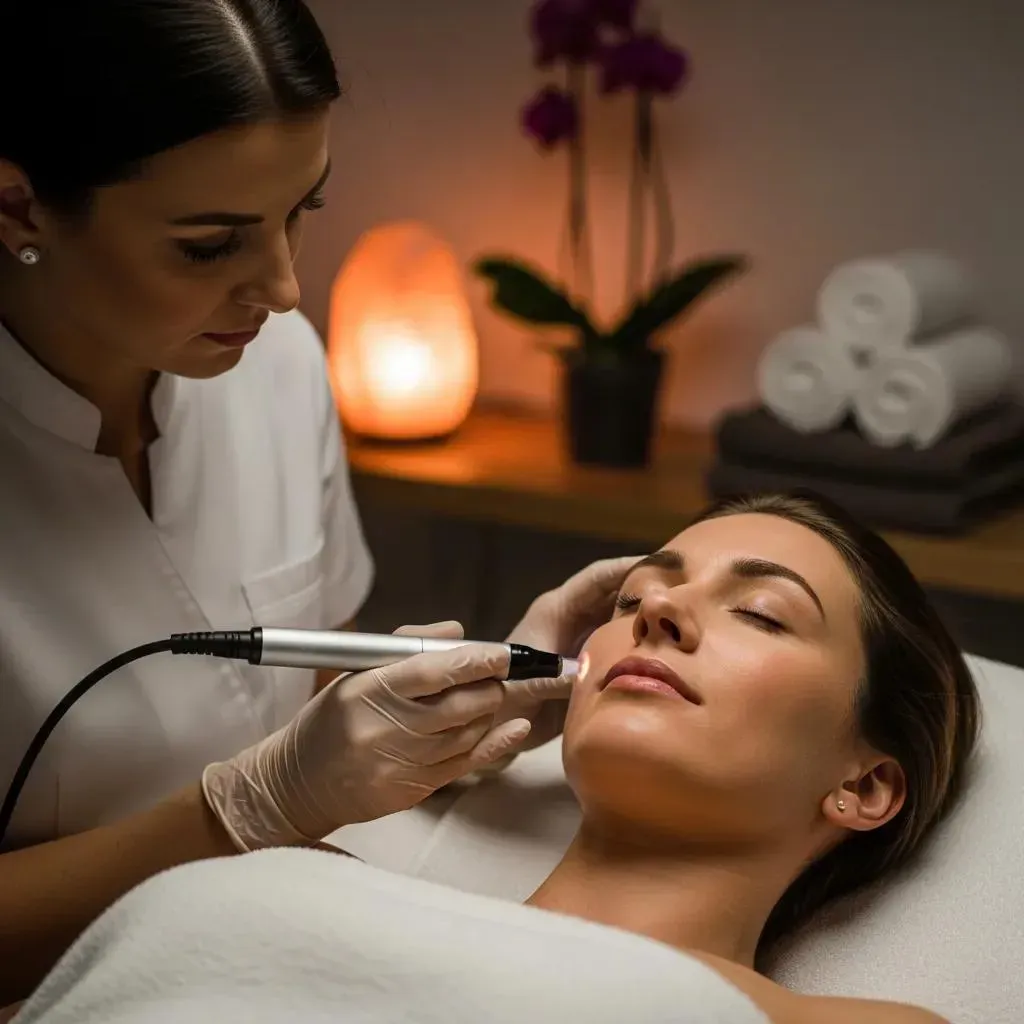
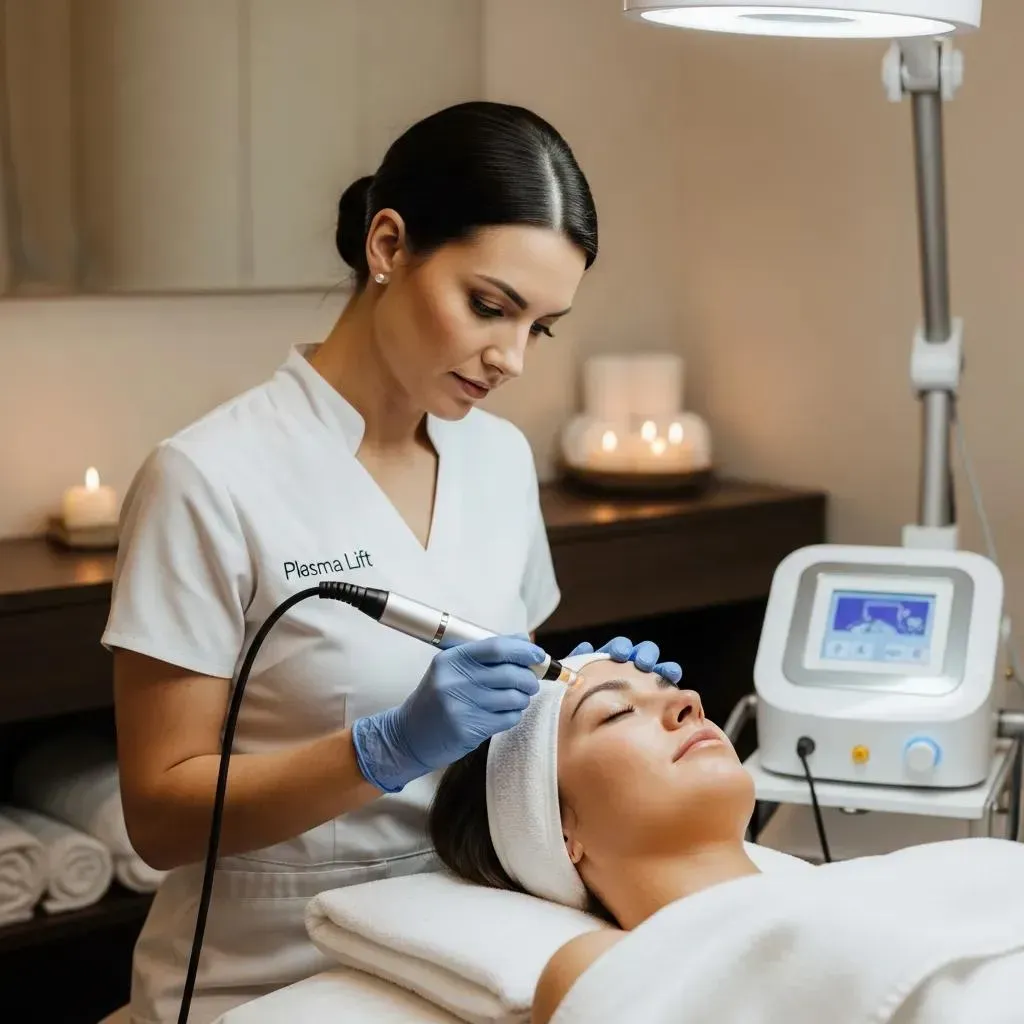
Treatments such as plasma lift and RF microneedling create controlled micro-injury to trigger collagen synthesis and tightening. Improvements are progressive and often become clearer over weeks as remodelling continues.
What Active Ingredients in Skincare Products Deliver Proven Anti-Aging Effects?
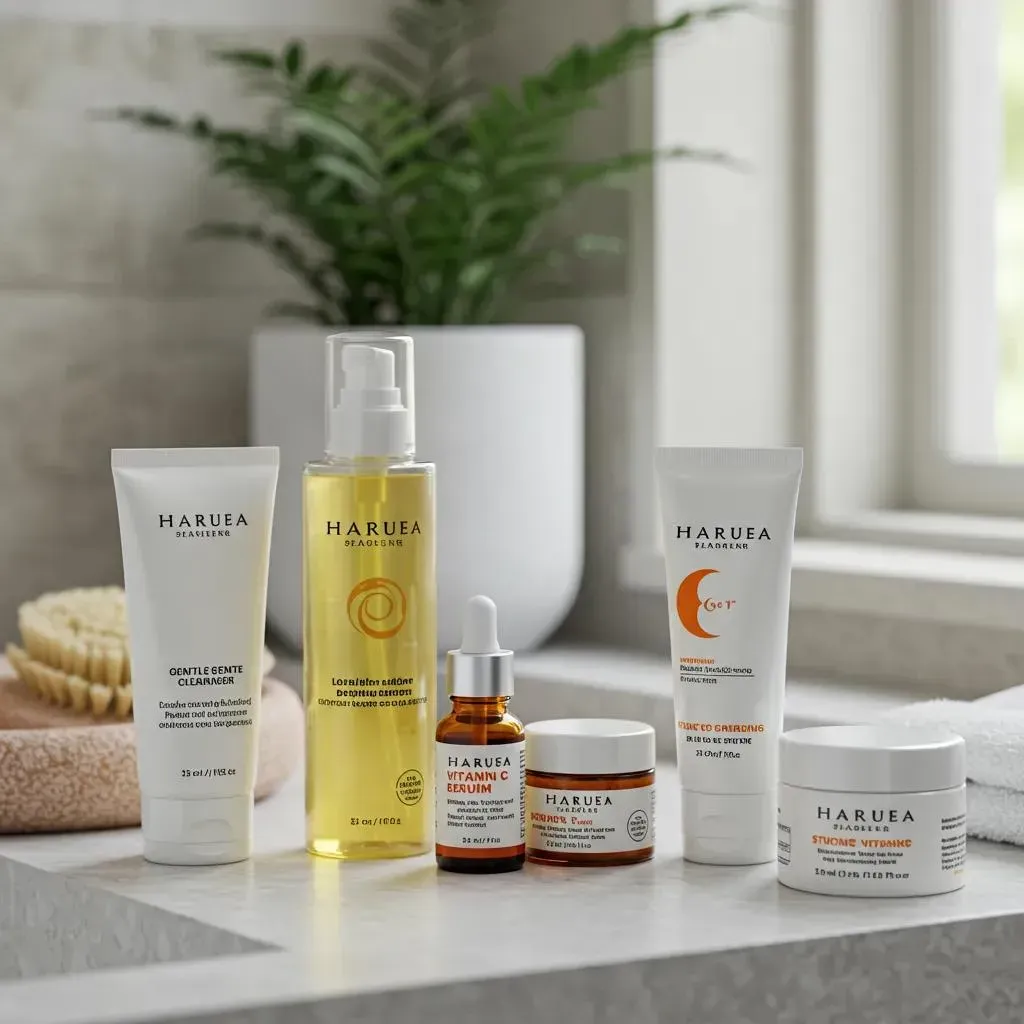
Retinoids accelerate cell turnover and reduce fine lines. Hyaluronic acid hydrates and plumps. Antioxidants (vitamin C, vitamin E, green tea) protect against oxidative damage. Regular use of these actives plus SPF supports long-term skin health.
To review tailored options and determine the best approach for your concerns, visit "Growing Younger Clinic" for professional guidance.
If you have questions or wish to arrange a consultation, please "contact us".
For comprehensive information on our practice and services, see the "Growing Younger Clinic website".
Frequently Asked Questions
What are the potential side effects of injectable treatments?
Common short-term effects include localized swelling, bruising and erythema. Less frequently, headache or hypersensitivity can occur. A clinician will review history and contraindications to reduce risk.
How long do the results of laser treatments typically last?
Durability varies by device and patient. Ablative CO2 resurfacing can yield multi-year improvement for deep wrinkles; fractional non-ablative treatments often need periodic maintenance. Age, skin type and lifestyle affect longevity.
Can hormone replacement therapy improve skin hydration?
Yes. Estrogen therapy increases hyaluronic acid synthesis and can enhance moisture retention and sebum production, improving texture. Discuss risks and suitability with a healthcare provider.
What is the role of antioxidants in anti-aging skincare?
Antioxidants neutralise free radicals that accelerate collagen loss and uneven pigmentation. Ingredients like vitamin C and E and green tea extract protect the skin and complement procedural treatments.
How often should non-invasive procedures be performed for optimal results?
Intervals vary by modality. RF microneedling is often scheduled every four to six weeks in an initial series; HydraFacial commonly on a monthly basis. A personalised plan aligns frequency with skin type and goals.
Are there any lifestyle changes that can enhance the effects of anti-aging treatments?
Yes. A nutrient-rich diet, good hydration, restorative sleep, stress management, avoiding tobacco and minimising UV exposure all support repair and prolong treatment benefits.
Conclusion
Appropriate anti-aging interventions can produce visible rejuvenation and improved satisfaction. Each modality—injectables, lasers, hormones or non-invasive care—offers distinct benefits that should match anatomy and goals. Consult qualified professionals for safe, evidence-based, personalised treatment plans. Explore our solutions at the Growing Younger Clinic to find the right approach for you.