Back
September 16, 2026 | Jamey Wagner
Laser Treatment Choices for Smoother-Looking Skin: What to Compare
Laser treatment should be selected according to your skin concern, skin tone, medical history, desired results, and recovery needs. Ablative, nonablative, and fractional approaches differ in intensity and downtime. Physician-led consultation, FDA-cleared technology, digital imaging, sun protection, realistic expectations, and personalized settings can support safer, more informed skin rejuvenation decisions.
You may fear one laser session could leave your skin worse, not better. That concern is understandable. The right treatment depends on your goals, skin, recovery needs, and medical assessment.
Clear Laser Treatment: What Should You Compare?
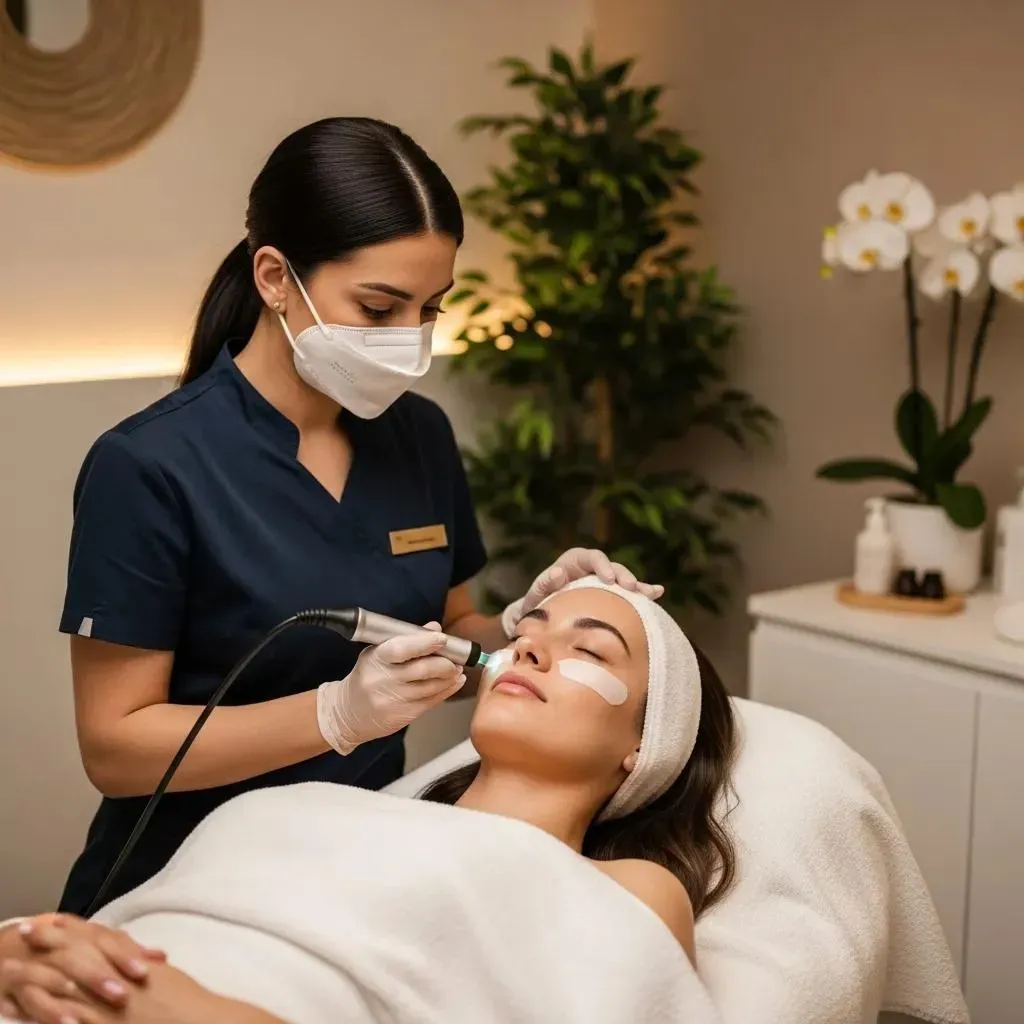
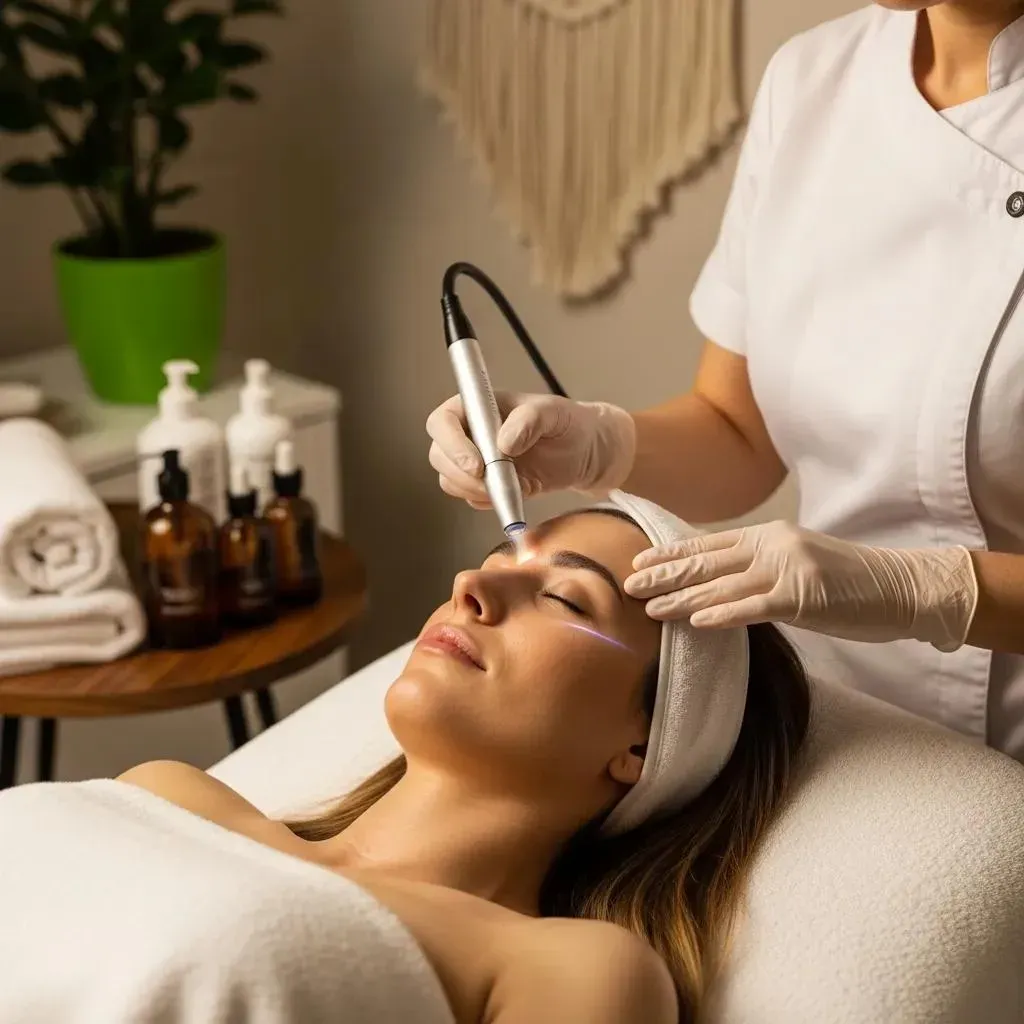
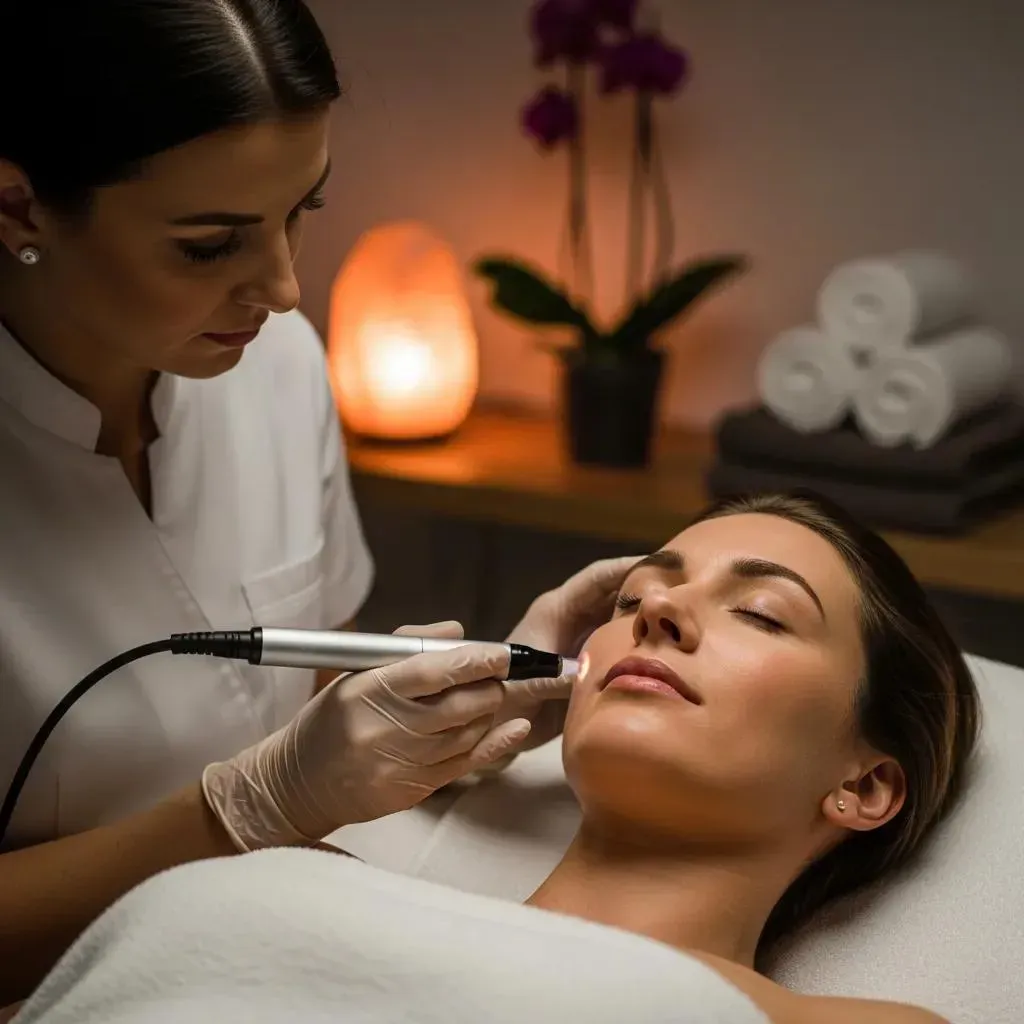
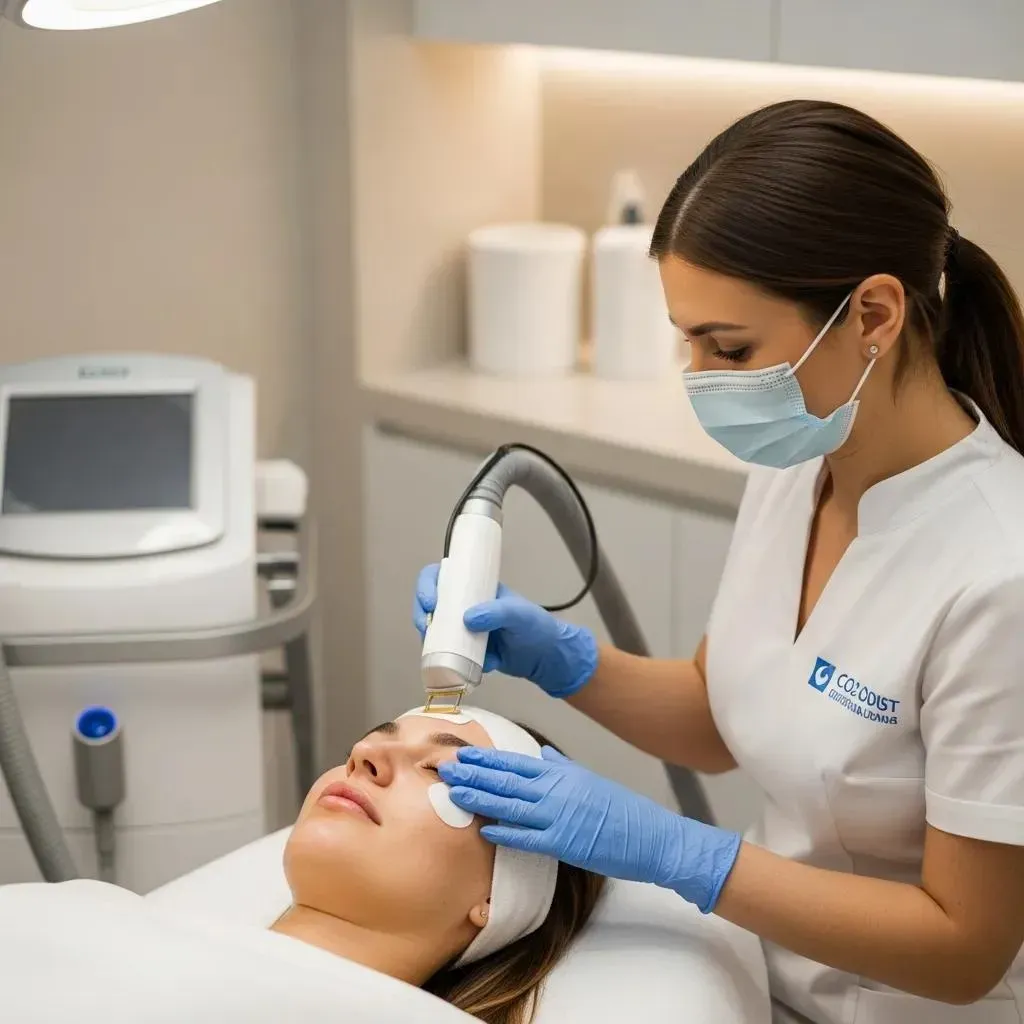
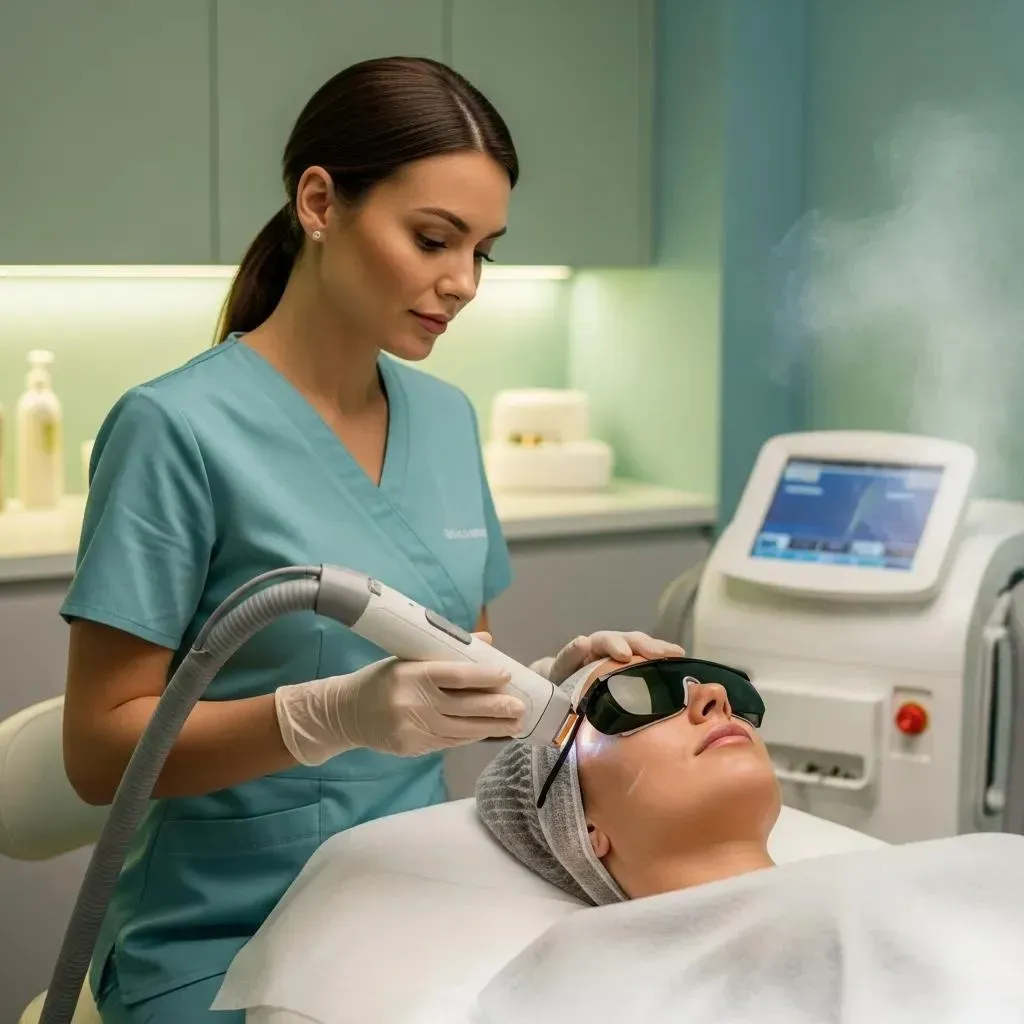
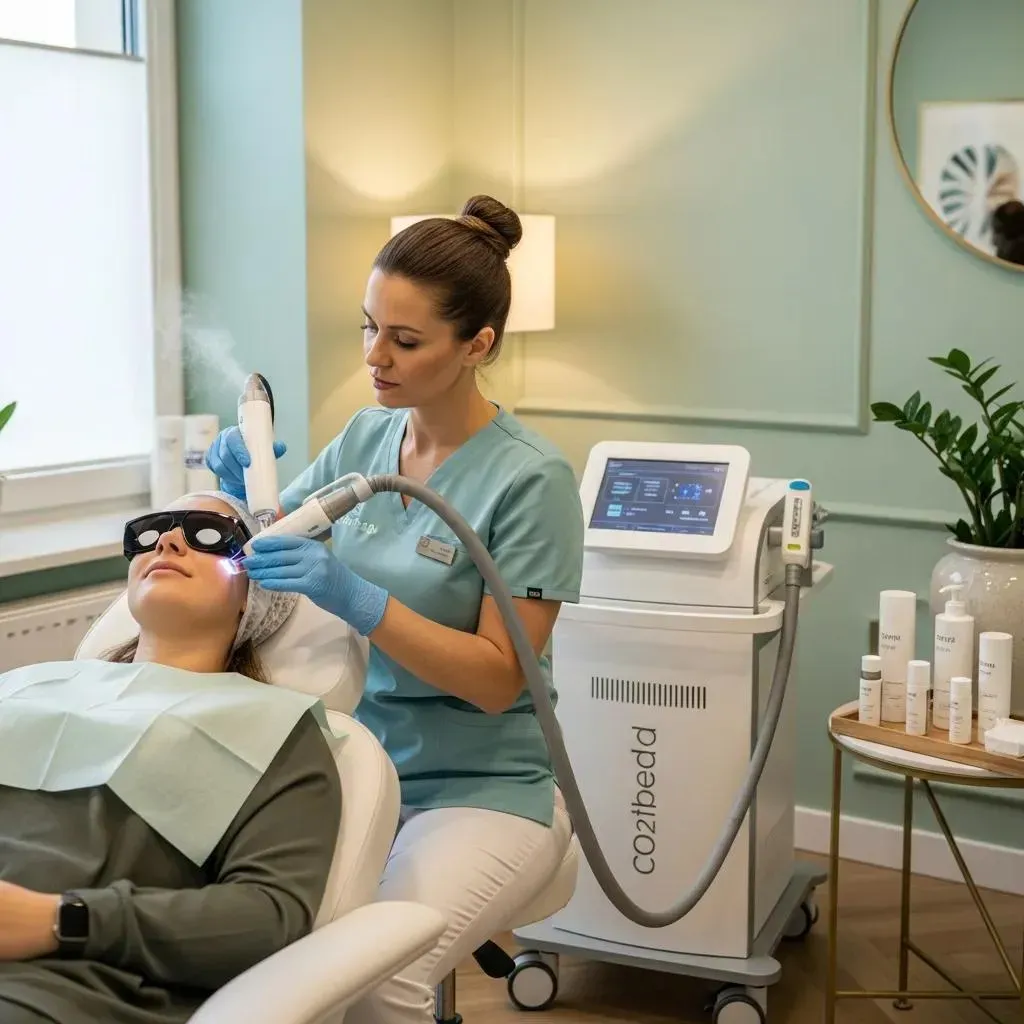
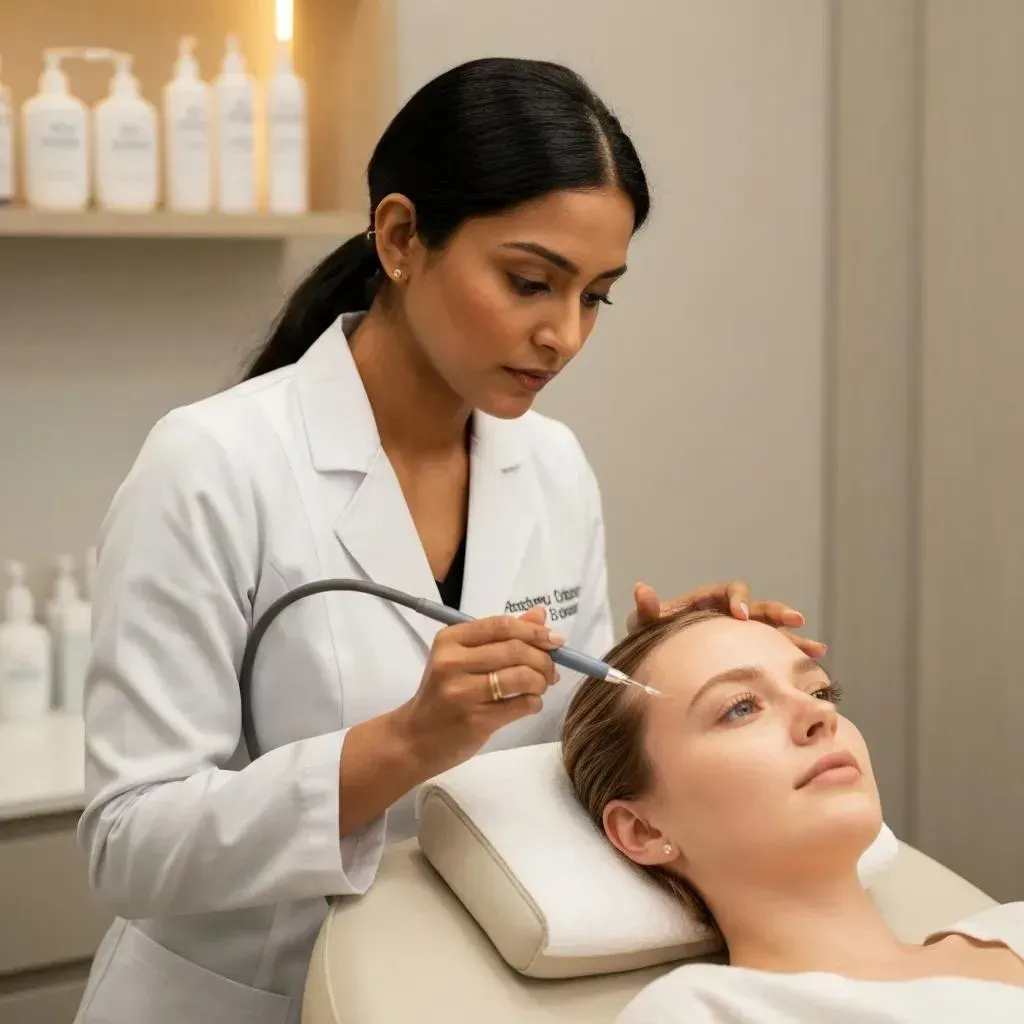
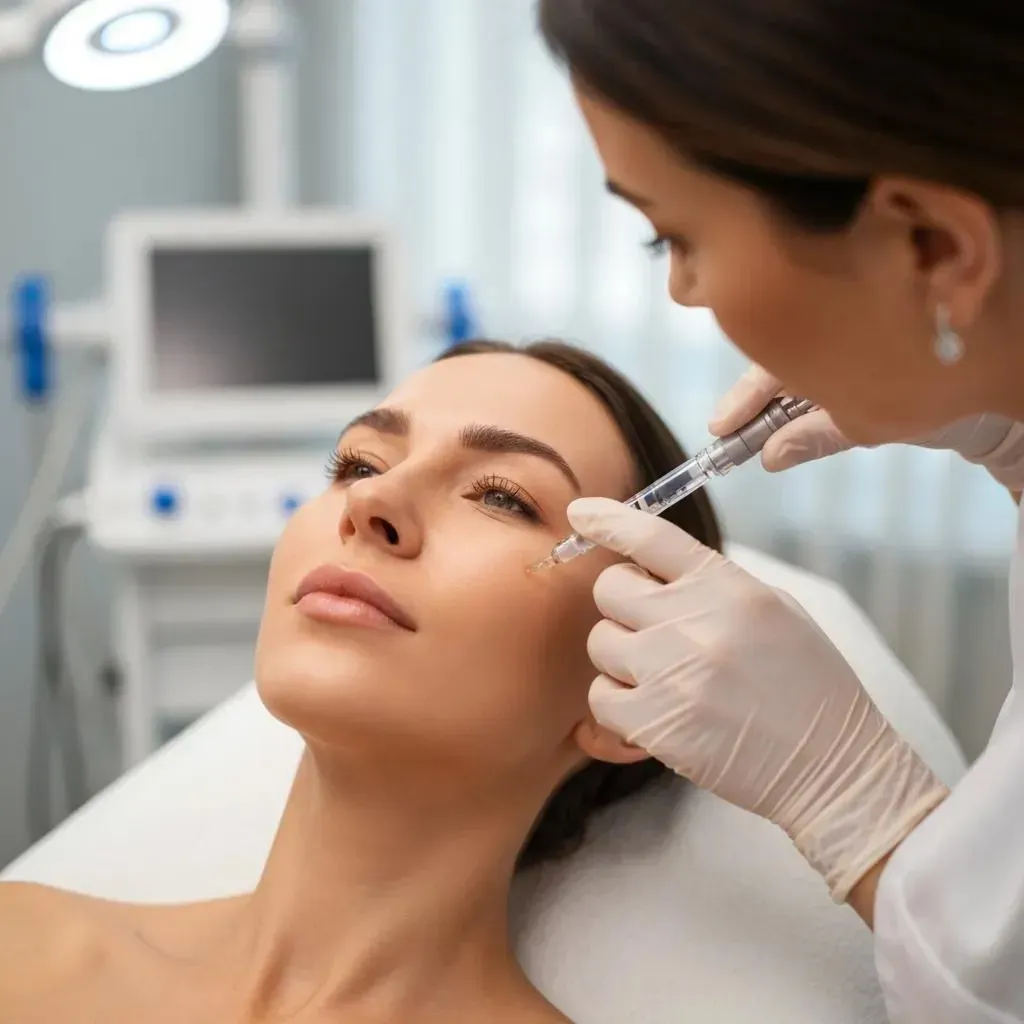
If you want smoother-looking skin, do not choose a laser because it sounds powerful. Choose it because its purpose matches your skin concern, lifestyle, and desired recovery time. Laser treatments use focused light energy to affect specific skin structures. Different devices, wavelengths, and settings can target texture, pigmentation, scars, wrinkles, or other concerns.
That difference matters. A clear and brilliant laser treatment in Hazel Green is designed mainly for surface renewal may not address redness or deeper scars. Your consultation should connect the technology with the problem you want solved.
Start with your skin concern, not the machine
Ask yourself what you actually want to improve. Fine lines? Uneven texture? Sun spots? Acne scars? Dullness? Several concerns may exist, but one usually matters most. Laser resurfacing can improve issues such as uneven skin texture, sun damage, age spots, wrinkles, and some acne scars. The best choice depends on the concern and treatment intensity. Think of it like choosing eyeglasses. You would not select frames before checking your prescription. Your skin treatment deserves the same practical thinking and medical care.
Ablative or nonablative? The difference affects recovery
Ablative lasers remove or damage the outer skin layer while also heating deeper tissue. They can produce stronger resurfacing but usually require more healing time and aftercare. Nonablative treatments work without removing the skin surface in the same way. Recovery is often shorter, although results can develop gradually and multiple sessions may be recommended.
Neither approach is automatically better. Your goal, skin condition, tolerance for downtime, and medical history should guide the decision rather than a promise of dramatic results.
Fractional treatments can change the recovery equation
Fractional laser technology treats microscopic columns of skin instead of treating the entire surface area at once. This approach can balance skin renewal with a more manageable recovery.
That does not mean every fractional treatment has the same downtime. Settings, wavelength, treatment depth, skin type, and treatment area can all influence recovery and side effects.
If your schedule is demanding, tell your clinician. A medically appropriate plan should fit your real life, not force you to rearrange everything around an unrealistic recovery window.
Why skin tone and sun exposure belong in the conversation
Your skin type matters when choosing laser settings. People with darker skin tones can have a higher risk of burns or post-treatment dark marks with some laser procedures. That is why personalization matters. Your clinician should consider your skin tone, history of pigmentation, current skin condition, medications, products, and previous treatments before selecting
settings. Sun exposure also deserves attention. A tan or sunburn can increase treatment risks, while ongoing ultraviolet exposure can continue damaging skin after treatment. Daily sun protection remains part of the plan. Broad-spectrum sunscreen with SPF 30 or higher, protective clothing, shade, and sensible sun habits can help protect treated skin and support longer-lasting results.
What does “smoother-looking skin” really mean?
Smoother-looking skin can involve several changes. Texture may appear more even. Fine lines may look softer. Sun-related discoloration may improve. Acne scars may become less noticeable.
Laser treatment does not stop natural aging. New lines and sun damage can develop over time, so maintenance skincare and sun protection remain important after treatment. Results also vary. Some nonablative treatments produce gradual changes, while stronger resurfacing procedures may create more noticeable effects with longer recovery. Your clinician should explain the expected timeline before treatment.
How should you compare providers?
Look beyond before-and-after photos. Ask about physician oversight, clinician training, device technology, consultation practices, safety protocols, and how the provider handles complications.
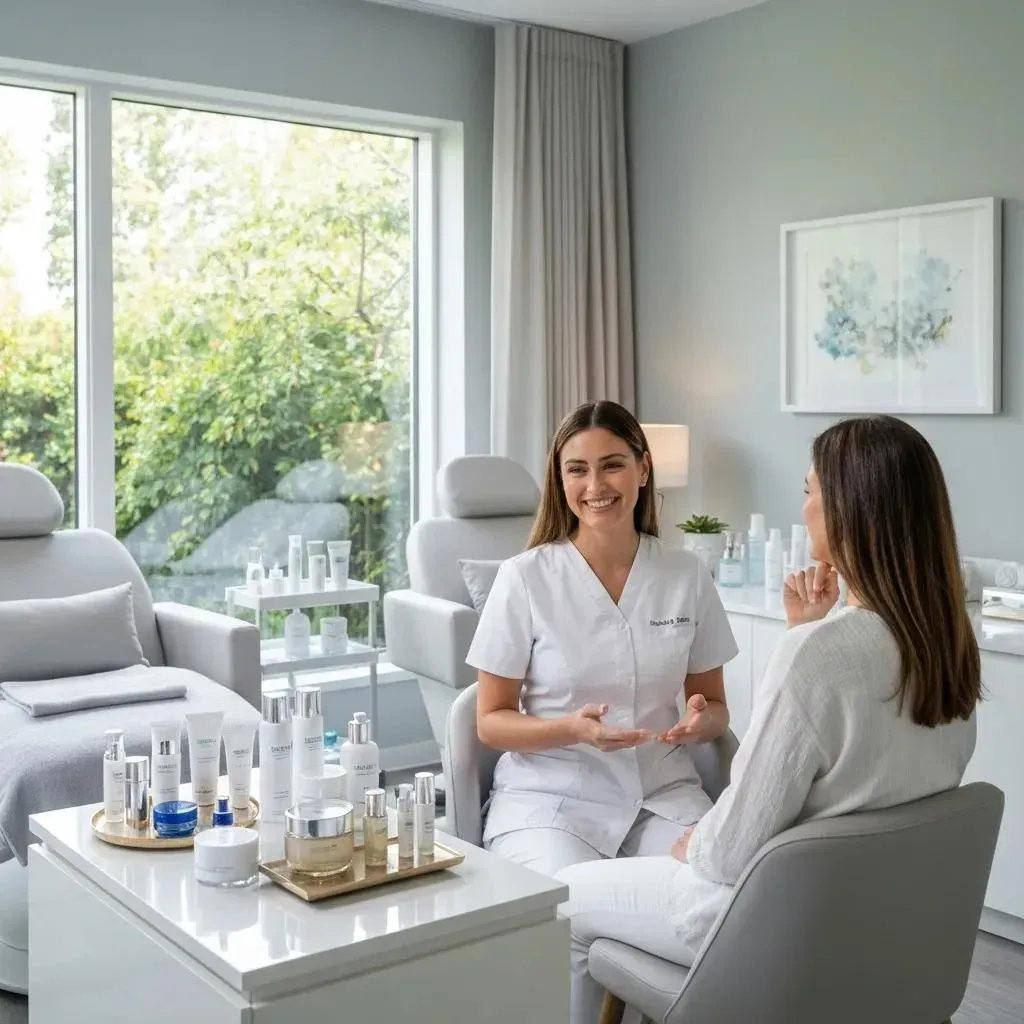
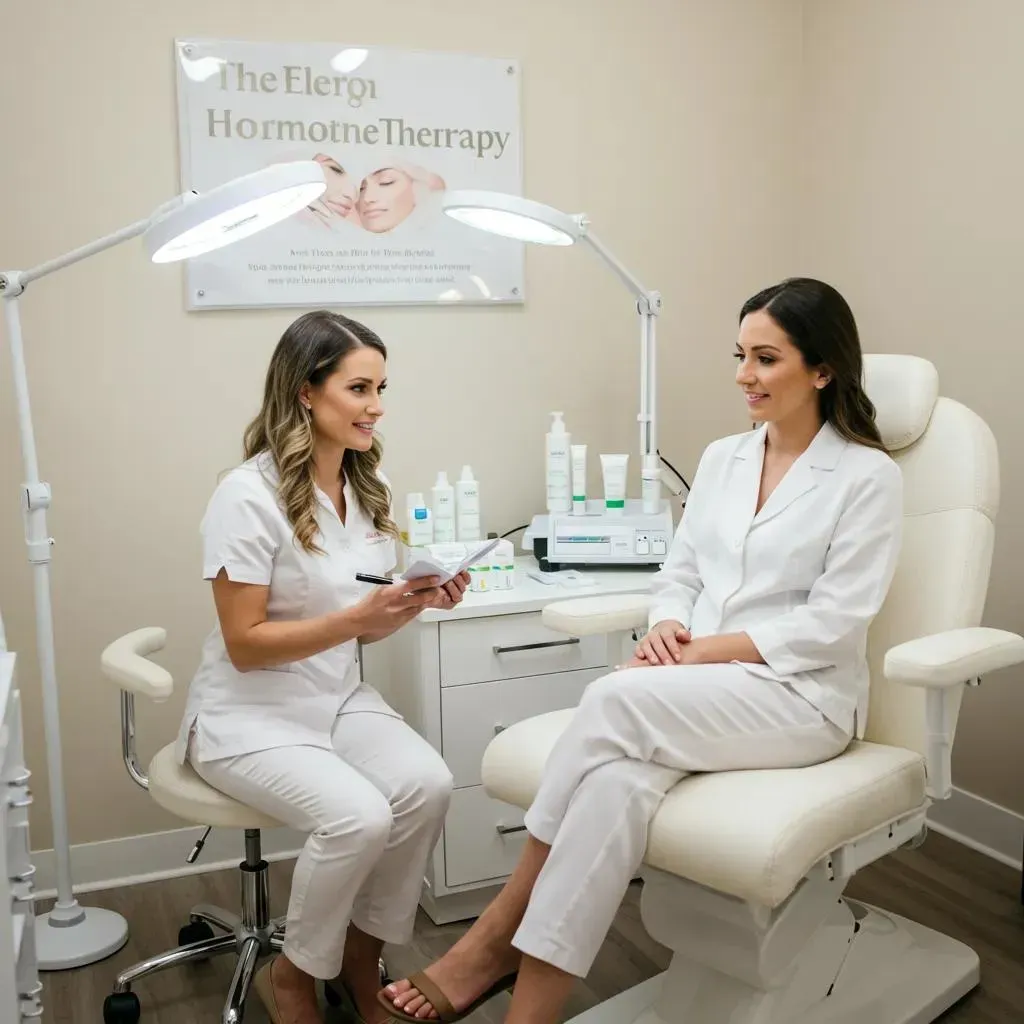
A medical setting gives you an important advantage: your treatment can be considered alongside your broader health rather than treated as an isolated cosmetic procedure. At a physician-led clinic, personalization can include medical assessments, digital imaging, and a discussion of your wider wellness goals. That can be especially useful when appearance, energy, weight, hormones, and healthy aging overlap.
September offer: ask what fits your treatment plan
September can be a useful time to schedule a consultation and review available treatment options before committing to a procedure. Ask about the clinic’s current September offer and eligibility
details. A strong offer should never replace good medical judgment. The better question is not, “How much can I save?” It is, “Is this treatment appropriate for me, and what exactly am I receiving?” If you are comparing the top aesthetics laser in Guntersville, use the same checklist: treatment purpose, device clearance, clinician experience, skin assessment, expected downtime, aftercare, and realistic results.
What about laser treatment and your wider wellness goals?
Skin is only one part of how you feel about aging. Your overall plan may also involve weight management, hormones, energy, nutrition, sleep, and other wellness concerns. A holistic clinic can look at these areas together while keeping each treatment medically appropriate. This approach
helps you focus on health and confidence rather than chasing one isolated cosmetic result.
That distinction matters. Looking refreshed can be one goal, but feeling stronger, healthier, and more comfortable in your body can matter just as much.
The smartest laser choice is the one matched to you
Before booking, ask five simple questions: What concern are we treating? Why this laser? What downtime should I expect? What risks apply to my skin? How will we measure results?
Those questions can prevent rushed decisions. They also help you understand whether a treatment fits your schedule, expectations, budget, and comfort level.
Laser resurfacing can carry risks including swelling, irritation, infection, and temporary or persistent changes in skin color. Stronger ablative treatments generally involve more recovery than
nonablative approaches. That does not mean you should fear laser treatment. It means you should approach it as a medical procedure, with thoughtful screening, appropriate technology, qualified supervision, and clear aftercare instructions. If smoother-looking skin is your goal, start
with a consultation rather than a device name. At Growing Younger Clinic, we can help you compare options and plan your next step; email info@growingyoungerclinic.com or call (256) 325-6398. Eligible points are offered with every Botox/Xeomin treatment.
Frequently Asked Questions
Which laser is best for smoother-looking skin?
There is no single best laser. Your skin concern, tone, medical history, desired results, and downtime tolerance should guide treatment selection and settings.
How many laser treatments will you need?
The number varies by technology and goal. Some procedures may need one session, while fractional nonablative treatments often require multiple sessions spaced over time.
Is laser treatment safe for darker skin?
Lasers can treat all skin types, but darker skin may have greater risk of burns or pigmentation changes. Experienced medical assessment and careful settings are essential.
How long does laser recovery take?
Recovery depends on treatment intensity. Nonablative procedures may involve little downtime, while ablative resurfacing can require substantially longer healing and careful aftercare.
Can you prevent new skin damage after laser treatment?
You cannot stop natural aging, but daily sun protection can reduce ongoing ultraviolet damage and help protect your treatment results over time.