
Back
February 12, 2026 | Nic Menezes
Transform Your Skin: CO2 Laser for Acne Scar Improvement
Reveal Clearer Skin with CO2 Laser for Acne Scars — Effective, Lasting Results
Acne scars can linger long after the breakouts are gone, and that can wear on your confidence. CO2 laser resurfacing is a proven treatment many patients choose to smooth texture, even tone, and reduce scar depth. This guide explains how the procedure works, the benefits and risks, what to expect during recovery, typical costs, and real patient experiences — so you can decide whether it’s right for you. We’ll cover fractional laser resurfacing, the scar types it treats best, and step-by-step expectations for before, during, and after treatment.
How Does CO2 Laser Treatment Improve Acne Scars?
CO2 laser treatment uses a fractional resurfacing approach to precisely target scarred areas and jump-start the skin’s repair process. The laser creates tiny columns of controlled injury, which tells the body to produce new collagen and renew damaged tissue. Over weeks and months, that remodeling smooths depressed scars and improves overall texture and tone — especially for atrophic scars that form when the skin loses collagen after acne.
What is fractional laser resurfacing and how does it work?
Fractional laser resurfacing delivers carbon dioxide (CO2) energy in a grid of microscopic treatment zones. By leaving surrounding skin intact, the technique speeds healing and limits downtime compared with older, fully ablative lasers. The energy reaches deeper skin layers to stimulate collagen and elastin, proteins that restore firmness and elasticity. With time and healing, patients commonly see noticeable improvements in texture, tone, and scar depth, which is why this method is widely used for acne scarring.
Clinical studies show fractional CO2 laser stimulates collagen and remodels dermal tissue, producing measurable scar improvement.
Fractional CO2 Laser: Frontline Acne Scar Treatment & Collagen Remodeling
Fractional ablative carbon dioxide laser resurfacing is a frontline treatment for acne scars. It creates multiple microscopic treatment zones to accelerate the collagen formation and the remodeling of dermal tissue, leading to significant improvement in scar appearance.
The efficacy of fractional ablative carbon dioxide laser combined with other therapies in acne scars, 2019
Which types of acne scars can CO2 laser effectively treat?
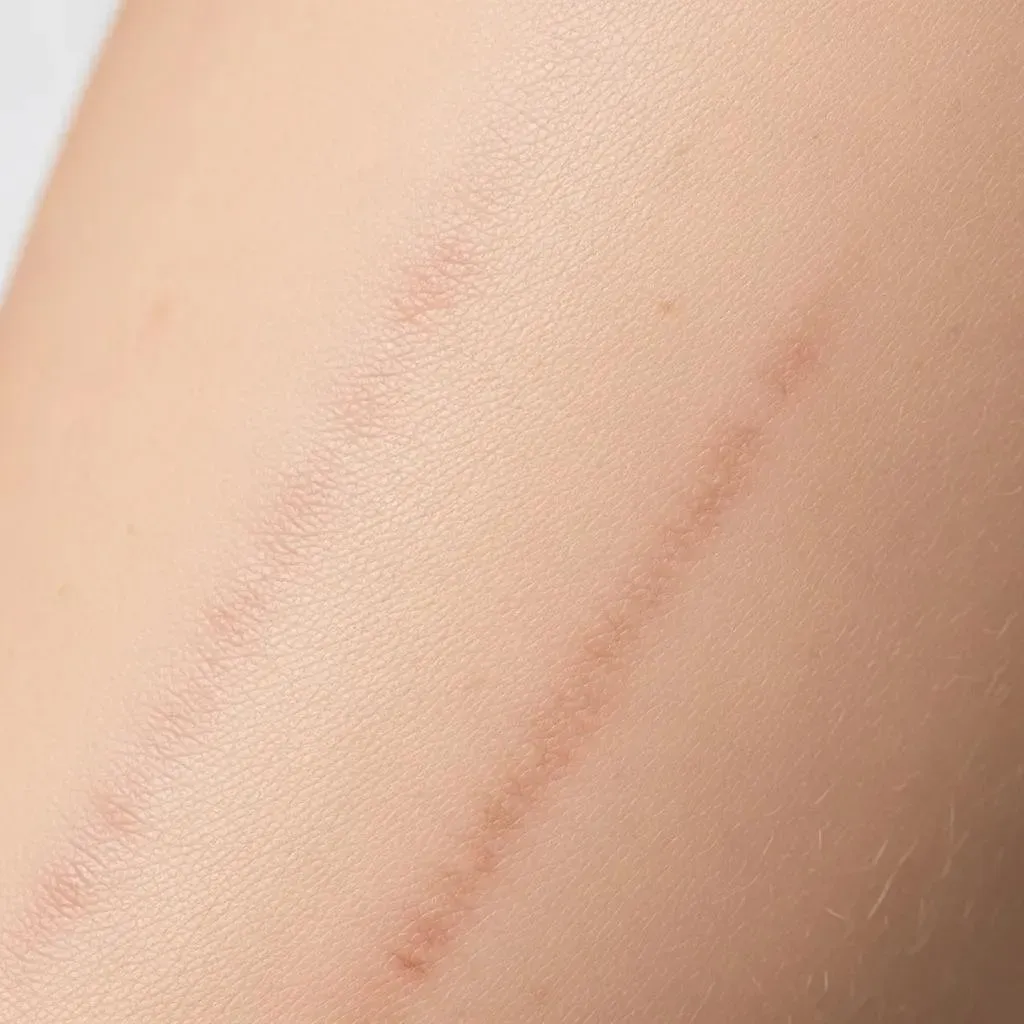
CO2 laser resurfacing is effective for several common acne scar types, including:
- Atrophic Scars: Depressed scars caused by lost collagen after acne. CO2 laser encourages new collagen to fill and lift these areas.
- Boxcar Scars: Wider, angular depressions. The treatment softens the edges and blends them into surrounding skin for a smoother look.
- Ice Pick Scars: Narrow, deep pits. Laser energy can reach deeper layers to stimulate repair and improve their appearance over time.
Targeting these scar types can lead to a visibly smoother complexion and more even skin surface overall.
A focused literature review details how fractional CO2 lasers work and their safety and effectiveness for atrophic acne scars.
Fractional CO2 Lasers for Atrophic Acne Scars: A Review
This article reviews the current literature on the use of fractional CO 2 lasers for the treatment of atrophic scarring secondary to acne vulgaris. We discuss the mechanisms of action, clinical efficacy, and safety profiles observed in conducted clinical studies using fractional CO 2 lasers to treat atrophic scarring.
Fractional CO2 lasers for the treatment of atrophic acne scars: A review of the literature, 2014
What Are the Benefits and Risks of CO2 Laser Skin Resurfacing for Acne Scars?
CO2 laser resurfacing can deliver meaningful improvement in scar appearance and skin quality, but like any medical procedure it carries potential side effects. Knowing both the benefits and risks helps you make a safe, realistic plan with your provider.
What skin rejuvenation benefits can patients expect?
Most patients notice several key improvements after CO2 laser treatment, including:
- Improved Skin Texture: Uneven surfaces become smoother as the skin remodels.
- Reduced Scar Visibility: Collagen stimulation helps lift and soften depressed scars for a less noticeable appearance.
- Enhanced Skin Tone: The treatment can reduce blotchiness and help even out pigmentation linked to past acne.
Together, these changes often result in a fresher, more youthful-looking complexion.
What are the common side effects and safety considerations?
CO2 resurfacing is generally safe when performed by a qualified practitioner, but you should be aware of typical side effects:
- Redness and Swelling: Common after treatment and usually fade over 1–2 weeks.
- Peeling and Flaking: As the skin sheds and heals, light peeling is normal during recovery.
- Hyperpigmentation or Hypopigmentation: Patients with darker skin tones may see temporary darkening or lightening; careful assessment and post-care reduce risk.
Following your provider’s pre- and post-care instructions and choosing an experienced clinician are key steps to minimizing complications.
Expert reviews emphasize that while fractionated CO2 technology lowers complication rates versus older methods, complication prevention and early management are essential for the best outcomes.
Fractional CO2 Laser Resurfacing: Understanding & Preventing Complications
Fractionated CO2laser technology has allowed physicians to resurface patients with a lower rate of complications than nonfractionated ablative laser treatment. Unfortunately, adverse effects can still occur even with the best technology and physician care. Complication prevention, detection, and treatment are an important part of a physician's ability to provide the best result when treating a patient with fractionated CO2resurfacing.
Fractional CO2 laser resurfacing complications, 2012
| Benefit | Description | Impact Level |
|---|---|---|
| Improved Skin Texture | Smoother skin surface | High |
| Reduced Scar Visibility | Diminished appearance of scars | High |
| Enhanced Skin Tone | More even skin color | Medium |
This summary highlights the main benefits patients seek from CO2 laser resurfacing and their typical impact on appearance.
What Is the CO2 Laser Acne Scar Treatment Process?
Knowing the typical treatment timeline and what happens at each visit helps you plan and set realistic expectations.
How many sessions are typically required for optimal results?
Most patients see the best improvement after 1 to 3 sessions. The exact number depends on scar depth, skin type, and how your skin responds. Treatments are commonly spaced 6–8 weeks apart to allow healing and collagen remodeling between sessions.
What does recovery and aftercare involve?
Recovery follows a few straightforward steps:
- Post-Treatment Care: Keep the area clean, apply recommended ointments or moisturizers, and avoid picking the skin to support healing.
- Sun Protection: Stay out of direct sun and use a broad-spectrum sunscreen once healed to protect new skin.
- Avoiding Irritants: Hold off on retinoids, strong acids, and physical exfoliants until your provider clears them.
Careful aftercare shortens recovery and helps you get the best possible result from the procedure.
How Much Does CO2 Laser Treatment for Acne Scars Cost and What Is the Consultation Process?
Cost varies by location, provider experience, treatment area, and the number of sessions needed. Your consultation will clarify what’s right for you and provide a personalized estimate.
What factors influence the overall treatment cost?
Costs are commonly affected by:
- Clinic Location: Geographic differences and local market rates influence prices.
- Practitioner Experience: Providers with advanced training or long experience may charge more.
- Treatment Area Size: Larger or multiple areas take more time and resources.
As a general guide, a full treatment plan commonly falls between $1,200 and $3,500, depending on the variables above.
How to schedule a consultation at Growing Younger Clinic in Madison, Alabama?
To book a consultation at Growing Younger Clinic, you can follow these simple steps:
- Visit the Clinic: We’re located at 8103 Hwy 72 W C C, Madison, AL 35758, in a welcoming space built for comfort and privacy.
- Contact the Clinic: Call or use the clinic’s online contact options to check availability and share your concerns.
- Consultation Appointment: During your visit, a qualified clinician will assess your skin, discuss goals, and recommend a tailored treatment plan.
That consultation ensures you get a safe, customized approach before any treatment begins.
What Do Patients Say About Their CO2 Laser Acne Scar Results?
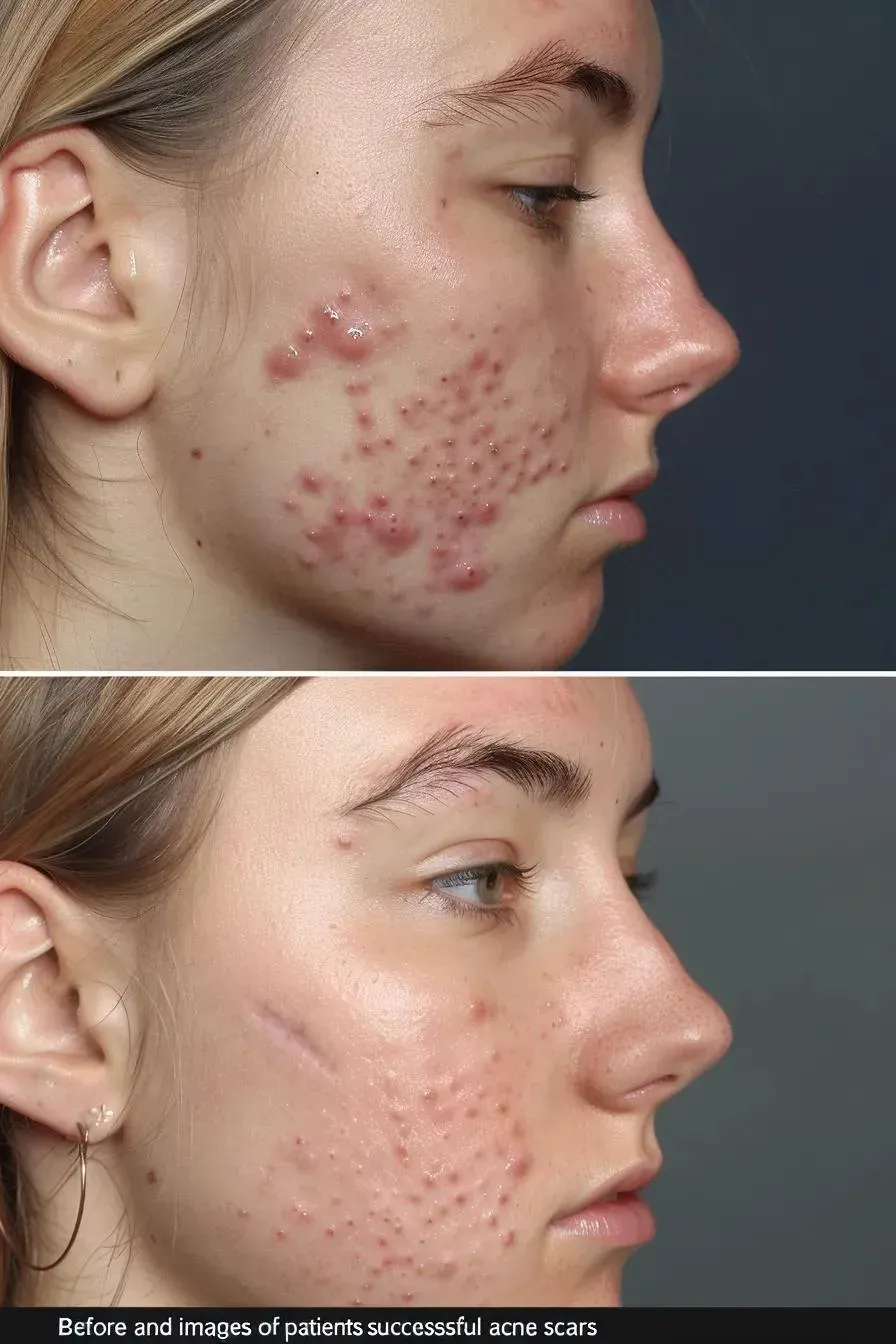
Real patient experiences help illustrate what CO2 laser resurfacing can achieve and how the process feels from start to finish.
Are there before and after case studies showcasing treatment success?
Yes — many clinics, including Growing Younger Clinic, present before-and-after case studies that show visible improvements in texture and scar depth. These examples help patients see realistic outcomes and set expectations.
How do patient testimonials reflect treatment satisfaction?
Patient feedback often highlights noticeable skin improvements, a boost in confidence, and appreciation for clear communication from the care team. Common themes include satisfaction with the provider’s expertise and the clinic’s supportive environment throughout recovery.
In short, CO2 laser treatment can be a meaningful step toward clearer, smoother skin for many people. If you’re considering it, a consultation at Growing Younger Clinic will give you individualized guidance. You may also explore complementary services like medical weight loss as part of an overall wellness plan that supports your confidence and skin health.
Frequently Asked Questions
What should I expect during the CO2 laser treatment session?
During treatment you may feel warming and intermittent pulses as the laser works. We typically apply topical anesthetic beforehand to keep you comfortable. Sessions usually last 30–60 minutes depending on the area. Immediately after, your skin will be red and slightly swollen — similar to a sunburn — and will calm over the following days with proper care.
How long do the results of CO2 laser treatment last?
Results can last for several years, though longevity varies with skin type, age, and sun protection. Many patients notice major improvements that can persist up to about five years. Maintaining a good skincare routine, protecting skin from sun exposure, and occasional follow-up treatments help preserve results.
Can CO2 laser treatment be combined with other skin treatments?
Yes. CO2 resurfacing can be combined thoughtfully with other treatments such as chemical peels, microneedling, or targeted topical therapies to address texture, tone, and pigmentation. A qualified provider will recommend safe combinations and proper timing so each therapy complements the others.
Is CO2 laser treatment suitable for all skin types?
CO2 laser can help many skin types, but individual risks and benefits must be assessed. Patients with darker skin tones have a higher risk of post-treatment pigmentation changes, so careful evaluation and experienced technique are important. A detailed consultation will determine whether CO2 is the right option for your skin.
What is the ideal age to consider CO2 laser treatment for acne scars?
There’s no strict age cutoff, but treatment is usually recommended for adults (18+) whose acne is under control. Younger patients with active acne should wait until breakouts are stabilized. Older patients may also benefit because the procedure can address both scarring and age-related collagen loss. Your provider will advise based on your individual skin and goals.
How can I prepare for my CO2 laser treatment appointment?
To prepare: avoid direct sun and tanning for at least two weeks before treatment, stop retinoids and harsh exfoliants as instructed in the days prior, stay hydrated, and disclose any medications or skin conditions to your provider. Following these steps reduces complication risk and helps ensure a smoother recovery.
Conclusion
CO2 laser resurfacing is a powerful option for improving acne scars by promoting collagen renewal and smoothing skin texture. Understanding the process, benefits, and realistic recovery expectations helps you choose the right path for your skin. If you’re ready to explore this treatment, schedule a consultation at Growing Younger Clinic for personalized recommendations and a care plan tailored to your goals. Together, we’ll help you move toward clearer, more confident skin.