

Back
January 15, 2026 | Nic Menezes
Discover the Top Medical Weight Loss Treatments You Can Access at Clinics Today
Medical weight loss treatments are increasingly used by people who struggle with obesity or long-term weight management. These programs give structure and medical oversight—personalized plans, regular check-ins, and treatments that may include prescription medications or non-surgical options. In the sections below, we walk through the common clinic offerings, how they work, and what to expect at a consultation so you can decide whether medical support is the right next step for your health.
What are medical weight loss programs and how do they work?
Medical weight loss programs are structured care plans led by healthcare professionals. Unlike do-it-yourself approaches, they start with a medical assessment and use that information to build a safe, personalized plan. Ongoing follow-up keeps progress on track and helps address medical or lifestyle factors that may be holding weight back.
What does doctor-supervised weight loss involve?
Doctor-supervised weight loss begins with a comprehensive evaluation of your health, weight history, and daily routines. From there a clinician recommends a plan that may combine dietary changes, exercise guidance, behavioral support, and—when appropriate—prescription medications. Medical oversight helps reduce risk and makes it easier to adjust treatment as your body responds.
How are personalized treatment plans developed?
Personalized plans are built from your medical history, current conditions, lab results, and personal goals. We consider metabolism, food preferences, activity level, and any chronic conditions—like diabetes—so recommendations fit your life. That tailored approach raises the chances of lasting success rather than short-term loss.
Which prescription medications are most effective for weight loss?
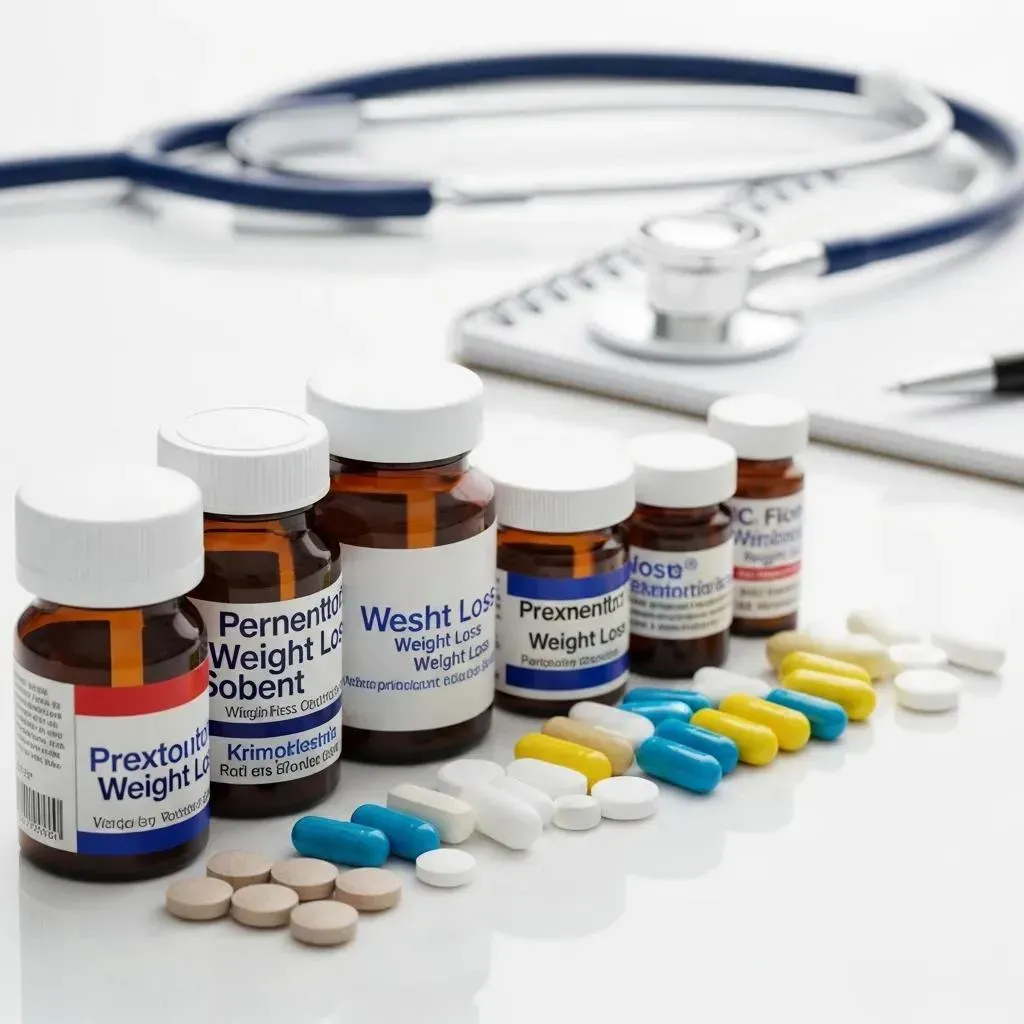
Prescription medications can be an important tool for people who haven’t reached their goals with diet and exercise alone. These drugs work in different ways—by reducing appetite, increasing fullness, or changing how the body handles food—and are prescribed when benefits outweigh risks.
How does semaglutide support weight loss?
Semaglutide is a GLP‑1 receptor agonist that helps regulate appetite and food intake. Clinical trials show people taking semaglutide often lose more weight than those on placebo, and many patients also see improvements in metabolic markers. It’s a commonly used option for medically supervised weight loss.
What are the benefits of tirzepatide and retatrutide?
Tirzepatide and retatrutide are newer therapies that build on the GLP‑1 approach. Tirzepatide is a dual GLP‑1/GIP receptor agonist approved for type 2 diabetes and shown to offer meaningful weight loss. Retatrutide is an investigational triple agonist (GLP‑1, GIP, and glucagon) currently in clinical trials and not yet approved for general use. Both treatments target appetite control and metabolic pathways, and many patients report stronger appetite suppression and significant weight reduction. They may also help with blood sugar control in people with metabolic issues.
Clinical trials report impressive results for tirzepatide in both weight reduction and blood‑sugar control.
Tirzepatide: Unmatched weight loss & glycemic control
Tirzepatide is the first dual GIP/GLP‑1 receptor co‑agonist approved for type 2 diabetes in the USA, Europe, and the UAE. It was engineered to activate GIP and GLP‑1 receptors—key mediators of insulin secretion that also affect brain regions involved in appetite. Five clinical trials in people with type 2 diabetes (SURPASS 1–5) showed tirzepatide at 5–15 mg per week reduced both HbA1c (1.24 to 2.58%) and body weight (5.4–11.7 kg) by amounts not previously seen with a single agent. Many patients reached an HbA1c of < 5.7%, and a substantial portion lost more than 10% of their starting weight.
Tirzepatide, a dual GIP/GLP‑1 receptor co‑agonist for the treatment of type 2 diabetes with unmatched effectiveness regarding glycaemic control and body weight …, MA Nauck, 2022
| Medication | Mechanism | Benefits |
|---|---|---|
| Semaglutide | GLP-1 receptor agonist | Significant weight loss, improved metabolic health |
| Tirzepatide | Dual GLP-1 and GIP receptor agonist | Enhanced appetite control, substantial weight reduction |
| Retatrutide | Triple receptor agonist (GLP-1, GIP, glucagon) | Potential improved metabolic health, effective weight loss (investigational) |
What non-surgical weight loss treatments can clinics offer?
Many clinics provide non-surgical adjuncts to a medical weight loss plan. These options aim to support metabolism and energy while you work on diet, movement, and behavior changes—without surgery.
How do B12 and Ultraburn injections aid weight management?
Vitamin B12 injections treat deficiency-related fatigue, but there’s limited evidence they cause weight loss in people who aren’t deficient. "Ultraburn" injections are blends of vitamins, amino acids, and other ingredients marketed to support energy and fat metabolism; clinical evidence for weight loss is weak. Some patients report feeling more energetic, but these injections should be considered supportive, not primary, treatments.
What is the HCG diet and how is it supervised?
The HCG diet pairs a very low‑calorie meal plan with HCG hormone administration. It’s controversial and not well supported by strong scientific evidence, and the FDA hasn’t approved HCG for weight loss. When clinics supervise it, the focus is on safety—monitoring for side effects and maintaining nutrition—but many medical professionals advise against this approach because of the risks and extreme calorie restriction.
How do clinics provide comprehensive support for long-term weight loss?
Long‑term success depends on more than a quick fix. Clinics combine medical care with counseling, coaching, and lifestyle planning so weight loss is safer and more sustainable.
What role does behavioral counseling play in weight loss?

Behavioral counseling helps you understand the thoughts and emotions that influence eating and activity. Through counseling you learn practical coping skills, goal setting, and ways to build a healthier relationship with food—tools that support lasting behavior change.
How are diet, exercise, and lifestyle changes integrated?
Clinics create balanced plans that blend realistic nutrition, gradual increases in physical activity, and lifestyle adjustments such as stress management and sleep hygiene. Plans are matched to your preferences and abilities so changes stick instead of feeling like a temporary diet.
What should you expect during a medical weight loss consultation?
A medical weight loss consultation is the first step: expect a detailed health review, measurements, and a conversation about goals. That information guides a customized plan with clear next steps and follow-up.
How are goals assessed and treatment plans customized?
During the visit, clinicians review your medical history, medications, labs, and daily routines to set realistic goals. From there they recommend a plan—nutrition, activity, behavioral support, and medication when appropriate—that fits your medical needs and personal preferences.
What are the benefits of free consultations at weight loss clinics?
Free consultations let you ask questions, learn about options, and get initial guidance without commitment. They’re a good way to compare approaches and find a clinic where you feel heard and supported.
| Service | Description | Benefits |
|---|---|---|
| Free Consultation | Initial assessment and discussion of weight loss goals | Personalized advice, no financial commitment |
| Behavioral Counseling | Support for emotional and psychological factors | Sustainable lifestyle changes, improved relationship with food |
| Customized Treatment Plans | Tailored plans based on individual needs | Enhanced effectiveness, better adherence to weight loss strategies |
Medical weight loss programs combine clinical care, individualized plans, and ongoing support to help people reach and maintain healthier weights. With options ranging from prescription medications to counseling and non‑surgical adjuncts, clinics such as Growing Younger Clinic LLC in Madison, Alabama, offer tailored care to guide you through the process.
Frequently Asked Questions
What are the potential side effects of prescription weight loss medications?
Side effects vary by medication but commonly include nausea, diarrhea, constipation, and headaches. Some drugs carry rarer but more serious risks (for example, cardiovascular concerns or pancreatitis). Your clinician will review your medical history, discuss risks, and monitor you regularly while on treatment.
How long can I expect to be on a medical weight loss program?
Duration depends on your goals and the specific plan. Some people see major improvements within months; others need longer-term care to reach and maintain results. Most programs focus on sustainable changes rather than short-term fixes, with regular follow‑ups to adjust the plan as needed.
Are there age restrictions for participating in medical weight loss programs?
Age guidelines vary by clinic and treatment. Many programs are intended for adults; some clinics also work with adolescents under parental consent. Older adults may have special considerations that clinicians will evaluate to ensure safety and appropriateness.
Can medical weight loss programs help with emotional eating?
Yes. Behavioral counseling included in many programs addresses emotional eating by helping you identify triggers and build healthier coping strategies. Working on the psychological side of eating improves long‑term outcomes.
What lifestyle changes are typically recommended in medical weight loss programs?
Typical recommendations combine balanced nutrition, increased physical activity, stress management, better sleep, and consistent follow‑up. Plans are tailored so changes are practical and sustainable for your life.
How do I choose the right medical weight loss clinic for my needs?
Look for clinics offering medical supervision, individualized plans, and behavioral support. Check provider credentials and patient reviews, and schedule a consultation to see whether their approach matches your values and comfort level.
Conclusion
Medical weight loss programs give structured, medically supervised care aimed at safe, lasting results. With options like prescription therapies, counseling, and lifestyle coaching, clinics can create a plan that fits your health and goals. If you’re ready to explore personalized, expert-led support, contact a clinic such as Growing Younger Clinic LLC to learn what’s right for you.