Back
August 8, 2026 | Jamey Wagner
Medical Weight Loss Programs and Body Contouring: A Complete Transformation Plan!
A complete transformation plan combines medically supervised weight management with targeted body contouring and personalized wellness care. The approach begins with medical assessment, then matches treatments to your goals, health, and body composition. FDA-cleared technologies, appropriate medications, lifestyle support, and careful follow-up can help you pursue sustainable health and aesthetic improvements.
You may be eating better and moving more, yet stubborn weight, loose skin, low energy, or changing body shape can still leave you searching for answers and affordable weight management programs. Is there a way out? We will look into that -
Why weight loss and body shape need different solutions
Losing weight and reshaping your body are not the same goal. Weight management focuses on health, habits, and, when appropriate, medical treatment. Body contouring focuses on specific areas and appearance. Combining them can create a more complete plan. That distinction matters because weight loss may reduce overall fat without changing every area evenly. You may reach a healthier weight and still notice stubborn pockets, skin laxity, or cellulite. That does not mean your effort failed. It means your goals have changed.
What does a medically supervised weight loss program include?
A medical weight loss program starts with your health, not a number on a scale. Your clinician may review your medical history, medications, lifestyle, weight pattern, and relevant health measures before suggesting treatment options. Depending on your health and eligibility, treatment may include nutrition guidance, physical activity, behavioral support, and prescription weight-loss medication. FDA-approved medications can be useful for some adults when combined with lifestyle changes.
The goal of these affordable weight management programs is not simply rapid weight loss. A stronger plan aims for progress you can maintain. Even a modest reduction in body weight can improve some weight-related health risks for people with overweight or obesity. If medication is considered, ask exactly which medication is being prescribed, why it fits your situation, and how you will be monitored. Avoid products sold without proper medical oversight, especially unapproved GLP-1 versions.
Why does body contouring come after weight management?
Body contouring makes more sense when your weight is relatively stable. Otherwise, continued weight changes may alter the treated area and make results harder to assess.
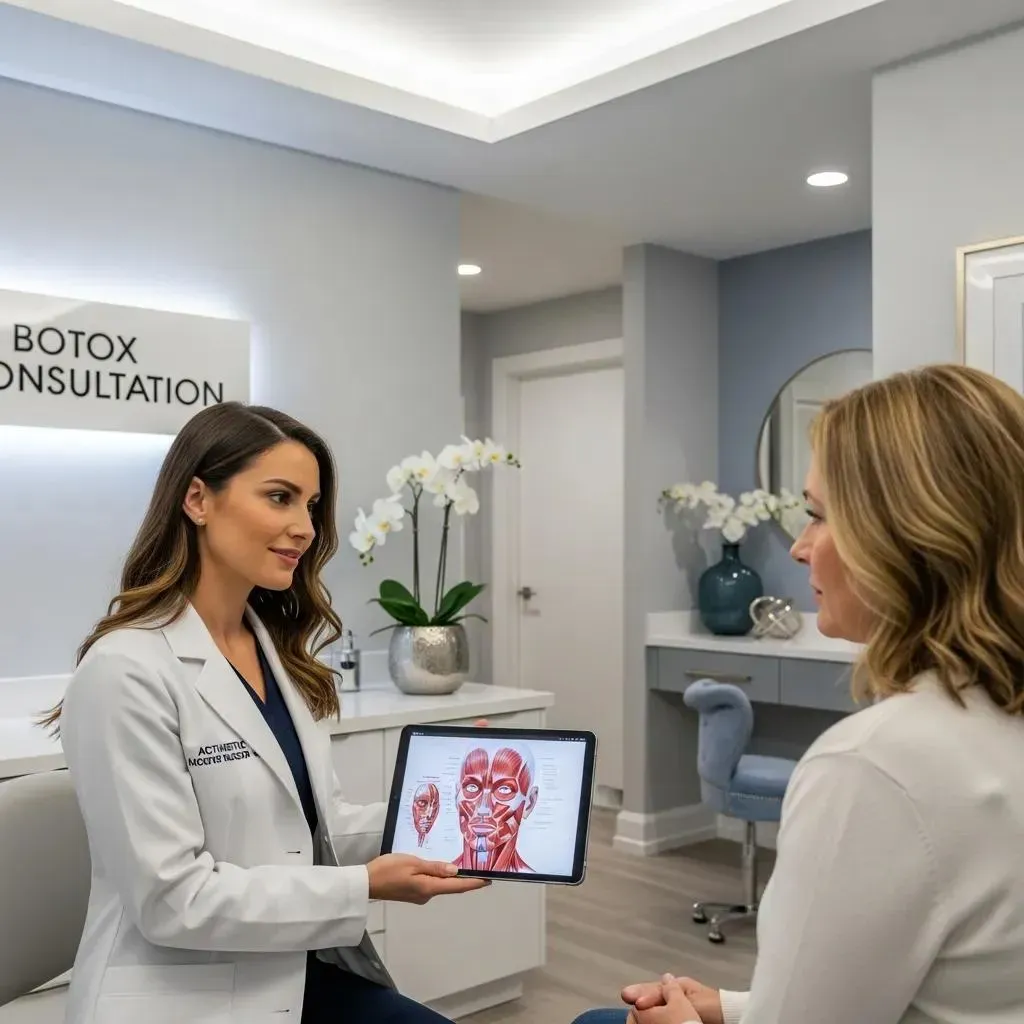
Non-invasive body contouring can target selected areas to change circumference, reduce small areas of fat, improve muscle tone, or improve the appearance of cellulite. Results vary by device, treatment area, and patient. That is where an individualized consultation earns its place. Digital imaging and measurements can help you and your clinician define realistic goals rather than chasing an edited photograph or someone else’s body shape.
What can non-surgical body contouring actually do?
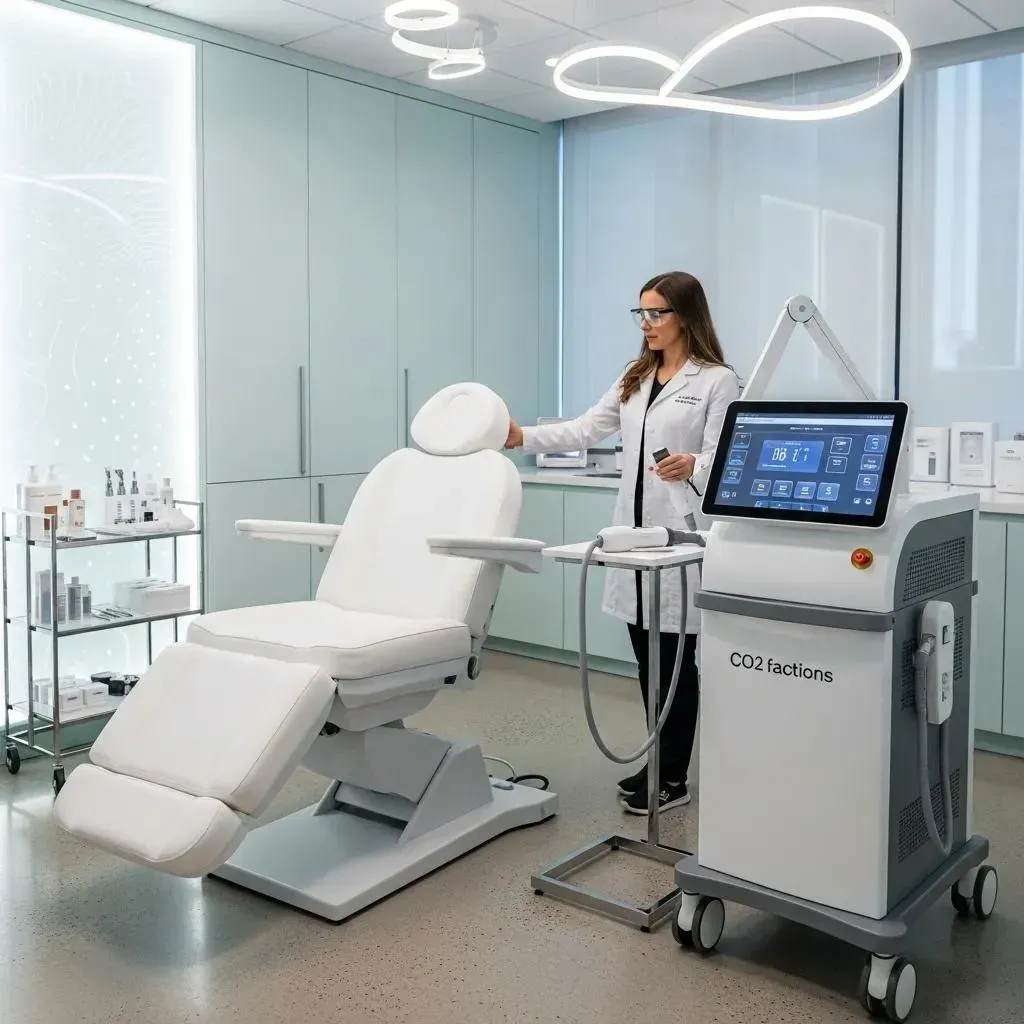
The body contouring without surgery can be useful when you are already working toward healthier habits but want to address a specific cosmetic concern. FDA-cleared technologies may use different forms of energy, including cooling, radiofrequency, ultrasound, or electromagnetic energy. Each technology has its own indication, limits, possible side effects, and expected results. The practical takeaway is simple: ask what the device is cleared to do. “FDA-cleared” does not mean every claim made about a device is automatically proven. Your provider should explain the intended use and likely outcome clearly.
Where does cellulite treatment fit?
Cellulite is extremely common. It reflects the structure of skin, connective tissue, and underlying fat. Weight loss alone does not always remove its appearance. A professional cellulite treatment may use an energy-based or other aesthetic approach designed to improve the visible texture of the skin. Your clinician should first identify whether cellulite, skin laxity, or localized fat is actually driving your concern. That small step can prevent a common mistake: choosing a treatment because it is popular rather than because it matches your anatomy and goal.
Can red light therapy support your wellness plan?
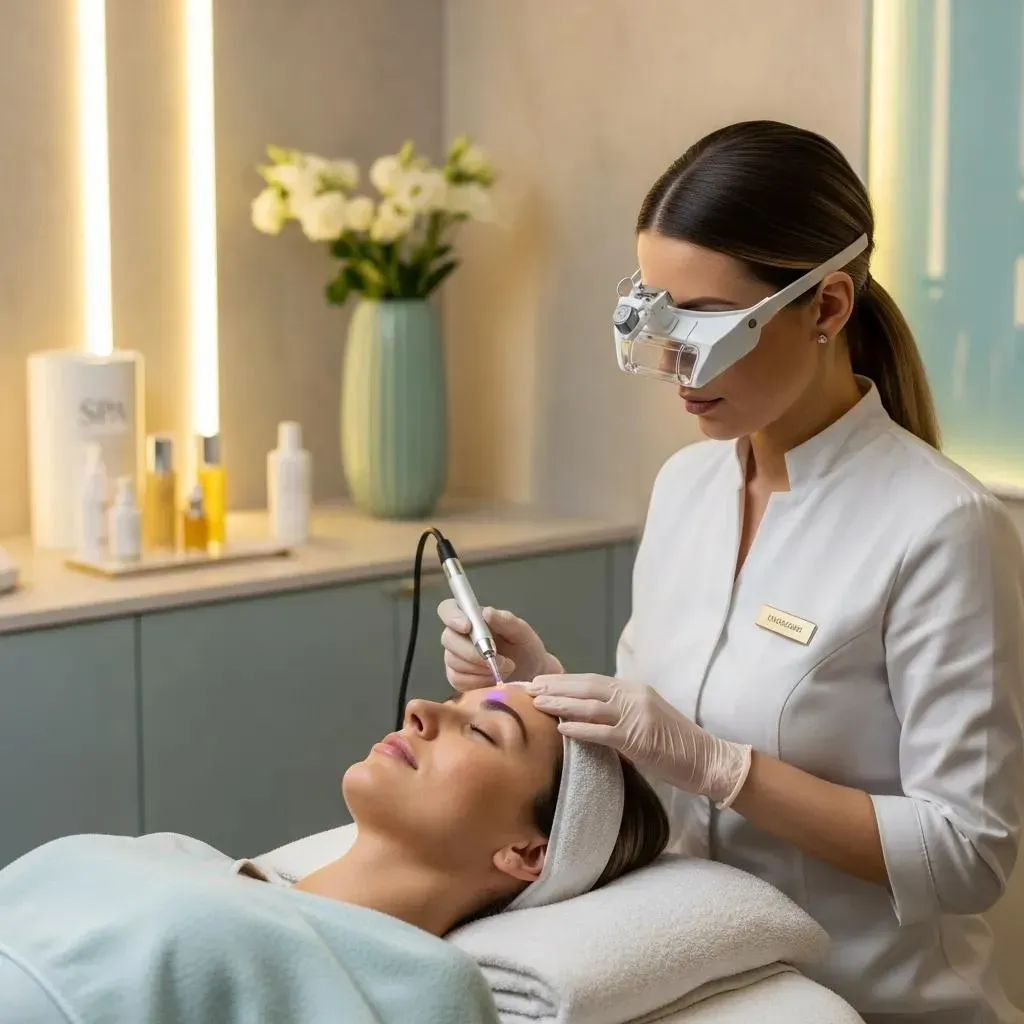
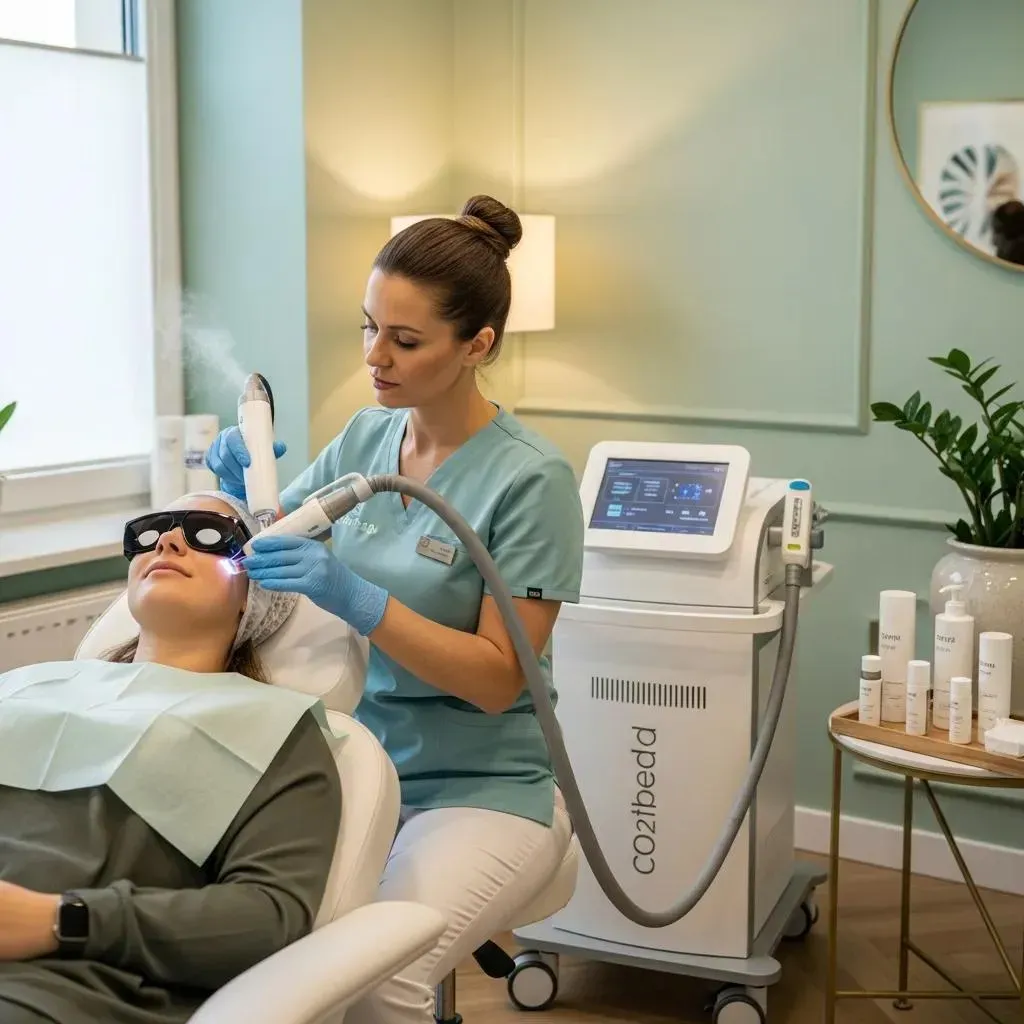
Red and near-infrared light are used in photobiomodulation, a non-invasive approach being studied for several medical and aesthetic applications. Research suggests potential benefits for skin appearance, but treatment protocols and evidence quality vary.
The health benefits of red light therapy should therefore be described carefully. It should complement a medical plan, not replace nutrition, exercise, prescribed treatment, sleep, or care for an underlying condition.
What about hormones, aging, and low energy?
Weight, energy, sleep, mood, muscle, and body composition can change with age. Hormonal changes may contribute to symptoms, but tiredness or weight gain should not automatically be blamed on “low hormones.” A proper medical assessment can help identify what is actually happening. When hormone therapy is appropriate, treatment should be based on symptoms, medical history, risks, benefits, and an FDA-approved option when available. That is why a wellness plan should look beyond appearance. Your clinician may need to consider sleep, medications, nutrition, activity, metabolic health, menopause-related symptoms, and other factors before choosing a treatment.
How should you build your complete transformation plan?
Think of your plan as four connected steps: assess, treat, reshape, maintain. First, complete a medical consultation and establish measurable goals. Next, address weight and wellness with evidence-based strategies suited to your health. Then, consider body contouring for specific aesthetic concerns. Finally, maintain the habits that support your
results. This approach also makes your progress easier to judge. Instead of asking, “How fast can I change?” ask, “What measurable improvement are we targeting, and how will we track it?”
How can you choose the right weight loss options near you?
Searching for weight loss options near me is easy. Finding medically responsible care takes more work. Look for physician oversight, clear eligibility criteria, documented medical assessments, appropriate medication monitoring, FDA-cleared devices, realistic
outcome discussions, and a plan for follow-up. Be cautious when a clinic promises dramatic results for everyone. Good medical care includes boundaries. Some treatments
will not be suitable for you, and a trustworthy clinician should be comfortable saying so.
What makes a personalized medspa approach different?
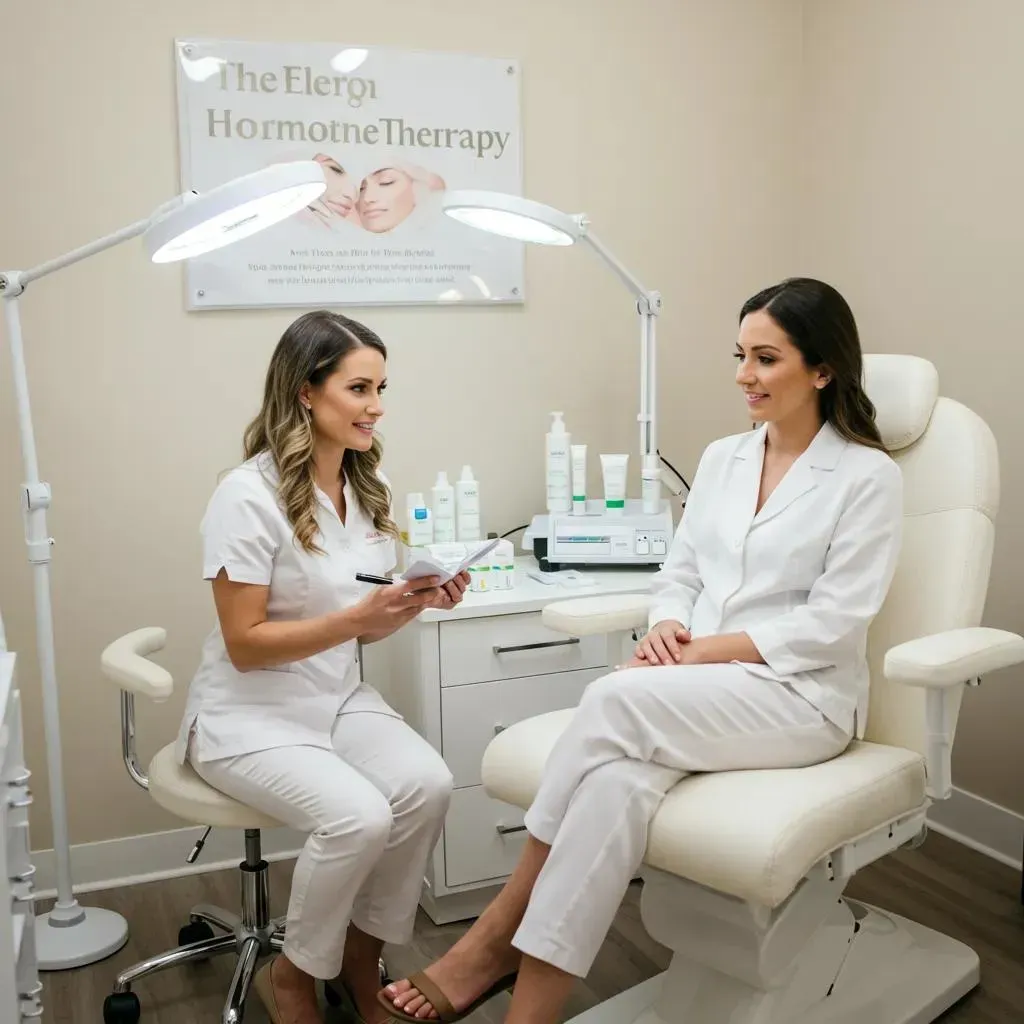
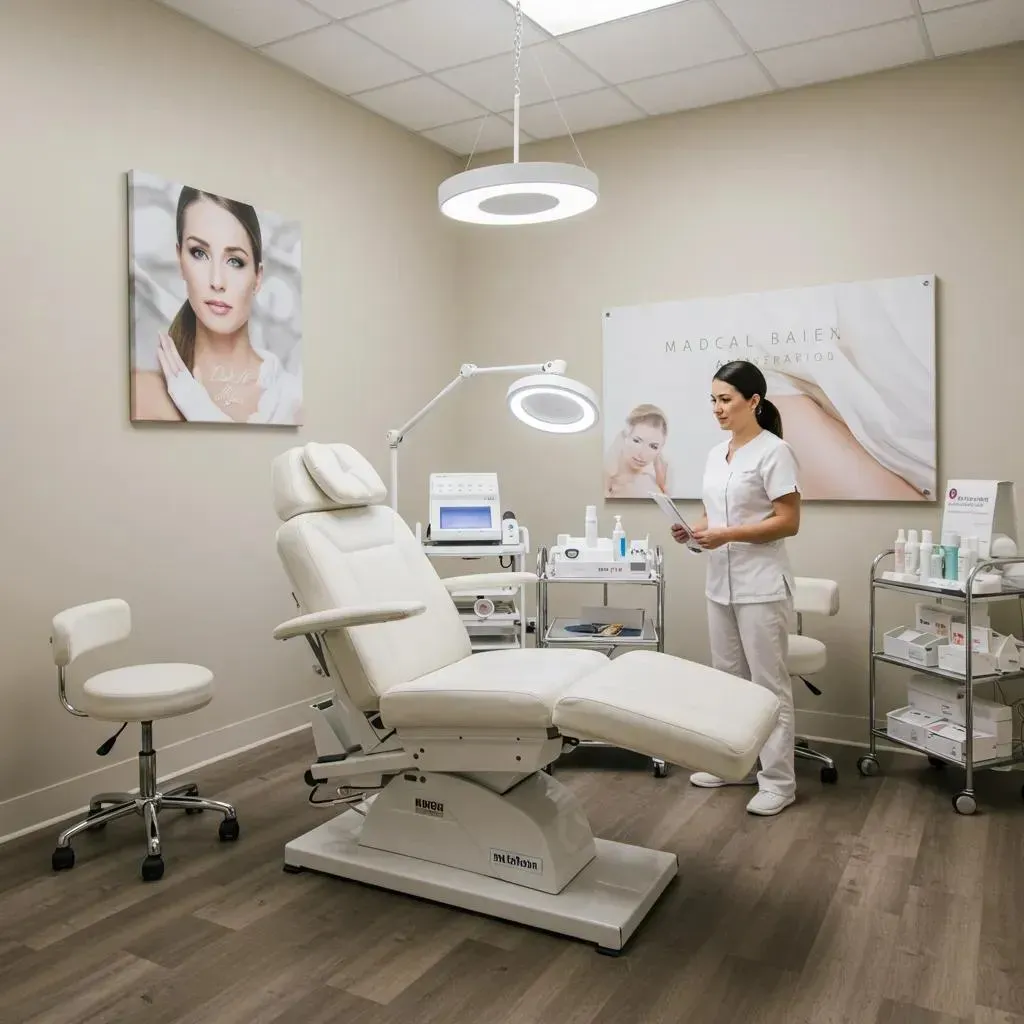
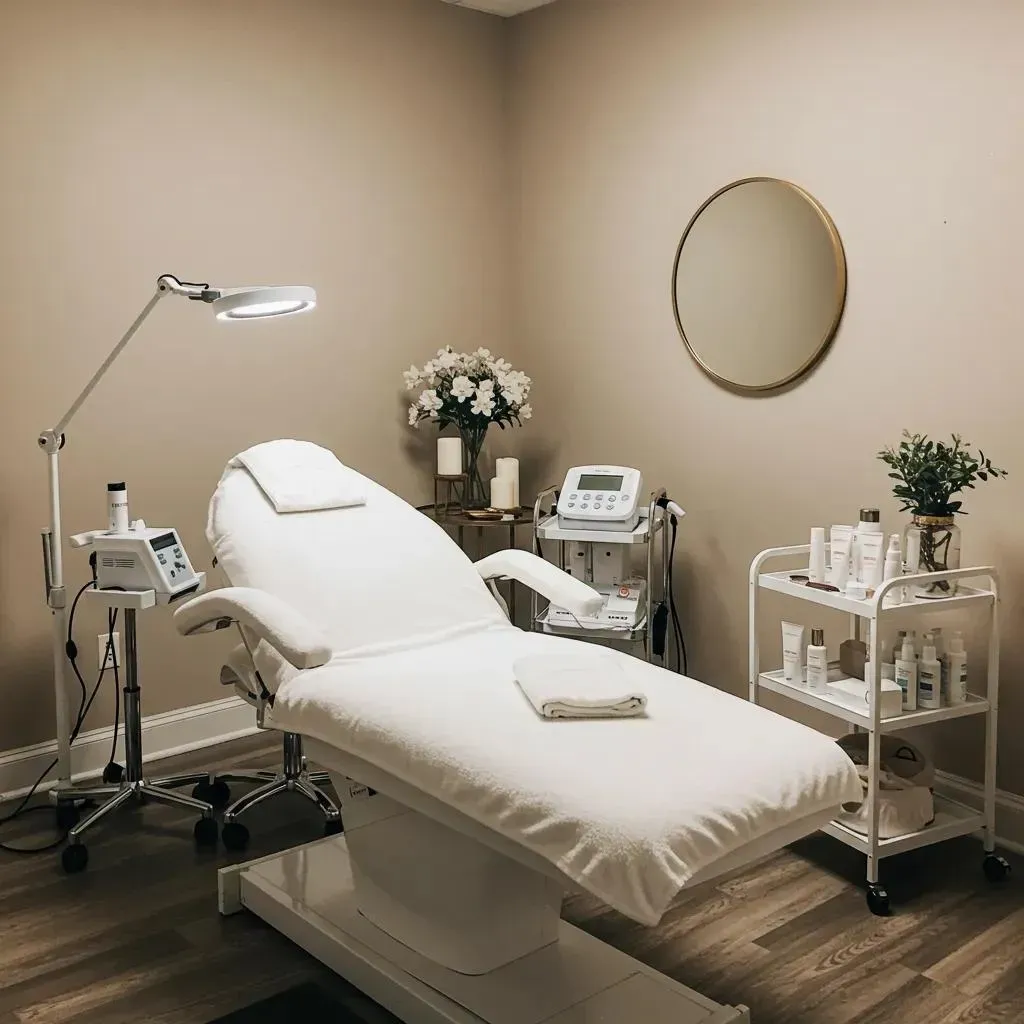
A modern medical spa can connect aesthetic care with broader wellness goals. The stronger model does not treat your face, body, weight, and energy as unrelated problems. A physician-led clinic can combine consultation, digital imaging, medical assessment, aesthetic technology, and wellness planning. That creates one clearer picture of where you are now and what you want to improve. Convenience matters, too. Options with little or no downtime may fit more easily around work and family life. Financing may also make a personalized treatment plan easier to manage.
Your transformation plan should still feel like your plan
There is no universal “best” combination of weight loss medication, body contouring, hormone therapy, or aesthetic treatment. Your medical history and goals should shape the decision. The best plan is one you understand. You should know what each treatment does, what it cannot do, how long results may take, what side effects to watch for, and when follow-up is needed.
Final Takeaway
Medical weight loss and body contouring solve different problems, but they can work together within a thoughtful wellness plan. Start with medical assessment, choose evidence-based treatment, set realistic goals, and track progress over time. At our family-owned clinic, Growing Younger Clinic, we help you build a personalized plan; email info@growingyoungerclinic.com or call (256) 325-6398 to schedule your consultation.
Frequently Asked Questions
Can weight loss medication and body contouring be combined?
They can sometimes be combined, but timing matters. Your clinician should consider your health, weight stability, treatment goals, medications, and the specific contouring technology.
Is body contouring a replacement for weight loss?
No. Body contouring is designed for targeted aesthetic changes. It does not replace nutrition, physical activity, medical weight management, or treatment for obesity.
Are non-invasive body contouring treatments permanent?
Results vary. Some effects may be temporary, and future weight changes can alter your appearance. Your provider should explain expected durability before treatment.
Should you check your hormones before starting treatment?
Sometimes. Hormone testing is not automatically needed for every person with weight gain or fatigue. Your clinician should decide based on symptoms and medical history.
How do you know whether a medspa is medically responsible?
Look for physician oversight, individualized assessment, clear treatment indications, realistic claims, informed consent, appropriate follow-up, and transparent discussion of risks and alternatives.