Back
June 29, 2026 | Jamey Wagner
CO2 Laser Resurfacing Benefits for Wrinkles, Scars and Sun Damage!
CO2 laser resurfacing is a physician-supervised skin rejuvenation treatment that improves wrinkles, acne scars, uneven texture, and sun damage by stimulating collagen renewal. The best outcomes come from personalized evaluations, FDA-cleared technology, proper aftercare, and a holistic approach that supports both skin health and overall wellness.
Many people make the mistake of believing that creams and home remedies can completely erase deep wrinkles, acne scars, and years of sun damage. While skincare products support healthy skin, certain concerns require advanced solutions like CO2 laser resurfacing treatment to create noticeable skin renewal.
Aging skin tells your story, but that does not mean you have to accept every line, scar, or spot without options. Modern medical aesthetics now offer safe, physician-supervised treatments that help refresh your skin, improve texture, and restore a healthier appearance.
What Is CO2 Laser Resurfacing and How Does It Improve Your Skin?
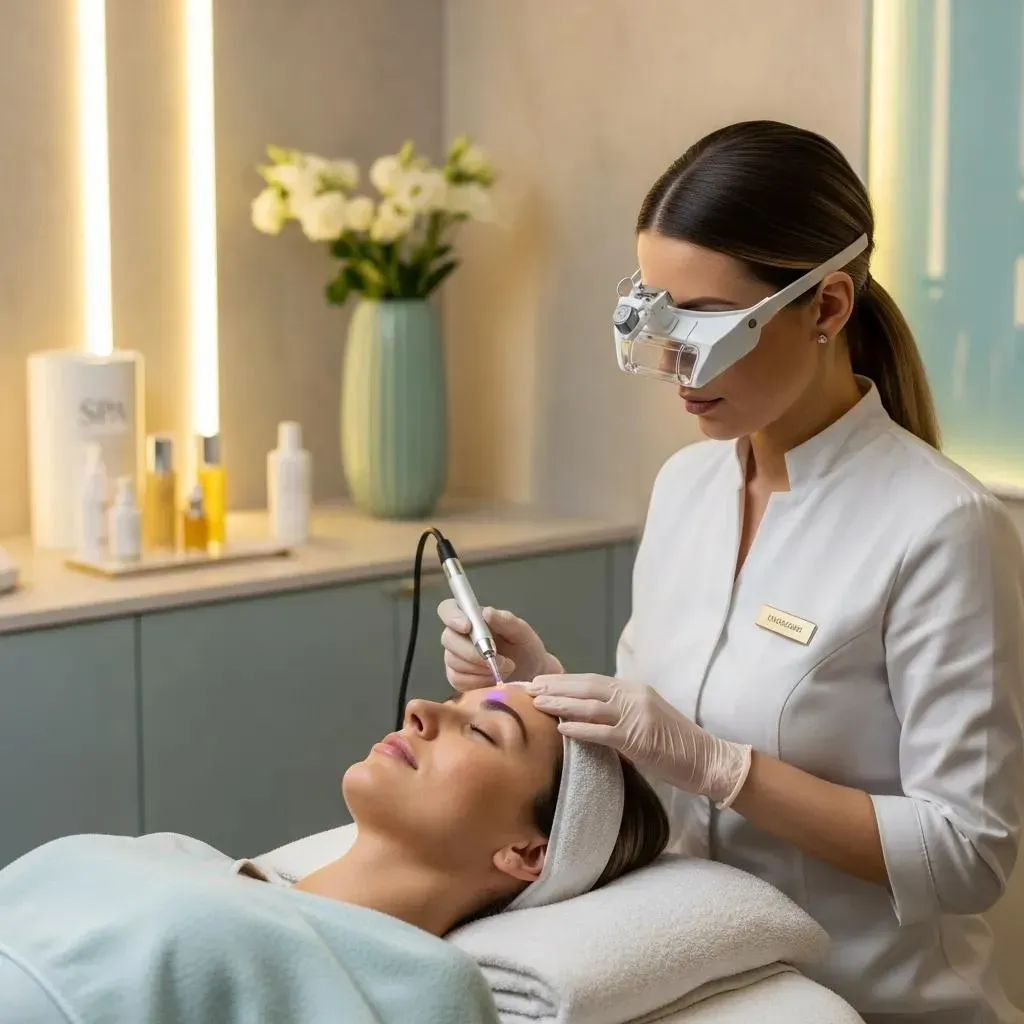
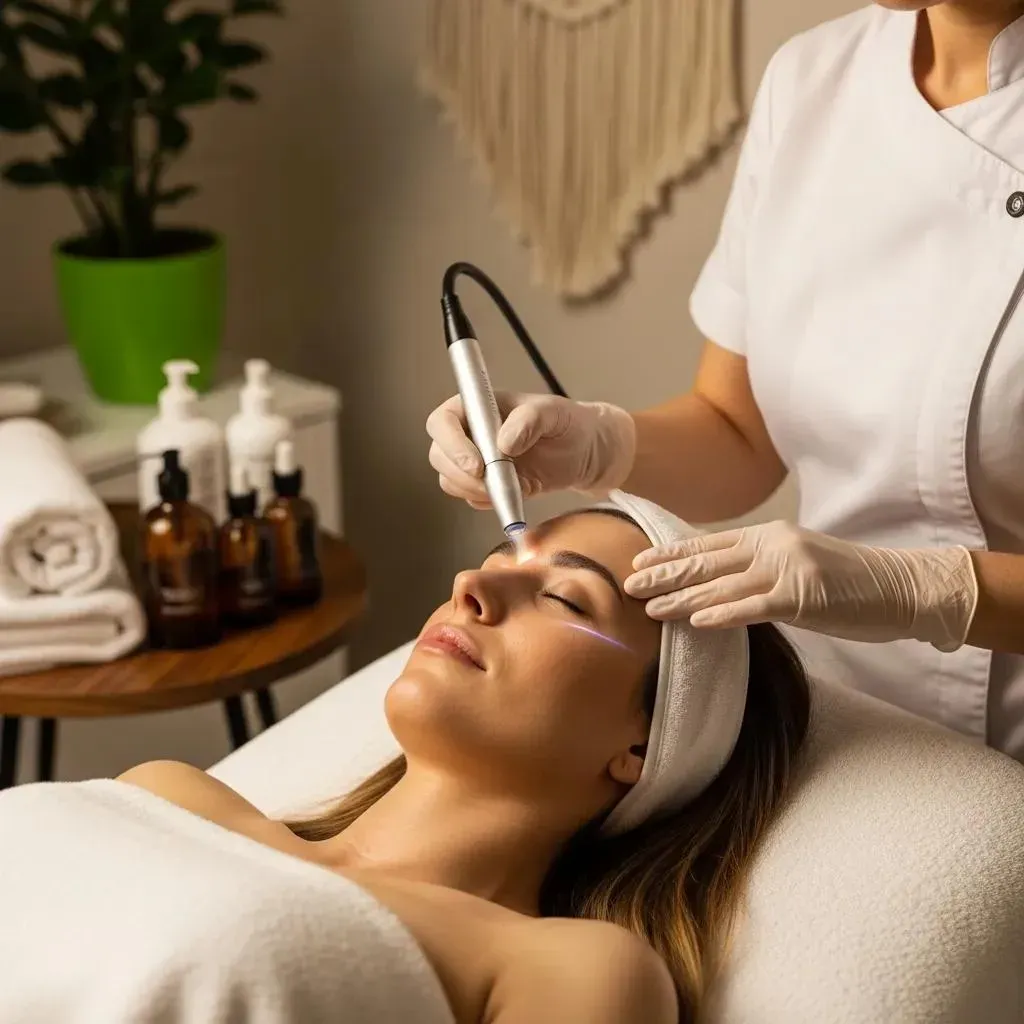
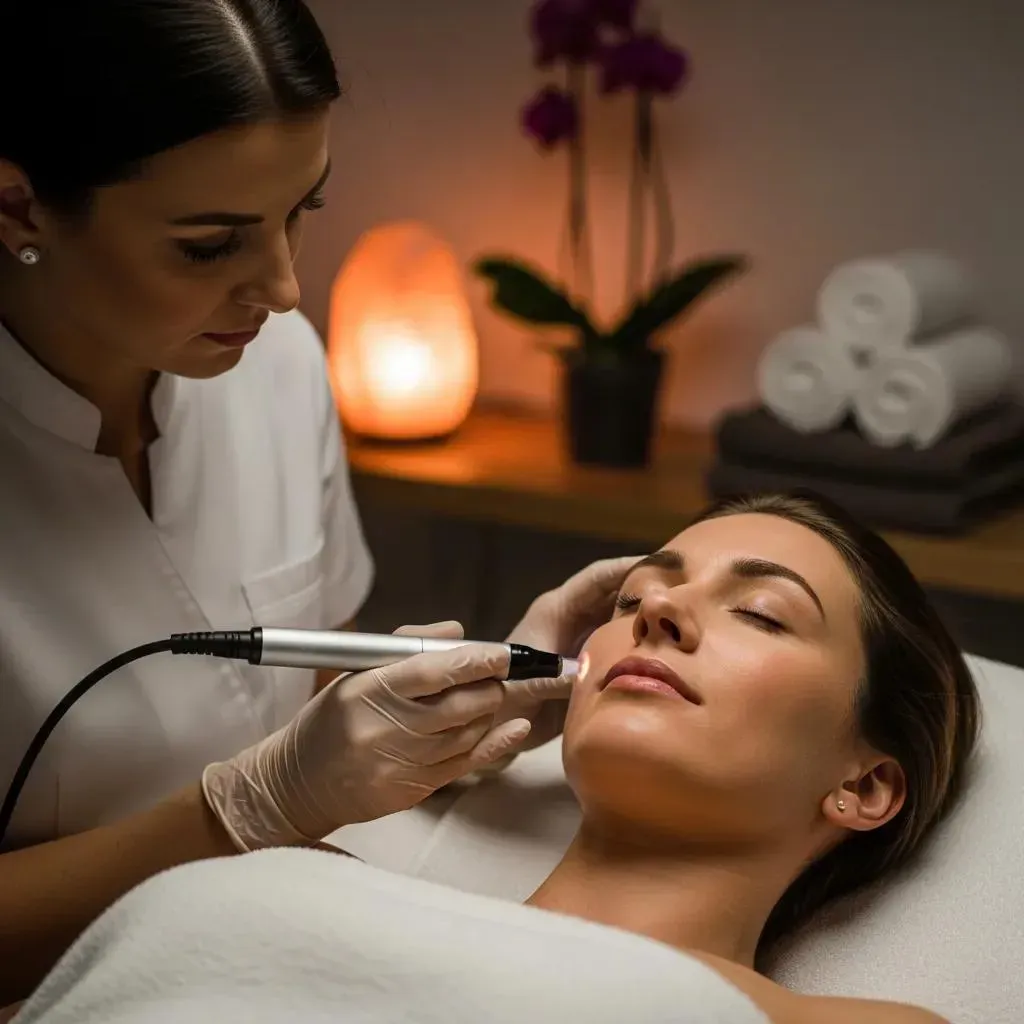
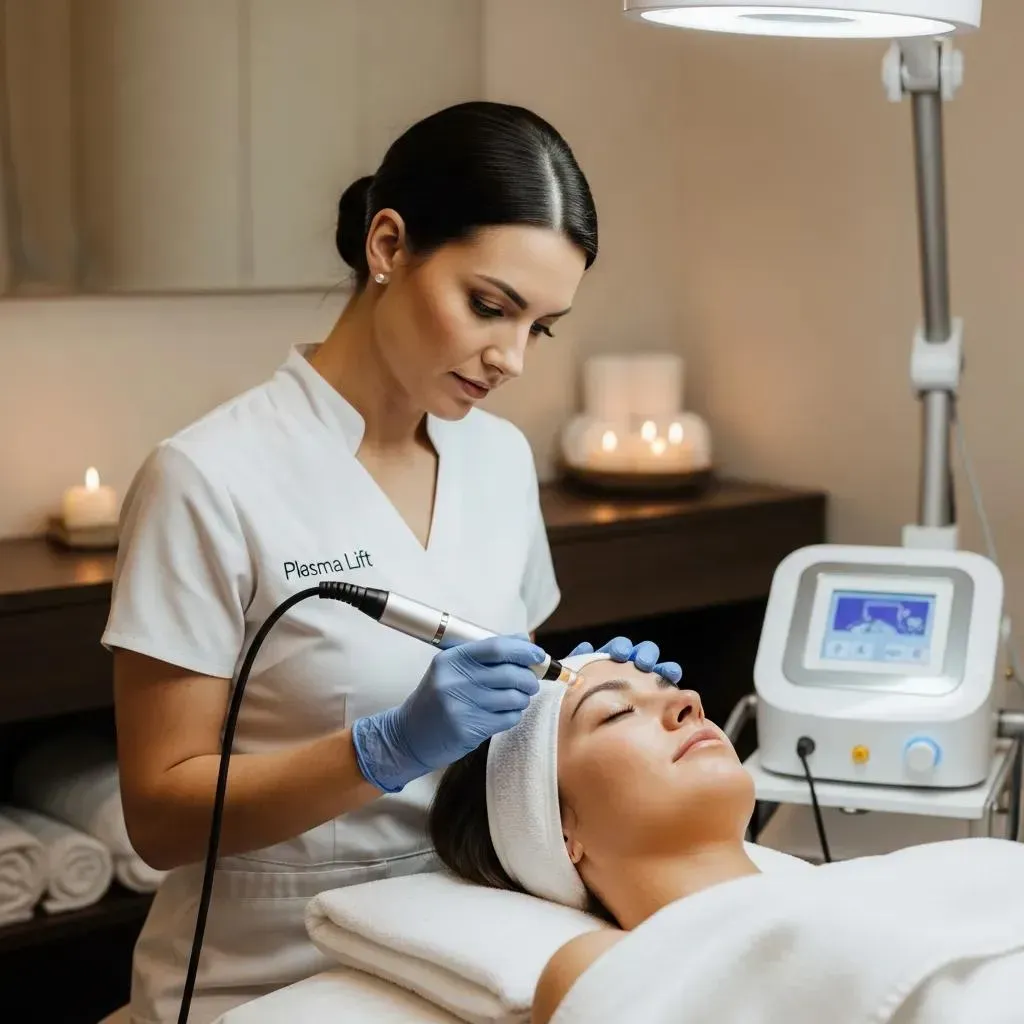
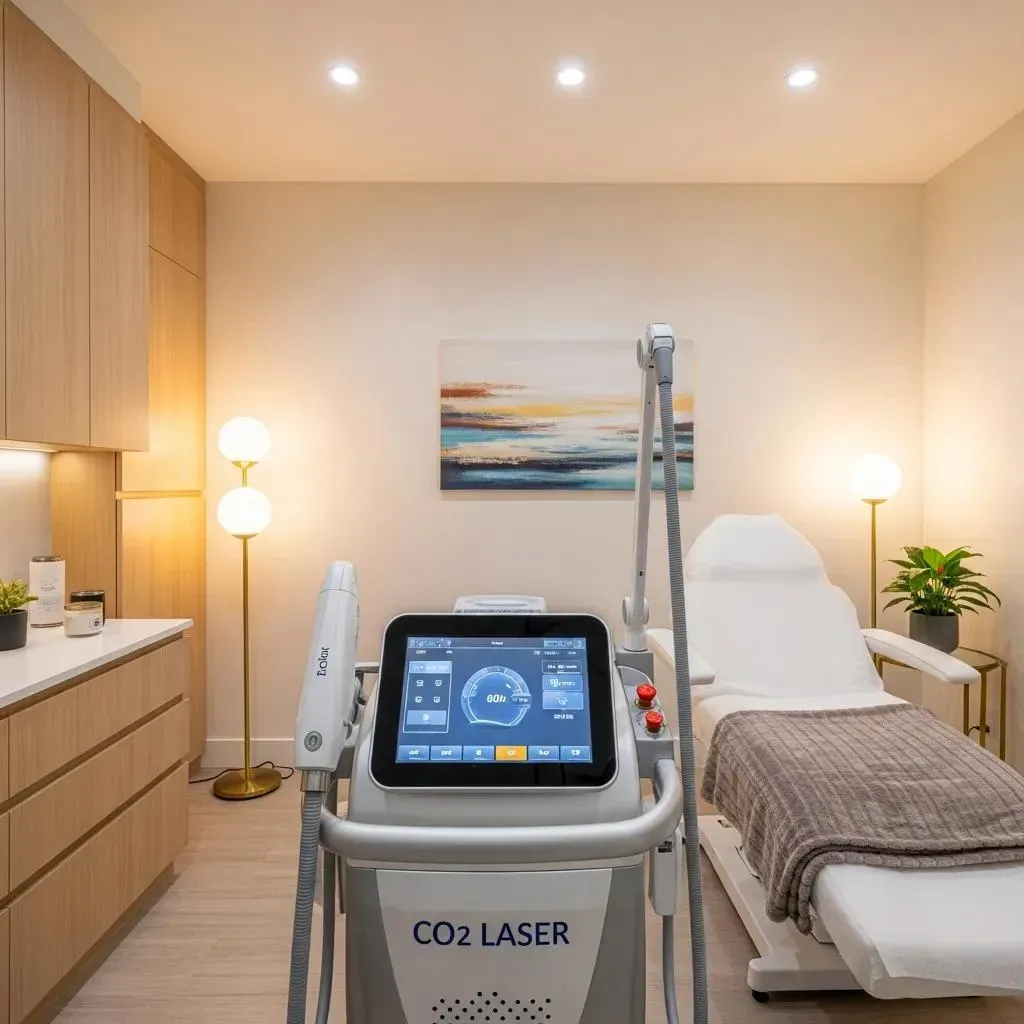
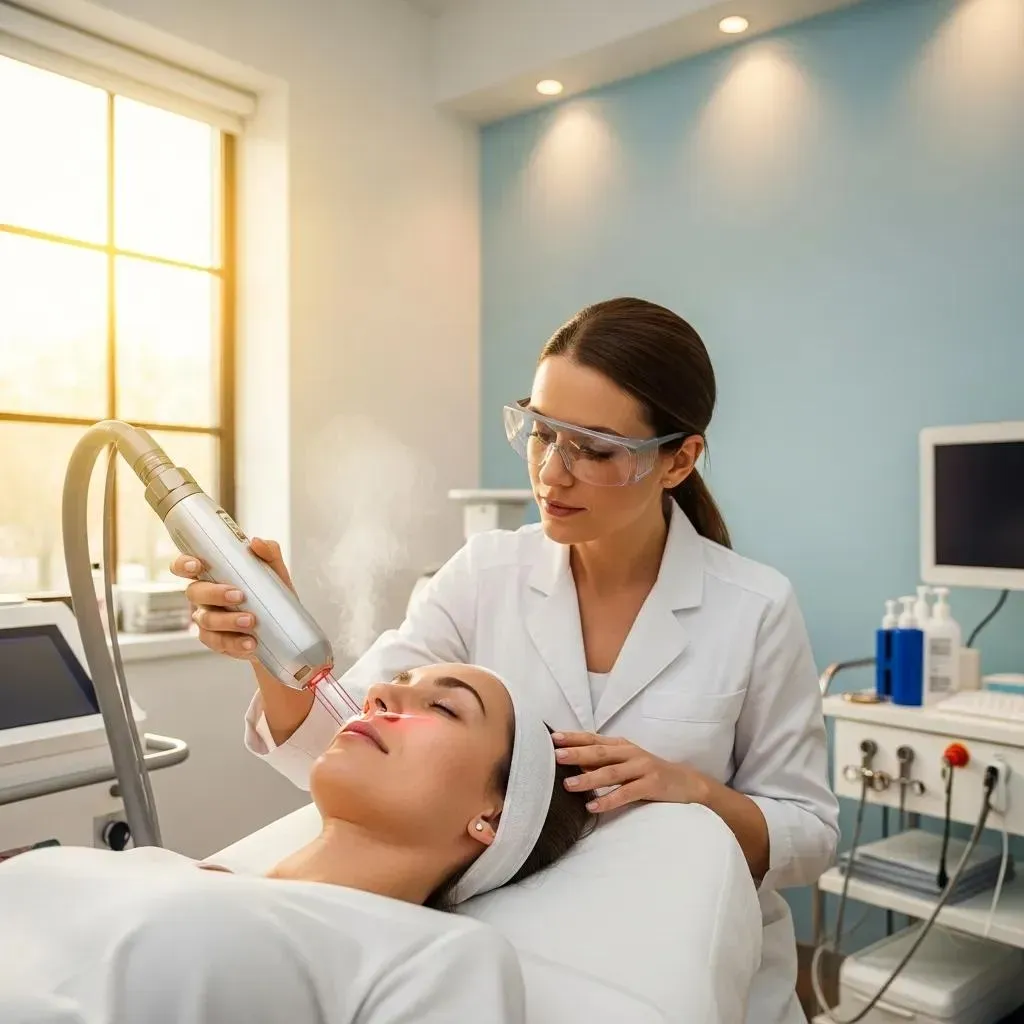
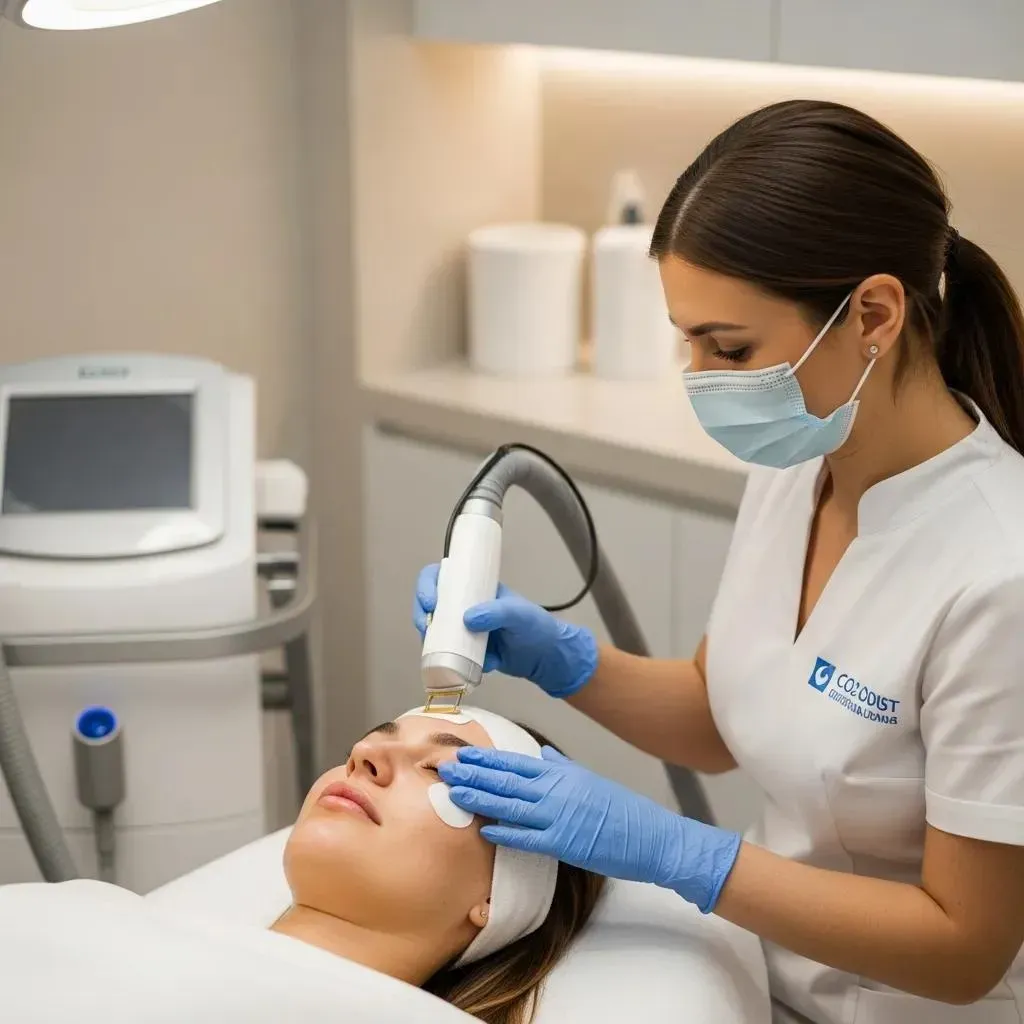
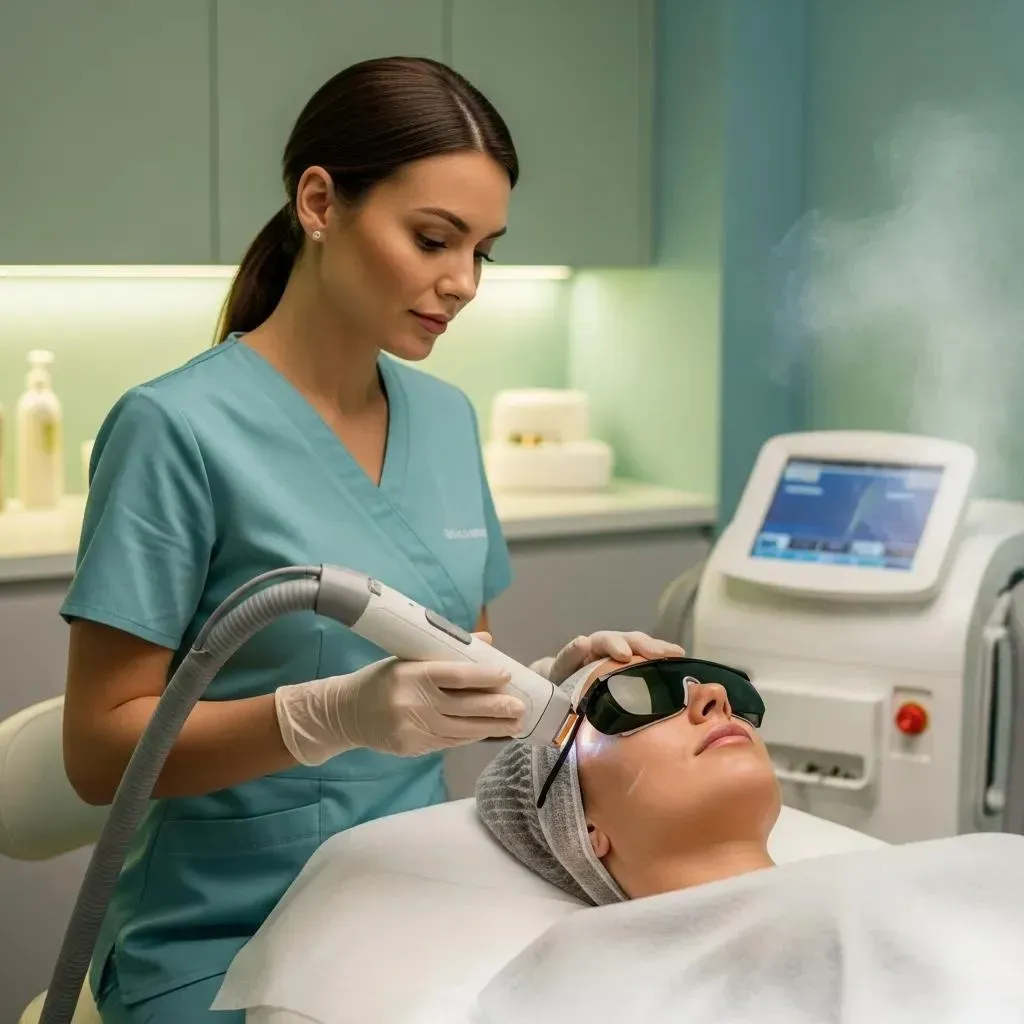
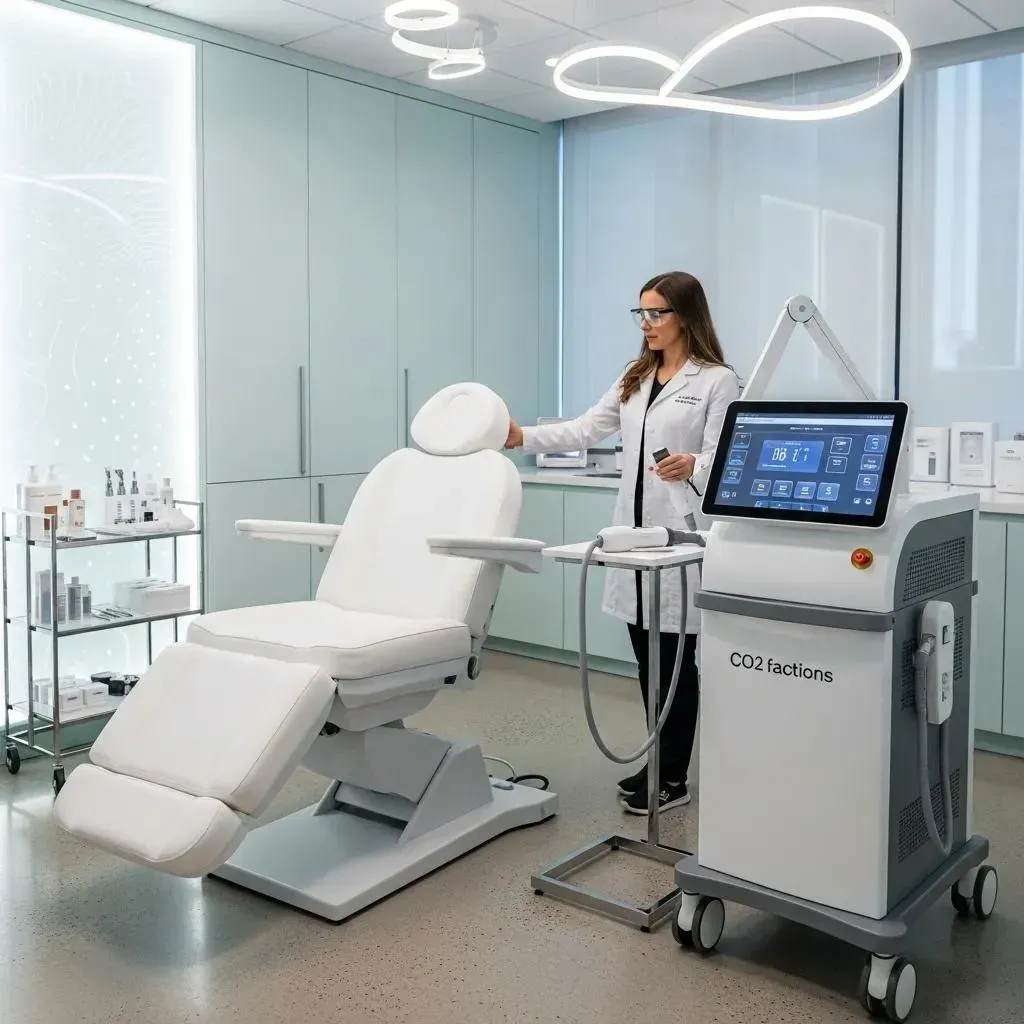
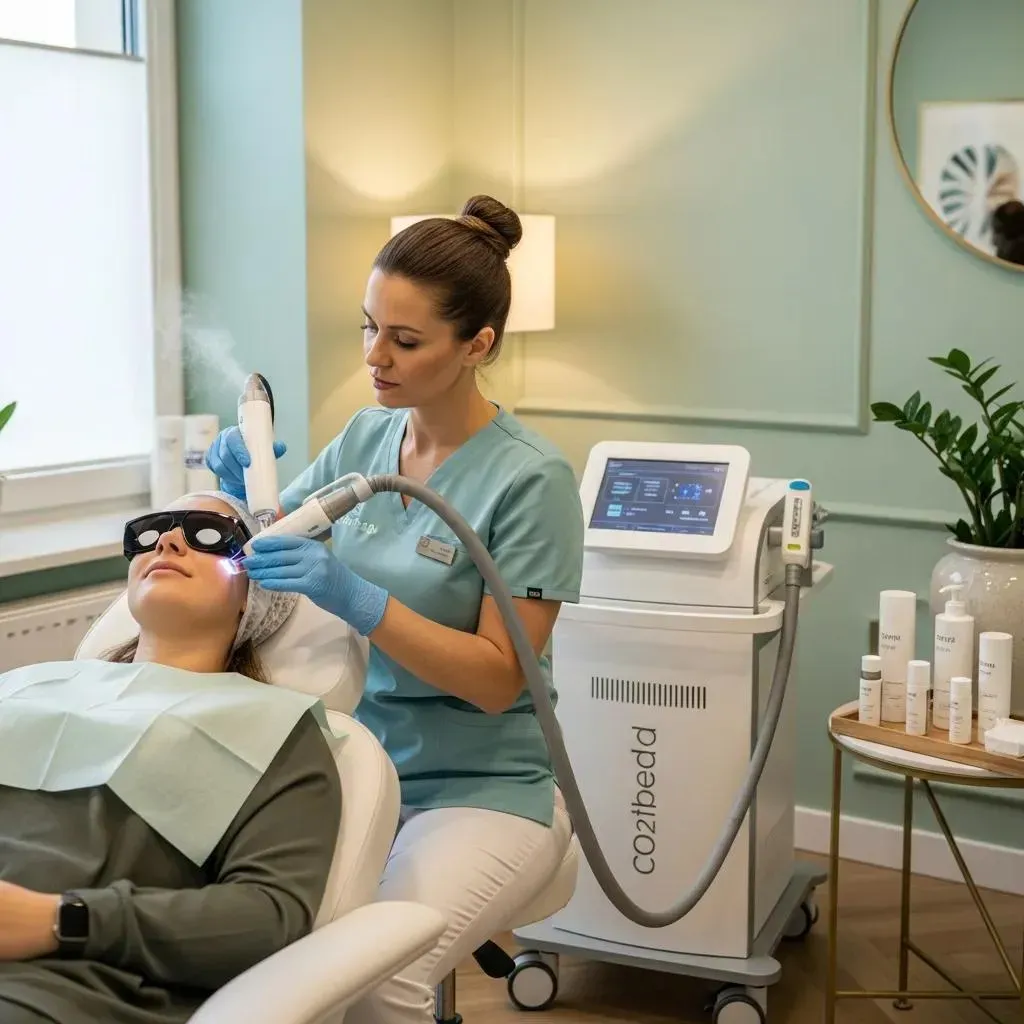
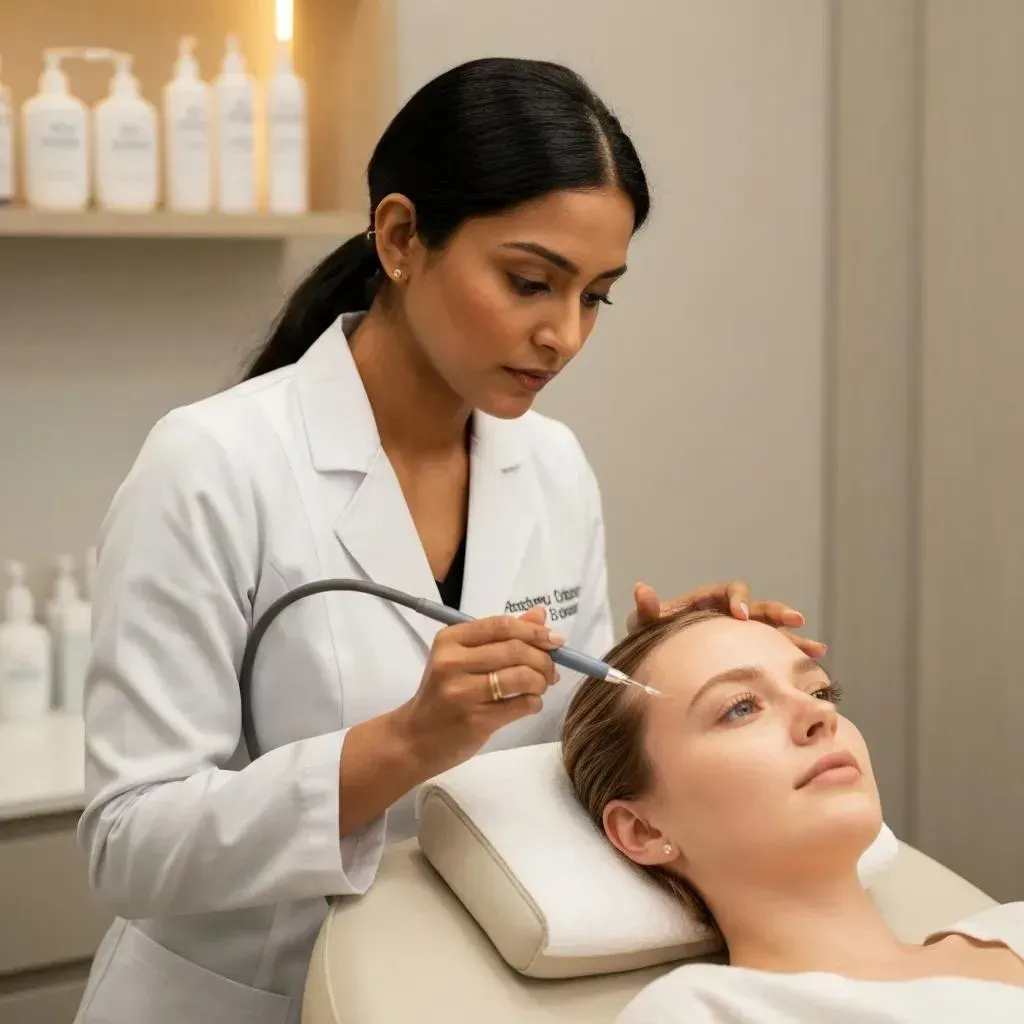
CO2 laser resurfacing is an advanced skin rejuvenation procedure that uses concentrated carbon dioxide laser energy to remove damaged outer layers of skin while stimulating your body’s natural healing process and collagen production.
Think of your skin like a book with many pages. Over time, some pages become worn, stained, or marked. The laser carefully removes damaged layers, allowing healthier and smoother skin to replace them during the healing process.
The treatment targets multiple concerns at once. It can reduce fine lines, soften deeper wrinkles, improve acne scars, minimize uneven texture, and decrease visible signs caused by long-term sun exposure.
One lesser-known benefit of CO2 laser technology is its ability to trigger collagen remodeling for several months after treatment. This means your skin may continue improving even after the initial recovery period is complete.
Why Does Collagen Loss Make Aging Signs More Visible?
Collagen is the structural protein responsible for keeping your skin firm, smooth, and resilient. Starting in adulthood, natural collagen production gradually slows down, causing the skin to become thinner and less elastic.
As collagen decreases, wrinkles become more noticeable, especially around the eyes, mouth, and forehead. Sun exposure can accelerate this process by breaking down collagen fibers and creating pigmentation changes.
This is why treating only the surface may not provide long-lasting improvement. Effective skin rejuvenation often involves stimulating deeper layers where collagen formation naturally takes place.
The Power of CO2 Laser Resurfacing Treatment for Wrinkles and Fine Lines
Wrinkles form due to a combination of facial movement, reduced collagen, environmental exposure, and the natural aging process. CO2 laser resurfacing addresses these changes by encouraging new skin growth and improved structural support.
The result is not a frozen or artificial appearance. Instead, many patients notice softer lines, smoother skin texture, and a fresher look that still reflects their natural facial features.
A board-certified aesthetic physician, explains, “The best skin rejuvenation treatments do not aim to change who you are. They focus on restoring healthier skin quality by working with your body’s natural healing mechanisms.”
A detailed medical consultation remains essential because treatment settings, recovery time, and expected outcomes vary based on your skin type, concerns, and overall health.
Can CO2 Laser Help Improve Acne and Surgical Scars?
Scars develop when your skin heals after injury or inflammation. However, the repaired tissue may have an uneven texture compared with surrounding healthy skin, creating indentations or irregular surfaces.
CO2 laser resurfacing works by removing microscopic columns of damaged skin and promoting new collagen formation within the treated areas. This process can make many acne and certain surgical scars appear smoother and less noticeable.
A fascinating fact many people do not know is that older scars can also respond to laser treatments. The age of a scar does not always determine whether improvement is possible; its depth, type, and individual skin response matter more.
Is It the Right Laser Treatment for Sun-Damaged Skin?
Years of ultraviolet exposure can leave behind more than dark spots. Sun damage can cause rough texture, uneven tone, fine lines, and a loss of skin elasticity that makes the skin appear older.
For suitable candidates, laser treatment for sun damaged skin can remove damaged surface layers and encourage healthier skin regeneration. This creates a more balanced complexion with improved smoothness and clarity.
However, sun protection remains a lifelong responsibility. Wearing broad-spectrum sunscreen and following a professional skincare routine helps protect the results achieved after laser procedures.
What Makes MD-Supervised CO2 Laser Treatments Different?
The success of a laser procedure depends on more than the device itself. Your skin type, medical history, lifestyle, and personal goals all influence how your treatment should be planned.
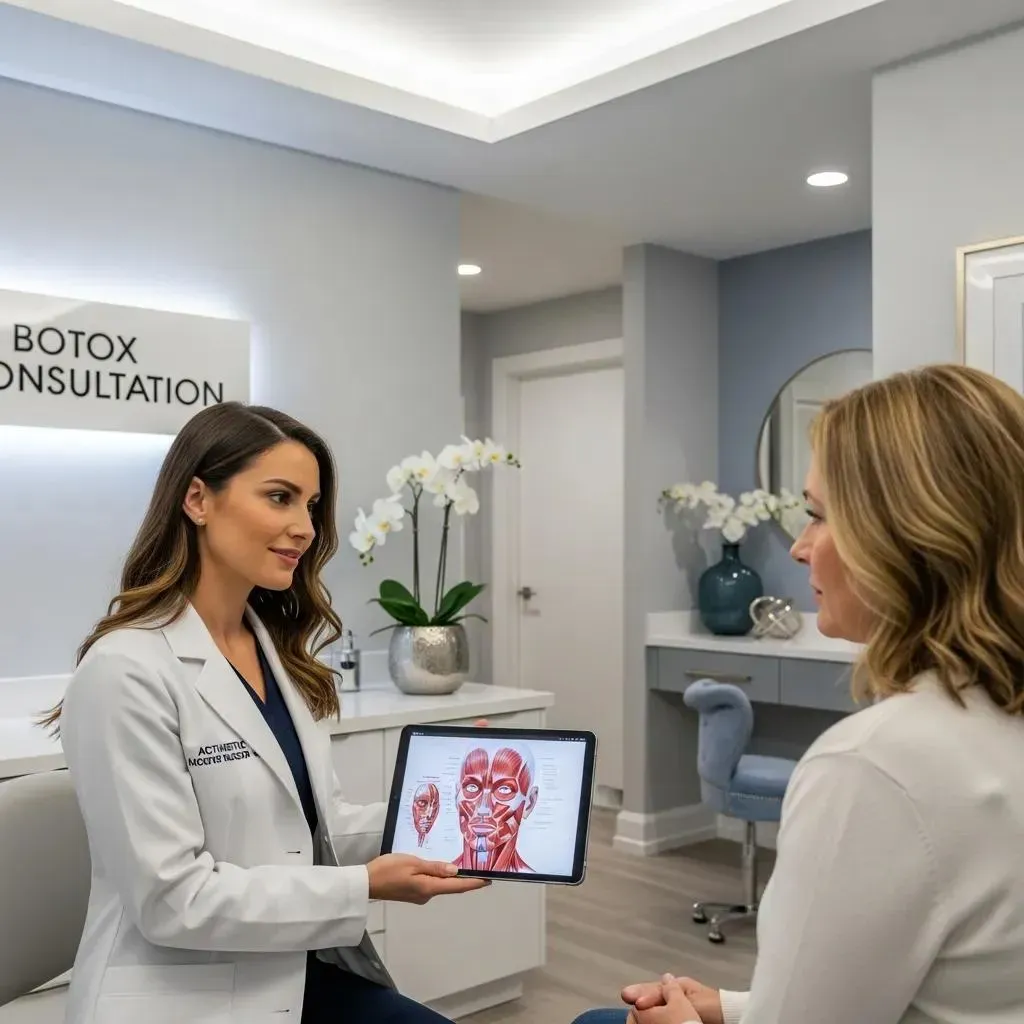
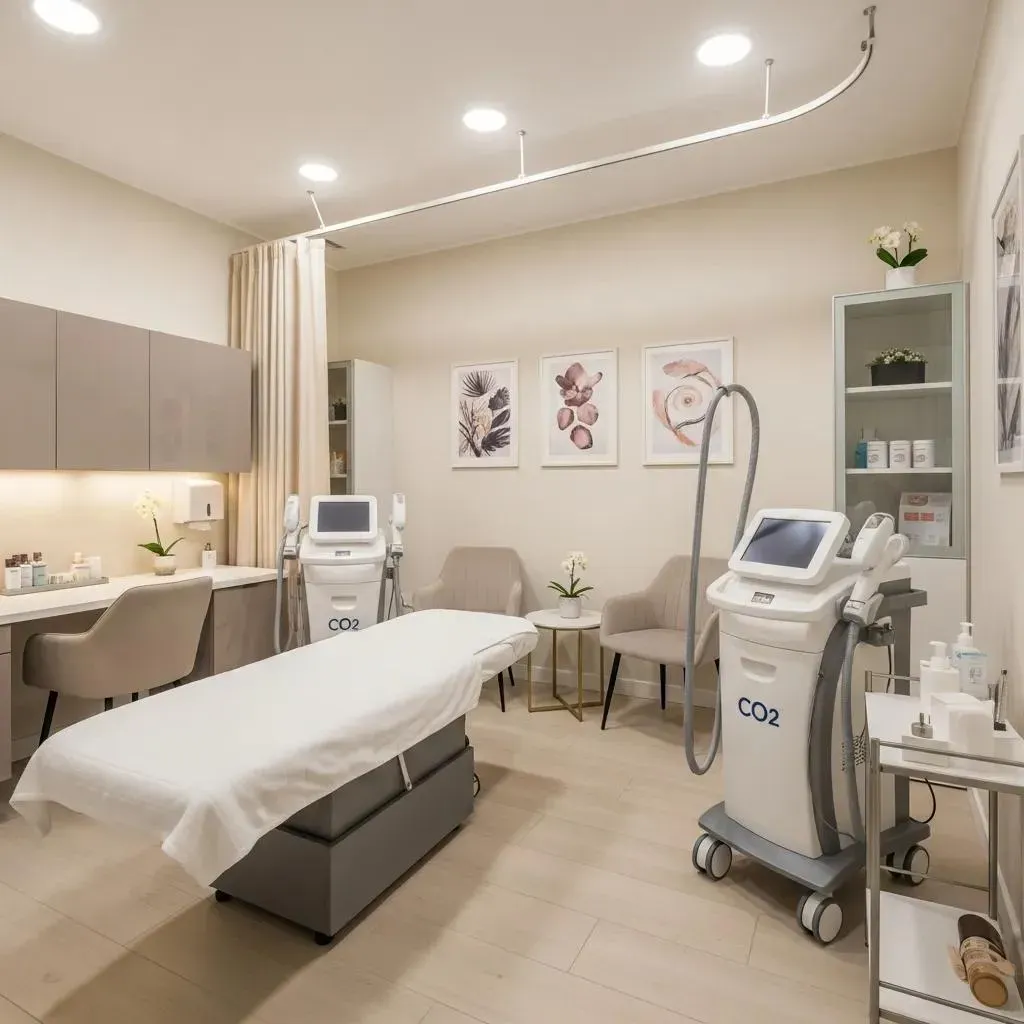
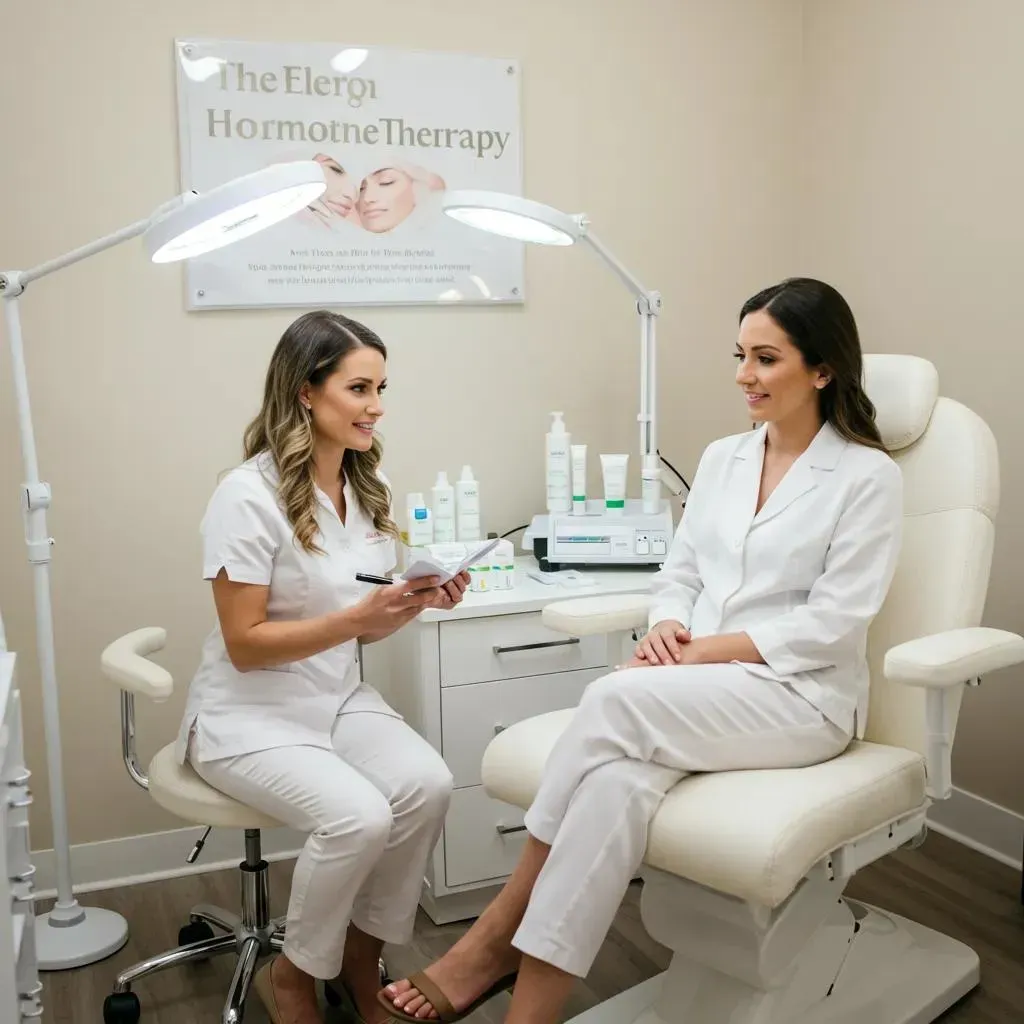
That is why physician-led medical spas focus on detailed consultations, digital skin imaging, and medical evaluations before creating a treatment plan. A personalized approach helps identify the safest settings and realistic outcomes for your unique skin.
Another surprising fact is that your internal health can influence how your skin ages and heals. Factors like hormones, nutrition, stress, and overall wellness play a role in your skin’s appearance and recovery capacity.
A truly integrative approach considers both external beauty and internal vitality. Supporting healthy skin may include addressing wellness factors such as energy levels, hormone balance, and sustainable weight management alongside aesthetic treatments.
What Should You Expect During and After Your CO2 Laser Session?
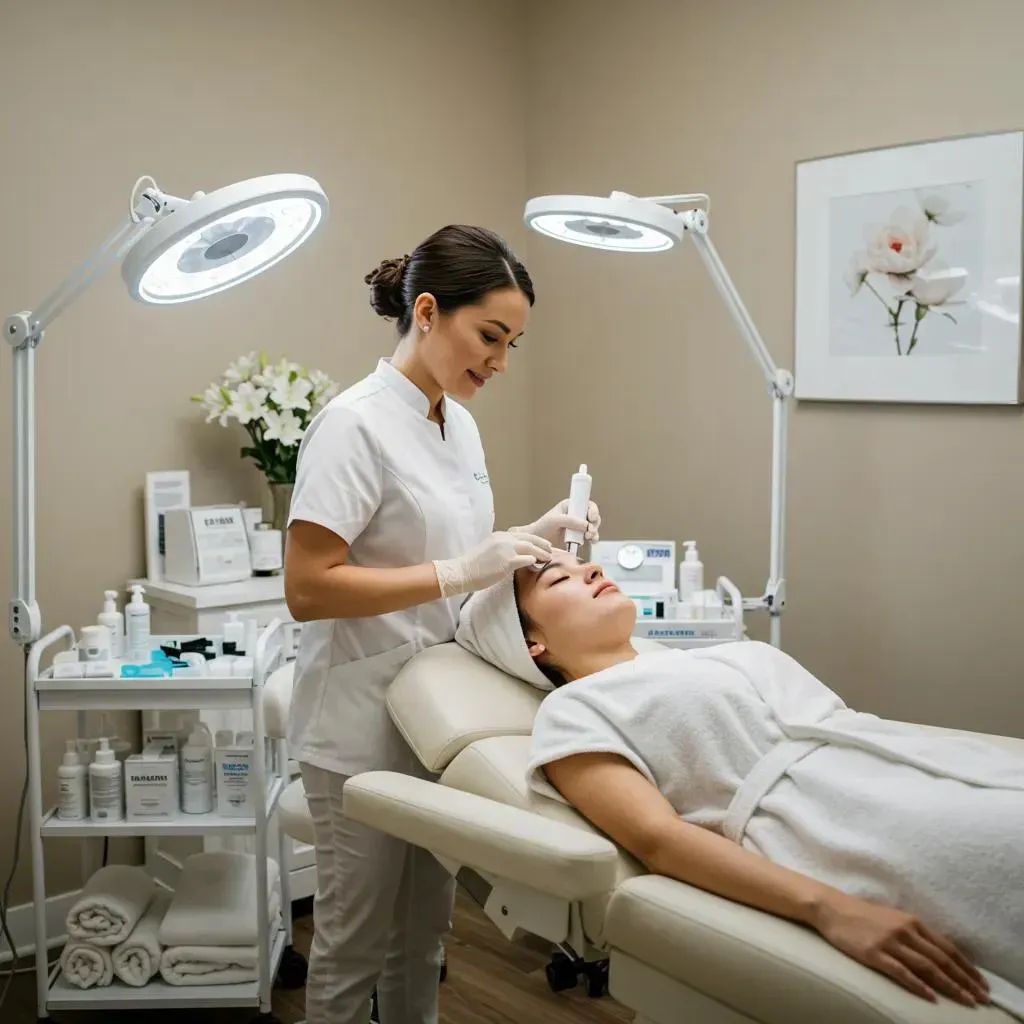
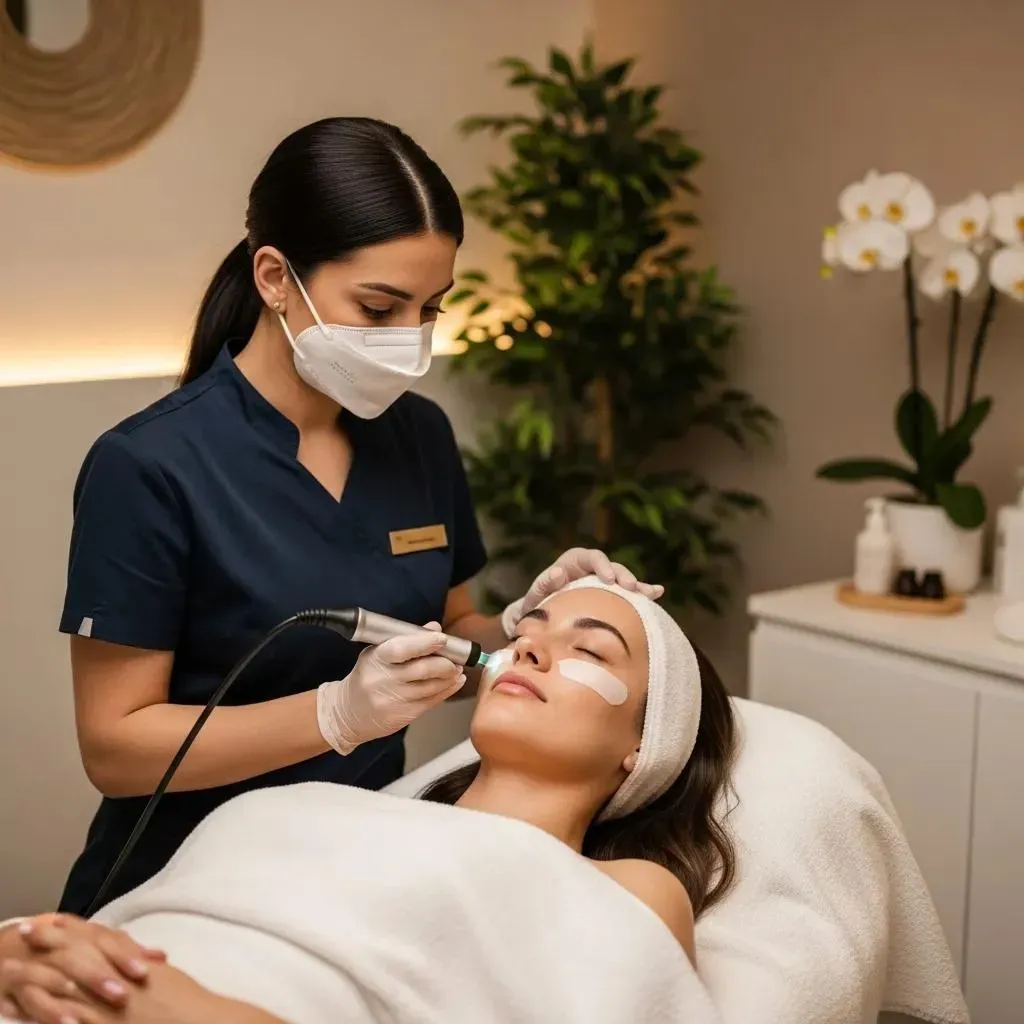
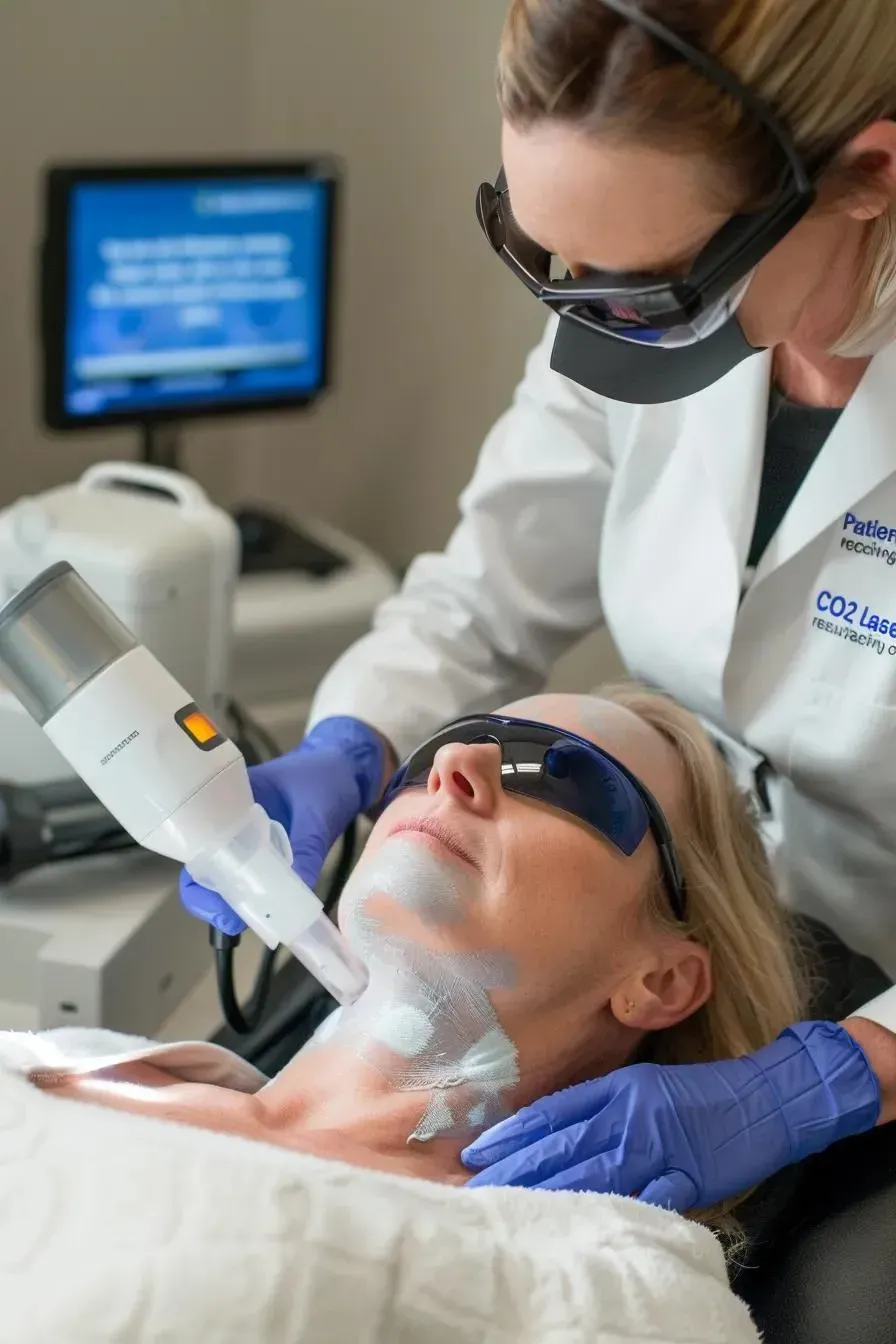
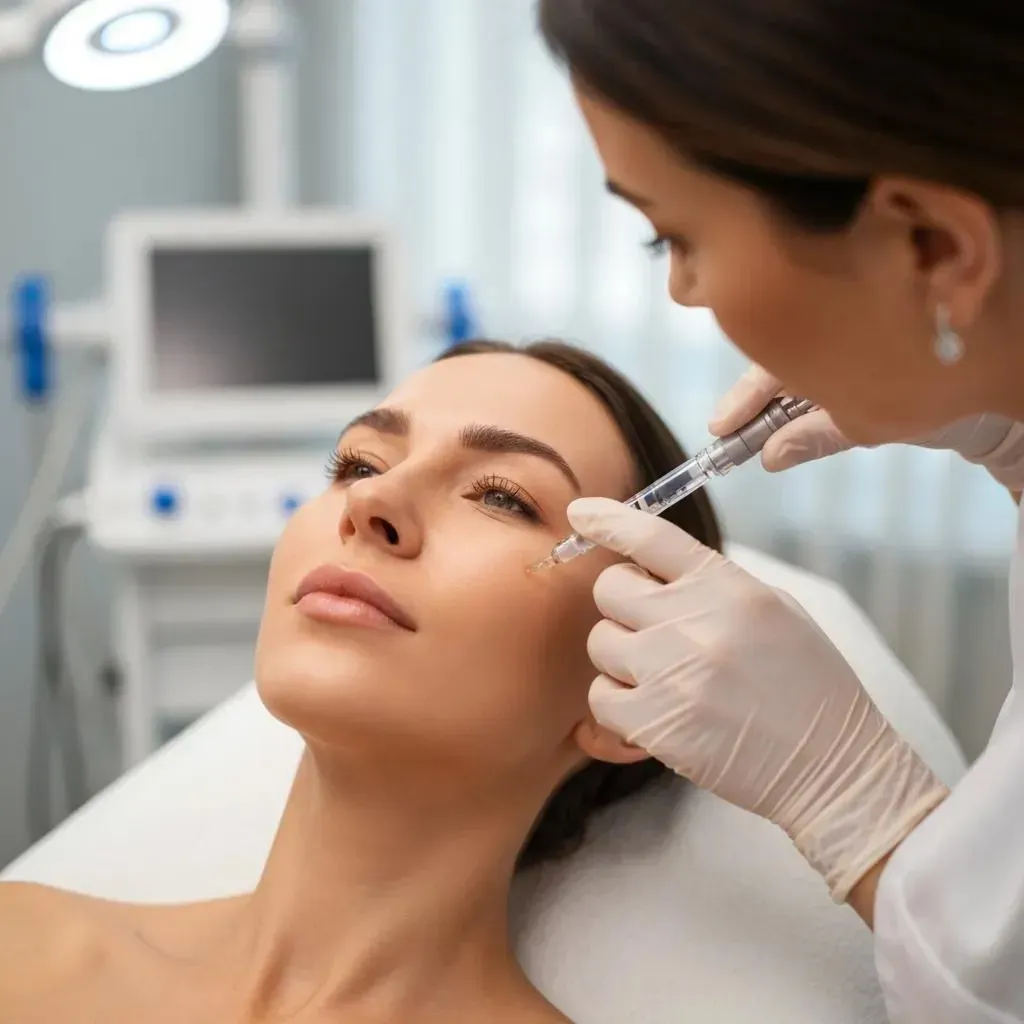
Before your procedure, your medical provider will evaluate your skin and explain the expected healing process. A topical numbing agent or other comfort measures may be used depending on the treatment intensity.
After the procedure, your skin typically experiences redness, swelling, and peeling as new skin develops. Recovery time varies based on treatment depth, individual healing response, and the specific laser settings used.
Following your aftercare instructions is essential. Proper moisturizing, gentle skincare, and strict sun protection support healing and help maintain your results.
Who Is a Good Candidate for CO2 Laser Resurfacing?
Many adults experiencing wrinkles, sun damage, uneven texture, or certain types of scars may benefit from CO2 laser resurfacing. The best way to determine suitability is through a professional medical assessment.
Your provider will consider your skin tone, current skin condition, medical background, and expectations before recommending treatment. In some cases, alternative or combination therapies may provide a better option.
The goal is never to chase unrealistic perfection. It is about helping your skin look healthier, smoother, and more refreshed while respecting your natural features.
A Whole-Body Approach to Looking and Feeling Your Best
Beautiful skin often reflects overall wellness. When aesthetic care is combined with attention to internal factors, the results can feel more balanced and support long-term confidence. At Growing Younger Clinic, we combine physician-guided aesthetic treatments with personalized wellness care to help you age confidently. Contact us at info@growingyoungerclinic.com or call (256) 325-6398 to schedule your personalized consultation today.
Frequently Asked Questions
1. How long do CO2 laser resurfacing results last?
CO2 laser results can last for years, depending on your age, skincare routine, sun protection habits, and natural aging process.
2. Is CO2 laser resurfacing painful?
Most patients experience manageable discomfort. Medical providers use numbing methods and comfort measures to make the treatment experience easier.
3. How many CO2 laser sessions will I need?
The number of sessions depends on your skin concerns and treatment goals. Some individuals achieve significant improvement after one session, while others may require additional treatments.
4. Is CO2 laser resurfacing safe for everyone?
Not everyone is an ideal candidate. A medical consultation helps determine whether your skin type, health history, and goals make the treatment appropriate for you.
5. Can CO2 laser treatment replace my regular skincare routine?
No. Laser treatments improve existing concerns, but daily sunscreen, gentle skincare, and healthy lifestyle habits remain essential for maintaining results.